

International trade between China and Tanzania has grown rapidly in recent years, driven by demand for machinery, electronics, construction materials, consumer goods, and industrial supplies. For importers, logistics managers, and every small business owner entering the African market, one question dominates the planning process: “How long does it take to ship from China to Tanzania?”
The answer is not fixed. Shipping times vary depending on shipping methods, cargo type, shipping routes, customs clearance, and port operations at the final destination. Understanding these variables is essential for controlling cost, reducing risk, and maintaining a stable supply chain.
In this guide, we break down shipping from China to Tanzania in detail—covering air freight, sea freight, transit time, shipping process, international shipping strategy, and cost-effective options—so you can make informed decisions and outperform competitors relying on incomplete information.
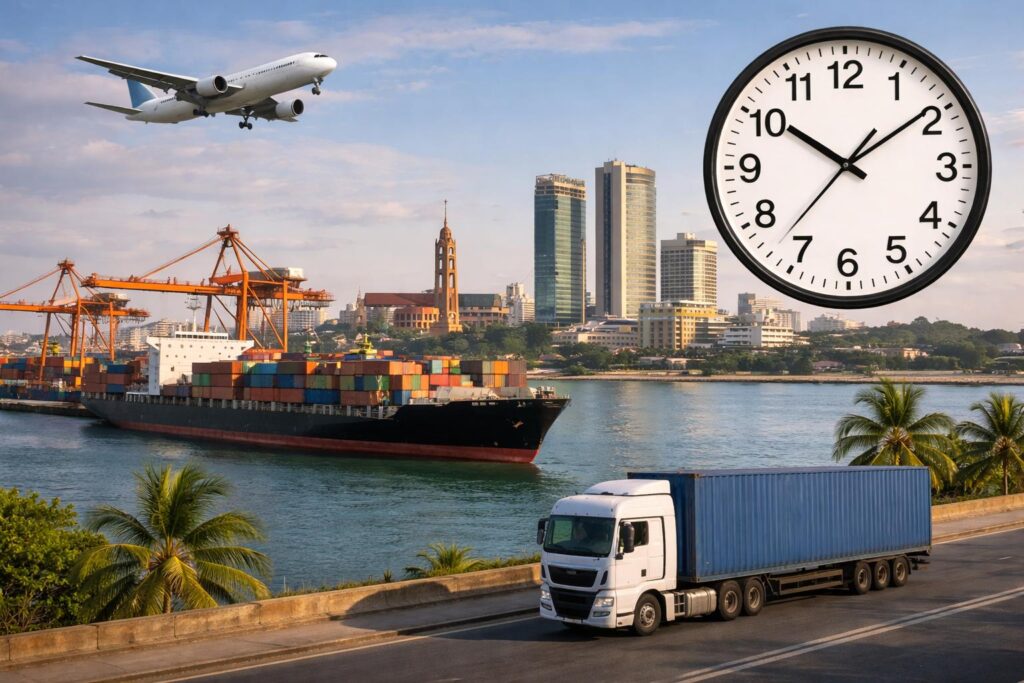
Average Shipping Time from China to Tanzania (Overview)
Before diving into each shipping method, here is a realistic overview of shipping times based on current international shipping practices:
- Sea freight: Tanzania typically takes 30–45 days
- Air freight: 5–8 days on average
- Express / urgent shipments: 3–5 days
- Door-to-door shipping: 35–50 days, depending on route optimization and customs clearance
These timelines include export handling in China and import procedures in Tanzania, but may vary depending on port congestion, sailing schedules, unforeseen circumstances, and market trends.
Key Factors That Affect Shipping Time from China to Tanzania
Shipping between the two countries involves a complex web of logistics steps. Several key factors directly influence how fast goods arrive:
Shipping Methods
Different shipping methods serve different purposes:
- Sea freight for transporting large volumes and significant volume cargo
- Air freight for time sensitive or high value goods
- Multimodal solutions combining sea, air, and inland transport
Shipping Routes & Major Ports
The choice of shipping routes and major ports affects transit time and reliability. Most cargo moves through Dar es Salaam port, while air cargo enters through Julius Nyerere International Airport or Kilimanjaro International Airport.
Customs Clearance & Proper Documentation
Delays in customs clearance are one of the most common causes of extended transit time. Missing or incorrect commercial invoices, packing lists, or restricted goods declarations can add days—or even weeks.
Cargo Type & Compliance
Special cargo such as hazardous materials, perishable goods, perishable items, prohibited items, or high value cargo requires utmost care and additional checks to ensure compliance with regulations.
External Risks
Factors such as port congestion, natural disasters, supply chain disruption, or changes in port operations can affect shipping times without warning.
Understanding these variables is the foundation of a strong shipping strategy.
Sea Freight Transit Time from China to Tanzania
Sea freight is the most widely used shipping method for China to Tanzania, especially when importing large volumes or transporting large volumes of cargo at a lower cost.
Typical Sea Freight Transit Time
- Average transit time: 30–45 days
- Route: China → Indian Ocean → Dar es Salaam
- Suitable for: heavy cargo, bulk goods, non-urgent shipments
Sea Freight Shipping Process
- Export customs clearance in China
- Container loading and departure
- Ocean transit based on shipping lines and sailing schedules
- Arrival at Dar es Salaam port
- Import customs clearance and port operations
- Delivery to final destination
Sea freight offers cost savings and cost effective options, but is sensitive to port congestion and shipping lines capacity.
Air Freight from China to Tanzania: Transit Time & Use Cases
When speed matters, air freight from China to Tanzania is the preferred solution. Compared with sea freight, air freight significantly reduces transit time, making it ideal for urgent shipments, time sensitive cargo, perishable goods, and high value goods.
Average Air Freight Transit Time
- Transit time: typically 5–8 days
- Door-to-airport delivery: 4–6 days in optimal conditions
- Door-to-door air shipping: 7–12 days, including customs clearance
Air freight is widely used by importers shipping electronics, spare parts, medical supplies, and seasonal products where delays could result in higher cost or lost sales opportunities.
Main Airports for Air Cargo
Departure airports in China:
- Shanghai Pudong International Airport
- Guangzhou Baiyun International Airport
- Shenzhen Bao’an International Airport
- Hong Kong International Airport
Arrival airports in Tanzania:
- Julius Nyerere International Airport (DAR) – the main hub for international air cargo
- Kilimanjaro International Airport (JRO) – commonly used for northern Tanzania and regional distribution
Major airlines operating regular services on this route include Ethiopian Airlines and Kenya Airways, both of which provide stable capacity and frequent schedules for cargo moving between China and East Africa.
Air freight offers speed and reliability, but comes with higher cost compared to sea freight. Choosing air freight should always be part of a clear shipping strategy, not an emergency reaction.
Shipping Routes from China to Tanzania
Understanding shipping routes helps importers predict shipping times, manage risks, and plan inventory more effectively.
Sea Freight Routes
Most sea freight shipments follow these routes:
- Eastern China → Indian Ocean → Dar es Salaam port
- Southern China → Southeast Asia transshipment → East Africa
These routes are operated by major shipping lines, and transit time may vary depending on sailing schedules, port operations, and route optimization.
Air Freight Routes
Air cargo routes typically move through:
- China → Addis Ababa (Ethiopia) → Tanzania
- China → Nairobi (Kenya) → Tanzania
These hubs allow airlines to maintain regular services and reduce delays caused by limited direct flights.
Selecting optimized shipping routes is a key responsibility of experienced freight forwarders and logistics providers, especially when shipping large volumes or managing a significant volume of cargo.
Customs Clearance in Tanzania: A Critical Time Factor
Even with fast transportation, customs clearance can be a bottleneck if not handled correctly. Many delays occur not during transport, but after goods arrive at the port or airport.
Required Documentation
To ensure compliance and avoid unnecessary delays, importers must prepare:
- Commercial invoices
- Packing lists
- Bill of lading or air waybill
- Certificates (if applicable)
- Declarations for restricted goods or hazardous materials
Proper documentation is non negotiable. Errors or missing paperwork can lead to inspections, fines, or cargo being held at customs, significantly increasing transit time.
Common Causes of Delay
- Incorrect cargo description
- Declaring prohibited items
- Missing permits for hazardous materials
- Inconsistent invoice values
Experienced freight forwarders help importers navigate these challenges, ensuring goods arrive at their final destination smoothly and legally.
Sea Freight vs Air Freight: Choosing the Right Shipping Method
Choosing between sea freight and air freight is not only about speed—it’s about balancing cost, transit time, cargo type, and supply chain stability.
| Factor | Sea Freight | Air Freight |
|---|---|---|
| Transit time | 30–45 days | 5–8 days |
| Cost | Lower | Higher |
| Best for | Large volumes, heavy cargo | High value, urgent shipments |
| Risk | Port congestion | Capacity constraints |
For transporting large volumes, sea freight remains the most cost-effective option. For time sensitive or high value shipments, air freight is often a game changer despite the higher cost.
Role of Freight Forwarders in China–Tanzania Shipping
Professional freight forwarders act as the bridge between exporters, carriers, and customs authorities. A reliable logistics provider does far more than just book space.
They help importers:
- Design efficient shipping routes
- Select appropriate shipping methods
- Manage customs clearance
- Control shipping costs
- Reduce risk from unforeseen circumstances
Explore more shipping guides:
- DDP Shipping from China to Tanzania
- How Long Does It Take to Ship from China to Kenya?
- How Long Does It Take to Ship from China to Egypt?
- How Long Does It Take to Ship from China to Senegal?
- How Long Does It Take to Ship from China to Morocco?

Shipping Costs from China to Tanzania: Time vs Cost Strategy
While many importers focus only on how long it takes to ship from China to Tanzania, experienced traders know that shipping costs and transit time must be evaluated together. The fastest option is not always the smartest choice, especially when importing goods at scale.
Cost Differences by Shipping Method
- Sea freight: Lowest cost, ideal for transporting large volumes and heavy cargo
- Air freight: Higher cost, suitable for urgent shipments and high value goods
- Express shipping: Highest cost per kg, used mainly for small parcels or time critical deliveries
For most importers, sea freight offers the best balance between cost savings and predictable transit time, while air freight is used selectively as part of a broader shipping strategy.
How Transit Time Impacts Total Cost
Longer shipping times can increase indirect costs such as:
- Inventory holding cost
- Cash flow pressure
- Storage and port operations fees
- Risk exposure within the supply chain
A well-designed shipping strategy focuses on cost effective options, not just headline freight rates.
Shipping Strategy for Different Business Scenarios
There is no single “best” solution for all importers. The optimal shipping strategy depends on cargo characteristics, business size, and urgency.
For Small Business Owners
- Prioritize predictable transit time
- Avoid overusing air freight due to higher cost
- Work with freight forwarders offering tailored solutions
For Importers Shipping Large Volumes
- Use sea freight as the primary method
- Book early to secure better sailing schedules
- Optimize container utilization to reduce cost
For High Value or Time Sensitive Cargo
- Use air freight selectively
- Minimize dwell time at airports
- Ensure proper documentation to avoid customs delays
Matching shipping methods to real business needs is a game changer for long-term profitability.
Risks That Can Affect Shipping Time from China to Tanzania
International shipping is influenced by multiple risk factors. Even with good planning, unforeseen circumstances may still affect transit time.
Common Risk Factors
- Port congestion at Dar es Salaam port
- Changes in sailing schedules
- Supply chain disruption
- Natural disasters affecting shipping routes
- Regulatory changes in international trade
Staying informed about market trends and maintaining flexibility in routing helps reduce exposure to these risks.
Dar es Salaam Port: Why It Matters
Dar es Salaam port is the primary gateway for sea freight into Tanzania and a critical hub for East African trade.
Key Characteristics
- Handles the majority of containerized cargo
- Serves Tanzania and neighboring landlocked countries
- Sensitive to congestion during peak seasons
Delays at Dar es Salaam can significantly extend shipping times, even after vessels arrive. Efficient port operations and pre-arranged customs clearance are essential to ensure goods arrive without unnecessary waiting.
Step-by-Step Shipping Process from China to Tanzania
Understanding the shipping process helps importers identify where delays may occur and how to prevent them.
- Confirm cargo type and compliance requirements
- Prepare commercial invoices and packing lists
- Choose appropriate shipping methods
- Book space with shipping lines or airlines
- Export customs clearance in China
- International transportation
- Import customs clearance in Tanzania
- Delivery to final destination
Each step must be handled with care, especially when shipping restricted goods, hazardous materials, or perishable items.
Role of Logistics Providers and Freight Forwarders
A professional logistics provider coordinates the entire shipping process, acting as a single point of control across borders.
Reliable freight forwarders help importers:
- Ensure compliance with regulations
- Optimize shipping routes
- Reduce transit time variability
- Protect cargo throughout transport
Rather than relying on generic platforms, many experienced importers prefer a trusted partner who understands the China–Tanzania corridor and offers expert advice based on real operational experience.
Importing Goods from China to Tanzania: Practical Tips
To save time and avoid common mistakes:
- Double-check cargo descriptions
- Avoid prohibited items and undeclared goods
- Plan shipments around peak seasons
- Communicate clearly with your freight forwarder
- Monitor cargo movement closely until goods arrive
Attention to detail at every stage helps importers save time, control cost, and protect the supply chain.
Frequently Asked Questions: Shipping Time from China to Tanzania
How long does it take to ship from China to Tanzania by sea freight?
Sea freight from China to Tanzania typically takes 30–45 days.
The exact transit time depends on the departure port in China, shipping routes, sailing schedules, and port operations at Dar es Salaam port. Port congestion or customs clearance delays may extend delivery time.
How long does air freight from China to Tanzania take?
Air freight usually takes 5–8 days, including handling and customs clearance.
For door-to-door air shipments, total transit time is often 7–12 days, depending on documentation and final destination.
What is the fastest shipping method?
For urgent shipments, express shipping is the fastest option, usually 3–5 working days.
However, it comes with higher cost and is mainly suitable for small parcels or documents.
Why does Tanzania typically take longer for sea freight?
Tanzania relies heavily on Dar es Salaam port, which handles a significant volume of international cargo. During peak seasons, port congestion, vessel waiting time, and port operations efficiency can affect shipping times.
Which airports handle cargo from China to Tanzania?
The main cargo airports are:
- Julius Nyerere International Airport (primary international hub)
- Kilimanjaro International Airport (regional distribution)
Major carriers include Ethiopian Airlines and Kenya Airways, offering regular services for China–Africa routes.
Do customs clearance procedures affect transit time?
Yes. Customs clearance is a key factor. Missing or incorrect commercial invoices, packing lists, or permits can delay cargo for several days. Proper documentation is essential to ensure compliance and avoid inspections.
Is air freight always better than sea freight?
Not necessarily.
- Sea freight is more cost effective for large volumes and heavy cargo
- Air freight is better for time sensitive, perishable goods, or high value items
Choosing the right shipping method depends on cargo type, budget, and urgency.
How can freight forwarders help reduce delays?
Experienced freight forwarders manage shipping routes, coordinate customs clearance, and monitor cargo movement. A reliable logistics provider helps avoid delays, reduce risk, and optimize transit time.
Are there risks that can delay shipping?
Yes. Common risks include:
- Port congestion
- Natural disasters
- Changes in shipping lines schedules
- Regulatory changes in international trade
- Unforeseen circumstances during transit
Planning flexibility into your shipping strategy helps reduce these risks.
What is the best way to save time when importing goods?
- Prepare proper documentation in advance
- Avoid prohibited items and restricted goods
- Choose appropriate shipping methods
- Work with a trusted partner
- Stay informed about market trends and port conditions
Final Summary: Shipping from China to Tanzania
Shipping goods from China to Tanzania involves multiple steps, stakeholders, and decision points. Shipping times vary depending on shipping methods, cargo type, shipping routes, customs clearance, and port operations.
To summarize:
- Sea freight: 30–45 days (best for transporting large volumes)
- Air freight: 5–8 days (ideal for urgent shipments and high value goods)
- Express shipping: 3–5 days (fastest, higher cost)
For importers, success depends on choosing the right balance between cost, transit time, and risk control. A well-planned shipping strategy supported by professional freight forwarders can save time, reduce cost, and protect the supply chain.
Whether you are a small business owner, an experienced importer, or managing international trade at scale, understanding how long it takes to ship from China to Tanzania allows you to plan better, avoid delays, and ensure goods arrive at their final destination smoothly.
Why Choosing the Right Logistics Provider Matters
International shipping is not just transportation—it is coordination across borders. Working with a logistics provider that understands China–Tanzania shipping routes offers clear advantages:
- Tailored solutions instead of generic services
- Route optimization and cost control
- Proactive customs clearance support
- Expert advice for complex cargo
In a competitive global market, the right partner can be a game changer for long-term growth.