Related Guide
China Sourcing Trip Guide
China Sourcing Trip Guide Verified & Reviewed · Last updated June 2026 China Sourcing Trip Guide for importers: A sourcing trip to China can be o...
Read guide →

Paying Chinese suppliers safely is one of the most important steps when importing products from China, especially when working with new suppliers, large orders, or custom products.
This updated guide explains the safest payment methods for Chinese suppliers, including Alibaba Trade Assurance, bank transfers, PayPal, escrow services, letters of credit, and cross-border payment providers. It also covers payment terms, transaction fees, bank account checks, supplier verification, and how to avoid payment fraud before sending money.
Payment methods
Transaction fees
Supplier verification
The safest way to pay Chinese suppliers is to combine a secure payment method with supplier verification. For new suppliers, safer options include Alibaba Trade Assurance, escrow service, letter of credit or staged bank transfer after checking the company details. For trusted long-term suppliers, bank transfer is widely accepted, but it should only be used when the beneficiary name, invoice and company bank account all match.
For sample orders and small transactions, PayPal or a cross-border payment provider may be convenient. For large transactions, letters of credit, third-party inspection and clear contracts can provide stronger buyer protection. For regular supplier payments, a multi-currency account may help reduce foreign exchange costs and unnecessary fees.
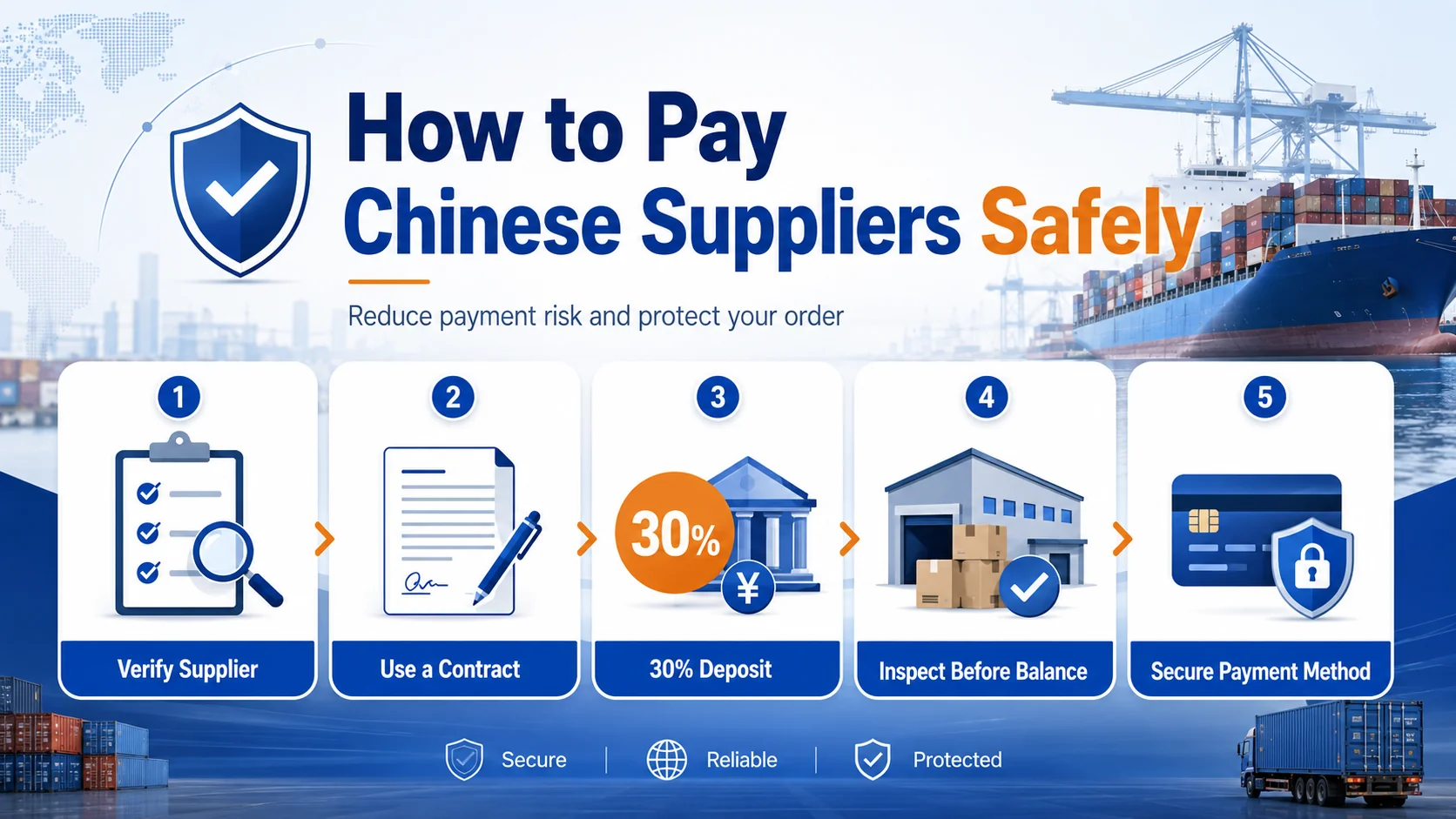
In most cases, the safest payment structure is not paying 100% upfront. A common approach is a 30% initial deposit before production and 70% balance after inspection or before shipment.
Different payment methods offer different levels of safety, cost and convenience. Some are better for new suppliers, while others are more practical for repeat orders, frequent international payments or very large transactions.
| Payment Method | Best For | Safety Level | Main Risk |
|---|---|---|---|
| Alibaba Trade Assurance | New Alibaba suppliers and first orders | High | Protection depends on platform rules |
| Letter of Credit | Large transactions and high value orders | High | More paperwork and bank charges |
| Escrow Service | First-time transactions and controlled payment release | High | Not widely accepted by all suppliers |
| Bank Transfer / T/T | Regular supplier payments and bulk orders | Medium | Funds are hard to recover after payment |
| PayPal | Samples and small orders | Medium | High fees for larger transactions |
| Wise / Payoneer / Airwallex | Cross-border payments and frequent international payments | Medium | No full buyer protection |
| Western Union / Cash | Very small or local payments | Low | Little protection and poor payment record |
Alibaba Trade Assurance is one of the most common payment options for buyers who find Chinese suppliers on Alibaba. It adds a platform record to the transaction and may provide buyer protection if the supplier fails to meet the agreed order terms.
It is useful for new suppliers, standard products and first-time transactions. The order should clearly include product specifications, quantity, price, packaging, delivery time, inspection requirements and shipping terms.
Alibaba Trade Assurance is not automatic protection for every issue. If the product description is vague or the order terms are incomplete, disputes can become difficult. Before paying, make sure the order details are specific enough to prove what the supplier agreed to deliver.
Bank transfer, also called T/T payment, wire transfer or bank wire transfer, is widely accepted by Chinese suppliers. It is one of the most common traditional methods used in international business with China.
A typical payment structure is 30% deposit before production and 70% balance before shipment. Wire transfers usually take 1–5 business days, depending on the sending bank, receiving bank, currency and intermediary banks.
Bank transfers are practical for regular supplier payments, but they provide limited buyer protection. Once the money is sent, it is difficult to reverse. This is why bank wires should only be used after verifying the supplier’s business license, invoice and corporate bank account.
A letter of credit is one of the safest payment methods for large transactions. It is often used when the order value is high, the buyer and supplier are not familiar with each other, or the transaction requires strong document control.
With a letter of credit, the buyer’s bank promises to pay the supplier if the supplier provides the required documents. These may include the commercial invoice, packing list, bill of lading, certificate of origin and inspection certificate.
Letters of credit provide strong security, but they are more complex than other payment methods. They involve bank charges, strict document requirements and more paperwork. They are usually more suitable for high value transactions than small orders.
An escrow service holds the buyer’s funds until agreed conditions are met. The supplier does not receive the money immediately. The funds are released only after the buyer confirms delivery or after the transaction terms are completed.
Escrow services can protect both buyer and supplier, especially in first-time transactions. However, many suppliers in China may not accept escrow because they need cash flow to buy materials and start production.
Escrow is most useful when the product is standard, the order value is moderate and both parties agree on clear release conditions.
PayPal is convenient for samples, small transactions and trial orders. It is fast, familiar to many overseas buyers and easier than a traditional bank transfer.
However, PayPal is not usually the best way to pay Chinese manufacturers for bulk production orders. Many suppliers avoid PayPal because of high fees, chargeback risk and account limitations. PayPal fees can increase quickly with larger transactions, and suppliers may pass those costs to the buyer.
PayPal is better for sample fees, small test orders, spare parts and low-risk purchases. For bulk orders, staged payment with inspection is usually safer.
Cross-border payment providers such as Wise, Payoneer and Airwallex are becoming more common for international payments. They can help buyers manage multiple currencies, send money faster and sometimes get more competitive exchange rates than traditional banks.
A multi-currency account may help small businesses reduce transaction fees, manage supplier payments and improve cash flow. Some buyers also pay in Chinese yuan to reduce foreign exchange costs, depending on the supplier’s terms and the payment provider’s exchange rate.
However, these payment providers are not the same as escrow or trade assurance. They help you make payments, but they do not fully protect you if the supplier fails to deliver.
Western Union and cash payments are risky for overseas buyers. They may be fast, but they provide little protection if something goes wrong.
Western Union is sometimes used for very small transactions, but it is not recommended for new suppliers, unfamiliar suppliers or bulk orders. Cash payments may be common in some local transactions inside mainland China, but they are not suitable for most importers because they create poor payment records.
Avoid Western Union, cash payments and personal account transfers when dealing with a new supplier.
The right payment method depends on your order size, supplier relationship and risk level. Do not choose only based on speed or lower fees. A cheaper payment method is not worth it if it exposes you to fraud.
| Situation | Recommended Payment Method | Why |
|---|---|---|
| New supplier on Alibaba | Alibaba Trade Assurance | Adds platform record and buyer protection |
| First bulk order | 30% deposit and 70% after inspection | Balances supplier cash flow and buyer safety |
| Large order | Letter of Credit | Better for high value transactions |
| Sample order | PayPal or small bank transfer | Fast and practical |
| Repeat trusted supplier | Bank transfer | Widely accepted and efficient |
| Frequent supplier payments | Multi-currency account | Helps reduce FX and transaction fees |
| High-risk supplier | Avoid direct payment | Requires more verification first |
For most buyers, the best payment method is a balanced solution. You want the supplier to have enough deposit to start production, but you also need enough control before releasing the final balance.
Clear payment terms are essential when paying suppliers in China. Do not rely only on chat messages or informal agreements. Payment conditions should be clearly written in the proforma invoice, purchase order or sales contract before production starts.
A proper payment structure helps protect buyers while allowing suppliers to manage production costs, raw materials and manufacturing schedules.
For many manufacturing orders from China, a common and safer payment structure is 30/70 payment terms through a secure payment method or verified bank transfer.
30% Deposit Before Production
The initial deposit allows the supplier to purchase raw materials, reserve production capacity and begin manufacturing.
Before paying the deposit, buyers should verify:
Supplier company details
Business license
Bank account information
Product specifications
Contract terms
70% Balance After Inspection Before Shipment
The remaining balance should only be released after confirming that the goods meet the agreed requirements.
Before making the final payment, buyers should review:
Product quality
Quantity
Packaging
Production photos or videos
Third-party inspection results
A pre-shipment inspection helps reduce payment risk, especially for custom products and large orders.
Never pay 100% upfront: This eliminates your leverage if quality is poor.
Tie balance to inspection: Specify in your contract that the 70% balance is conditional on passing a third-party quality inspection.
Keep money in escrow: For new suppliers, use Alibaba Trade Assurance so funds are held until delivery is verified.
Use Letters of Credit (L/C): A letter of credit can provide stronger payment security for high-value orders by requiring banks to verify trade documents before releasing funds.
Verify banking details: Ensure the invoice bank account name perfectly matches the supplier’s registered Chinese company name.
Supplier verification is the foundation of safe payment. Even the safest payment methods cannot fully protect you if the supplier information is false, incomplete or inconsistent.
Before making payments, ask the supplier to provide business documents and compare the information carefully.
| Item to Check | What to Confirm |
|---|---|
| Business license | Registered company name, address and status |
| Proforma invoice | Product, quantity, price, payment terms and bank details |
| Company bank account | Beneficiary name should match the supplier’s company |
| Factory address | Useful for audit, pickup and inspection |
| Product specifications | Reduces quality and communication disputes |
| Online feedback | Helps identify reputation and past issues |
| Inspection access | Shows whether the supplier accepts third-party checks |
A legitimate Chinese supplier should be able to provide a business license. Check whether the company name matches the invoice, bank account, Alibaba profile, website and email signature.
A mismatch does not always mean fraud, but it must be explained before payment. If the supplier refuses to provide basic company information, treat it as a warning sign.
The beneficiary name on the bank account should match the supplier’s registered company name. The same company name should also appear on the proforma invoice and contract.
If the invoice shows one company, the bank account shows another company and the sales representative gives a different business name, stop and ask for clarification.
Funds should be sent to corporate accounts, not personal accounts. A supplier asking for payment to a personal account may be a small trader, an individual agent or a scammer.
Offshore accounts also require caution. Some legitimate companies use Hong Kong accounts for international business, but the company relationship should be clear. Never pay to an unrelated third-party account without written explanation and additional verification.
Email hacking is a common risk in international transactions. A buyer may receive an email that looks like it came from the supplier, but the bank account has been changed by a scammer.
If a supplier says their bank account has changed, do not trust the email alone. Confirm through a known phone number, video call or another verified contact method before sending money.
Payment safety comes first, but cost also matters. International payments may include transaction fees, intermediary bank fees, foreign exchange margins, receiving bank charges and hidden costs from traditional banks.
Wire transfers can be reliable, but bank fees and FX margins may increase the real cost. Some banks also use intermediary banks, which can deduct additional fees before the funds reach the supplier.
Ways to reduce payment costs include:
Compare exchange rates before sending money
Ask whether the supplier can accept Chinese yuan
Use a multi-currency account when appropriate
Avoid making many small payments through expensive channels
Check transaction limits before choosing a provider
Compare traditional banks with payment providers
Watch for hidden foreign exchange costs
Consider forward contracts for large future payments
Paying in RMB can sometimes reduce exchange costs, especially if your provider offers competitive exchange rates. Some buyers may save 2–3%, but the actual saving depends on the exchange rate, payment provider, supplier terms and transaction size.
For large future payments, forward contracts may help manage exchange rate risk. This is more relevant for buyers who place regular orders and need better cash flow planning.
For bulk orders, the final payment is a key risk point. Once you pay the balance, the supplier has less pressure to fix production problems quickly.
Before releasing the final 70% balance, check whether the goods are finished, packed and ready for shipment. For high value transactions, use a third-party inspection company or trusted agent to inspect the goods before payment.
A pre-shipment inspection can check:
Product quantity
Appearance and workmanship
Product size and specifications
Logo and labeling
Packaging quality
Carton quantity
Shipping marks
Gross weight and carton size
Basic function test
Finished goods photos
Packing list accuracy
Third-party inspections are especially important for electronics, machinery, furniture, apparel, branded products, custom packaging and private label orders.
Inspection does not guarantee perfection, but it greatly reduces the risk of paying the balance for goods that are incomplete, defective or different from the order.
Before sending any payment to a Chinese supplier, prepare and review the key documents related to the transaction. These documents help verify supplier information, confirm payment conditions and provide evidence if a dispute occurs.
Do not rely only on emails, chat messages or verbal agreements. Important payment terms, product requirements and supplier responsibilities should be written in official documents.
A proforma invoice is one of the most important documents before making supplier payments. It should clearly confirm the order details and payment conditions.
Check that the PI includes:
Supplier company name and contact details
Product description and specifications
Quantity and unit price
Total order value
Payment terms
Delivery terms
Beneficiary bank account information
The supplier’s bank account name should match the registered company name shown on the business license. If the bank details do not match, verify the reason before sending payment.
A written contract provides stronger protection than informal communication. It should clearly define the responsibilities of both buyer and supplier before production begins.
Important terms should include:
Product specifications and quality standards
Production timeline
Payment schedule
Inspection requirements
Delivery terms
Actions for delayed delivery or quality issues
For new suppliers, avoid relying only on chat history. A formal agreement helps prevent misunderstandings and gives both parties a clear reference.
Clear product requirements reduce disputes after production starts.
Depending on the product, include:
Materials and dimensions
Colors and design requirements
Packaging specifications
Tolerance standards
Labeling requirements
Approved samples or drawings
For custom products, detailed specifications are especially important because they define whether the finished goods meet the agreed requirements.
A third-party inspection report is not usually required before the initial deposit, but it can be valuable before releasing the final balance payment.
An inspection report can confirm:
Product quantity
Product quality
Packaging condition
Manufacturing consistency
Compliance with agreed specifications
For large orders or custom products, inspecting goods before paying the remaining balance can significantly reduce financial risk.
A freight forwarder cannot replace supplier verification or guarantee supplier reliability. However, a professional logistics partner in China can help reduce practical risks after production and before shipment.
For overseas buyers, a freight forwarder can provide additional shipment visibility by helping confirm:
Carton quantity, weight and volume
Packing list accuracy
Warehouse receiving records
Cargo photos before export
This is especially useful when buying from multiple Chinese suppliers or arranging shipment after making the final payment.
At Tonlexing, we help global buyers manage the shipping process from China by providing cargo receiving, warehouse coordination, shipment consolidation, export documentation support and international freight solutions. This allows buyers to have better control over their cargo before it leaves China.
The safest way to pay Chinese suppliers is to use a secure payment method together with supplier verification. For new suppliers, Alibaba Trade Assurance, escrow service, staged bank transfer or letter of credit can reduce risk. For trusted repeat suppliers, bank transfer is common, but the company account and invoice should still be verified.
Bank transfer is widely accepted by Chinese suppliers, but it has limited buyer protection. It is safer when the beneficiary name matches the supplier’s registered company, the account is a business account and the payment terms are clearly written in the proforma invoice.
For bulk orders, paying 100% upfront is risky, especially with new suppliers. A safer structure is usually 30% deposit before production and 70% balance after inspection or before shipment. Full upfront payment is more common for sample orders or very small transactions.
Alibaba Trade Assurance can provide useful buyer protection when the order is placed and paid through Alibaba. However, the order details must be clear, including product specifications, quantity, packaging, delivery time and quality standards.
PayPal is useful for samples and small transactions, but it is not ideal for large production orders. Many Chinese manufacturers do not accept PayPal for bulk orders because of high fees, chargeback risk and account limitations.
Useful freight, customs and importing resources related to this shipping guide.
China Sourcing Trip Guide Verified & Reviewed · Last updated June 2026 China Sourcing Trip Guide for importers: A sourcing trip to China can be o...
Read guide →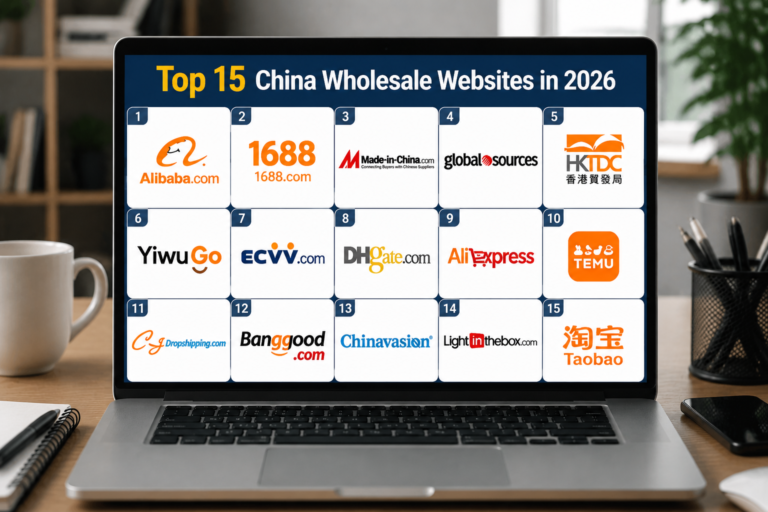
Top 15 China Wholesale Websites in 2026 Verified & Reviewed · Last updated May 2026 Sourcing products from China has become a key strategy for gl...
Read guide →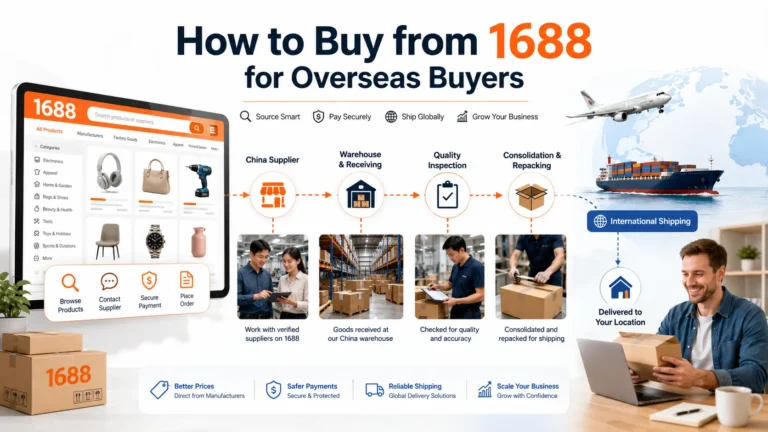
Why Overseas Buyers Are Turning to 1688 1688.com is a major Chinese wholesale marketplace used by manufacturers, wholesalers and domestic buyers...
Read guide →
Compare shipping cost from China by country, shipping method, and cargo size. Learn air freight rates, sea freight pricing, and the cheapest ship...
Read guide →Importing goods from China can be highly profitable—but only when you understand the necessary documents and import requirements. Whether you’re...
Learn more → Useful Resource How to Choose a Reliable DDP Freight Forwarder in ChinaHow to choose a reliable DDP freight forwarder in China is a critical question for importers dealing with complex international shipping. Selecti...
Learn more →WhatsApp us