Related Guide
Shipping Cost from China to Uzbekistan
Introduction: Why Uzbekistan Matters in China’s Cross-Border Trade Shipping cost from China to Uzbekistan is a key consideration for businesses l...
Read guide →

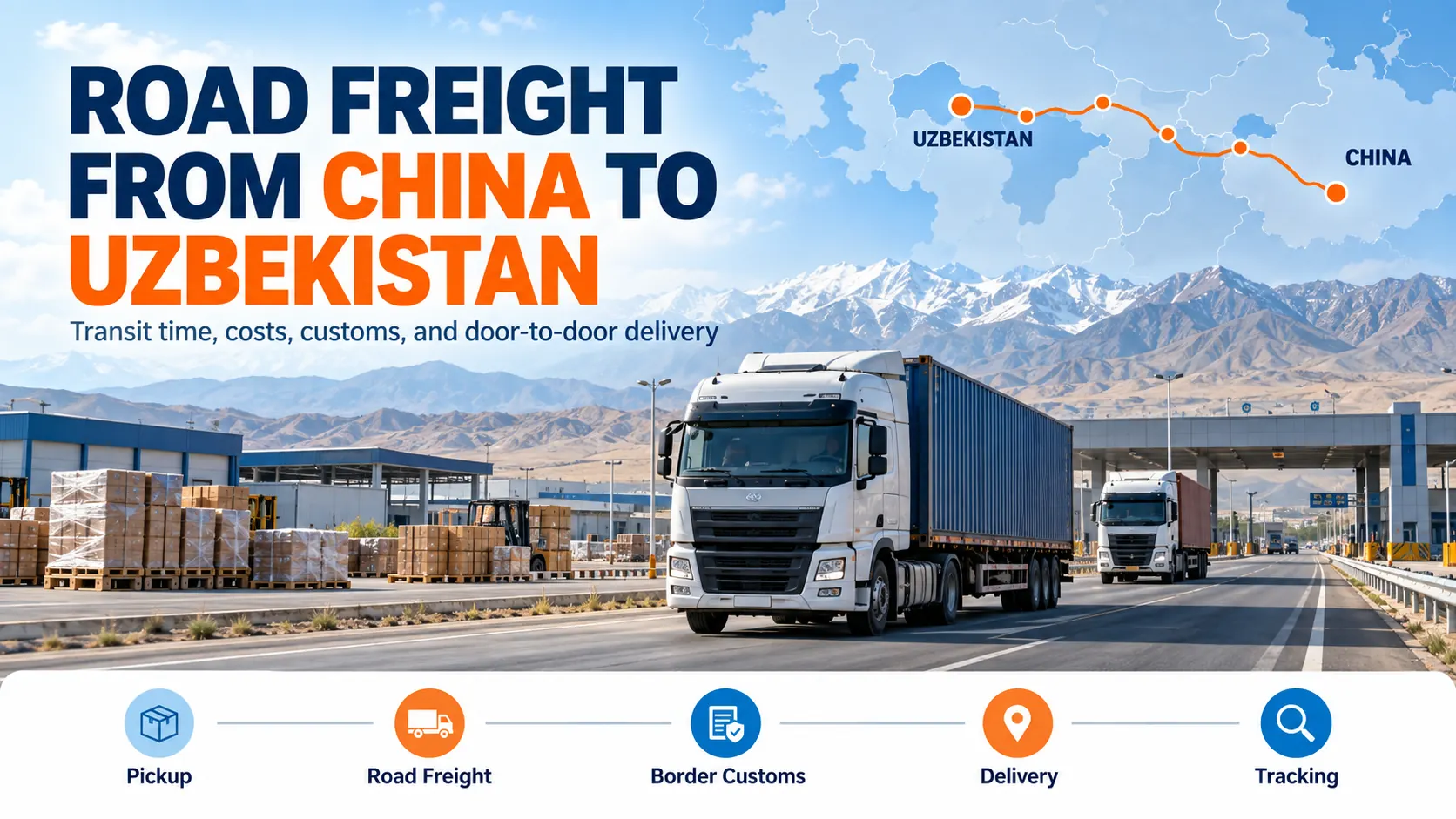
Road freight from China to Uzbekistan offers a practical balance of cost, speed, and flexible inland delivery for commercial cargo.
Typical transit time is 5–18 days, with FTL and LTL services available via Kyrgyzstan or Kazakhstan to Tashkent and other destinations in Uzbekistan.
FTL & LTL
Transit Time
Via Kyrgyzstan / Kazakhstan
For importers making an initial China to India shipping plan, the following figures provide a simple reference before requesting a route-specific quotation:
USD 3,500–9,500 / truck
Dedicated Truck Service
Suitable for larger or time-sensitive commercial cargo.
USD 150–280 / CBM
Shared Truck Space
A cost-effective option for smaller commercial shipments.
5–18 days
Truck Shipping Time
Delivery time varies by service model, border process, and destination.
Kyrgyzstan / Kazakhstan
Cross-Border Delivery
Suitable for Tashkent and other
major Uzbekistan destinations.
Actual shipping costs and transit times may vary according to cargo volume, pickup location, route, season, and customs procedures.
Truck shipping costs vary significantly depending on where the cargo starts its journey.
Cargo departing from Xinjiang is closer to the Central Asian border, while goods collected in Shenzhen, Yiwu, Zhengzhou, Chengdu, and other inland or coastal cities require a longer domestic transportation section before entering the international corridor.
For a broader comparison of transport expenses, you can also see our guide to shipping cost from China to Uzbekistan.
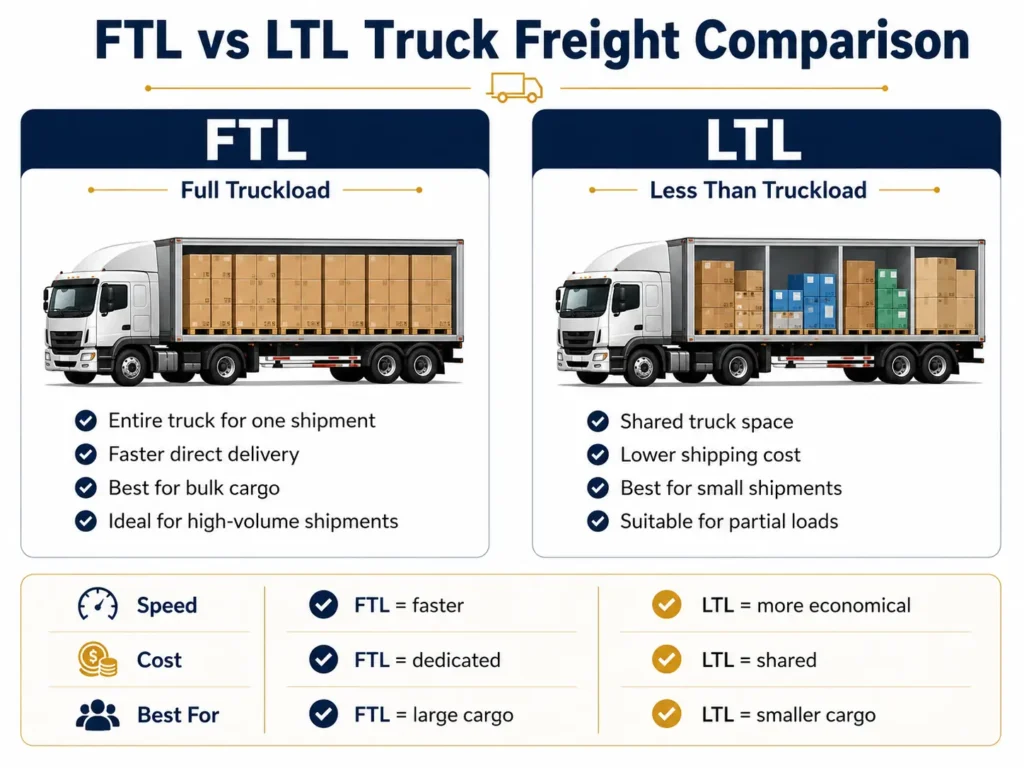
FTL, or Full Truckload, is suitable when a shipment requires a dedicated vehicle.
A standard 16.3-meter semi-trailer or box truck can typically handle around 80–120 CBM or 20–22 metric tons, depending on the cargo dimensions, density, and vehicle configuration.
| Departure Area | Destination | 2026 Reference Cost |
|---|---|---|
| Shenzhen / Yiwu / Zhengzhou / Chengdu | Tashkent | USD 6,500–9,500 / truck |
| Kashgar / Urumqi | Tashkent | USD 3,500–5,000 / truck |
FTL is commonly used for large commercial orders, industrial equipment, machinery, palletized goods, and cargo that benefits from fewer loading and unloading operations.
LTL, or Less-than-Truckload, allows several shipments to share the same truck. It is usually more economical when the cargo does not require an entire vehicle.
| Charging Method | 2026 Reference Rate |
|---|---|
| Volume-based cargo | USD 150–280 / CBM |
| Dense or heavy cargo | USD 0.80–1.80 / KG |
The applicable rate depends on the relationship between cargo volume and gross weight.
For an accurate quotation, the forwarder normally needs the product name, number of cartons or pallets, dimensions, gross weight, total CBM, pickup location, delivery address, and cargo classification.
Customs duties, taxes, inspections, storage, and special handling charges are generally quoted separately when applicable.
Normal truck shipping from China to Uzbekistan takes approximately 5–18 days. The main difference comes from the service model.
| Transport Service | Estimated Transit Time | Main Feature |
|---|---|---|
| Direct FTL with TIR | 5–9 days | Dedicated truck with minimal transloading |
| Standard FTL | 8–12 days | Cargo may be transferred near a border hub |
| LTL Groupage | 12–18 days | Requires consolidation and deconsolidation |
Direct FTL under the TIR system is usually the fastest trucking option from China to Uzbekistan.
Because the cargo can move through multiple customs territories under a controlled transit procedure, there is less need for repeated handling along the way. Under normal conditions, transit time is around 5–9 days.
Standard FTL usually takes about 8–12 days.
In some cases, the cargo needs to be transferred to another truck at or near the border. This extra handling can add around 2–3 days, depending on border conditions and vehicle availability.
LTL groupage generally takes 12–18 days.
The longer transit time is mainly due to consolidation before departure and deconsolidation after arrival. For smaller commercial shipments, it is a more economical option when speed is not the highest priority.
The choice between FTL and LTL depends mainly on cargo size, urgency, handling requirements, and budget.
| Factor | LTL | FTL |
|---|---|---|
| Truck Space | Shared | Dedicated |
| Cargo Volume | Small to medium | Medium to large |
| Pricing | Per CBM or KG | Per truck |
| Typical Transit | 12–18 days | 5–12 days |
| Consolidation | Required | Usually not required |
| Cargo Handling | More handling points | Fewer handling points |
| Best For | Cartons, pallets, parts | Large orders and equipment |
LTL is generally more suitable when the cargo occupies only part of a truck.
FTL becomes more practical for larger loads, urgent shipments, heavy equipment, or goods where fewer cargo handling points are preferred.
China and Uzbekistan are connected by land through Central Asia. The two main trucking corridors normally pass through Kyrgyzstan or Kazakhstan.
The route selected for a shipment depends on the departure location, destination, cargo type, border conditions, available truck capacity, and seasonal conditions.
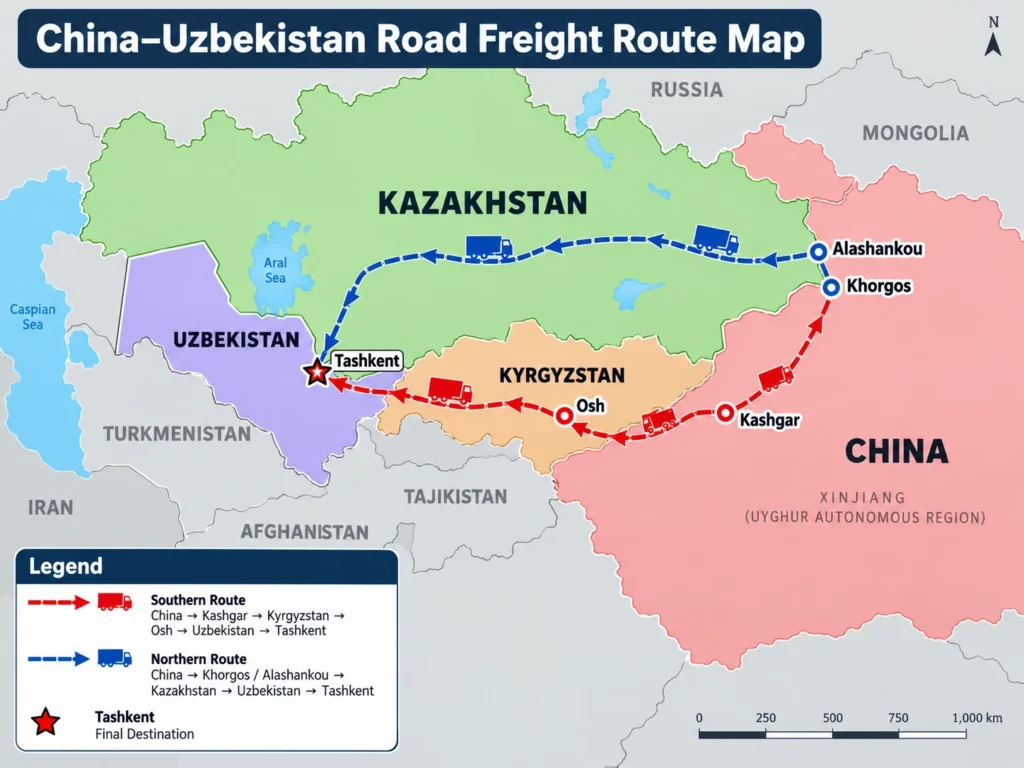
A typical southern route is:
China → Kashgar → Irkeshtam / Torugart → Kyrgyzstan → Osh → Uzbekistan → Tashkent
This corridor is particularly suitable for cargo moving through Xinjiang and western China.
Normal transit to Tashkent is approximately 5–8 days.
For trucks departing directly from Kashgar, the international section may be completed in around 2–3 days under favorable border and road conditions.
The Kyrgyzstan route is often used for:
Consumer goods
E-commerce inventory
Time-sensitive cargo
Higher-value products
Cargo originating in western China
Mountainous terrain can affect the route during winter, particularly when snow or ice reduces truck speeds.
A typical northern corridor is:
China → Khorgos / Alashankou → Kazakhstan → Uzbekistan → Tashkent
Normal transit time is approximately 8–14 days.
This route is commonly used for larger commercial shipments originating from central, eastern, or southern China and moving through Xinjiang into Central Asia.
It is particularly suitable for:
Industrial equipment
Heavy machinery
Palletized goods
Large FTL loads
Automotive components
High-volume cargo
For cargo moving through the Kazakhstan corridor, see our guide to road freight from China to Kazakhstan.
TIR is widely used in international road transport across Central Asia.
For eligible shipments, sealed cargo can move through several customs territories under an international transit procedure. This can reduce repeated customs handling at intermediate borders and support more efficient truck movement.
TIR can help with:
Simplified transit procedures
Fewer unnecessary cargo handling operations
Sealed international transport
More efficient border movement
Faster direct FTL services
However, TIR does not replace export or import customs clearance. Complete transport and customs documents are still required.
Truck shipping can be arranged from major commercial and logistics centers throughout China.
Common pickup locations include:
Shenzhen
Guangzhou
Dongguan
Yiwu
Shanghai
Ningbo
Zhengzhou
Chengdu
Urumqi
Kashgar
Cargo can be collected from the supplier or a designated warehouse before entering the international transport network.
Tashkent is the main destination for international freight entering Uzbekistan.
Final delivery can also be arranged to:
Samarkand
Andijan
Fergana
Namangan
Bukhara
Other inland destinations
Delivery beyond Tashkent may require additional domestic trucking after customs clearance.
For shipments that require pickup, international transport, and final delivery under one arrangement, see our door-to-door shipping from China service.
A typical trucking shipment follows six main stages.
The shipper provides the cargo type, quantity, dimensions, weight, pickup address, and final destination.

The appropriate service is selected according to cargo size, urgency, and budget.

FTL cargo can move directly toward the international route, while LTL cargo normally enters a consolidation warehouse first.

Shipping documents are checked and the cargo is prepared for cross-border transportation.

The truck moves through the selected Kazakhstan or Kyrgyzstan corridor. Depending on the service, the cargo may travel under TIR or require transloading.

After the import procedures are completed in Uzbekistan, the cargo is released for delivery to Tashkent or another inland destination.

Customs clearance is an important stage of commercial shipping to Uzbekistan. Before the cargo can be released for final delivery, the importer must complete the required declaration, document review, product classification, and payment of applicable charges.
Accurate and consistent documents can reduce the risk of customs delays or additional inspections.
A typical clearance process includes:
Electronic customs declaration
Import information is submitted to the customs system.
Document and risk review
Customs reviews the shipment according to cargo type, declared value, supporting documents, and risk profile.
Inspection if required
Some goods may require additional document checks, physical inspection, or scanning.
Payment of applicable charges
Customs duties, taxes, and administrative fees are settled where applicable.
Release for delivery
After clearance is completed, the cargo can continue to its final destination.
Commercial truck shipments commonly require:
Commercial Invoice
CMR or Road Waybill
TIR Carnet, when applicable
HS Code / TN VED classification
Certificate of Origin, when required
Certificate of Conformity or other product-specific documents, where applicable
Sales Contract, when required for local import procedures
The product description, quantity, value, weight, and classification should remain consistent across the documents.
Import charges in Uzbekistan generally include customs duty, VAT, and customs clearance fees.
Customs Duty: Import duty is usually calculated based on the customs value of the goods. Rates commonly range from 0% to 30%, depending on the HS Code and product category.
VAT: The standard import VAT rate in the information you provided is 12%. It is generally calculated on the customs value plus applicable duties and excise tax.
Customs Clearance Fees: Administrative processing fees may also apply, depending on the declared value and customs requirements.
Because duty rates vary by product, importers should confirm the correct HS Code / TN VED classification before shipment to estimate the total import cost more accurately.
Even when two shipments use the same general corridor, their final shipping cost and delivery schedule may differ. The main factors include:
Origin and destination: Cargo collected in Kashgar or Urumqi requires less domestic transportation than goods departing from Shenzhen, Guangzhou, Yiwu, or Shanghai. Delivery beyond Tashkent may also involve additional inland trucking.
Cargo weight and volume: LTL pricing is influenced by both cargo density and occupied space. Bulky cargo may be charged by CBM, while dense or heavy goods may be calculated by weight. Larger shipments may be more economical as an FTL load.
Service type and route: Direct FTL is generally faster than LTL because it does not require cargo consolidation. The selected Kazakhstan or Kyrgyzstan corridor, as well as any required transloading, can also affect freight cost and transit time.
Border, customs, and weather conditions: Border congestion, customs inspections, vehicle availability, public holidays, and winter weather can cause delays. Random customs inspections may add around 1–2 days, while transloading may add approximately 2–3 days.
For time-sensitive cargo, allowing an additional 2–4 days of planning buffer is recommended.
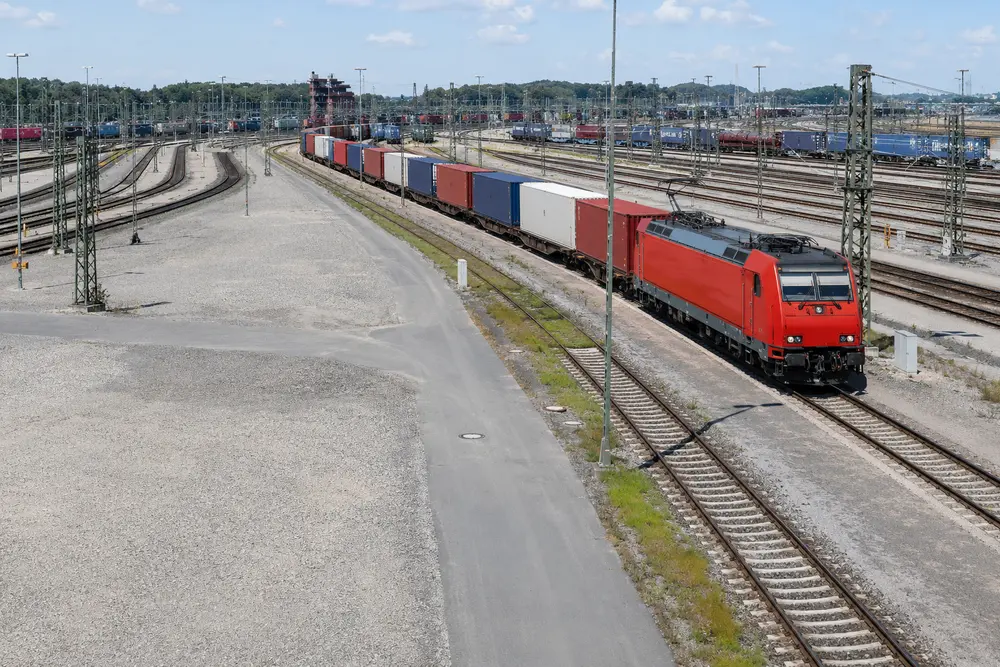
Businesses shipping from China to Uzbekistan can choose between road, rail freight, and air freight.

Transit Time: Around 5–18 days
Best for FTL and LTL commercial cargo that needs a practical balance between cost, speed, and inland delivery flexibility.
Transit Time: Around 6–16 days
Best for medium-to-large shipments that need a cost-effective transport option for heavier or containerized cargo.
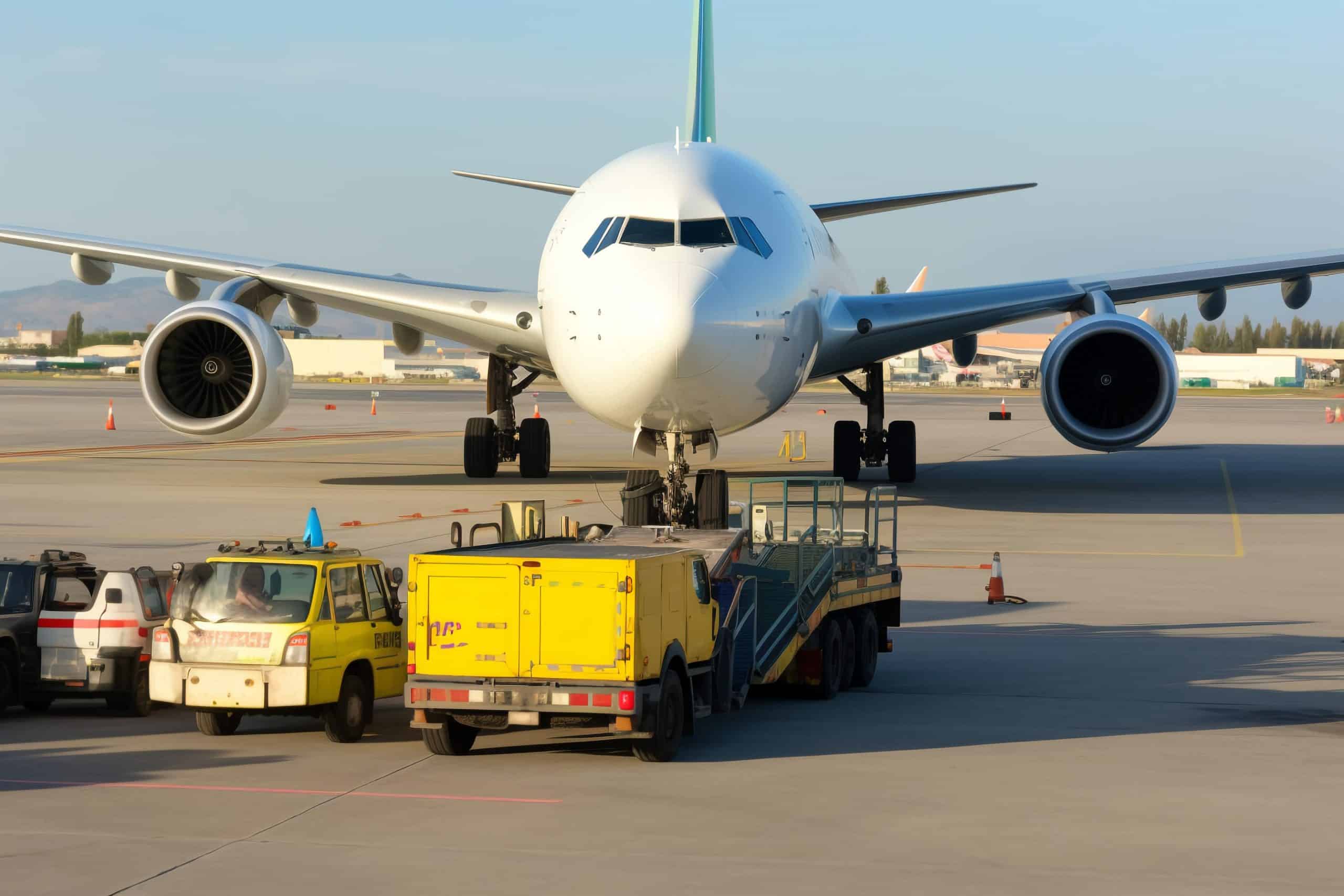
Transit Time: Around 2–4 days
Best for urgent, lightweight, or high-value cargo that requires the fastest possible delivery.
Truck transport offers a useful middle ground for businesses that need faster delivery than many rail solutions without paying air freight rates for heavy or bulky goods.
Rail freight from China to Uzbekistan can be more economical for some larger shipments, while air freight from China is more suitable when delivery speed is the highest priority.
The best shipping method depends on cargo volume, urgency, destination, and budget.
Tonlexing provides road freight services from China to Uzbekistan for both FTL and LTL commercial shipments.
Services can include cargo pickup, consolidation, cross-border trucking, export documentation support, customs coordination, and final delivery to Tashkent or other destinations in Uzbekistan.
The most suitable shipping solution depends on the cargo volume, weight, pickup city, destination, and required delivery schedule. Larger shipments may use dedicated FTL transportation, while smaller loads can use LTL groupage to reduce freight costs.
For an accurate quotation, please provide:
Product name and cargo type
Number of cartons or pallets
Carton dimensions and gross weight
Total CBM
Pickup location in China
Delivery address in Uzbekistan
HS code and cargo value, if available
Required delivery time
Once the cargo details are confirmed, the appropriate route, service type, estimated transit time, and shipping cost can be determined.
Truck shipping generally takes 5–18 days. Direct TIR FTL normally takes 5–9 days, standard FTL around 8–12 days, and LTL groupage approximately 12–18 days.
FTL reference rates range from approximately USD 3,500 to USD 9,500 per truck, mainly depending on the departure location. LTL reference rates are approximately USD 150–280 per CBM or USD 0.80–1.80 per KG for dense cargo.
The two main trucking corridors pass through Kyrgyzstan or Kazakhstan before entering Uzbekistan. The final route depends on the departure location, destination, cargo type, border conditions, and available capacity.
LTL is generally more economical for smaller cargo volumes because truck space is shared with other shipments. FTL is more suitable for larger, urgent, or high-volume cargo that requires dedicated capacity.
Yes. Tashkent is the main destination for international trucking to Uzbekistan. Final delivery can also be arranged to Samarkand, Andijan, Fergana, Namangan, Bukhara, and other inland destinations.
Some regulated cargo can be accepted, but approval depends on the product classification, packaging, certificates, documentation, and available carrier. These shipments should be confirmed before booking.
Useful freight, customs and importing resources related to this shipping guide.
Introduction: Why Uzbekistan Matters in China’s Cross-Border Trade Shipping cost from China to Uzbekistan is a key consideration for businesses l...
Read guide →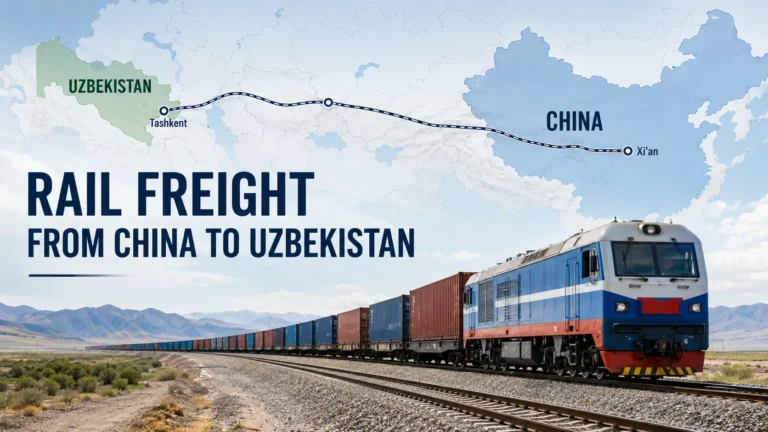
Rail Freight from China to Uzbekistan Verified & Reviewed · Last updated August 2026 Rail freight from China to Uzbekistan is a practical and cos...
Read guide →
As Central Asia rises in strategic importance, road freight from China to Kazakhstan has become one of the most efficient and flexible logistics...
Read guide →
Door to door shipping from China by air, sea, rail or express. Compare DDP vs DAP, costs, transit times, customs clearance and final delivery.
Read guide →Air freight from China is the best option for time sensitive and high value shipments. It offers fast delivery, reliable transit times, and effic...
Learn more → Useful Resource Customs Clearance Step by StepCustoms Clearance Step by Step: The Complete Process Verified & Reviewed · Last updated February 2026 Customs clearance step by step helps intern...
Learn more →WhatsApp us