Savannah Port Drayage & Container Trucking Services

Importers moving containers through Savannah, GA need to coordinate cargo release, terminal pre-advice, gate hours, chassis availability, and warehouse appointments. Delays can lead to waiting time, extra moves, or demurrage and detention.

Tonlexing helps coordinate drayage arrangements with local transportation providers for import and export shipments. Planning depends on container size, cargo weight, delivery location, and schedule.

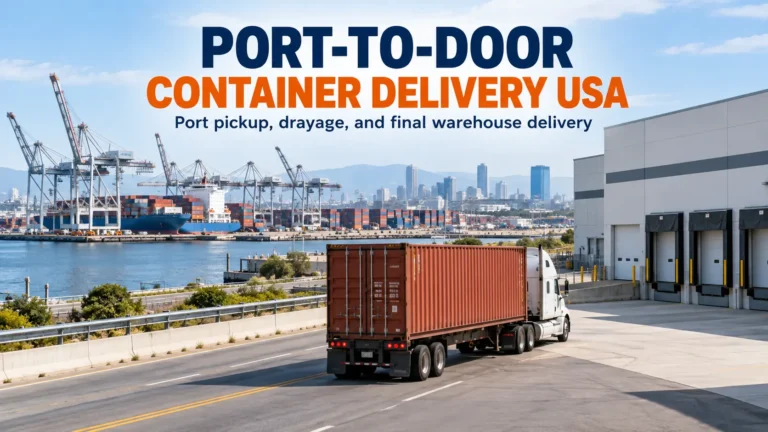
Container Pickup & Delivery

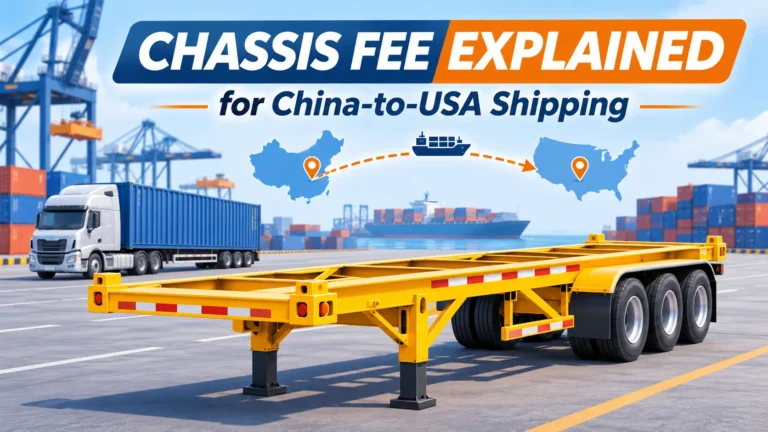
Chassis Coordination

Inland Transportation

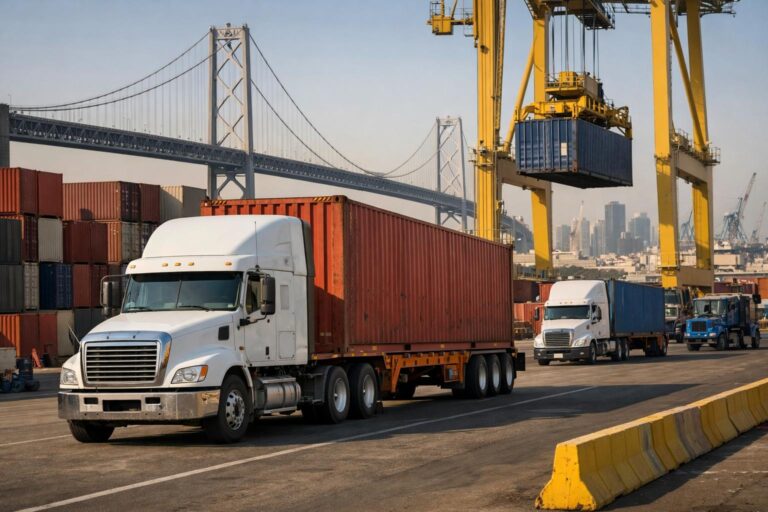
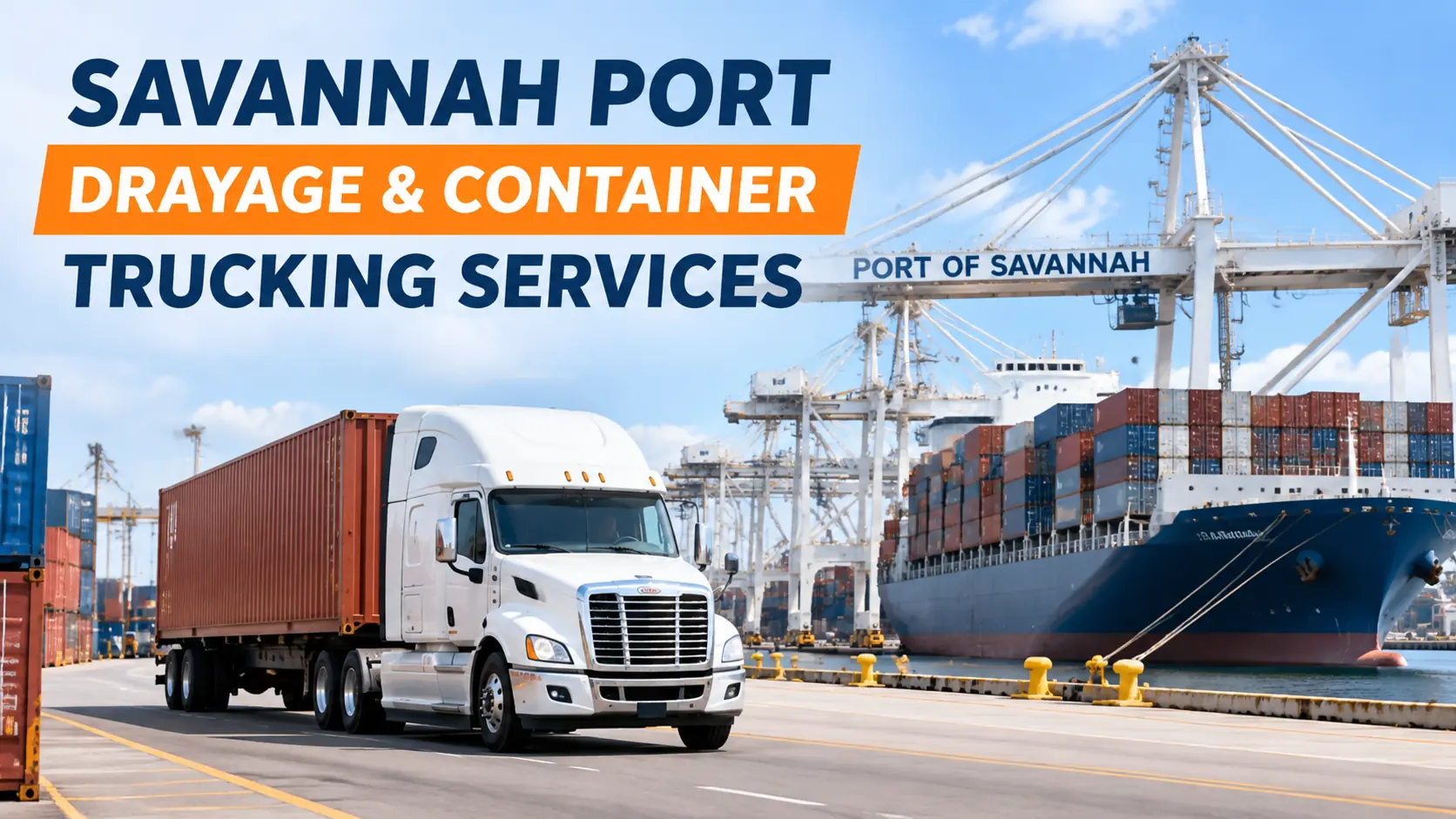
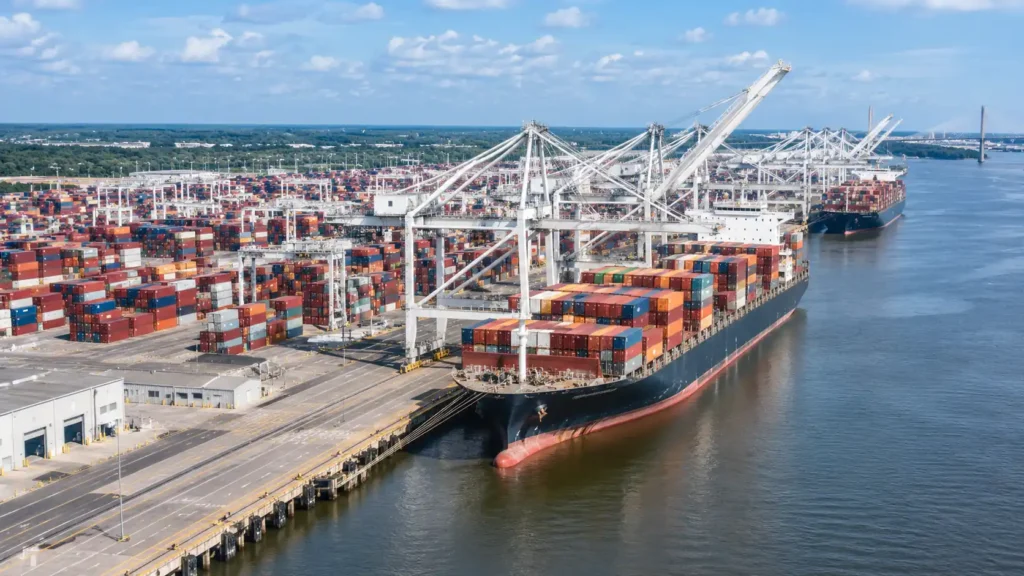
Savannah port drayage and container trucking services with a truck at the container terminal.
10,000+ international shipments handled    Global sea, air & DDP shipping solutions    24/7 shipment tracking & customer support

Table of Contents

Drayage Services at the Port of Savannah

Drayage connects ocean containers with warehouses, distribution centers, container yards, and rail facilities. Common moves include:

  • Import pickup: Collect a released container from the assigned terminal and deliver it to a warehouse or distribution center.

  • Export delivery: Arrange an empty container for loading, then move the loaded unit to the terminal before the carrier’s cut-off.

  • Chassis and equipment: Match the container with a suitable 20ft or 40ft chassis. Reefer and overweight shipments may need specialized equipment or permits.

  • Pre-pull and staging: Move a container out of the terminal ahead of a warehouse appointment when timing and storage arrangements allow.

  • Empty return: Confirm the carrier-designated depot and return deadline before dispatch.

Chassis availability can tighten during high-volume periods, so confirm equipment before scheduling pickup.

Savannah Port Terminals and Inland Connections

The Port of Savannah handles more than 5.6 million TEUs annually. Garden City Terminal is the largest single-operator container facility in North America and the area’s main container gateway.

Mason Mega Rail supports intermodal connections through CSX and Norfolk Southern. Highway access via I-16 and I-95 links the terminal with Atlanta, regional distribution centers, and other inland markets. The Brampton Road Connector links Gate 3 with major interstate routes.

Always check the facility shown on the delivery order. Do not assume every container is assigned to Garden City Terminal.

How Container Drayage Works

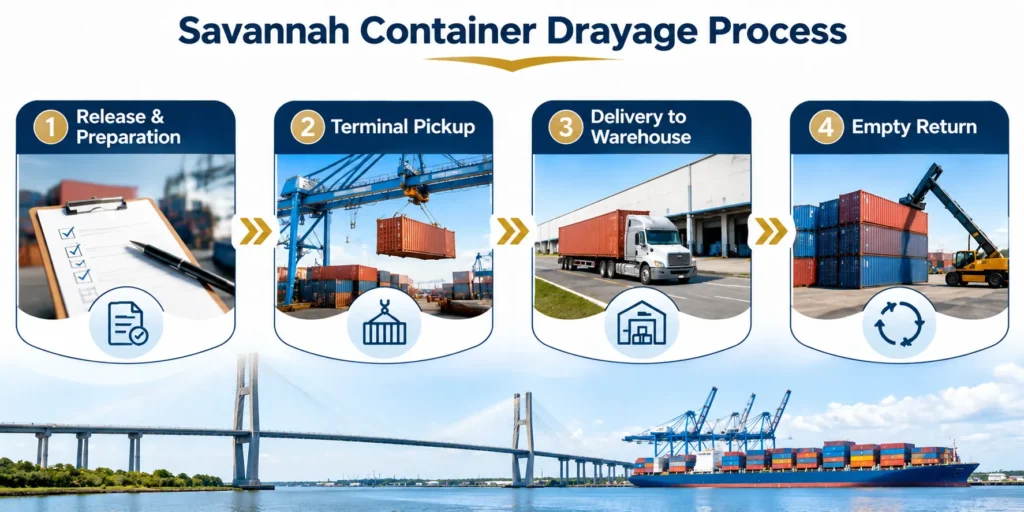
A typical move follows four steps:

  1. Check release and availability. Confirm customs clearance, carrier release, container availability, pickup number or PIN, and the last free day.

  2. Prepare the gate transaction. Check terminal pre-advice, gate hours, appointment instructions, and the driver’s access credentials.

  3. Collect and deliver. Arrange the correct chassis and deliver the container within the warehouse’s receiving window.

  4. Return the empty. Verify the designated depot and complete the return before the carrier’s deadline. Keep the interchange receipt.

Driver and Carrier Requirements

Before dispatch, confirm current Georgia Ports Authority access rules and the requirements of the assigned facility and equipment provider.

ItemWhat to Confirm
TWICWhether the driver needs a valid TWIC credential for the planned access.
GPA RFIDWhether the tractor has the required GPA-issued RFID tag.
Container PIN and releaseCorrect pickup details and confirmation that the unit is available.
UIIAWhether participation and equipment-provider interchange authorization apply.
MC numberCarrier details requested when a broker or logistics partner sets up regular work.

Requirements vary by access frequency, terminal procedure, carrier, and equipment provider. Carriers seeking regular runs should have their MC number and operating details ready for broker setup.

Common Routes and Delivery Options

The facility connects with major inland markets through its highway and intermodal rail network. Container transport options depend on the final delivery location, shipment volume, and required transit time.

Common routes and delivery options include:

  • Savannah to Atlanta: Containers can move by road via I-16 and I-75, connecting the gateway with warehouses and distribution centers in the Atlanta area.

  • Savannah to Southeast Markets: I-95 and I-16 provide access to regional distribution facilities and inland destinations across the southeastern United States.

  • Local Warehouse Delivery: Short-distance moves connect Garden City Terminal with nearby warehouses, container yards, and transloading facilities.

  • Inland Rail Connections: Mason Mega Rail provides intermodal services through CSX and Norfolk Southern, supporting container transport to destinations beyond Georgia.

For longer-distance shipments, importers can compare direct road transport with rail based on cargo volume, delivery schedules, and total costs. Combining drayage with inland rail or transloading can also provide flexibility for distribution.

Drayage Costs and Additional Charges

The total cost depends on pickup location, delivery distance, container size, cargo weight, equipment, and appointment requirements. Ask for a quote that separates the base move from applicable accessorial charges.

Cost ItemWhat May Affect It
Base drayageRoute, distance, container size, and delivery conditions
Chassis rental or splitEquipment type, availability, and positioning
Pre-pull and yard storageEarly pickup and staging time
Waiting timeDelays at the terminal or receiving facility
Overweight or reefer equipmentAxle limits, permits, genset, or power needs
Redelivery or extra stopChanges to the agreed delivery plan

Demurrage and detention are separate from the transportation rate. Demurrage generally applies when a container remains at the terminal beyond free time; detention generally applies when carrier equipment remains outside the terminal beyond the allowed period. Check the carrier’s terms and free-time dates for each shipment.

How to Avoid Delays and Extra Charges

Container delays can increase transportation costs and lead to demurrage, detention, and additional storage fees. Common causes include delayed cargo release, limited chassis availability, missed pickup schedules, and late empty-container returns.

Common Causes of Additional Charges

  • Demurrage: Charges may apply when an import container remains at the terminal beyond the permitted free time.

  • Detention: Charges may apply when a container is not returned to the designated depot within the carrier’s allowed period.

  • Chassis Shortages: Limited equipment availability can delay pickup and increase costs.

  • Warehouse Delays: Missed delivery appointments or insufficient unloading capacity can result in additional waiting time.

How to Prevent Delays and Extra Costs

Importers should confirm customs clearance and carrier release before arranging pickup. Monitoring the last free day and checking pre-advice and gate hours also help avoid missed pickup opportunities.

Chassis availability and warehouse receiving schedules should be confirmed in advance. For empty returns, check the carrier’s designated depot and return instructions before dispatch. Proper coordination between the transportation provider, warehouse, and freight forwarder helps reduce unnecessary delays and additional charges.

Coordinate Drayage with Tonlexing

Arranging container transportation through Savannah requires coordination between port terminals, trucking providers, warehouses, and inland transportation services. The pickup terminal, container availability, equipment requirements, and final delivery location all affect the transportation arrangement.

Tonlexing helps coordinate local drayage with transportation providers for shipments moving through the Port of Savannah. Services can be arranged according to different cargo and delivery requirements, including:

  • Port Container Pickup: Coordinating container collection after customs and carrier release.

  • Chassis Arrangements: Identifying suitable equipment for standard, overweight, and refrigerated containers.

  • Warehouse Delivery: Arranging container transportation to warehouses, distribution centers, and other inland destinations.

  • Empty Container Returns: Coordinating return arrangements according to carrier instructions and free-time requirements.

For an accurate quote, provide the container size and quantity, cargo weight, pickup terminal, delivery ZIP code, and expected delivery date. Any special equipment or warehouse unloading requirements should also be included.

Contact Tonlexing to discuss your Savannah container trucking requirements and arrange suitable drayage and inland transportation.

Frequently Asked Questions