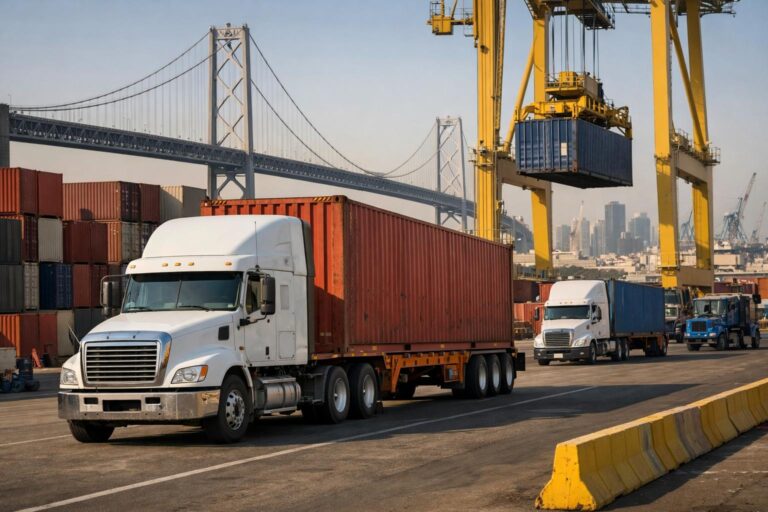
Related Guide
Drayage in the USA Explained
Drayage in the USA Explained: Services, Costs, Types, and How It Works Verified & Reviewed · Last updated March 2026 Drayage in the USA explained...
Read guide →

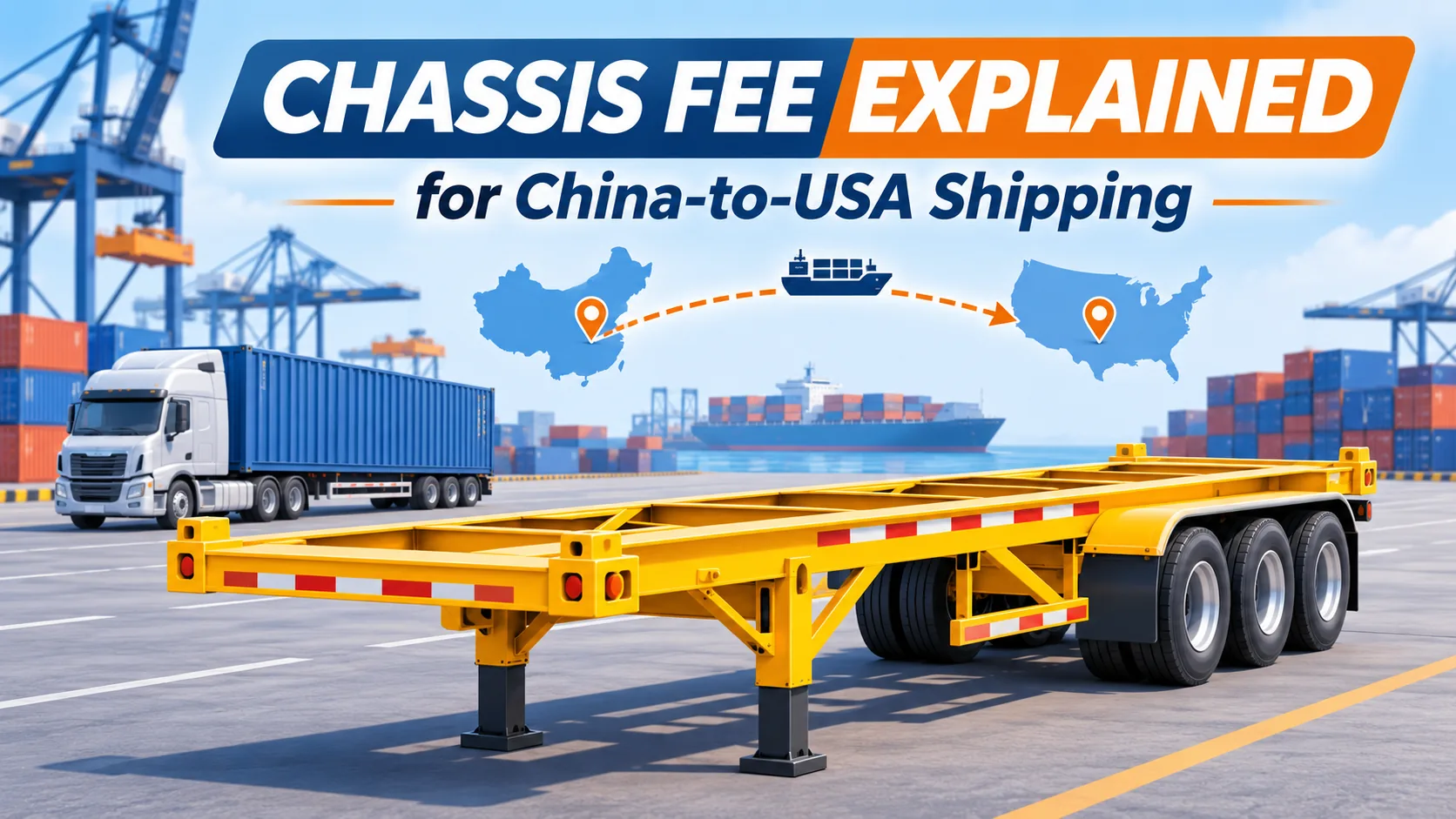
Shipping from China to the USA involves more than ocean freight. Once a container reaches a U.S. port, importers may also pay chassis rental, terminal handling, and inland trucking charges. A chassis fee covers the wheeled frame used to transport a container by truck.
This 2026 guide explains chassis rental costs, chassis split fees, tri-axle requirements, and when these charges apply. Learn how to compare destination charges and avoid unexpected costs during final delivery.
Chassis Fee
Chassis Split Fee
Tri-Axle Chassis
| Item | Explanation |
|---|---|
| What it is | A charge for using a wheeled chassis to transport a container |
| When it applies | Mainly during U.S. port-to-door and inland transportation |
| Charging methods | Daily rental or flat-rate usage charge |
| Main cost factors | Chassis type, rental days, cargo weight, and location |
| Related charges | Chassis split, chassis flip, and chassis detention |
| Cost-saving methods | Coordinate pickup, delivery, and empty container returns |
A chassis fee is a charge for using a specialized wheeled frame designed to transport shipping containers by road. In the United States, containers arriving at marine terminals or rail yards are commonly placed on chassis before being moved to their final destination.
A shipping container holds the cargo, while the chassis supports the container during domestic transportation. The chassis fee covers the equipment usage required for this movement.
A shipping container chassis typically consists of a steel frame, wheels, axles, brakes, and locking mechanisms that secure the container during transportation.
Standard chassis are designed to transport 20ft and 40ft containers. The appropriate equipment depends on container dimensions, gross weight, and applicable road transportation requirements.
In the USA, chassis are commonly supplied through equipment providers, motor carriers, and shared chassis pools. The selected chassis provider and its equipment availability can affect the final chassis usage fee.
Unlike ocean freight, which covers transportation by vessel, a chassis fee relates to the equipment needed for domestic transportation.
The fee generally covers:
Chassis rental or equipment usage
Equipment maintenance and availability
Chassis pool management
Additional equipment requirements for heavy cargo
A chassis fee is often billed separately from the base ocean freight rate. However, some freight forwarders include it in an all-inclusive drayage or final delivery quotation.
For most containerized imports, chassis charges become relevant after the container reaches a U.S. destination port or inland rail terminal.
In port-to-port shipping, the main service covers the movement of cargo between the Chinese origin port and the U.S. destination port. Inland trucking and chassis usage are generally arranged separately.
For port-to-door services, the transportation arrangement continues after the container arrives in the USA. A suitable chassis is needed to move the container from the terminal to the consignee’s warehouse or final destination.
A typical shipping process includes:
The container is loaded and cleared for export in China.
The cargo is transported by sea freight to the USA.
Import customs clearance is completed.
The drayage provider arranges chassis availability and container pickup.
The loaded container is delivered to the warehouse.
The empty container is returned to the designated depot or terminal.
Importers arranging USA container drayage services should confirm whether chassis usage is included in the quoted inland transportation rate.
Chassis costs can be allocated differently depending on the shipment type.
For full container load shipments, the importer generally arranges transportation of the entire 20ft or 40ft container. Chassis rental may appear as a separate destination charge in the final trucking quotation.
Importers arranging FCL shipping from China should check whether the quoted service includes chassis usage, empty container returns, and additional transportation costs.
For LCL shipping, multiple shippers share space in one container. Destination handling and inland transportation are generally arranged by the freight forwarder or consolidator.
Chassis costs may be included in the overall destination charges and allocated according to shipment volume, cubic meter, or the agreed service arrangement.
Consolidating shipments can help reduce transportation costs, particularly for lightweight cargo or smaller volumes that do not require a full container.
Chassis fees in the USA vary depending on the equipment type, rental period, destination port, and availability. For China-to-USA shipments, standard chassis rental generally costs around $35 to $60 per day, while a tri-axle chassis may cost $75 to $80 or more per day for heavier containers.
Some freight forwarders and trucking providers also quote a flat chassis usage fee instead of charging by the day. The applicable rate depends on the service agreement and destination transportation arrangement.
| Chassis Type or Charge | Typical Cost | Charging Method |
|---|---|---|
| Standard two-axle chassis | $35–$60 | Per day |
| Tri-axle chassis | $75–$80+ | Per day |
| Container chassis usage charge | $30–$200 | Per container |
Note: These are indicative industry reference ranges, not fixed nationwide rates. Actual chassis fees depend on the chassis provider, port, equipment availability, and rental agreement.
Several factors influence the final chassis fee:
Chassis type: Standard two-axle equipment generally costs less than a tri-axle chassis required for heavier cargo.
Rental duration: Longer usage periods increase the total rental cost. Some chassis pools offer 2–3 free days, while certain agreements may allow up to 5 days.
Port location: Chassis availability and rental rates vary between major U.S. ports, including Los Angeles, Long Beach, Houston, and New York.
Cargo weight: Heavy containers may require additional axle capacity and specialized equipment.
Equipment availability: Port congestion and equipment shortages can result in additional pickup arrangements or chassis split charges.
For example, if a standard chassis rental rate is $45 per day and the equipment is used for three billable days, the calculation is:
Daily chassis rental: $45
Rental period: 3 days
Total chassis fee: $135
If a chassis split or additional equipment charge applies, it will increase the final amount.
Before booking, ask your freight forwarder whether the quotation uses a daily rental rate or a flat chassis usage fee. Also confirm the free time, billing period, and empty container return requirements.
Understanding these charges helps importers estimate destination expenses and calculate the total shipping cost more accurately.
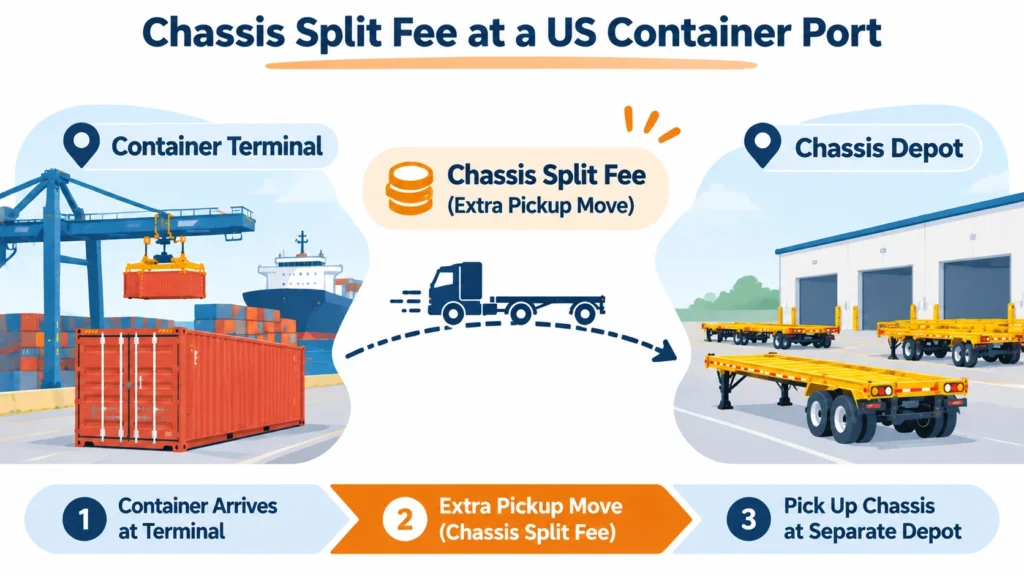
A chassis split fee is an additional charge that occurs when the shipping container and the required chassis are located at different facilities.
For example, a container may be available at a marine terminal while the compatible chassis is stored at a separate equipment depot. The driver must collect the chassis before returning to the terminal to pick up the container.
This additional movement increases mileage, labor, and transportation time.
Common reasons include:
The required chassis is unavailable at the container terminal.
The chassis pool and terminal are located at different facilities.
Port congestion or equipment shortages affect chassis availability.
The drayage provider must collect equipment from another location.
A compatible chassis is not available for the container’s size or weight.
Chassis split fees may also occur when the loaded container and empty return process require separate equipment movements.
For importers using Los Angeles and Long Beach port drayage, checking terminal and chassis pool arrangements before pickup can help reduce unnecessary transportation costs.
Although chassis splits cannot always be avoided, advance coordination can reduce the risk.
Confirm whether on-dock chassis are available.
Ask which chassis pool will supply the equipment.
Check chassis availability before scheduling container pickup.
Coordinate loaded container delivery and empty returns.
Request confirmation of potential split charges before accepting the quotation.
Some carriers may use their own chassis, which can reduce separate rental costs when the equipment is accepted by the terminal and compatible with the shipment.
The type of chassis required depends on container dimensions, gross weight, axle configuration, and the transportation route.
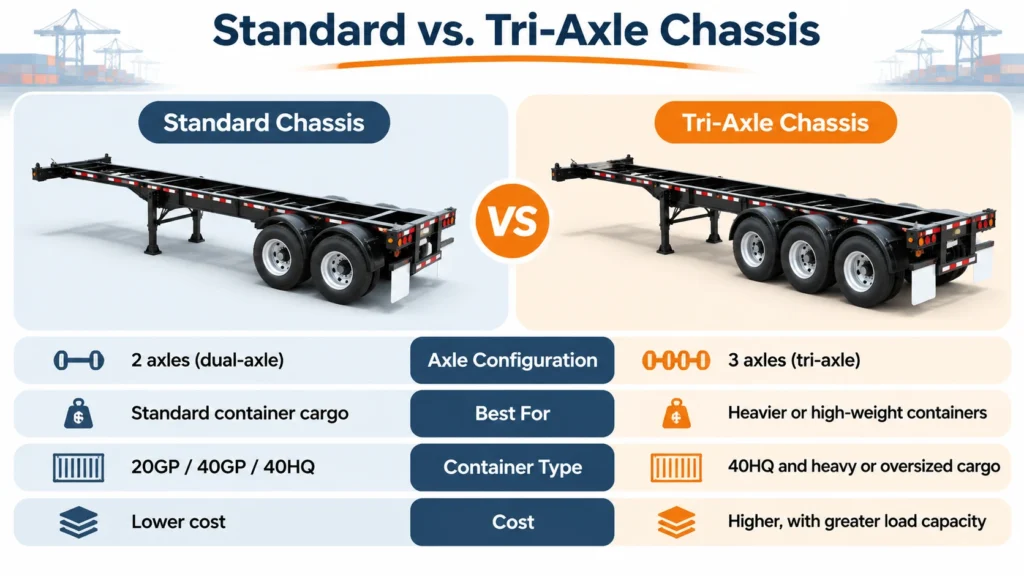
A standard two-axle chassis is commonly used to transport regular 20ft and 40ft shipping containers.
It is suitable for many general cargo shipments, including furniture, consumer products, and machinery, provided the load complies with applicable equipment and road weight limits.
A tri-axle chassis has three axle positions and distributes container weight across additional axles. A tri-axle chassis fee generally applies when heavier cargo requires this equipment.
Some transportation providers use the following figures as equipment-selection guidelines:
20ft container: Above 36,000 lbs may require a tri-axle chassis.
40ft container: Above 44,000 lbs may require additional axle capacity.
These are not universal legal weight limits. Actual requirements depend on gross vehicle weight, axle spacing, road restrictions, and applicable state regulations.
A tri-axle chassis does not automatically make an overweight shipment legal. The drayage provider must check axle loads, route restrictions, and any required permits before transportation.
The total shipping cost from China to the USA includes more than the base ocean freight rate. Importers may also need to pay peak season surcharges, terminal handling charges, documentation fees, fuel surcharges, and destination transportation costs.
For FCL shipments, ocean freight is generally calculated according to container size, route, and shipping schedule. Additional charges may apply when the container reaches the U.S. destination port and requires customs clearance, terminal handling, or inland transportation.
The following figures provide general budgeting references for full container load shipments:
| Container Type | Indicative Ocean Freight Cost |
|---|---|
| 20ft container | $1,500–$2,800 |
| 40ft container | $2,200–$3,800 |
Note: These are indicative estimates, not fixed 2026 shipping rates. Actual prices depend on the origin and destination ports, shipping lines, cargo volume, available capacity, and market conditions.
Peak season surcharges may add approximately $500–$2,000 per container in certain market conditions. Fuel prices, equipment availability, and port congestion can also influence freight costs.
Besides ocean freight and chassis fees, China-to-USA shipments may involve additional destination charges, including:
Terminal Handling Charges: Container handling at ports.
Documentation Fees: Bill of lading and shipping paperwork.
Fuel Surcharges: Additional transportation costs related to fuel prices.
Security Fees: Applicable port security charges.
Demurrage: Charges for containers exceeding terminal free time.
Import Duties: Applicable U.S. customs duties and taxes.
These charges vary by shipping line, destination port, and service arrangement. Always confirm which fees are included in your freight quotation.
Ocean freight covers the main sea transportation between China and the USA, while chassis fees are generally associated with domestic transportation after the container arrives.
For port-to-port shipping, chassis rental and final delivery are usually arranged separately. For door-to-door shipping, these costs may be included in the overall quotation or listed as separate destination charges.
Before booking, ask your freight forwarder to clarify whether chassis rental, fuel surcharges, terminal handling, and inland trucking are included. Comparing the complete cost breakdown rather than only the base ocean freight rate helps avoid unexpected expenses and gives a more accurate estimate of the total landed cost.
Managing chassis costs starts before the container arrives in the USA. Coordination between the supplier, freight forwarder, customs broker, and drayage provider can help avoid unnecessary equipment rental and additional charges.
Confirm the estimated vessel arrival, customs clearance status, terminal availability, and warehouse receiving schedule before arranging final delivery.
A container should not be collected before the consignee is ready to receive it unless a pre-pull or temporary storage arrangement has been planned.
Coordinate loading and unloading appointments to avoid keeping the chassis longer than necessary.
Importers should confirm:
Chassis pickup and return deadlines
Whether weekends and holidays count as rental days
The designated empty container return location
Whether chassis free time is included
Whether additional charges apply after the agreed rental period
Chassis pools allow equipment providers and carriers to share equipment resources. However, availability can vary by terminal and location.
Confirming equipment availability before vessel arrival can help reduce chassis splits and transportation delays.
A reliable freight forwarder can coordinate international shipping, ocean freight, customs clearance, destination charges, and final delivery.
For China-to-USA shipments, Tonlexing can help importers review shipping arrangements and understand destination costs before the cargo arrives.
When comparing competitive rates, look beyond the base ocean freight rate. The total cost should include applicable chassis charges, terminal handling, fuel surcharges, domestic transportation, and other destination expenses.
For more information, see our guide to why shipping from China to the USA can be expensive.
Before confirming a shipment, ask your freight forwarder or drayage provider for a clear breakdown of the destination charges.
A detailed quotation should clarify:
Whether chassis rental is included or billed separately
The daily rental rate and minimum billable days
Whether a standard or tri-axle chassis is required
Whether chassis split or flip fees may apply
The free time and late-return charges
Whether fuel surcharges and terminal handling charges are included
Who arranges the empty container return
Whether additional charges apply for warehouse delays or redelivery
A transparent quotation makes it easier to compare different shipping services and avoid unexpected expenses.
A chassis fee is a charge for using a wheeled trailer frame to transport a shipping container by truck. In the USA, it is commonly associated with port-to-warehouse and inland container transportation.
Standard chassis rental may range from approximately $20 to $50 per day. Tri-axle chassis fees may reach $75 to $80 per day in some quotations. Actual prices vary by port, equipment provider, and rental agreement.
A chassis split fee is an additional charge when the container and chassis are located at different facilities. The driver must make an extra trip to collect or return the equipment.
Not necessarily. Chassis fees are generally associated with inland trucking rather than ocean transportation. Some all-inclusive door-to-door quotations include chassis costs, while others list them separately.
Not every 20ft or 40ft container requires a tri-axle chassis. The requirement depends on gross weight, axle-load distribution, equipment capacity, and applicable road regulations. The transportation provider should confirm the correct chassis before pickup.
Useful freight, customs and importing resources related to this shipping guide.
Drayage in the USA Explained: Services, Costs, Types, and How It Works Verified & Reviewed · Last updated March 2026 Drayage in the USA explained...
Read guide →
Origin Charges vs Destination Charges in International Shipping Verified & Reviewed · Last updated July 2026 Origin charges and destination charg...
Read guide →
When dealing with international shipping, one of the common costs importers and exporters encounter is Terminal Handling Charges (THC). These cha...
Read guide →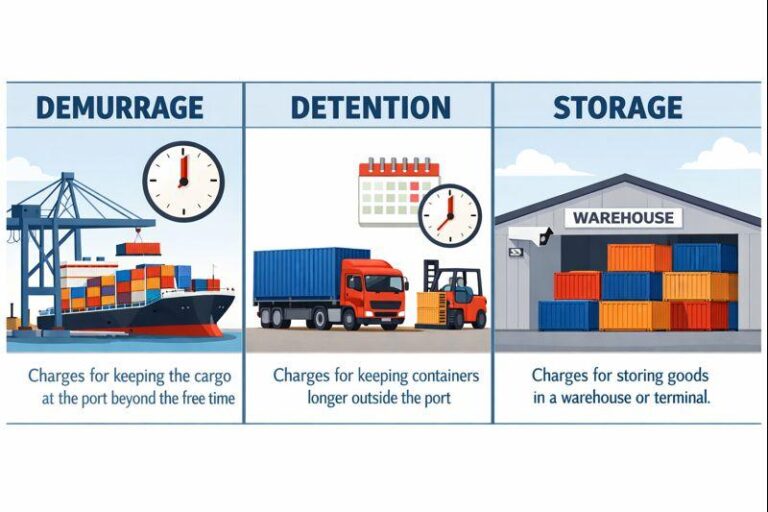
Demurrage vs Detention vs Storage Verified & Reviewed · Last updated January 2026 Demurrage vs detention vs storage is one of the most expensive...
Read guide →20ft & 40ft Container Shipping Rates from China to USA Verified & Reviewed · Last updated June 2026 20ft and 40ft container shipping rates from C...
Learn more → Useful Resource FCL vs LCL shipping from China to USAFCL vs LCL shipping from China to USA Verified & Reviewed · Last updated June 2026 FCL vs LCL shipping from China to USA depends on your cargo vo...
Learn more →WhatsApp us