

Who is the importer of record on a DDP shipment is one of the most searched questions in international shipping and international trade.
In most DDP shipment arrangements, the seller is responsible for import clearance and paying import duties and taxes in the destination country. Because the importer of record is the party legally responsible for the customs entry and customs compliance, the seller is usually the importer of record, also called importer of record IOR.
However, customs regulations in the destination country decide who can be the importer. If a foreign seller cannot legally act as importer due to physical presence or registration rules, the seller must arrange a compliant importer structure through a licensed customs broker, a local entity, or another approved model.
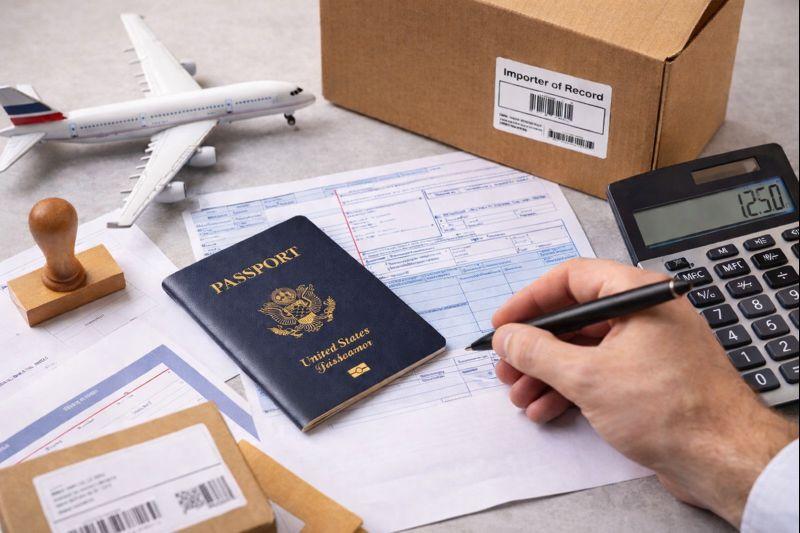
What Is an Importer of Record in Shipping?
The importer of record is the party that customs authorities recognize as legally responsible for the import process. The importer of record role is not only about paperwork. It is about compliance ownership and financial exposure. If the entry is incorrect, the importer of record may face penalties, additional inspections, or delayed release.
Key responsibilities
- Filing the customs entry and customs declarations
- Ensuring customs compliance and regulatory compliance
- Providing accurate documentation such as the commercial invoice and packing list
- Paying duties, import duties, customs duties, taxes, and applicable fees
- Managing import permits when required
- Keeping records for audits and investigations
- Accepting legal liability if there is non compliance
What Delivered Duty Paid Means for the Import Process
Delivered duty paid places maximum obligation on the seller. In a typical delivered duty paid deal, the buyer wants the goods delivered with minimal administrative burden. The buyer expects that the seller will handle the import side so the buyer does not need to coordinate brokers, calculate duty payment, or face surprise fees at delivery.
Under DDP terms, the seller typically handles
- Shipping arrangements and arranging transportation
- Import clearance in the destination country
- Paying duties and duty payment
- Paying import duties, taxes, and related fees
- Coordinating final delivery
That is why the seller takes responsibility and is often the importer of record.
Under DDP, Who Is Considered the Importer of Record?
Standard outcome
In most cases, the seller is considered the importer of record for DDP because the seller is responsible for clearing customs and paying import duties and taxes.
Compliance reality
Incoterms define the deal between buyer and seller. Customs authorities define who can be the legal importer. If the seller is a foreign seller and local rules restrict non-resident importing, the seller must use a compliant structure to remain legally responsible.
In practical terms, DDP usually means one of two options:
- The seller is the importer of record IOR through a local entity setup
- The seller arranges an importer of record IOR solution through approved representation and broker channels
DDP vs DAP: Importer of Record and Duty Responsibility
Many people also ask who is the importer of record under DAP.
DDP
- Seller handles import clearance
- Seller completes paying import duties and taxes
- Seller is usually importer of record IOR or arranges the role
DAP
- Buyer handles import clearance
- Buyer pays duties and taxes
- Buyer is usually the importer of record
If the buyer must be the legal importer because of licensing or tax reporting, DAP can reduce confusion. If the seller can legally import, DDP can be a stronger offer because the buyer gets a smoother delivery experience.
When the Buyer Becomes the Importer of Record on a DDP Shipment
Sometimes the buyer becomes the importer even when the contract says DDP shipment.
This does not automatically mean the deal is wrong, but it increases the chance of disputes. If the buyer is importer, then responsibility and control can become misaligned. The buyer controls entry decisions, while the seller is still promising delivered duty paid service.
Common reasons
- Customs regulations require the importer to be locally established
- Import permits or product registrations must be under the buyer
- The buyer wants control of the customs clearance process
- The seller cannot meet local compliance requirements
What to do
If the buyer is importer, clarify in the legal contract who pays duties and taxes, who files the customs entry, and who carries financial liabilities for penalties or delays.
Also clarify who is the ultimate consignee and who can legally sign broker authorization documents. In some countries, the ultimate consignee and the importer must match certain regulatory requirements.
The Role of a Customs Broker and Licensed Customs Broker
A customs broker helps prepare and file the customs entry and coordinates with customs authorities.
What brokers usually do
- Submit customs declarations and entry documentation
- Support correct classification and valuation
- Coordinate duty payment and fee settlement
- Help respond to customs holds and inspection requests
- Guide compliance with federal regulations and border protection requirements
A licensed customs broker may be required in certain countries and entry types. Even so, the importer of record remains the party legally responsible.
Customs Bond and Surety Company
In some markets, especially the United States, a customs bond may be required to guarantee duty payment and compliance obligations.
Key points
- The bond is often underwritten by a surety company
- The importer of record is tied to the bond liability
- Some importers use a CBP assigned number or other importer identifiers depending on their setup
If you are selling DDP into the US, ensure your broker and bond strategy matches the import entry requirements. If the importer setup is wrong, the shipment can be delayed even when documents look complete.
Customs Clearance Process for a DDP Shipment
A clean clearance process reduces delays and serious consequences.
Step by step
- Confirm who is importer of record and who is legally responsible
- Prepare accurate documentation and data
- Verify HS code classification and declared value
- Issue the commercial invoice and packing list
- Confirm purchase order references if needed for valuation support
- Check export licenses and import permits when applicable
- Appoint a customs broker or licensed customs broker
- File the import entry and submit import declarations
- Arrange customs bond if required
- Complete duty payment, taxes, and fees
- Coordinate release and delivery scheduling
- Complete final delivery to the buyer
If you want fewer holds, focus on steps 2 to 5. Most problems are caused by inaccurate documentation, inconsistent descriptions, or valuation errors.
Explore more shipping guides:
- DDP vs DDU vs DAP: Key Differences Explained
- DDP vs CIF vs FOB: Which Is Best for Your Business?
- How to Choose a Reliable DDP Freight Forwarder in China
- DDP Shipping from China to Canada
- DDP Shipping from China to UK
- DDP Shipping from China to Saudi Arabia

Documents That Matter Most
Core documents
- Commercial invoice
- Packing list
- Bill of lading or air waybill
- Import declarations and entry data
- Import permits where required
Quality control tips
- Keep product description consistent across documents
- Ensure accurate documentation for quantities, value, and origin
- Avoid mismatches that trigger customs holds
Landed Cost: What DDP Usually Includes
Delivered duty paid usually implies the seller covers landed costs until the named place.
In practice, landed cost often includes:
- Freight and local handling costs
- Broker fees and clearance service charges
- Import duties and taxes
- Disbursement charges and other fees tied to duty payment
To avoid disputes, define what is included and what is excluded. Some sellers call the quote DDP but exclude storage, demurrage, or special inspection fees. That creates arguments when customs holds happen.
Compliance Risks Under DDP
DDP can create high compliance and cost exposure for the seller.
Top risk areas
- Incorrect HS codes leading to higher customs duties
- Understated values triggering reviews and penalties
- Missing regulatory compliance certificates
- Late duty payment causing clearance delays
- Unexpected fees such as storage and broker surcharges
- Disputes over who bears financial interest and financial liabilities
Best Practices for DDP Importer of Record Setups
To reduce administrative burden and risk
- Define importer of record clearly in the legal contract
- Confirm destination country rules before quoting DDP
- Work with a strong freight forwarder and customs broker network
- Build landed cost models that include duties, taxes, and fees
- Standardize invoice data fields and accurate documentation checks
- Pre-check compliance for regulated imported goods
FAQ
Who is the importer of record on a DDP shipment?
Usually the seller, because DDP requires the seller to handle import clearance and paying import duties and taxes. If local rules restrict foreign sellers, the seller must arrange a compliant importer structure.
Who is considered the importer of record?
The entity that customs authorities recognize as legally responsible for the customs entry, compliance, and duty payment.
Who is the importer of record under DAP?
Under DAP, the buyer typically handles import clearance and pays duties and taxes, so the buyer is usually the importer of record.
What is an importer of record in shipping?
The importer of record is the party legally responsible for customs declarations, customs compliance, duty payment, and recordkeeping for an import transaction.
Do I always need a licensed customs broker for DDP?
Not always, but many destinations require a licensed customs broker for specific entry types. Even when not required, broker support can reduce errors and customs holds.
Why can a DDP shipment still be delayed at customs?
Delays usually come from inaccurate documentation, missing import permits, valuation questions, or an importer of record setup that does not match local customs regulations.
Conclusion
Who is the importer of record on a DDP shipment usually comes down to one rule: DDP puts import clearance and duty payment on the seller, so the seller is typically the importer of record. But customs regulations in the destination country determine who can legally import. The safest DDP approach is to confirm importer eligibility early, use a capable customs broker, keep documentation accurate, and define liability clearly in the contract.