Related Guide
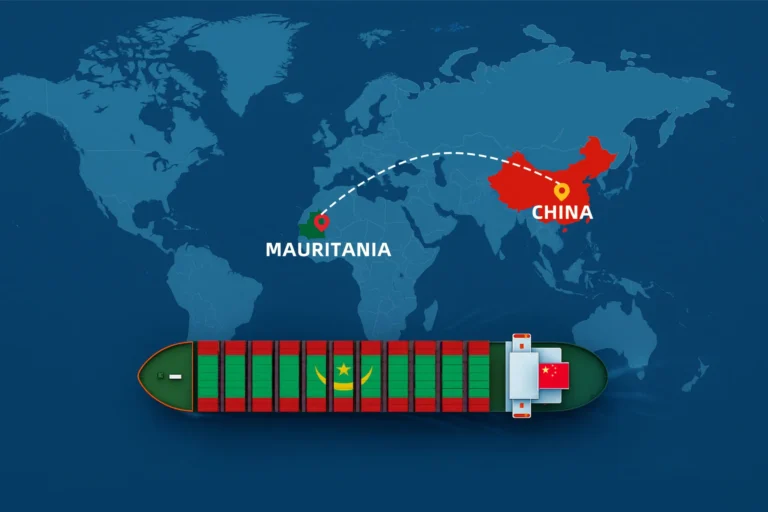
Shipping from China to Mauritania
Shipping from China to Mauritania – Sea, Air & Door-to-Door in 2026 Reliable shipping from China to Mauritania for B2B importers, traders,and pro...
Read guide →

20ft & 40ft Container Shipping Costs from China to Mauritania vary depending on container size, sea freight rates, transit times, port charges, and customs clearance.
This guide explains 20ft & 40ft Container Shipping Costs from China to Mauritania, covering major ports such as Nouakchott and Nouadhibou, and detailing what is included in container shipping quotes, including ocean freight, port handling, import duties, and final delivery.
Container size
Transit time range
FCL / LCL Shipping
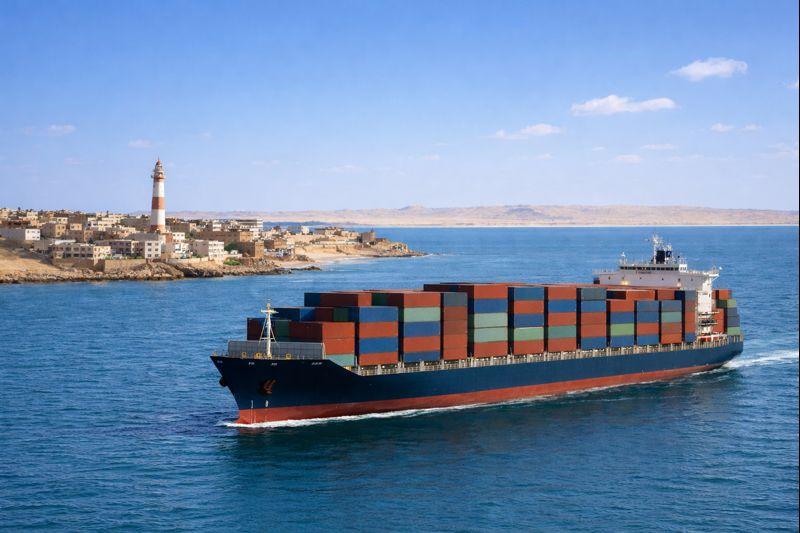
The cost to ship a container from China to Mauritania depends on the container size, cargo volume, loading port, destination port, shipping routes, and the services included in the quote. A 20ft container is often used for heavy or dense cargo, while a 40ft or 40HQ container is more suitable for larger-volume shipments.
| Shipping Option | Estimated Cost Range | Best For | Estimated Transit Time |
|---|---|---|---|
| 20ft Container FCL | USD 1,850–5,200 | Heavy cargo, machinery, dense goods | 28–45 days |
| 40ft Container FCL | USD 2,800–5,600 | Larger commercial shipments | 28–45 days |
| 40HQ Container FCL | USD 3,000–7,800 | Bulky cargo, furniture, light goods | 28–45 days |
| LCL Shipping | Around USD 90–200 per CBM | Small shipments below container load | 35–50 days |
| Air Freight | Around USD 5–10 per kg | Urgent or high-value goods | 5–10 days |
These estimates show the average price for standard shipping containers, but the total shipping cost may also include origin charges, destination charges, documentation, port handling, import duties, and final inland delivery.
A 20ft container from China to Mauritania is suitable for heavy goods, compact cargo, machinery parts, hardware, tiles, metal products, construction materials, and dense cartons. It is often the better option when cargo reaches the weight limit before filling a larger container.
For many shipments, 20ft container rates from China to Mauritania range from USD 1,850 to USD 5,200, depending on the port pair, carrier schedule, and market conditions.
A 20ft container is usually chosen when:
The cargo is heavy and dense
The shipment does not need the full space of a 40ft container
The importer wants better cost control for a medium-size load
The supplier is shipping machinery, parts, raw materials, or industrial goods
Although a 20ft container has less space, it does not always cost half of a 40ft container. Port charges, documentation, customs clearance, and local handling are often charged per container, so the unit cost may be higher if the container is not well utilized.
A 40ft container from China to Mauritania is usually better for larger shipments, especially when the cargo is light, bulky, or packed in cartons. It provides more container space and often gives a lower average price per CBM compared with a 20ft container.
For 2026 planning, the 40ft container shipping cost from China to Mauritania is usually around USD 2,800 to USD 5,600, while a 40HQ container may range from USD 3,000 to USD 7,800, depending on the route and available space.
A 40ft or 40HQ container is suitable for:
Furniture
Home appliances
Textiles and garments
Consumer goods
E-commerce bulk cargo
Plastic products
Large-volume commercial shipments
A 40HQ container offers extra height and is often preferred for bulky but lightweight goods that are properly packaged for international shipments. If your cargo is volume-heavy rather than weight-heavy, a 40HQ container can reduce the average shipping cost per unit.
For sea freight from China to Mauritania, importers usually choose between FCL and LCL. The right option depends on shipment volume, cargo value, handling risk, delivery schedule, and budget. In simple terms, full container load is better for larger cargo, while LCL sea freight works well for smaller shipments that do not need a full container load.
FCL means your goods occupy one dedicated container. It is commonly used for medium and large shipments because the cargo is loaded at origin, sealed, and moved as one unit until arrival. This helps reduce unnecessary handling and gives importers better control over the whole movement.
FCL is often preferred for machinery, furniture, building materials, fragile goods, and high-value cargo. Since the goods are not mixed with other shipments, the process is usually simpler and the risk of cargo damage or delay is lower.
Main advantages of FCL include:
simpler shipping process
lower handling and damage risk
faster release because there is no deconsolidation step
clearer cost control for larger shipments
For importers shipping regularly from China to Mauritania, FCL is usually the more stable option when the cargo volume is enough to fill most of a 20ft, 40ft, or 40HQ container.
LCL is used when the cargo volume is too small for a full container. Your goods are combined with other shipments and moved together in one shared container. This makes it a practical option for samples, trial orders, spare parts, and small commercial shipments.
The main advantage of LCL is flexibility. You only pay for the space your cargo uses, usually based on CBM or weight. However, the process can take longer because the goods need to be consolidated in China and separated again after arrival.
Importers should pay attention to:
destination handling charges
longer processing time
higher delay risk from consolidation and deconsolidation
final costs that may rise after local fees are added
If your shipment is close to filling a 20ft container, it is better to compare both LCL and FCL quotes. Sometimes a full container costs only a little more, but it gives better control, simpler clearance, and fewer handling steps.
The origin port and destination port have a direct impact on ocean freight rates, transit time, port charges, and inland delivery costs. Choosing the right port pair helps reduce the total shipping cost.
Common departure ports for container shipping from China to Mauritania include:
Tianjin
Xiamen
The best loading port is usually the one closest to your supplier’s factory. For example, cargo from Zhejiang or Jiangsu is often shipped through Shanghai or Ningbo, while cargo from Guangdong is usually shipped through Shenzhen or Guangzhou.
Mauritania has two key gateways depending on where your consignee is located:
Nouakchott Port (Port of Friendship)
The primary gateway for most containerized cargo and general imports, serving the capital and main distribution flows. For many importers, Nouakchott is the default destination port.
Nouadhibou Port
Often considered when the consignee is closer to the north, or when a specific carrier routing/schedule fits better. Some shippers also compare Nouadhibou when inland trucking distance can be reduced.
A good freight forwarder handles route comparison and can offer multiple shipping route choices instead of a single rate. Typical patterns are:
South China port → major hub → Nouakchott port
East China port → major hub → Nouakchott port
China → major hub → Nouadhibou
When comparing shipping companies, prioritize:
sailing frequency (weekly vs less frequent)
connection risk at the major hub
realistic total time, not marketing time
This is how you get competitive shipping rates without sacrificing reliability.
The average sea freight transit time from China to Mauritania is usually around 28 to 45 days port-to-port. The final shipping time depends on the carrier, departure port, transshipment hub, vessel schedule, and destination port situation.
Typical transit time examples:
Route | Estimated Transit Time |
|---|---|
Shanghai to Nouakchott | 32–45 days |
Ningbo to Nouakchott | 32–45 days |
Shenzhen to Nouakchott | 30–42 days |
Guangzhou / Nansha to Nouakchott | 30–42 days |
Qingdao to Nouakchott | 35–48 days |
Tianjin to Nouakchott | 35–50 days |
Many China to Mauritania routes require transshipment through a major hub. This means the container may not sail directly from China to Nouakchott. If the connection is delayed, the total transit time may become longer.
For time-sensitive cargo, ask your freight forwarder to provide the full routing, estimated transit times, transshipment port, and latest ETA before confirming the booking.
Container shipping costs from China to Mauritania can vary significantly depending on the shipment details and market conditions. Even on the same route, freight rates may change throughout the year due to demand, carrier capacity, and fuel prices.
The main factors that affect shipping costs include:
Container size – 20ft containers usually cost less than 40ft or 40HQ containers.
Cargo volume and actual weight – Heavy, oversized, or flat rack cargo may increase transportation and handling costs.
Origin and destination ports – Different ports have different local charges, trucking costs, and service availability.
Shipping routes – Direct or faster routes are often more expensive than routes with transshipment.
Fuel surcharges – Changes in fuel prices can directly affect ocean freight rates.
Peak season demand – Freight rates often rise when vessel space and container availability become limited.
Customs clearance and import duties – Taxes, duties, and customs-related fees can increase the total shipping cost.
Final delivery requirements – Door to door shipping and final inland delivery will add to the final cost.
To get the most accurate quote, importers should provide detailed cargo information, including product type, weight, dimensions, origin city, destination, and preferred shipping method. This allows the freight forwarder to calculate the total shipping cost more accurately and recommend the most cost-effective solution.

The total shipping cost from China to Mauritania is usually divided into three main parts: origin costs in China, ocean freight costs, and destination costs in Mauritania. Understanding these charges helps importers estimate the real total shipping cost and avoid unexpected fees after the cargo arrives.
Origin costs are the charges incurred before the container leaves China. These costs vary depending on the supplier location, loading port, and cargo requirements.
Common origin charges include:
Local trucking from the factory to the port
Export customs clearance
Terminal handling charges (THC)
Documentation fees
Bill of Lading or Telex Release fees
Ocean freight is the main transportation cost for moving the container from China to Mauritania. Freight rates can change depending on shipping routes, carrier capacity, container availability, fuel prices, and seasonal demand.
The ocean freight portion may include:
Base ocean freight rate
Bunker Adjustment Factor (BAF)
Peak Season Surcharge (PSS), if applicable
Other carrier surcharges
Rates typically increase during peak seasons when vessel space is limited and demand is high.
Destination costs are charged after the container arrives at the destination port and must usually be paid before cargo release.
Typical destination charges include:
Destination terminal handling charges (DTHC)
Customs clearance fees
Import duties and taxes
Port storage or demurrage charges, if applicable
Inland trucking and final delivery
The final amount depends on the cargo type, customs valuation, delivery location, and how quickly the container is cleared after arrival.
The shipping terms agreed between the buyer and seller determine which party is responsible for each cost.
FOB (Free On Board): The supplier covers origin costs in China, while the buyer pays ocean freight and destination costs.
CIF (Cost, Insurance and Freight): The supplier pays origin costs and ocean freight. The buyer is responsible for destination charges, customs clearance, and import duties.
EXW (Ex Works): The buyer pays all transportation and logistics costs from the supplier’s warehouse to the final destination.
DDP (Delivered Duty Paid): The seller or freight forwarder handles transportation, customs clearance, duties, and final delivery.
Before booking, always confirm which charges are included in the quote. A low ocean freight rate may not represent the lowest total shipping cost if destination charges, customs clearance, or final delivery are excluded.
Customs clearance is an important part of shipping from China to Mauritania. All imported goods must be declared to customs before they can be released from the port or airport. Accurate documentation and correct product classification help avoid delays, inspections, and additional charges.
Most shipments require the following documents for customs clearance:
Commercial Invoice
Packing List
Bill of Lading or Air Waybill
Certificate of Origin, if required
Import Permit, if applicable
The information on these documents should match the actual cargo details, including product description, quantity, value, weight, and packaging.
Import duties in Mauritania are generally based on the product’s HS code and the CIF value, which includes the cargo value, insurance, and freight cost.
Common import charges may include:
Customs duties, typically ranging from 0% to 22% depending on the product category
Statistical import charge of approximately 1%
Value Added Tax (VAT) of 16%
Additional fees for regulated products, if applicable
Because duty rates vary by commodity, importers should verify the correct HS code before shipping.
Mauritania Customs may inspect shipments to verify cargo descriptions, values, and supporting documents. Delays are more likely when documents are incomplete or the declared information does not match the actual goods.
Common causes of delays include:
Incorrect HS codes
Missing documents
Undervaluation of goods
Missing permits or certificates
Customs inspections
Preparing accurate paperwork before arrival can help reduce clearance time and avoid storage or demurrage charges.
Door-to-door shipping is suitable for importers who want a simplified logistics solution. Instead of only arranging port-to-port sea freight, the freight forwarder handles more parts of the shipping process, from pickup in China to final delivery in Mauritania.
A door-to-door shipping service may include:
Supplier pickup in China
Export customs clearance
Ocean freight
Destination port handling
Import customs clearance support
Inland delivery to warehouse or project site
Door delivery costs depend on the final address, trucking distance, unloading conditions, road access, and whether the consignee needs customs support. If you need door-to-door shipping from China to Mauritania, provide the full delivery address and ZIP code if available.
Sea freight and air freight are the two main shipping methods from China to Mauritania. The right choice depends on cargo volume, budget, delivery time, and product value.
Shipping Method | Transit Time | Cost Level | Best For |
|---|---|---|---|
Sea Freight | 35–50 days | Lower | Large shipments, bulk cargo, commercial goods |
Air Freight | 5–10 days | Higher | Urgent cargo, samples, high-value goods |
Sea shipping is the most cost-effective option for shipping goods from China to Mauritania. Importers can choose between FCL and LCL services depending on cargo volume.
Key advantages include:
Lower shipping costs for large shipments
Suitable for heavy and oversized cargo
Multiple container options, including 20ft, 40ft, and 40HQ
Better value for bulk cargo and regular imports
However, sea shipping requires longer transit times and may be affected by port congestion, vessel schedules, and customs clearance delays.
Air freight is the fastest shipping method available. It can reduce transit time from several weeks to just a few days, making it ideal for time-sensitive shipments.
Air freight is commonly used for:
Urgent shipments
Product samples
Electronics and high-value goods
Spare parts and replacement components
Perishable or time-sensitive products
The main drawback is cost. Air freight costs are typically calculated based on actual weight or volumetric weight, whichever is higher, making it much more expensive than sea freight for large-volume cargo.
For most importers shipping from China to Mauritania, sea freight remains the most economical option, while air freight is best reserved for urgent deliveries where speed is more important than transportation cost.
Tonlexing provides reliable logistics services and container shipping service for importers shipping goods from China to Mauritania. We help customers compare container shipping rates, choose suitable routes, prepare documents, and manage the full shipping process from China to arrival in Mauritania.
Our services include:
FCL shipping for 20ft, 40ft, and 40HQ containers
LCL shipping for smaller cargo
Air freight for urgent shipments
Pickup from suppliers in China
Export customs clearance
Ocean freight to Nouakchott and Nouadhibou
Door-to-door delivery solutions
Customs clearance support and document checking
Competitive shipping rates based on updated market conditions
Whether you are shipping machinery, furniture, construction materials, electronics, textiles, spare parts, or general commercial goods, Tonlexing can help you plan a cost-effective and reliable shipping solution from China to Mauritania.
The cost to ship a 20ft container from China to Mauritania usually ranges from USD 1,850 to USD 5,200, depending on the departure port, destination port, carrier, season, and included charges.
A 40ft container from China to Mauritania usually costs around USD 2,800 to USD 5,600, while a 40HQ container may cost around USD 3,000 to USD 7,800. Rates should be confirmed before booking.
Sea freight from China to Mauritania usually takes 28 to 45 days port-to-port. The actual transit time depends on the shipping route, transshipment port, carrier schedule, and destination port situation.
Air freight takes 5 to 10 days from China to Mauritania, depending on flight availability, cargo type, customs clearance, and final delivery arrangements. It is much faster than sea freight and is usually used for urgent shipments, samples, valuable goods, or perishable goods.
Some shipments may be physically inspected by customs in Mauritania. In practice, around 20–30% of shipments may be inspected, depending on cargo type, HS code, declared value, document accuracy, and customs review requirements. Preparing correct documents before arrival can help reduce delay risk.
Importers may need to register in the Central Importers Register before handling formal import procedures. For higher-value imports, a tax registration number may also be required, especially when the declared value exceeds 30 million ouguiya.
Useful freight, customs and importing resources related to this shipping guide.
Shipping from China to Mauritania – Sea, Air & Door-to-Door in 2026 Reliable shipping from China to Mauritania for B2B importers, traders,and pro...
Read guide →
In recent years, shipping from China to Africa has grown rapidly, fueled by expanding international trade and strategic investments across the co...
Read guide →
Growing Trade Between China and Africa The demand for cost-effective international shipping from China to Africa is rapidly increasing. With Afri...
Read guide →
Sea freight is the most cost effective shipping method for large volumes and container load cargo. It is ideal for businesses looking to reduce s...
Read guide →Air freight from China is the best option for time sensitive and high value shipments. It offers fast delivery, reliable transit times, and effic...
Learn more → Useful Resource Customs Clearance Step by StepCustoms Clearance Step by Step: The Complete Process Verified & Reviewed · Last updated February 2026 Customs clearance step by step helps intern...
Learn more →WhatsApp us