Related Guide
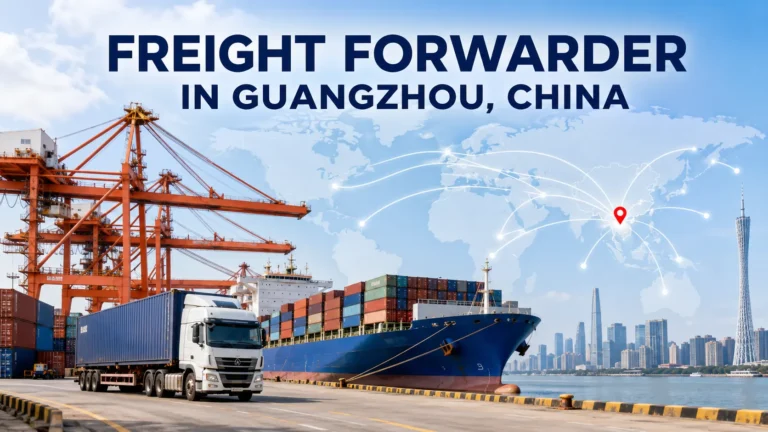
Freight Forwarder in Guangzhou, China
Tonlexing provides freight forwarding services in Guangzhou, China, including sea, air, rail, consolidation, customs clearance and door-to-door l...
Read guide →

Planning to ship purchases from the Canton Fair? A freight forwarder in Guangzhou can coordinate supplier pickups, cargo consolidation, and international shipping.
Compare shipping methods, understand storage and customs requirements, and arrange delivery for purchases from multiple Chinese suppliers.
Supplier Consolidation
Shipping Methods
Customs & Delivery
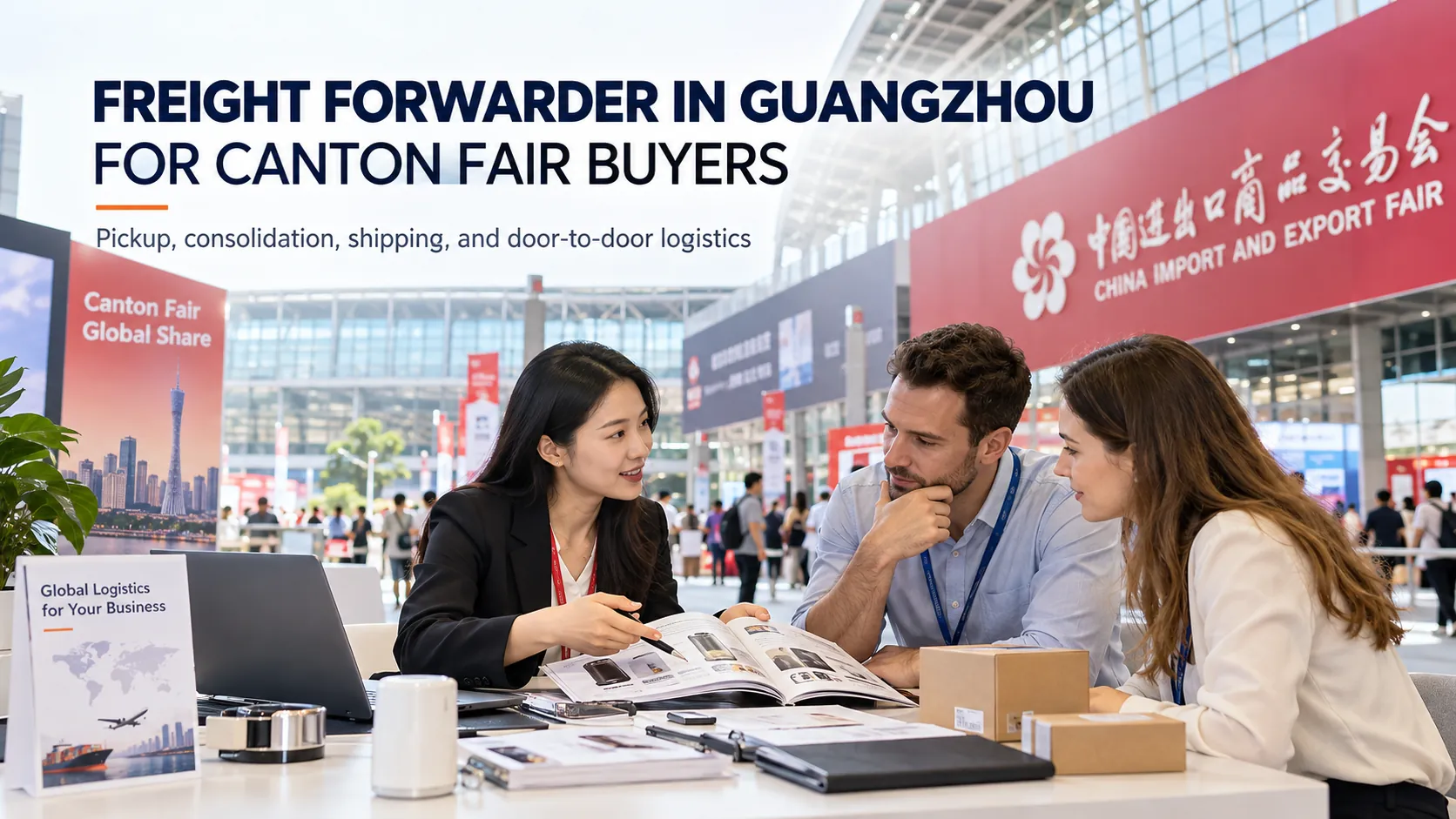
The Canton Fair, also known as the China Import and Export Fair, takes place in Guangzhou twice a year. International buyers can meet suppliers across different industries, compare products, and place orders during a single visit. The challenge often begins after purchasing, when goods need to be collected from different factories and transported overseas.
Managing each shipment separately can increase coordination work and make it harder to control the total logistics cost. A freight forwarder can help organize supplier deliveries, warehouse receiving, and international transportation according to your order schedule.
Common challenges for Canton Fair buyers include:
Different suppliers finishing production on different dates
Pickup locations spread across Guangzhou and other manufacturing cities
Final package dimensions and weights differing from initial estimates
Different customs documentation, import requirements, and delivery arrangements at the destination
Planning your shipping arrangements before the fair ends gives you more time to confirm costs, coordinate suppliers, and avoid unnecessary delays once your purchases are ready.
Freight forwarding services for Canton Fair buyers can cover several stages between supplier collection and final delivery. The actual service scope depends on the cargo, destination, transportation method, and quotation agreed upon before shipment.
For buyers purchasing from multiple exhibitors, the most useful services are usually those that simplify cargo coordination and reduce the need to manage several logistics providers independently.
Typical services may include:
Supplier pickup: Coordinating cargo collection from factories or supplier warehouses.
Warehouse receiving and consolidation: Recording incoming packages, checking visible packaging conditions, and organizing eligible goods from different suppliers.
Export handling and international freight: Coordinating export documentation, customs declaration, and air or sea transportation as applicable.
Destination delivery: Arranging customs clearance and local delivery when these services are included in the agreed shipping plan.
Not every buyer needs all these services. Someone shipping a few samples may only require express delivery, while a distributor purchasing commercial quantities from several factories may benefit more from temporary storage and consolidated sea freight. Confirm the scope and charges of each service before booking.
Cargo consolidation is particularly useful when Canton Fair purchases come from several suppliers. Instead of arranging a separate international shipment for every order, buyers can coordinate eligible goods through a designated warehouse and assess whether they can be shipped together.
The process requires accurate supplier information, clear warehouse instructions, and a final check of the cargo before international transportation.
Start by preparing a list of suppliers and the goods you have purchased. Each supplier should provide the expected ready date and final packaging information so the logistics plan can be based on realistic cargo details.
Collect the following information before arranging pickup:
Supplier name, contact details, and pickup address
Product descriptions and applicable HS codes, where available
Package quantities, dimensions, gross weight, and estimated volume
Expected cargo-ready dates and any special handling requirements
For more details about coordinating purchases from different factories, see our guide to shipping from multiple suppliers in China.
Once the information is ready, arrange for suppliers to deliver the goods to a designated warehouse or coordinate individual pickups where available. Every shipment should carry clear buyer and order references to reduce the risk of mixing up packages.
Before confirming collection, check whether suppliers can deliver on the same schedule and whether separate pickup charges apply. If suppliers are located in different cities, compare the cost of individual collection with supplier-arranged delivery to the warehouse.
After the goods arrive, verify the received package count and record the visible condition of the outer packaging. Confirm the final dimensions and weight before requesting the international freight quotation, because these figures can affect the chargeable weight or shipping volume.
The receiving process should focus on three things:
Confirming that the packages received match the shipping instructions
Recording visible damage, missing packages, or discrepancies
Updating the final dimensions and weight used for freight planning
These checks do not replace product quality inspection. If you need to verify specifications, test products, or inspect workmanship, arrange a separate inspection service before dispatch.
Once all eligible cargo is ready, compare the combined volume, destination, urgency, and product characteristics. A freight forwarder can then assess whether LCL sea freight, FCL sea freight, air freight, or another suitable method fits your requirements.
Consolidation can simplify shipment management and reduce duplicated handling, but it does not automatically guarantee lower costs. Warehouse handling, additional packaging, minimum freight charges, and destination fees must also be included in the comparison.
Suppliers do not always finish production at the same time, so some purchases may be ready weeks before others. Temporary storage can help buyers coordinate these orders without requiring every supplier to deliver on the same day.
Before using a warehouse, confirm how cargo is received, how long it can be stored, and which additional services are available. You can also review our China warehousing and consolidation services for more information about warehouse receiving and cargo-handling arrangements.
Storage arrangements can affect the total shipping cost, especially when suppliers have significantly different ready dates. Ask the warehouse or freight forwarder to confirm the storage terms before the first shipment arrives.
Important details include:
The free storage period, if any, and the charges after it expires
Warehouse receiving hours, package labeling, and delivery instructions
Additional charges for repacking, palletizing, or protective materials
Procedures for reporting missing packages or visible damage
These details help you estimate the cost of holding goods while waiting for the remaining orders.
Cargo receiving and product inspection serve different purposes. Receiving checks confirm what arrived at the warehouse, while quality inspection examines whether the goods meet the buyer’s specifications.
If you are purchasing machinery, electrical products, building materials, or other specification-sensitive goods, consider arranging inspection before shipment. Confirm the inspection scope, checking criteria, reporting format, and additional charges in advance.
The best shipping method depends on the order size, cargo dimensions, delivery deadline, product characteristics, and destination. Buyers should compare the total logistics cost rather than choosing a method based only on the advertised freight rate.
The following table summarizes the main options for Canton Fair purchases.
| Shipping Method | Best For | Main Considerations |
|---|---|---|
| Express Shipping | Documents and small product samples | Convenience, parcel restrictions, and chargeable weight |
| Air Freight | Urgent commercial cargo | Chargeable weight, transit time, and destination |
| LCL Sea Freight | Smaller commercial orders | Cargo volume, minimum charges, and handling fees |
| FCL Sea Freight | Large-volume orders | Container utilization and total container costs |
Express shipping is often suitable for small product samples that need to reach the buyer quickly for testing, evaluation, or approval before a larger order is placed. It can simplify delivery for eligible parcels without requiring a larger freight arrangement.
However, charges depend on destination, package dimensions, chargeable weight, and carrier restrictions. Batteries, liquids, powders, and other regulated products may require special handling or may not be accepted under standard services.
Air freight can be suitable for urgent commercial orders, higher-value products, or shipments that cannot wait for a longer sea transit. Its cost depends on chargeable weight and the service selected, so final package measurements should be confirmed before booking.
If your goods are ready for air transportation, our guide to air freight from Guangzhou Baiyun International Airport (CAN) provides further information about air shipping from Guangzhou.
LCL allows buyers to ship smaller quantities without booking an entire container, making it useful for many consolidated purchases. FCL may be more suitable when the shipment is large enough to use a full container efficiently.
Before deciding, compare the total costs rather than the headline freight rate alone:
LCL handling charges and minimum billing requirements
FCL container costs and container utilization
Origin pickup, warehouse handling, and loading expenses
Destination handling, customs clearance, and final delivery charges
For a broader overview of container shipping options, read our guide to sea freight shipping from China. Buyers considering ocean freight from Guangzhou can also learn more about Guangzhou’s Huangpu and Nansha ports.
Door-to-door shipping can simplify logistics by coordinating transportation from a supplier or warehouse in China to the agreed delivery address. However, the term does not automatically mean that every customs charge, import duty, or local fee is included.
The quotation should clearly state which services are covered and which responsibilities remain with the buyer. This is particularly important when shipping to countries with specific import documentation, tax, or importer registration requirements.
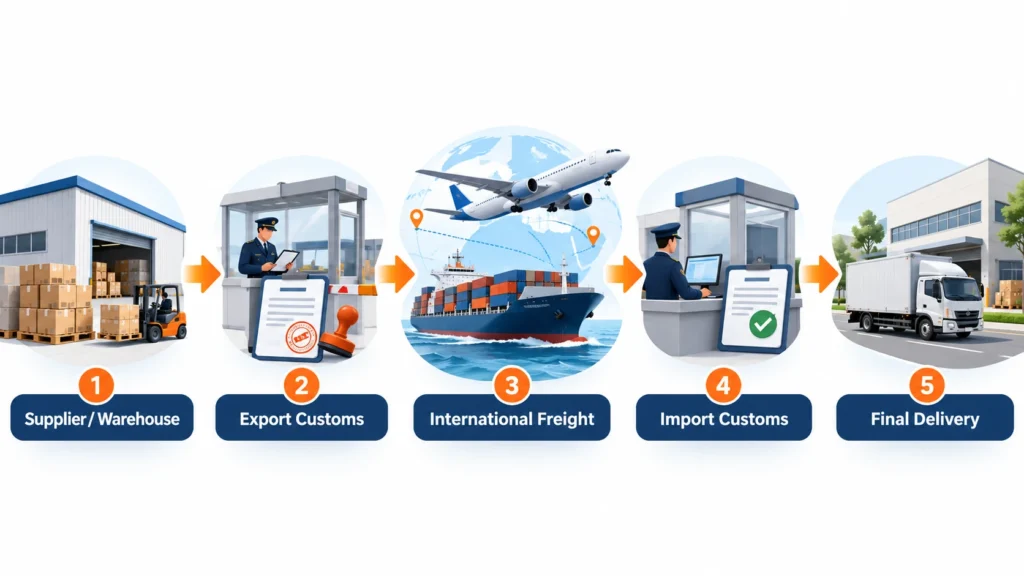
Depending on the agreed service scope, door-to-door shipping may include supplier pickup, export handling, international transportation, destination customs clearance, and local delivery.
Before booking, confirm whether the quotation covers:
Pickup, warehouse handling, and export declaration
Destination customs clearance and local delivery
Import duties, VAT, unloading, and other local charges
The documents and responsibilities required from the importer
Our guide to door-to-door shipping from China provides additional information about the service and responsibilities buyers should confirm.
The agreed Incoterm affects how costs and responsibilities are divided between the buyer and seller. Under DAP, the seller generally arranges delivery to the agreed destination, while the buyer handles import clearance and applicable import duties and taxes. Under DDP, the seller assumes the agreed delivery obligations, including import clearance and duties and taxes as applicable under the contract and relevant regulations.
The practical availability of DDP depends on the destination, product category, importer requirements, and the provider’s ability to arrange a compliant service. Confirm these conditions before accepting a quotation.
For a more detailed comparison of delivery responsibilities and import charges, read our guide to DAP vs. DDP Incoterms. You can also review our step-by-step customs clearance guide before dispatching your goods.
Shipping costs depend on the destination, cargo size, transportation method, product characteristics, and services required. A quotation based only on an estimated carton count may change after the final package dimensions and weight are confirmed.
Understanding the main cost factors helps buyers compare quotations on a consistent basis instead of focusing only on the lowest initial freight rate.
Several factors can change the final amount payable for an international shipment:
Destination: Country, city, delivery address, and local delivery conditions
Cargo specifications: Actual weight, volume, chargeable weight, and package dimensions
Origin services: Supplier pickup, receiving, storage, consolidation, and repacking
Destination expenses: Customs clearance, terminal handling, duties, taxes, and local delivery where applicable
The importance of each factor depends on the selected shipping method and destination.
Request an itemized quotation based on the same cargo details and delivery requirements. Each provider should clarify which services are included, which costs are excluded, how long the quotation remains valid, and what circumstances could result in additional charges.
Before comparing quotations, check that they use the same:
Package quantities, dimensions, and gross weight
Origin and destination addresses
Shipping method and delivery scope
Assumptions about customs clearance, taxes, and additional handling
You can also compare shipping costs from China by destination to understand the factors that influence international freight rates. Published prices should be treated as estimates until your shipment details are confirmed.
Choosing a freight forwarder in Guangzhou is an important step after purchasing from Canton Fair suppliers. The right provider should understand your shipping requirements, coordinate cargo from different factories, and explain the costs and responsibilities before your goods leave China.
If you purchase from several exhibitors, ask how the forwarder manages supplier pickups, warehouse receiving, and cargo consolidation. A clear process helps reduce package mix-ups and makes it easier to coordinate orders that become ready on different dates.
Before booking, confirm whether the provider can arrange:
Pickup or delivery from multiple supplier locations
Warehouse receiving and package quantity checks
Temporary storage and cargo consolidation
International shipping to your destination
Do not choose a provider based on the lowest advertised freight rate alone. Request a detailed quotation based on your cargo dimensions, weight, destination, and required delivery service.
Check whether the quote includes pickup, warehouse handling, export procedures, international freight, customs clearance, and final delivery. Ask about additional storage fees, destination charges, and other costs that may not be included in the initial price.
Clear communication matters when several suppliers are involved. Before confirming your booking, ask how the forwarder records incoming cargo, reports discrepancies, and updates you on shipment progress.
You should also clarify who handles customs documentation, whether cargo insurance is available, and how delays or damaged packages are addressed. These details help you understand the service before committing to a shipment.
After the Canton Fair, buyers may need to coordinate orders from several suppliers, arrange cargo collection, and choose a suitable shipping method. Tonlexing helps international buyers organize shipping from China based on their cargo details, destination, and delivery requirements.
Depending on the shipment and confirmed service scope, support may include:
Supplier pickup and cargo collection: Coordinating goods from different supplier locations where available.
Warehouse receiving and consolidation: Organizing eligible shipments for combined transportation.
International freight arrangements: Evaluating air freight and sea freight options based on cargo volume, urgency, and destination.
Customs and delivery coordination: Clarifying export documentation, destination clearance requirements, and available delivery services.
To help prepare a suitable shipping plan, provide your destination country and city, product descriptions, number of suppliers, package quantities, dimensions, gross weight, and expected cargo-ready dates. Please also mention any special cargo characteristics, such as batteries, liquids, powders, or branded products.
Planning to ship your Canton Fair purchases? Contact Tonlexing with your cargo details to discuss consolidation options and request a shipping quotation based on your requirements.
Contact a freight forwarder before the fair to plan cargo collection, warehouse arrangements, and shipping options. Early preparation helps you coordinate multiple suppliers and avoid last-minute logistics problems.
Yes. A freight forwarder can coordinate eligible goods from multiple suppliers at a designated warehouse and arrange one consolidated shipment, depending on the cargo type and destination requirements.
Provide your destination, product descriptions, package quantities, dimensions, gross weight, and expected cargo-ready date. Mention any special cargo characteristics and whether you need pickup, consolidation, or door-to-door delivery.
Yes, temporary storage may be available while you wait for other suppliers to finish production. Confirm the storage period, fees, warehouse receiving requirements, and any additional handling charges in advance.
Not always. Confirm whether the quotation includes import customs clearance, duties, VAT, and final delivery. The exact responsibilities depend on the agreed shipping terms and destination requirements.
Useful freight, customs and importing resources related to this shipping guide.
Tonlexing provides freight forwarding services in Guangzhou, China, including sea, air, rail, consolidation, customs clearance and door-to-door l...
Read guide →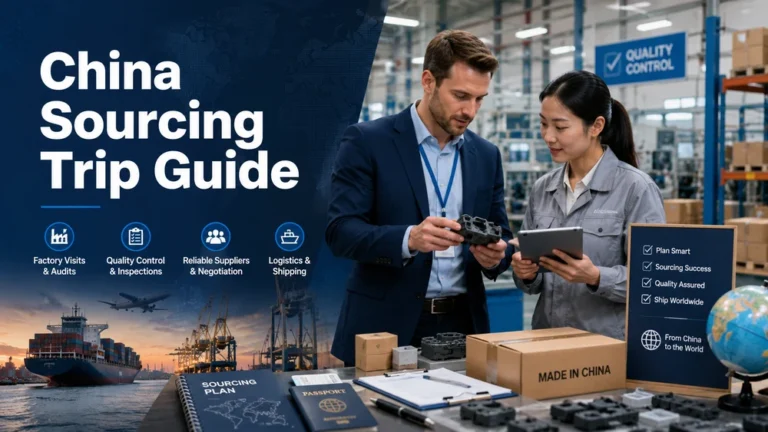
China Sourcing Trip Guide Verified & Reviewed · Last updated June 2026 China Sourcing Trip Guide for importers: A sourcing trip to China can be o...
Read guide →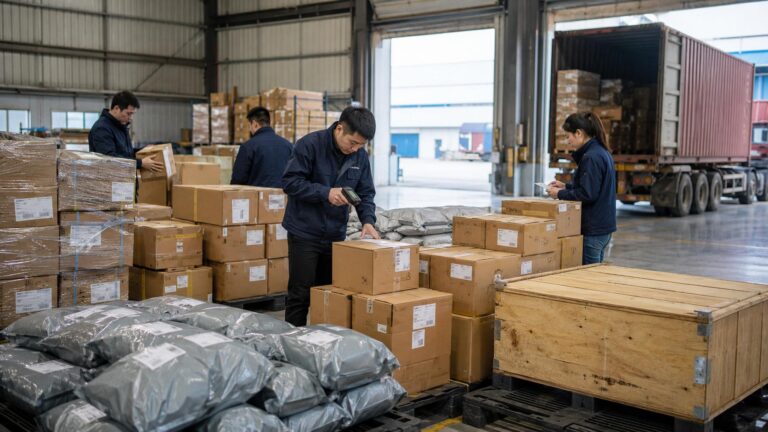
Shipping from Multiple Suppliers in China Verified & Reviewed · Last updated May 2026 Shipping from multiple suppliers in China can be difficult...
Read guide →
Warehouse Consolidation in China — Faster, Smarter Global Shipping A consolidation warehouse combines cargo from multiple suppliers into one ship...
Read guide →Guangzhou Wholesale Markets Guide for International Buyers Verified & Reviewed · Last updated July 2026 Explore the best Guangzhou wholesale mark...
Learn more → Useful Resource Pre-Shipment Inspection in China for ImportersPre-Shipment Inspection in China for Importers Verified & Reviewed · Last updated July 2026 A pre-shipment inspection helps importers identify de...
Learn more →WhatsApp us