Related Guide
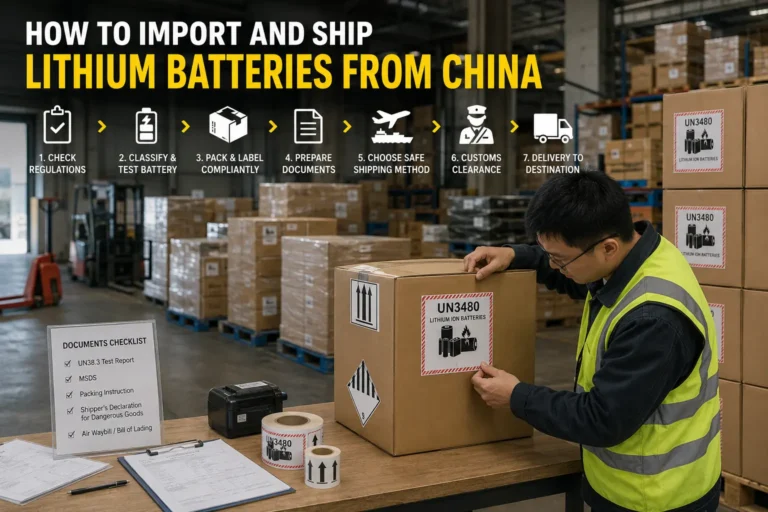
How to Import and Ship Lithium Batteries from China
Importing and shipping lithium batteries from China requires more preparation than moving ordinary cargo. Lithium batteries are regulated as dang...
Read guide →

Electric motorcycle shipping from China requires the right freight method, complete battery documents, safe packaging, customs clearance, and final delivery planning.
This guide explains how to ship electric motorcycles from China, covering sea freight, air freight, DDP door-to-door delivery, lithium battery requirements, supplier checks, shipping costs, and road-use compliance for importers, dealers, and personal buyers.
Electric Motorcycle Freight
Battery Shipping Documents
DDP / Door to Door
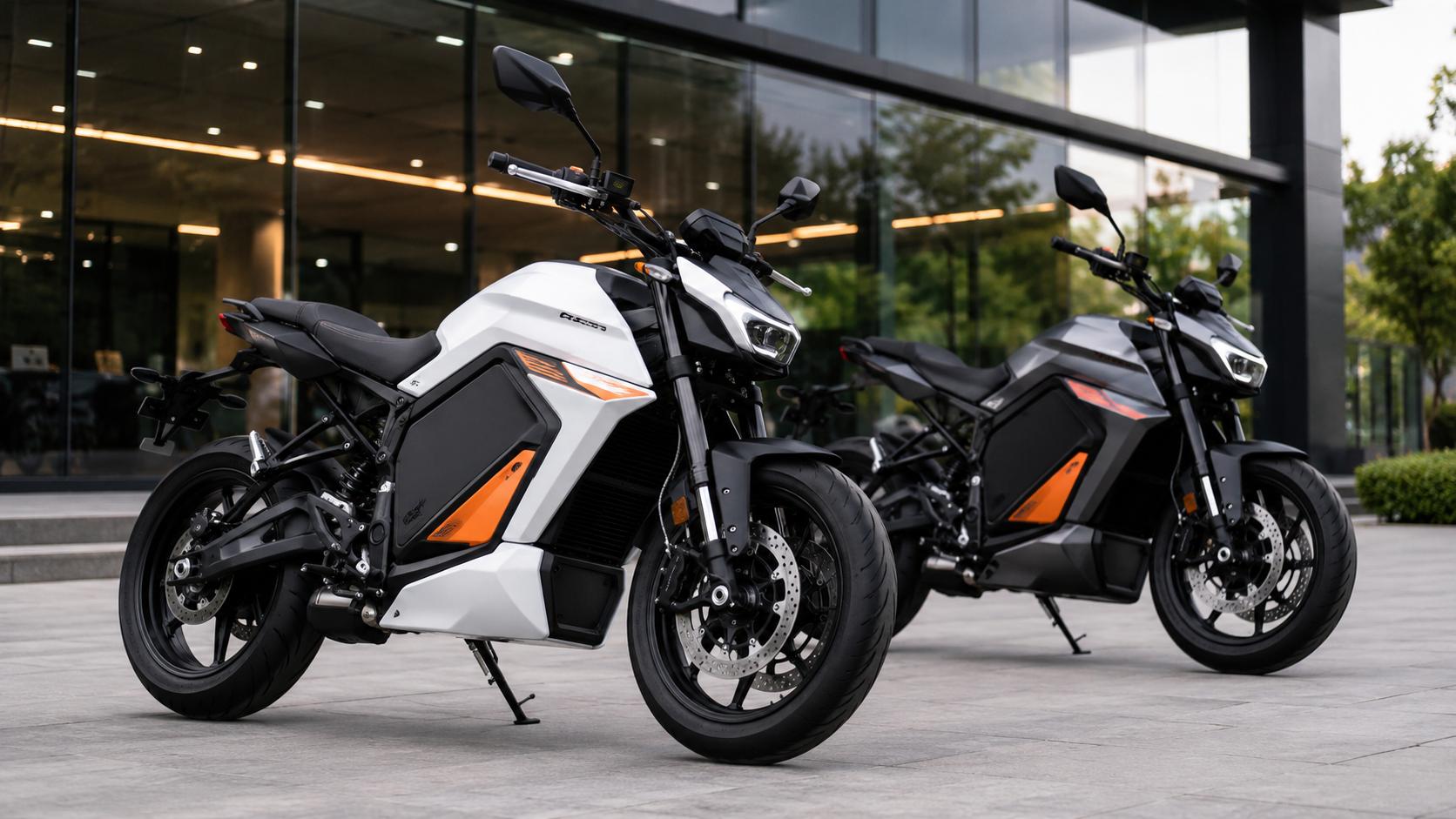
China leads the world in electric two-wheeler production and technology. Leading brands include NIU, Yadea, Sur-Ron, Horwin, SUNRA, TAILG, and Luyuan, known for their advanced technology and reliable performance.
High-Performance Electric Motorcycles: These models are equipped with powerful electric motors, long-range batteries, and advanced suspension systems for both street and off-road use.
Electric Delivery Motorcycles: Standard and utility e-motorcycles are designed for urban logistics, offering cargo capacity, energy efficiency, and environmental sustainability.
Market Reach: Chinese manufacturers export to over 60 countries, influencing global e-mobility trends and international standards.
Selecting the right manufacturer is crucial for importers, as it impacts vehicle quality, battery safety, and compliance with destination country regulations.
Shipping electric motorcycles involves multi-stage logistics, often combining sea, air, and rail transport depending on the destination, urgency, and volume. The primary options include:
Sea freight is the most common method for electric motorcycle shipping from China. It is suitable for single units, dealer shipments, and bulk orders. Since electric motorcycles have large frames, wheels, batteries, and protective packaging, sea freight usually offers better cost control than air freight.
For small orders, LCL shipping can be used when the cargo does not fill a full container. For larger shipments, FCL shipping is usually more stable because the motorcycles are loaded in a dedicated container with better control over packing and handling.
LCL: suitable for samples or small orders
FCL: suitable for bulk orders, dealers, and distributors
Air freight is mainly used for urgent samples or high-value models. It is much faster than sea freight, but the cost is higher.
Because electric motorcycles are equipped with lithium batteries, air freight requires documents such as MSDS, UN38.3, and battery specifications. Not every airline accepts high-capacity battery cargo, so availability should be confirmed in advance.
Rail freight can be used for selected routes from China to Europe or Central Asia. It is faster than sea freight and cheaper than air freight, making it a middle option for some buyers.
However, route availability, customs rules, and battery transport policies must be checked before booking.
DDP shipping is useful for buyers who want a simpler process. The freight forwarder can handle export clearance, international shipping, import customs clearance, duties, taxes, and final delivery.
This method is suitable for new importers and small dealers, but buyers should confirm whether duties, VAT, battery handling, and final delivery are included in the quote.
Electric motorcycles contain lithium-ion batteries classified as Class 9 Dangerous Goods, which imposes strict transport regulations.
UN38.3 Certification: Confirms battery safety during air or sea transport.
Material Safety Data Sheet (MSDS): Required by carriers to verify chemical safety and packaging protocols.
Special Packaging: Vehicles must be secured in wooden or steel crates to prevent damage to the frame and electronics.
Compliance Standards: International certifications like CE, E-MARK, IEC62133, RoHS, and TUV/UL ensure legal sales and transport across multiple regions.
Failure to comply with battery transport regulations can result in shipment delays, fines, or rejection by carriers.
Importing electric motorcycles requires knowledge of the destination country’s road and safety standards.
Vehicles must meet Department of Transportation (DOT) safety and Environmental Protection Agency (EPA) emissions standards.
Highway-capable motorcycles require an EPA Certificate of Conformity.
Essential documents: Bill of Lading, Commercial Invoice, Battery Certifications, and CBP Entry Summary (Form 7501).
Hiring a customs broker is recommended for managing the import process.
Requires Certificate of Conformity (CoC) and CE/EEC approvals for public road operation.
Tariffs and customs duties vary depending on country-specific regulations.
Each country has unique import rules, including homologation requirements, local taxes, and licensing for road use.
Proper packaging prevents structural damage and ensures regulatory compliance.
Frame secured in an internal steel cage.
Front wheel and handlebars detached, then wrapped in heavy cardboard.
Suitable for small shipments or single units.
Motorcycle disassembled into components to save container space.
Reduces customs duties and is ideal for bulk orders.
Freight forwarders with experience in lithium-ion battery transport are essential to manage complex logistics, including customs documentation, labeling, and insurance.

Choosing the right supplier affects quality, reliability, and total import costs.
Manufacturer Credibility: Verify business licenses, quality certifications, and past export experience.
OEM & Customization: Evaluate whether the supplier offers product customization, spare parts availability, and after-sales support.
Sample Orders: Always test a sample motorcycle before placing bulk orders.
Wholesale Pricing: Compare suppliers to ensure competitive pricing for bulk orders.
Importing electric motorcycles includes multiple cost components:
Freight Costs:
Sea freight: $1,000–$2,000 per unit for standard container shipping.
Air freight: Higher rates but faster delivery.
Import Duties & Tariffs:
Section 301 tariffs may apply, especially for the U.S., reaching up to 45% in addition to base duty.
Standard HTS code for electric motorcycles: 8711.60.0090 (0% base duty before additional tariffs).
Insurance: Protects against loss or damage during transport.
Customs Declaration Agent Fees & Port Charges: Vary by destination and service provider.
Inland Transportation: Delivery from the port to warehouse or end customer.
Shipping terms (Incoterms) like EXW, FOB, CIF, and DDP significantly affect total costs, as they dictate responsibility for shipping and insurance.
Electric motorcycles differ widely in design, purpose, and performance. Understanding their key specifications is essential for importers and businesses:
Range: Most models provide 40–100 miles per full charge, depending on battery size and efficiency. Extended-range models are ideal for delivery routes or longer commutes.
Top Speed: Delivery scooters typically reach 30–60 mph. High-performance motorcycles for street or off-road use can exceed 80 mph.
Motor Power: Varies by model and determines acceleration, hill-climbing ability, and cargo handling.
Cargo Capacity: Utility and delivery-focused motorcycles are designed for heavy payloads, suitable for urban logistics or rugged environments.
Safety Features: Includes quality brakes, suspension, tires, and lighting, ensuring compliance with international road safety standards.
Selecting the appropriate model requires balancing speed, range, and cargo needs for intended operations.
Reliable after-sales support is essential for long-term operation:
Spare Parts Availability: Batteries, brake pads, motors, and other components should be readily accessible.
Warranty Coverage: Check the manufacturer’s warranty terms and duration for defects and battery performance.
Supplier Support: Top suppliers provide user manuals, maintenance instructions, and guidance for repairs or replacement parts.
Ensuring adequate support reduces downtime and protects your investment.
Shipping electric motorcycles involves several carefully coordinated steps:
Select Incoterms: Agree on delivery terms with your supplier, such as FOB, CIF, or DDP.
Hire a Freight Forwarder: Engage a professional experienced in Class 9 Dangerous Goods and lithium-ion battery transport.
Export Customs Clearance: The manufacturer prepares export declarations at the Chinese port.
Transit: Choose between ocean, rail, or air freight depending on cost, speed, and volume.
Import & Customs Entry: Submit required documentation to local authorities, including battery certifications and commercial invoices.
Final Delivery: Containers are unloaded and motorcycles delivered to warehouses or final destinations.
Following this workflow helps prevent delays, compliance issues, and damage during transit.
Importing multiple motorcycles requires additional planning:
Assess Production Capacity: Confirm that the supplier can handle large-scale shipments within the required timeframe.
Consolidate Shipments: Optimize container space to reduce per-unit shipping costs.
Logistics Planning: Request a detailed plan covering packaging, transport schedules, and customs compliance for all units.
Bulk orders benefit from careful coordination to reduce costs and minimize operational risk.
Electric motorcycle shipping from China requires careful handling because the cargo includes lithium batteries, motors, frames, wheels, brakes, and other valuable components. Working with an experienced freight forwarder can make the process easier and safer.
Tonlexing can help importers arrange sea freight, air freight, rail freight, and door-to-door shipping for electric motorcycles. Our team can coordinate with your supplier in China, check basic shipping documents, arrange export customs clearance, and help plan delivery to your destination country.
For electric motorcycle shipments, Tonlexing can support:
Battery document checking, such as MSDS and UN38.3
LCL and FCL sea freight from China
Air freight for urgent samples
DDP door-to-door delivery when available
Export customs clearance in China
Final delivery to warehouse, dealer, or buyer address
Whether you are shipping one electric motorcycle, electric delivery motorcycles, or bulk orders for dealers, Tonlexing can help you choose a suitable shipping method based on your cargo size, battery details, budget, and delivery time.
Yes. A single unit can be imported from China, but you should confirm the local import rules before purchasing. Ask the supplier for battery documents, product specifications, packing details, and any certificates required for registration or normal use.
Sea freight is usually the most practical option because motorcycles are heavy and need strong packaging. Air freight is only suitable for urgent samples. For new buyers, DDP delivery can be easier because customs clearance and final delivery may be handled together.
Choose a supplier with export experience, stable factory production, clear warranty terms, and complete documents. Good electric motorcycle manufacturers should provide quality control records, battery details, spare parts support, and packing photos before shipment.
Yes. Many factories in China produce commuter models, electric delivery motorcycles, electric off road motorcycles, and high performance models for dealers and distributors. Before placing an order, compare prices, motor power, range, brakes, tires, suspension, and spare parts availability.
The final price depends on the model, packing size, gross weight, shipping method, destination, customs duties, and final delivery address. Orders from large scale production factories may have better unit prices, but buyers should still check product quality, documents, and after-sales support.
Useful freight, customs and importing resources related to this shipping guide.
Importing and shipping lithium batteries from China requires more preparation than moving ordinary cargo. Lithium batteries are regulated as dang...
Read guide →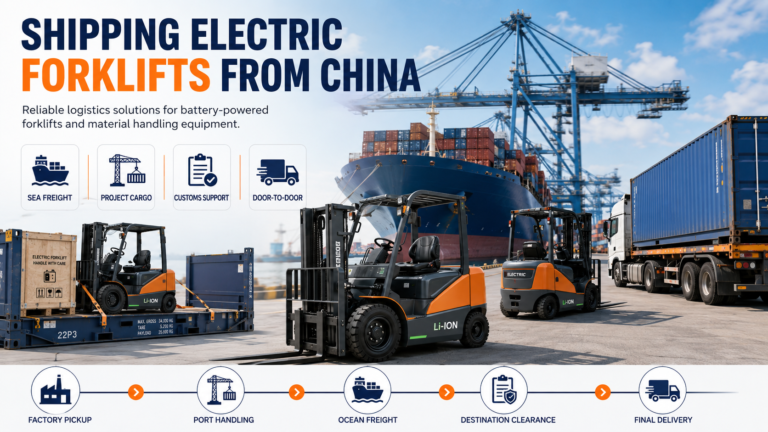
Shipping Electric Forklifts from China Verified & Reviewed · Last updated July 2026 Shipping electric forklifts from China requires careful plann...
Read guide →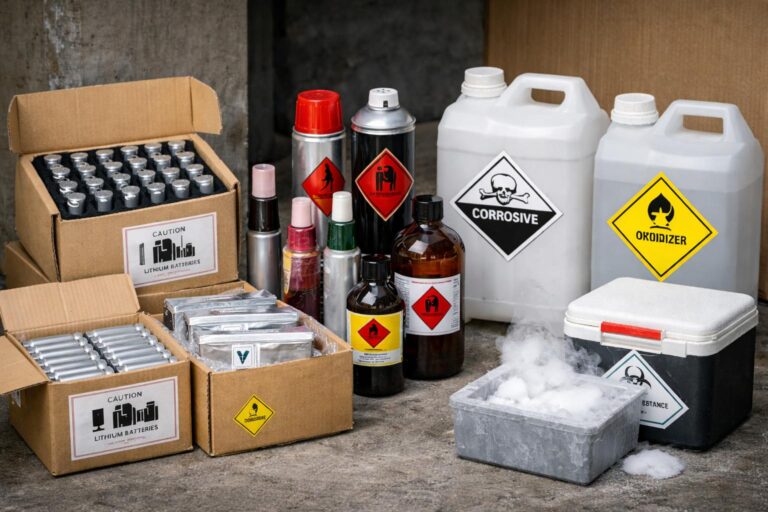
Shipping Dangerous Goods From China Verified & Reviewed · Last updated February 2026 Shipping dangerous goods from China requires strict complian...
Read guide →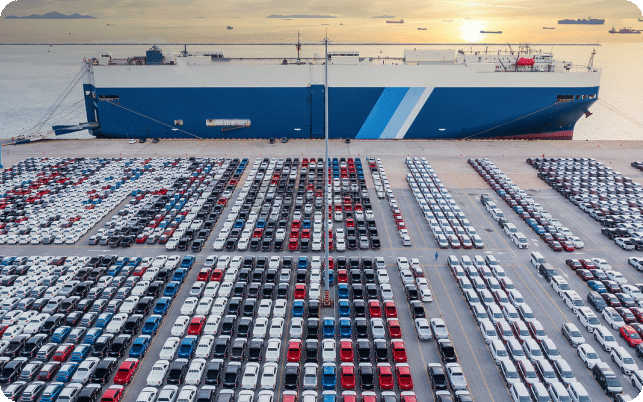
China is now a global leader in vehicle manufacturing and exports, becoming the largest automobile exporter in 2023 with over 5.22 million vehicl...
Read guide →Auto Parts Shipping from China: Complete Import Guide Verified & Reviewed · Last updated May 2026 Shipping auto parts from China depends on cargo...
Learn more → Useful Resource Guide to Importing and Shipping Bicycles from ChinaChina is the world’s largest producer of bicycles, offering a wide range of models, from standard commuter bikes to high-performance racing and m...
Learn more →WhatsApp us