Related Guide
How to Import Machinery from China
How to Import Machinery from China Verified & Reviewed · Last updated August 2026 Importing machinery from China requires careful supplier verifi...
Read guide →

Importing elevators and escalators from China requires careful planning, with costs depending on equipment type, specifications, shipping method, and destination requirements.
Learn how to import elevators and escalators from China, including supplier selection, shipping options, customs clearance, HS codes, import costs, and project logistics solutions.
Elevator Import Costs
Customs Clearance
Heavy Equipment Logistics
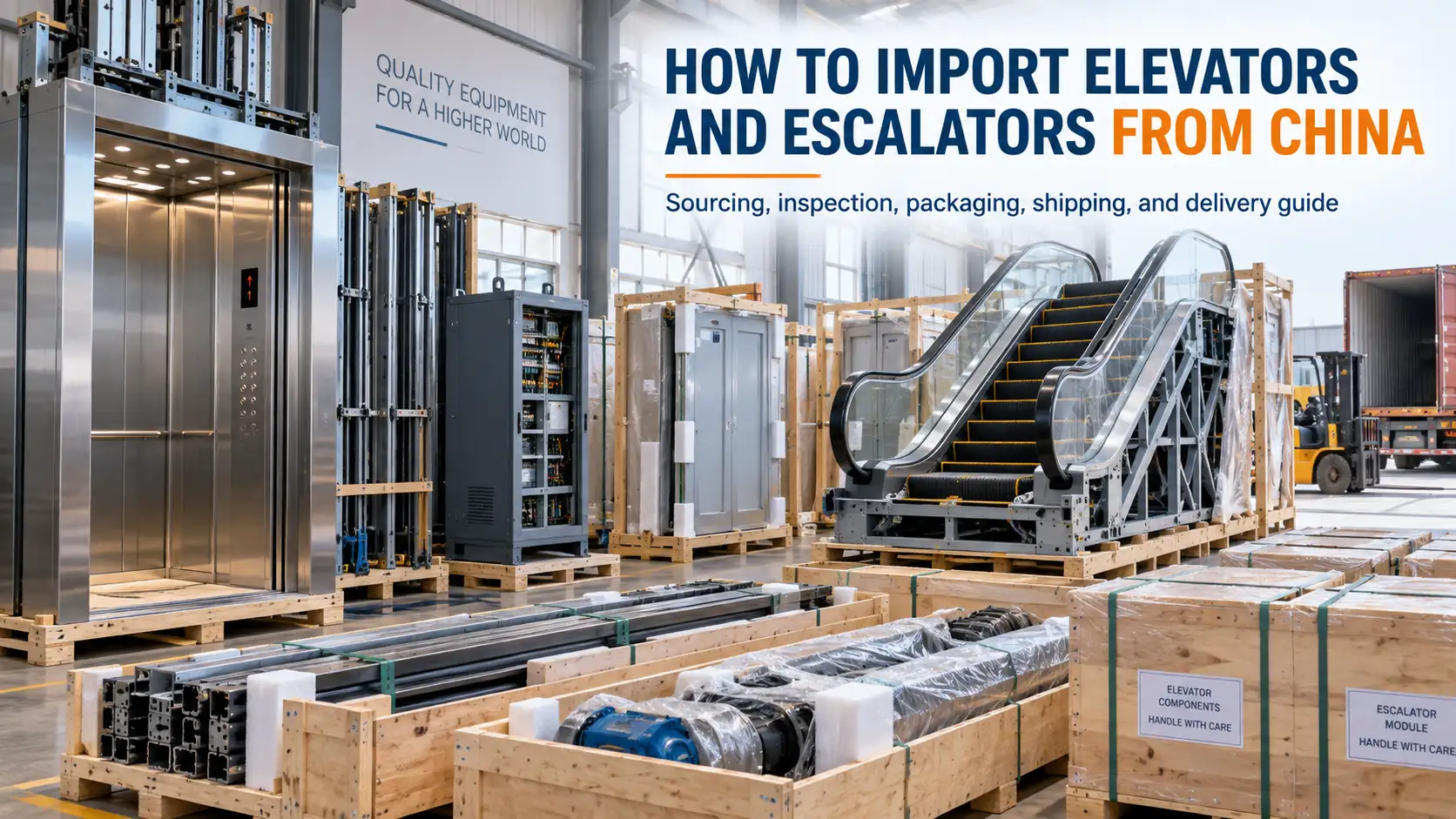
China has developed a complete elevator manufacturing supply chain, covering complete systems as well as individual components such as motors, controllers, cabins, guide rails, cables, and safety devices.
For international buyers, importing from China can provide several advantages:
Wide selection of manufacturers and OEM suppliers
Flexible customization options for different projects
Complete production capabilities for elevator components
Competitive manufacturing costs
Experience exporting equipment to international markets
Many Chinese manufacturers supply equipment for different applications, including commercial buildings, warehouses, factories, shopping centers, airports, and marine projects.
However, buyers should not select suppliers only based on price. Elevator systems are safety-related equipment, and technical capability, documentation, quality control, and after-sales support are equally important.
Before placing an order, importers should confirm whether the supplier can provide complete technical information and meet the requirements of the destination market.
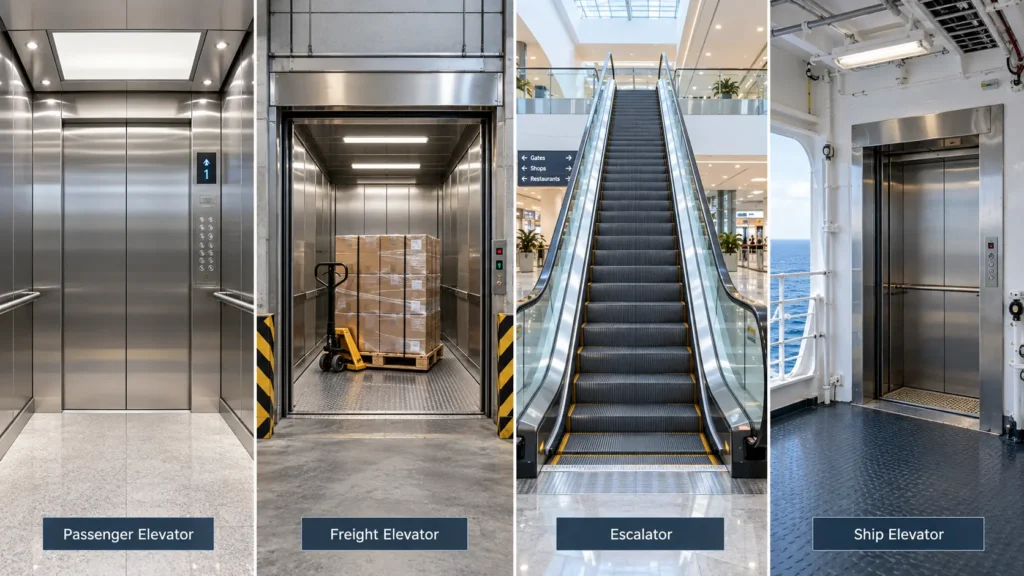
Chinese manufacturers produce various types of elevator and escalator systems for different industries and applications.
| Equipment Type | Common Applications |
|---|---|
| Passenger Elevators | Hotels, offices, residential and commercial buildings |
| Freight Elevators | Warehouses, factories, production facilities |
| Escalators | Shopping malls, airports, stations, public facilities |
| Ship Elevators | Marine vessels and offshore projects |
Passenger elevators are commonly used in commercial and residential buildings. They usually include elevator cabins, traction systems, controllers, motors, and safety components.
Freight elevators are designed for transporting heavy goods in warehouses, factories, and industrial facilities. They often require stronger structures and higher load capacity.
Escalators are commonly installed in high-traffic areas such as shopping malls, airports, and transportation hubs. Due to their large structures, international shipping requires careful planning.
Ship elevators and marine lifting systems require additional consideration because they operate in challenging environments involving vibration, humidity, and corrosion risks.
For marine projects, buyers should confirm technical specifications, environmental requirements, and approval standards before production.
Choosing the right supplier is one of the most important steps when importing elevators and escalators from China.
A reliable manufacturer should have experience producing export-quality equipment, providing complete technical information, maintaining quality control, and supporting international projects.
Before cooperation, buyers should evaluate the following factors:
Review the supplier’s production capability, factory facilities, engineering team, and previous export experience.
Manufacturers with experience in international projects are usually more familiar with export requirements, packaging standards, and overseas customer needs.
Ask the supplier to provide:
Product specifications
Technical drawings
Installation manuals
Component information
Testing documents
Complete documentation helps avoid problems during installation, transportation, and customs clearance.
A professional manufacturer should have a clear quality control process covering production, testing, and final inspection.
Check how the supplier manages key components such as:
Electric motors
Control systems
Controllers
Safety devices
Guide rails
Suppliers familiar with international shipments usually understand export documentation, packing requirements, and coordination with logistics providers.
This experience can help reduce delays during shipping and customs procedures.
Because elevators and escalators require professional installation, confirm whether the supplier can provide technical guidance, manuals, spare parts support, or installation assistance.
Selecting a supplier based only on the lowest quotation may create additional risks during transportation, installation, and long-term operation.
Elevators and escalators are safety-related equipment, so importers should confirm compliance requirements before shipment.
Different countries and regions may have different regulations regarding elevator installation, operation, and inspection.
Before production, buyers should verify:
Local elevator safety regulations
Required certificates or approvals
Electrical specifications
Installation requirements
Inspection procedures
Some markets may require documentation such as CE-related compliance documents, ISO quality certifications, or other local approvals depending on the equipment type and destination country.
It is important to communicate these requirements with the supplier before manufacturing begins. Making changes after production or shipment can increase costs and cause delays.
Proper documentation is essential when importing elevators and escalators from China. Since elevator systems contain multiple components and require technical verification, importers need complete commercial, shipping, and compliance documents to support customs clearance and installation.
These documents are required for international transportation and customs procedures:
Commercial Invoice
Provides transaction details, product description, quantity, supplier information, and cargo value.
Packing List
Shows package details, dimensions, weight, and the breakdown of elevator components.
Bill of Lading
Confirms international shipping information, including the shipper, consignee, vessel, and destination port.
Elevator systems require technical information for inspection, installation, and local approval when applicable.
Common documents include:
Product Specifications
Provides equipment details, technical parameters, and system configuration.
Technical Drawings and Installation Manuals
Helps engineers prepare installation and commissioning procedures.
Certificates and Compliance Documents
Supports safety requirements and regulations in the destination market.
Because elevators and escalators consist of multiple parts, shipping documents should clearly describe major components, including:
Elevator cabins
Electric motors
Control systems
Controllers
Guide rails
Cables
Safety components
Before shipment, buyers should confirm that product descriptions, quantities, and specifications are consistent across invoices, packing lists, and technical documents.
Accurate documentation helps reduce customs clearance delays and avoids problems during transportation and installation.
Due to their size and weight, elevators and escalators are usually transported by ocean freight. Compared with air freight, sea transportation is more suitable for large industrial equipment because of lower cost and higher cargo capacity. The shipping method depends on equipment dimensions, weight, and project requirements.
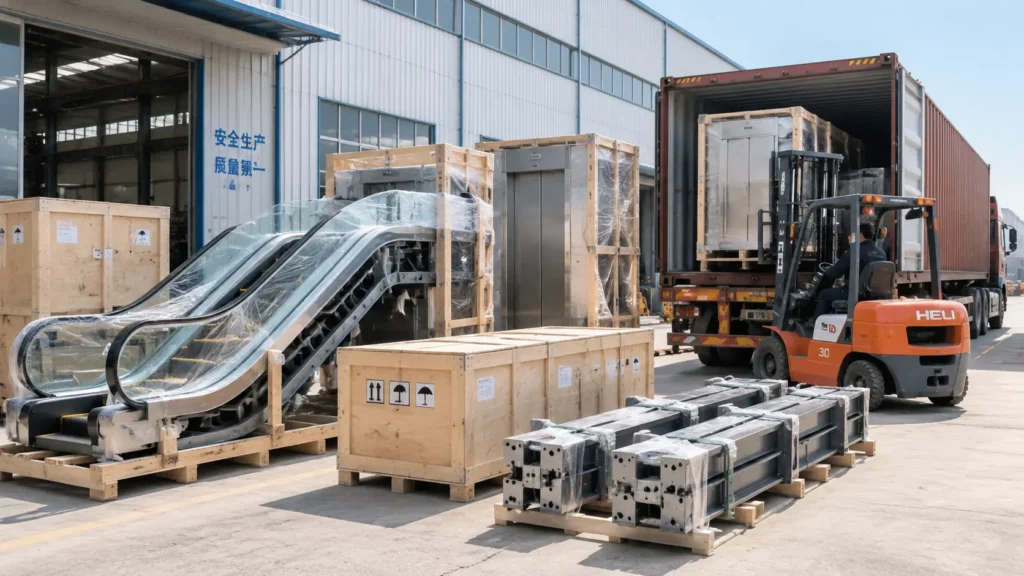
Standard containers may be suitable for smaller components, including:
Motors
Controllers
Electrical systems
Packaged parts
For oversized components such as long guide rails or large structures, special container solutions may be required.
These options provide more flexibility for cargo that cannot fit inside standard containers.
Large elevator systems or complete escalator projects may require project cargo solutions, including special handling, lifting equipment, and detailed transportation planning.
When arranging shipment, importers should provide accurate cargo information:
Number of packages
Dimensions
Gross weight
Loading location
Destination port
Professional freight forwarders can help evaluate the best transportation method and coordinate export procedures.
Successfully importing elevators and escalators from China requires accurate customs classification and complete shipping documentation. Incorrect HS code selection or incomplete paperwork may result in customs inspections, clearance delays, or additional costs.
Because elevator systems consist of multiple components, the classification may depend on whether you import a complete system or individual parts.
Elevators and escalators are generally classified under HS Heading 8428, which covers lifting, handling, loading, or unloading machinery.
Common classifications may include:
| Equipment | Common HS Classification |
|---|---|
| Passenger or freight elevators | HS 8428.10 |
| Escalators and moving walkways | HS 8428.40 |
| Elevator parts and components | HS 8431.31 |
| Escalator parts and components | HS 8431.39 |
However, the final HS code depends on the exact equipment configuration, destination country regulations, and whether components are shipped separately.
For example, individual components such as:
Electric motors
Traction machines
Control panels
Electrical systems
Safety devices
may require different classifications depending on their function and technical specifications.
Before shipment, importers should:
Confirm HS classification with a customs broker or local authority
Prepare accurate commercial documents
Provide complete technical information
Verify import requirements in the destination country
Ensure the supplier provides consistent product descriptions across all documents
For large elevator and escalator projects, working with an experienced freight forwarder can simplify export documentation, international transportation coordination, and customs clearance procedures.
The cost of importing elevators and escalators from China depends on the equipment type, technical specifications, customization requirements, shipping method, and destination country.
Unlike standard products, elevators and escalators are usually project-based equipment. The total import cost includes not only the manufacturer’s price but also export preparation, transportation, customs clearance, and destination handling expenses.
As a general reference, elevator and escalator systems from China may range from tens of thousands of US dollars to over USD 100,000 for large or customized projects. The final cost depends on the equipment configuration, capacity, materials, control systems, and project requirements.
The following price ranges are general references for equipment costs from Chinese manufacturers:
| Equipment Type | Estimated Equipment Cost |
|---|---|
| Passenger Elevator | Around USD 15,000–50,000+ |
| Freight Elevator | Around USD 20,000–80,000+ |
| Escalator System | Around USD 30,000–100,000+ |
| Customized Marine Elevator | Usually requires project-based quotation |
Besides the equipment price, buyers should also consider additional costs during the import process. These expenses can affect the final landed cost of elevators and escalators.
Common additional costs include:
Export packing: Wooden crates, moisture protection, and cargo preparation
Inland transportation: Trucking from the factory to the export port in China
Ocean freight: Shipping costs based on cargo size, weight, and destination
Customs clearance: Duties, taxes, broker fees, and inspection charges
Special handling: Flat rack, open top containers, or heavy cargo handling for oversized components
Destination delivery: Local transportation, unloading, and installation support
Large elevator and escalator projects may require additional services such as certification, technical inspection, or spare parts preparation.
The final import cost depends on the equipment specifications, shipping method, destination country, and project requirements.
Many import problems happen because buyers focus only on equipment price and overlook logistics, documentation, or compliance requirements.
Common mistakes include:
Choosing suppliers only by price
The cheapest supplier may not provide sufficient documentation, quality control, or technical support. Buyers should also check manufacturing experience and export capability.
Ignoring local regulations
Equipment that does not meet destination country requirements may face delays, certification issues, or additional modification costs.
Providing incorrect cargo information
Wrong dimensions, weight, or component details can affect container selection, shipping costs, transportation planning, and customs clearance.
Poor packaging planning
Large components such as guide rails, motors, and elevator cabins require proper protection during long-distance transportation.
Not planning installation support
Elevator installation requires technical knowledge. Buyers should confirm technical support and installation arrangements before shipment.
Importing elevators and escalators requires coordination between manufacturers, transportation providers, customs authorities, and destination delivery teams.
Tonlexing provides international logistics solutions for industrial equipment shipments, including:
Ocean freight arrangements
Heavy machinery transportation
Export documentation support
Customs coordination
Door-to-door delivery solutions
With proper planning and professional logistics support, businesses can import elevator and escalator systems from China more efficiently and reduce transportation risks.
Yes. Many businesses import elevators and escalators from China for commercial, industrial, and construction projects. Buyers should verify supplier capability, technical requirements, and destination regulations before ordering.
Escalators are usually shipped by ocean freight because of their size and weight. Depending on dimensions, standard containers, flat racks, open top containers, or project cargo solutions may be used.
Common documents include commercial invoices, packing lists, bills of lading, technical documents, and compliance-related certificates when required.
Certification requirements depend on the destination country and local regulations. Buyers should confirm requirements before production.
Ocean freight is generally the most practical option for large elevator systems because it can handle heavy and oversized cargo at a reasonable transportation cost.
Useful freight, customs and importing resources related to this shipping guide.
How to Import Machinery from China Verified & Reviewed · Last updated August 2026 Importing machinery from China requires careful supplier verifi...
Read guide →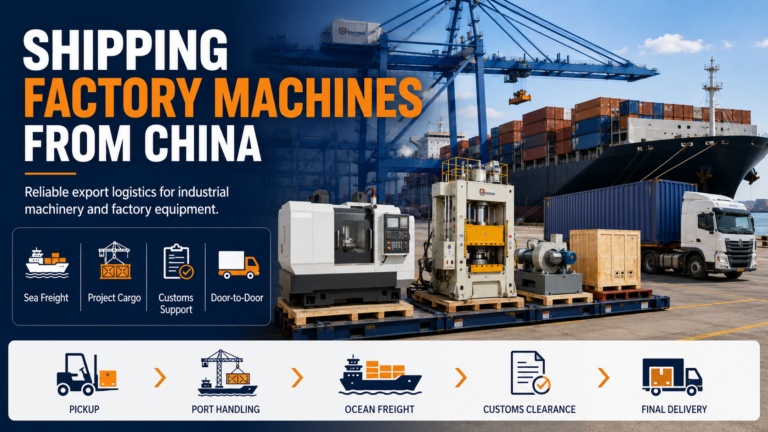
Shipping Factory Machines from China Verified & Reviewed · Last updated July 2026 Shipping factory machines from China requires careful planning...
Read guide →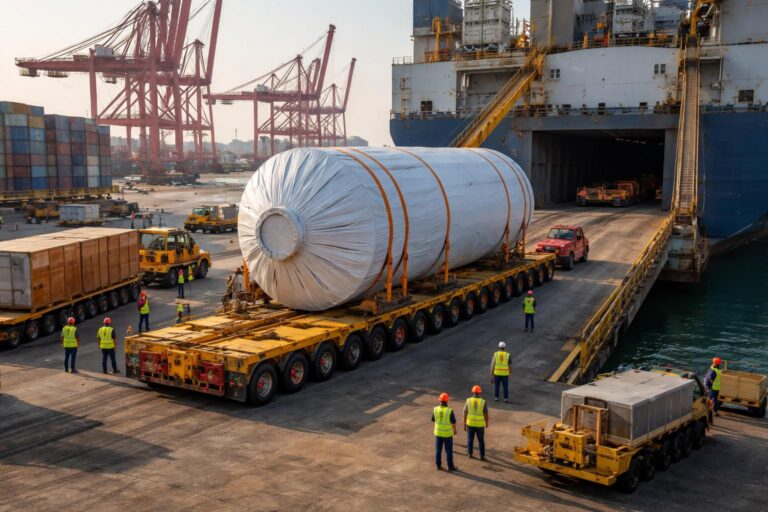
Shipping Oversized Cargo from China Verified & Reviewed · Last updated February 2026 Shipping oversized cargo from China depends on cargo dimensi...
Read guide →
Sea freight is the most cost effective shipping method for large volumes and container load cargo. It is ideal for businesses looking to reduce s...
Read guide →What is FCL Shipping? Verified & Reviewed · Last updated June 2026 FCL shipping, short for Full Container Load shipping, is an international frei...
Learn more → Useful Resource Documents Required to Import from China (2025 Guide)Importing goods from China can be highly profitable—but only when you understand the necessary documents and import requirements. Whether you’re...
Learn more →WhatsApp us