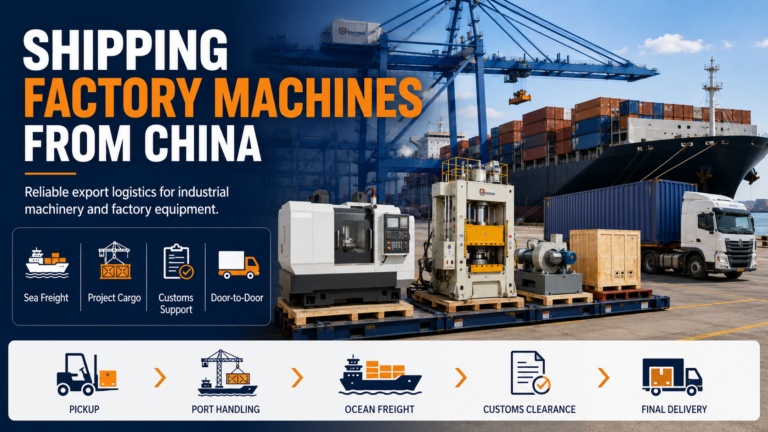
Related Guide
Shipping Factory Machines from China
Shipping Factory Machines from China Verified & Reviewed · Last updated July 2026 Shipping factory machines from China requires careful planning...
Read guide →

Importing machinery from China requires careful supplier verification, accurate specifications, proper inspection, and reliable shipping arrangements.
This comprehensive guide explains how to import machinery from China, covering supplier verification, technical requirements, inspection, shipping options, customs clearance, and import costs.
Supplier Verification
Shipping Methods
Customs & Import Duties
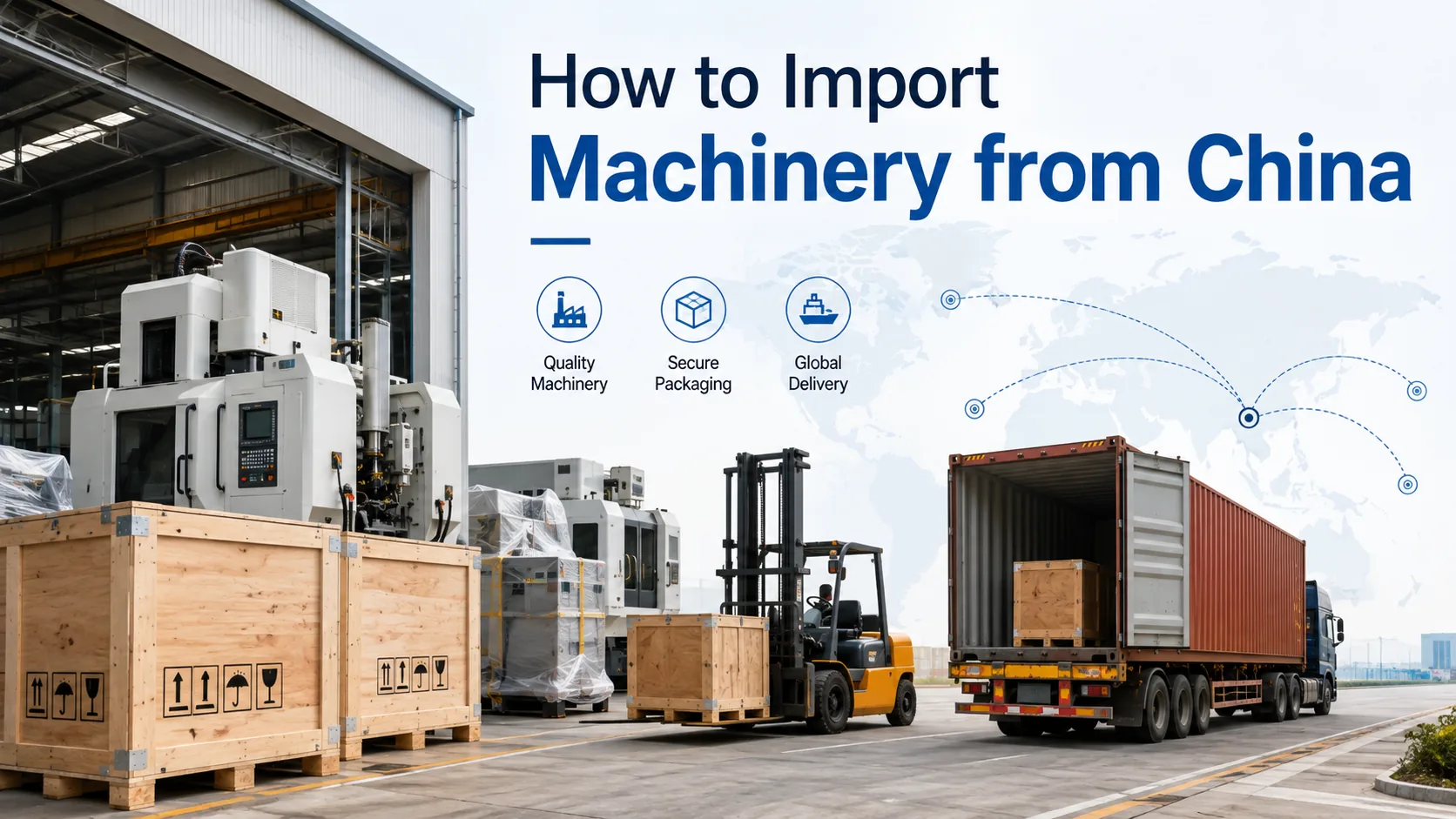
The basic import process is straightforward, but each stage needs to be completed in the right order. Technical and customs requirements should be checked before production, while final shipping decisions should wait until the factory confirms the packed dimensions and weight.
STAGE 01
Plan & Source
STAGE 02
Confirm & Inspect
STAGE 03
Ship & Deliver
additional engineering, testing, and adjustment may be required before shipment, so purchasing and logistics should be planned together.
Before asking suppliers for a final machine price, define what the equipment needs to do. Product names and model numbers are often not enough because machines with similar descriptions may use different motors, electrical systems, components, or control systems.
The exact specifications depend on the type of machinery, but buyers should normally confirm production capacity, dimensions, electrical configuration, accessories, and operating requirements before placing an order.
Important details can include:
Required production capacity
Voltage, frequency, and phase
Machine dimensions and weight
Motor and power requirements
Control system and operating language
Tooling, molds, or accessories
Safety guards and emergency controls
Recommended spare parts
Operating and maintenance manuals
Installation requirements
For customized machines, drawings, samples, tolerances, and production requirements should be included where relevant.
Any specification that affects how the machine will operate should also appear in the purchase agreement. Do not leave critical technical requirements only in emails or chat messages.
The machine must also meet the requirements of the country where it will be imported and used.
Depending on the equipment and destination, buyers may need to check electrical standards, machinery safety requirements, product certificates, import licenses, permits, labeling, or other conformity requirements.
Used machines may also face stricter import controls in some countries.
These requirements are not the same for every machine or destination. Confirm them before production rather than discovering a compliance problem after the equipment reaches customs.
Machinery suppliers can be found through Alibaba, Made-in-China, trade shows, industry directories, sourcing companies, and manufacturer websites. Finding a company that can provide a quotation is usually easy. The more important question is whether the supplier actually has the production capacity and technical experience to manufacture the machine you need.
Online platforms are useful for comparing products and creating an initial supplier list. Trade shows such as the Canton Fair and specialized industrial exhibitions can also help buyers meet manufacturers directly.
However, a professional product page does not prove that a supplier owns a factory.
Ask potential suppliers about their factory location, export experience, engineering team, machines currently in production, quality control procedures, and after-sales support.
Buying directly from a manufacturer can make technical communication, customization, and machine testing easier. A trading company may be useful when purchasing several types of equipment from different factories or when additional sourcing coordination is needed.
| Supplier Type | Best For | What to Check |
|---|---|---|
| Manufacturer | Custom machinery and stronger technical control | Actual production capability |
| Trading Company | Multiple products and purchasing coordination | Factory relationship and technical support |
The right choice depends on the equipment. What matters most is whether the supplier can control product quality, technical specifications, production schedules, and after-sales support.
For valuable or customized equipment, supplier verification should go beyond reviewing an online profile.
Buyers can check the business license, registered company information, factory address, export history, production equipment, and quality control procedures.
A factory audit may also help confirm:
Whether the company actually manufactures the machinery
Production capacity
Engineering and technical resources
Testing equipment
Quality management procedures
Video calls can be useful during the early stage. Ask the supplier to show the workshop, machines under assembly, testing process, and finished equipment instead of relying only on promotional videos.
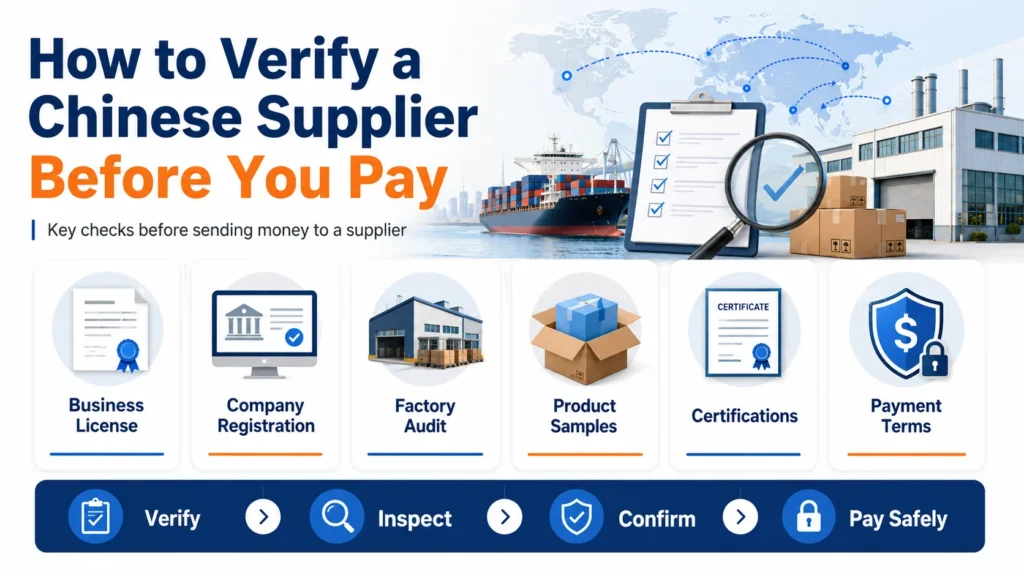
After selecting potential machinery suppliers, compare their quotations carefully instead of choosing the lowest machine price.
Different suppliers may include different components, accessories, packing methods, warranty terms, or technical support in their offers. A lower quotation does not always mean a lower total import cost.
Before placing an order, confirm:
Machine model and technical specifications
Included accessories and spare parts
Production lead time
Warranty and after-sales support
Export packing requirements
Incoterms and shipping responsibilities
Payment terms
The contract should clearly describe the agreed machine specifications, delivery schedule, testing requirements, and any special requirements. Important technical details should not only remain in emails or conversations.
Machinery orders often require an initial deposit before production, with the remaining balance paid after agreed milestones. The exact payment structure depends on the supplier, machine value, and customization level.
For high-value equipment, buyers should consider linking payments to clear progress points, such as production completion, machine testing, or pre-shipment inspection.
Avoid paying the full amount before confirming that the machinery meets the agreed specifications.
Before shipment, confirm which spare parts, manuals, and technical documents are included.
For industrial machinery, reliable after-sales support can be as important as the initial purchase price. Having essential spare parts available and understanding the supplier’s warranty process can reduce downtime after installation.
Before the machinery leaves China, buyers should confirm that the equipment matches the agreed specifications and is ready for international transport.
Unlike ordinary products, machinery problems are often difficult and expensive to fix after arrival. A pre-shipment inspection allows potential issues to be identified while the equipment is still at the factory.
The inspection process depends on the type and complexity of the machinery. For standard equipment, buyers may check the model, appearance, main components, accessories, and basic operation.
For customized or high-value machinery, testing should confirm that the equipment performs according to the agreed requirements.
Important inspection points may include:
Machine model and specifications
Main components and accessories
Electrical configuration
Control system operation
Safety features
Production performance
Spare parts and manuals
Final machine condition before packing
For complex equipment, a Factory Acceptance Test (FAT) or third-party inspection can provide additional verification before shipment.
After inspection, the machinery should be properly prepared for international shipping. The packing method depends on the machine size, weight, sensitivity, and transport requirements.
Before booking freight, confirm the final:
Packed dimensions
Gross weight
Number of packages
Loading requirements
Proper export packing, including wooden cases, reinforced skids, moisture protection, or anti-rust measures where needed, can help reduce damage risks during transportation.
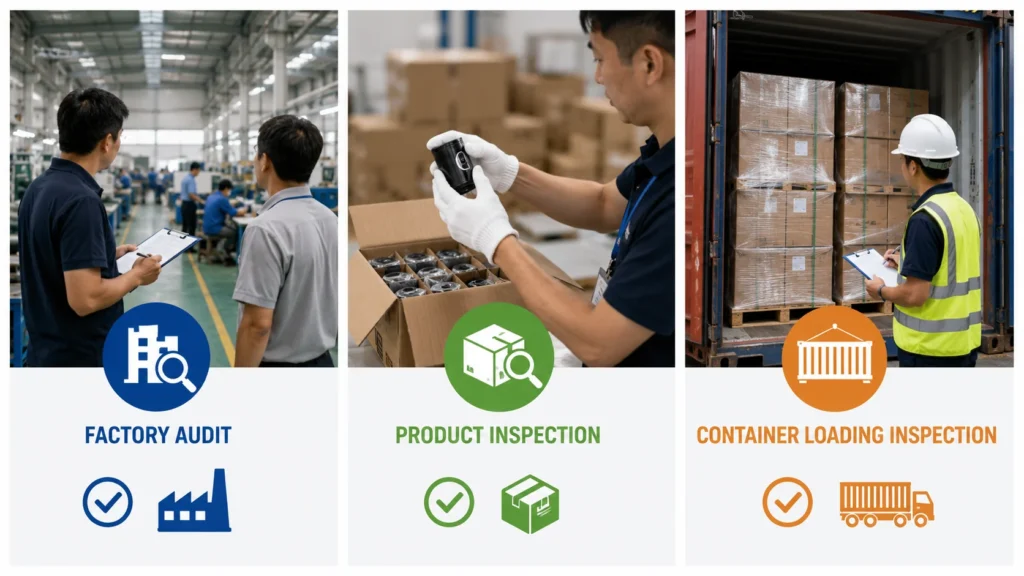
The right shipping method depends mainly on the machinery’s size, weight, value, urgency, and final destination. Unlike standard cargo, machinery often requires special consideration because of its heavy weight, large dimensions, or need for secure loading.
Before selecting a transport solution, confirm the final packed dimensions, gross weight, number of packages, and loading requirements.
| Shipping Method | Best For | Main Considerations |
|---|---|---|
| LCL Sea Freight | Smaller machinery | More handling during consolidation |
| FCL Sea Freight | Machinery that fits standard containers | Better control over loading and securing |
| Open Top Container | Tall machinery | Suitable for over-height cargo |
| Flat Rack Container | Oversized or heavy machinery | Designed for out-of-gauge equipment |
| RoRo Shipping | Wheeled or self-propelled machinery | Depends on available routes |
| Air Freight | Urgent machinery or spare parts | Faster but more expensive |
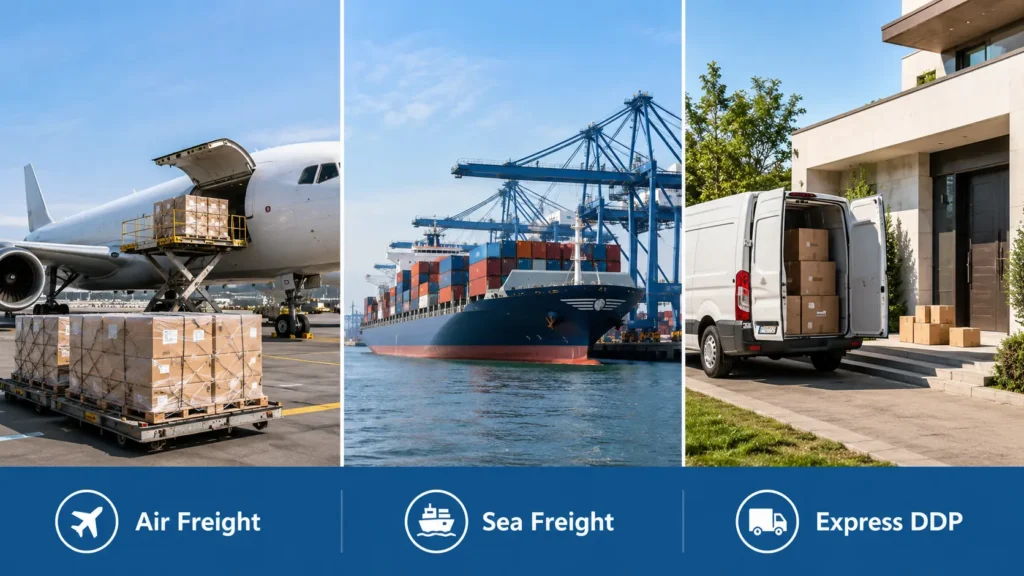
Sea freight is the most common option for importing machinery from China because many industrial machines are too large or heavy for economical air transport.
For machinery that fits inside standard containers, FCL shipping is often preferred because the cargo has more control during loading and transportation. LCL can be suitable for smaller machines but may involve additional handling during consolidation.
Oversized equipment may require special solutions such as Flat Rack or Open Top containers. The freight provider will normally need the machine dimensions, weight, photos, and loading details to determine the suitable equipment.
Air freight is generally used for smaller, urgent, or high-value machinery, as well as replacement parts and electronic components.
Although it provides faster delivery, the cost can increase significantly for heavy or large equipment due to chargeable weight limits.
For complex machinery shipments, working with an experienced freight forwarder can help select the appropriate transport method, arrange export handling, and coordinate the loading requirements before shipment.
Customs clearance is an important step when importing machinery from China. Before shipment, buyers should confirm the correct HS Code, prepare the required documents, and understand the applicable import duties and taxes.
The HS Code is used by customs authorities to classify machinery and calculate applicable duties and taxes.
The correct classification depends on factors such as:
Machine function and intended use
Technical specifications
Complete machinery or parts
Using an incorrect HS Code may result in incorrect duty calculation or customs delays. For complex machinery, it is recommended to confirm the classification with a customs broker before shipment.
There is no fixed duty rate for all machinery imported from China. The final cost depends on the HS Code, customs value, and destination country.
Common import costs may include:
| Cost | Description |
|---|---|
| Import Duty | Usually calculated based on the HS Code |
| VAT / GST | Applied according to local tax regulations |
| Customs Clearance Fees | Charged by customs brokers or agents |
| Port and Handling Charges | Depends on the destination |
Common documents for machinery imports include:
Commercial Invoice
Packing List
Bill of Lading or Air Waybill
Certificate of Origin where required
Import Permit or License where applicable
Technical documents where required
Working with a local customs broker can help confirm clearance requirements and reduce delays after the machinery arrives.
The cost of importing machinery from China is not limited to the supplier’s factory price. The real import cost includes preparation, transportation, customs charges, and final delivery expenses.
A complete estimate should consider the total landed cost:
Total Landed Cost = Machine Price + Export Preparation + Freight + Import Duties & Taxes + Customs Clearance + Final Delivery
The main costs involved in importing machinery include:
1. Machine Price
The equipment price depends on the machine type, specifications, production capacity, automation level, and customization requirements.
2. Export Preparation Costs
Before shipment, buyers may need to consider:
Factory testing and inspection: around USD 200–800+
Export packing and protection: around USD 100–1,000+
Local pickup and export handling: depends on factory location and cargo size
3. International Freight
Shipping costs depend mainly on the packed dimensions, weight, destination, and transport method.
Typical references:
LCL sea freight: suitable for smaller machinery, usually charged by volume
FCL sea freight: commonly around USD 2,000–6,000+ depending on route and container type
Flat Rack / Open Top shipping: higher cost for oversized machinery
Air freight: mainly used for small, urgent, or high-value equipment and spare parts
4. Import Duties and Local Charges
Import costs may include:
Import duties based on HS Code
VAT/GST where applicable
Customs clearance fees
Port handling charges
Local delivery and unloading costs
The final amount depends on the destination country and customs regulations.
The total time to import machinery from China includes more than ocean transit.
A typical timeline may include:
| Stage | Estimated Time |
|---|---|
| Supplier confirmation and contract | 3–10 days |
| Production and preparation | 2–12 weeks |
| Testing and inspection | 3–10 days |
| Export packing and booking | 3–7 days |
| Sea freight | 15–45 days |
| Customs clearance and final delivery | 3–10 days |
Ready-made machinery may be shipped faster, while customized industrial equipment usually requires additional production and testing time.
Importers can reduce unexpected costs by:
Confirming final machine specifications before production
Getting accurate packed dimensions and weight before booking freight
Completing HS Code and customs checks early
Arranging inspection before shipment
Preparing required documents in advance
Good planning helps avoid additional charges such as storage, delays, rebooking, or special handling fees.
Most serious machinery import problems start before the cargo reaches the port. Buyers can reduce risk by treating purchasing, inspection, logistics, and customs as one connected process.
Common mistakes include:
Choosing a supplier only because of the lowest machine price
Failing to verify the actual factory and production capacity
Using vague technical specifications
Paying the full balance before machine testing
Skipping pre-shipment inspection
Forgetting critical spare parts and after-sales support
Booking freight using unpacked dimensions
Checking customs requirements only after shipment
A cheaper machine can quickly become expensive if poor packing, missing components, rework, customs delays, or unsuitable shipping equipment are added later.
Start by defining the machine specifications, finding and verifying suitable suppliers, confirming the contract and payment terms, inspecting the equipment, preparing suitable packing, arranging international freight, and completing customs clearance at destination.
Not always. Import license requirements depend on the destination country, machine type, HS Code, intended use, and whether the equipment is new or used.
There is no universal machinery import duty. The applicable rate depends mainly on the HS Code and destination-country tariff rules. Additional tariffs and local taxes may also apply.
The shipping cost depends on the final packed dimensions, gross weight, origin, destination, shipping method, and whether standard or special container equipment is required.
Used machinery can be imported into many countries, but some destinations apply additional requirements relating to machine age, condition, safety, environmental standards, inspection, or customs valuation. Check the local rules before purchasing.
Useful freight, customs and importing resources related to this shipping guide.
Shipping Factory Machines from China Verified & Reviewed · Last updated July 2026 Shipping factory machines from China requires careful planning...
Read guide →
Shipping Injection Molding Machines from China Verified & Reviewed · Last updated July 2026 Shipping injection molding machines from China requir...
Read guide →
Shipping Agricultural Machinery from China Verified & Reviewed · Last updated July 2026 Shipping agricultural machinery from China requires caref...
Read guide →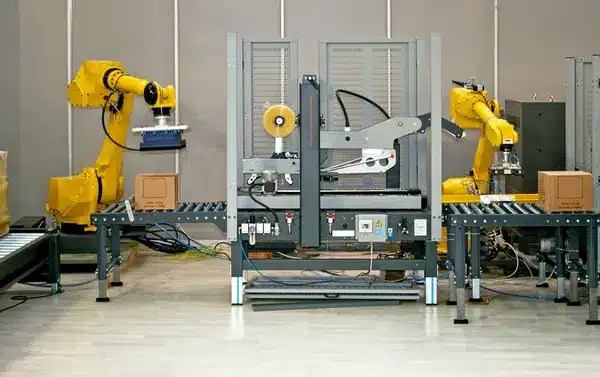
Packaging machines are vital for various industries, including food, beverages, pharmaceuticals, and consumer goods. As one of the world’s leadin...
Read guide →Shipping Oversized Cargo from China Verified & Reviewed · Last updated February 2026 Shipping oversized cargo from China depends on cargo dimensi...
Learn more → Useful Resource How to Verify a Chinese Supplier Before You PayHow to Verify a Chinese Supplier Before You Pay Verified & Reviewed · Last updated July 2026 Before you pay a Chinese supplier, do not rely only...
Learn more →WhatsApp us