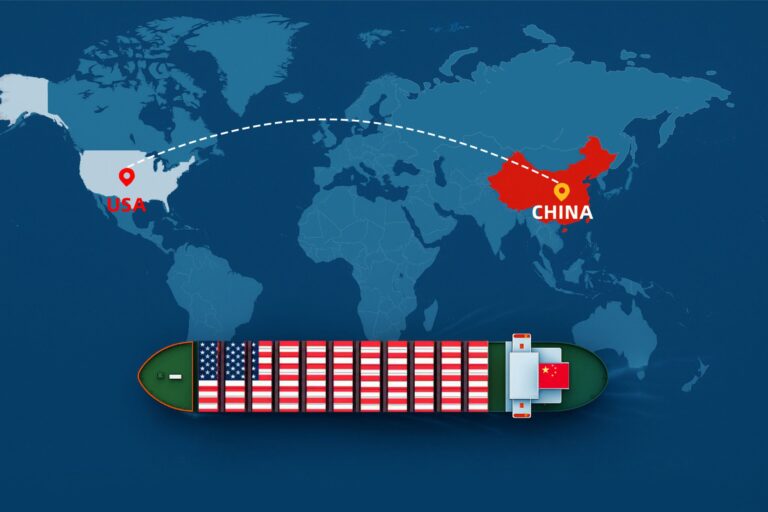
Related Guide
Shipping from China to the USA
Shipping from China to the USA includes air freight, sea freight, and DDP shipping options. Compare shipping costs, transit times, and US customs...
Read guide →

Businesses and individuals can import products from China to the USA without a general import license for most commercial goods. However, all shipments must still follow U.S. customs requirements and product regulations.
This guide explains how to ship from China to the USA without an import license, including required documents, customs procedures, shipping options and important import requirements.
Import Requirements
Shipping Options
Customs Clearance
Usually, no. CBP states that it does not require importers to have a general license or permit. However, other government agencies may impose licensing, permit, registration or certification requirements based on the type of goods being imported.
For most U.S. imports, the important question is therefore whether the specific product is regulated rather than whether the importer holds one universal license.
Ordinary commercial products may enter without product-specific authorization, provided that the shipment complies with customs and other applicable requirements. Certain goods such as food, medical devices, plants, agricultural products, chemicals and other controlled products can require additional review.
Even where no general license is needed, an importer may still have to provide:
Importer identification
Accurate customs declaration information
Commercial invoice and packing list
Correct HS and HTS classification
Applicable customs duties and import taxes
Customs bond when required
Partner Government Agency information
Product permits, certificates or registrations where applicable
The requirements therefore vary based on the goods, shipment value and type of entry.
Several terms are commonly confused when businesses first import from China.
| Term | Usually Required? | Purpose |
|---|---|---|
| General Import License | Usually no | A general authorization for importing goods. CBP does not require one for most merchandise |
| Business License | Depends on the business | Allows a company to operate under applicable state or local requirements |
| Importer Number | Often required | Identifies the importer for customs entry purposes |
| Product Permit or Registration | Depends on the goods | Applies to specific regulated products |
An importer number is not the same as a business or import license.
CBP explains that the number requested on entry paperwork is normally the IRS business tax number for a company. Where applicable, an individual without a business tax number may use a Social Security Number, while a party without either may request a CBP-assigned importer number through CBP Form 5106.
If you plan to resell Chinese goods, business registration, tax and resale obligations should be reviewed separately. Those requirements concern how the business operates rather than whether CBP requires a universal license to bring merchandise into the country.
Even without a general import license, shipments from China to the USA still require accurate information and supporting documents before the goods can enter the country.
The exact requirements depend on the product type, shipment value and import method. However, most commercial shipments require basic importer information, shipping documents and product details.
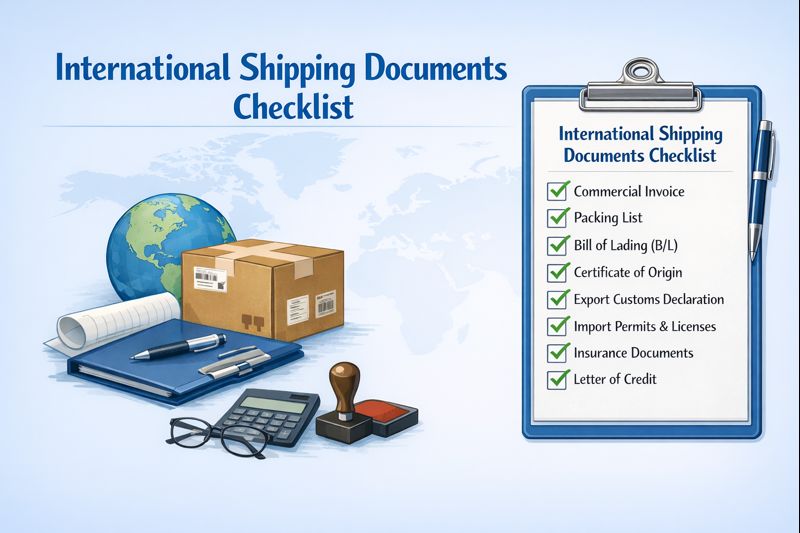
Common documents and information include:
Importer Information: Identifies the party responsible for the shipment and should match the customs entry details.
Commercial Invoice: Provides transaction information, product description, quantity, value and country of origin.
Packing List: Shows shipment details such as package quantity, dimensions and weight.
Bill of Lading or Air Waybill: Confirms the transportation arrangement and cargo information.
HS Code and HTS Classification: Determines product classification, applicable duties and possible import requirements.
Product Compliance Documents: Required for certain regulated goods, such as medical devices, agricultural products or chemicals.
Accurate product descriptions and consistent documents are important because U.S. Customs uses this information to review the shipment, determine classification and apply applicable requirements.
Importers should verify the required documents before the goods leave China to reduce the risk of customs delays, additional costs or shipment issues after arrival.
Although most ordinary products can be imported from China without a general import license, some goods are subject to additional U.S. import requirements.
These requirements usually depend on the product category, intended use and the government agency responsible for regulating the goods. Importers should confirm the requirements before shipment rather than assuming all products follow the same process.
Common examples include:
Medical devices: Certain medical products may require FDA registration, listing or other compliance information before entering the U.S. market.
Food and dietary products: Many food-related imports must meet FDA requirements and may require additional information before entry.
Agricultural products: Plants, seeds, wood products and other agricultural goods may require USDA APHIS approval or supporting documents.
Chemicals and pesticides: Some chemical products are regulated by agencies such as the EPA and may require specific documentation.
Other restricted items: Certain products may require additional authorization, permits or compliance checks before importation.
The key difference is that the requirement usually comes from the product itself, not simply because the goods are shipped from China.
Before arranging international shipping, importers should verify whether their goods have any special regulatory requirements. Confirming these details early can help avoid customs delays, additional costs and shipment problems after arrival.
Shipping from China to the USA without a general import license does not mean there are no requirements. Importers still need to confirm product eligibility, prepare accurate documents, select a suitable shipping method and complete U.S. customs procedures.
The entire shipping process usually includes the following stages.
Start with a complete product description:
Determine whether the goods require an additional permit, registration, certificate or Partner Government Agency filing.
This should be completed before placing a large order. Discovering a regulatory problem after the cargo has reached the USA can lead to extra storage costs, inspections or delays.

Choose a reliable Chinese supplier and confirm product, packing and shipment information.
Check supplier details, cargo dimensions, weight and packaging before arranging international shipping.

The right shipping method depends on the cargo type, shipment size, delivery deadline and budget.
Common shipping options include:
Importers should also confirm the Incoterm with the supplier. Terms such as EXW, FOB, DAP and DDP define how responsibilities are divided for pickup, export procedures, international freight, customs clearance and final delivery.

Prepare the required shipping documents before departure, including the commercial invoice, packing list and transportation documents.
Ensure that product descriptions, quantities, values and consignee information are consistent to reduce potential issues during customs review.

After the shipment arrives in the USA, the goods must complete customs clearance before release.
The process may involve entry filing, classification review, duty calculation and document verification. Accurate shipment information helps reduce unnecessary delays.

Once the cargo is released, it can move from the port, airport or terminal to the final warehouse, business, fulfillment center or other destination.
A door to door service can combine China pickup, international transportation, destination coordination and final delivery.
Before booking, check which services and shipping fees are actually included in the quotation.

Different shipping options from China to the USA provide different combinations of speed, capacity and cost efficiency. The most suitable transportation method depends on the cargo type, shipment volume, delivery deadline and overall budget.
The following rates are typical market references for August 2026. Actual shipping costs may vary depending on the cargo details, origin city, destination, carrier availability, fuel prices and seasonal market conditions.
| Shipping Method | Best For | Current Cost Reference | Planning Transit Time |
|---|---|---|---|
| Express Courier | Samples and small urgent shipments | $5.50–$9.00/kg | About 3–7 days |
| Air Freight | Time-sensitive commercial cargo | $3.00–$6.50/kg | About 5–15 days |
| LCL Sea Freight | Smaller commercial shipments | $35–$110/CBM | About 20–40 days |
| FCL Sea Freight | Larger or bulk shipments | $4,200–$8,500/container | About 15–35 days |
| Door-to-Door Service | Importers needing coordinated delivery | Depends on shipping method | Varies |
These figures are planning estimates rather than fixed quotations. Actual transit times can change based on the China origin, carrier schedule, transportation route, customs clearance process and final delivery location in the USA.
For larger shipments, Full Container Load (FCL) is commonly used when the cargo requires a dedicated container. Less than Container Load (LCL) allows smaller shipments to share container space with other cargo, making it suitable for importers who do not need a full container.
Shipping costs are not determined by transportation method alone. The final quotation can vary depending on:
Cargo weight and volume
Pickup location in China
U.S. delivery destination
Product type and handling requirements
Carrier capacity and seasonal demand
Customs and destination service requirements
For example, a lightweight but large-volume shipment may be charged based on dimensional weight, while heavy commercial cargo may be priced based on actual weight or container space.
When comparing freight quotations, importers should consider the complete landed cost rather than only the international freight charge.
A complete shipping quotation may include:
Factory pickup in China
Warehouse handling
Export customs handling
International freight
Destination charges
Customs brokerage
Import duties and taxes
Local delivery
Cargo insurance
A lower freight rate does not always mean a lower total cost. Some quotations may exclude destination charges or additional services, which can become unexpected fees later in the shipping process.
For businesses importing from China regularly, choosing the right shipping solution helps balance delivery speed, transportation costs and supply chain reliability.
Importing goods from China to the USA involves more than international freight costs. Importers should also consider customs duties, import taxes, customs brokerage fees and other destination charges when calculating the total landed cost.
The final amount depends on factors such as the product category, HS code, customs value, country of origin and applicable trade measures.

Customs duties are calculated based on the product classification and declared customs value.
The first step is confirming the correct HS code and U.S. HTS classification, because different products may have different duty rates and import requirements.
Importers should consider:
Customs duties based on product classification
Import taxes or government fees where applicable
Customs brokerage charges
Destination handling costs
Local delivery expenses
There is no single duty rate that applies to all goods imported from China. A product with a similar description may still receive different treatment depending on its exact classification and intended use.
Before shipping, importers should verify the applicable tariff information to avoid unexpected costs after arrival.
Some products imported from China may be subject to additional Section 301 tariffs.
These additional duties do not apply to every product. The applicable rate depends on the specific HTS classification and whether the product is included in the relevant tariff lists.
Because tariff policies can change, importers should check the current requirements before calculating their final landed costs.
Using the correct product classification and keeping accurate commercial documents can help reduce classification issues during customs review.
DDP (Delivered Duty Paid) is a shipping arrangement where the seller or logistics provider manages transportation, import procedures and delivery to the agreed destination.
For businesses that are new to importing from China, DDP can simplify the shipping process by combining multiple logistics steps into one service.
However, DDP does not remove U.S. import requirements.
Before choosing DDP shipping, importers should confirm:
Who will act as the Importer of Record
Whether customs duties and import taxes are included
Who handles customs clearance
Whether destination charges are covered
What import documents will be provided
A clear DDP agreement helps avoid misunderstandings about responsibilities and additional fees.
For many businesses, comparing DDP with other shipping options helps determine whether convenience is worth the additional service cost.
Most customs and shipping problems are easier to correct before departure.
Common mistakes include:
Assuming no general license means no import requirements
Using the wrong HS code or HTS classification
Shipping regulated products without checking agency requirements
Providing an inaccurate commercial invoice or packing list
Relying on outdated $800 de minimis information
Failing to identify the Importer of Record
Choosing a supplier only because of a low price
Comparing shipping costs without checking destination charges
Ignoring possible hidden fees in door-to-door quotations
Incomplete or incorrect shipping paperwork can delay imported goods, so importers should review documents before the cargo is dispatched.
Good supplier communication, accurate classification and a clear customs arrangement help reduce avoidable delays and unexpected costs.
Shipping goods from China to the USA involves more than booking transportation. Importers also need to coordinate suppliers, prepare shipping documents, arrange export procedures and manage delivery requirements.
Tonlexing helps businesses simplify the China-to-USA shipping process by providing flexible freight solutions based on cargo type, shipment size and delivery needs.
Working with different Chinese suppliers can make international shipping more complicated.Tonlexing helps coordinate factory pickup, warehouse receiving and cargo consolidation, making it easier to organize shipments before export.
Choosing the right transportation method depends on cargo type, shipment volume, delivery requirements and budget.Tonlexing provides flexible China-to-USA shipping solutions, including air freight, sea freight, LCL, FCL and door-to-door service options.
Accurate shipping information and documents are important for smooth international transportation.Tonlexing helps review shipment details, coordinate commercial documents and prepare the necessary information for customs-related procedures.
For most ordinary commercial products, CBP does not require a general license or permit. However, certain goods may require authorization from another government agency, and normal customs requirements still apply.
Yes. Individuals can act as importers in appropriate circumstances. Depending on the entry, CBP may require importer identification, and the goods must still meet customs and product requirements.
Not necessarily. CBP states that there is no legal requirement to hire a customs broker to clear your own goods. Many commercial importers nevertheless use a licensed broker to help with entries, bonds, classification and other customs procedures.
A customs bond is generally required for commercial imports worth more than $2,500 and may also be required for goods subject to certain federal agency requirements.
Yes, provided the shipment has a compliant import arrangement. Before booking DDP, confirm the Importer of Record, customs clearance responsibility, duties, import taxes and final delivery charges rather than assuming DDP removes U.S. customs requirements.
Useful freight, customs and importing resources related to this shipping guide.
Shipping from China to the USA includes air freight, sea freight, and DDP shipping options. Compare shipping costs, transit times, and US customs...
Read guide →
Importer of Record IOR in the USA Verified & Reviewed · Last updated March 2026 Importer of Record (IOR) in the USA determines who is legally res...
Read guide →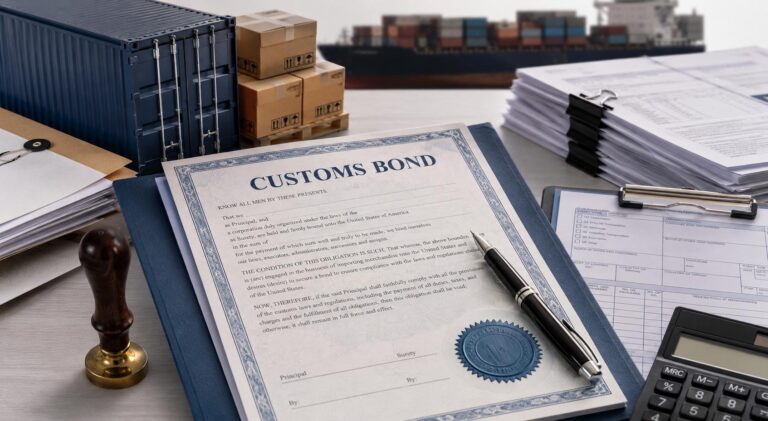
Customs Bond for First-Time Importers from China Verified & Reviewed · Last updated May 2026 Importing goods from China to the United States for...
Read guide →
Introduction to Customs Clearance How to clear customs when importing from China is one of the most critical steps in international trade. Whethe...
Read guide →Importing goods from China can be highly profitable—but only when you understand the necessary documents and import requirements. Whether you’re...
Learn more → Useful Resource Customs Broker vs Freight ForwarderCustoms Broker vs Freight Forwarder Verified & Reviewed · Last updated April 2026 Customs broker vs freight forwarder is a common question for im...
Learn more →WhatsApp us