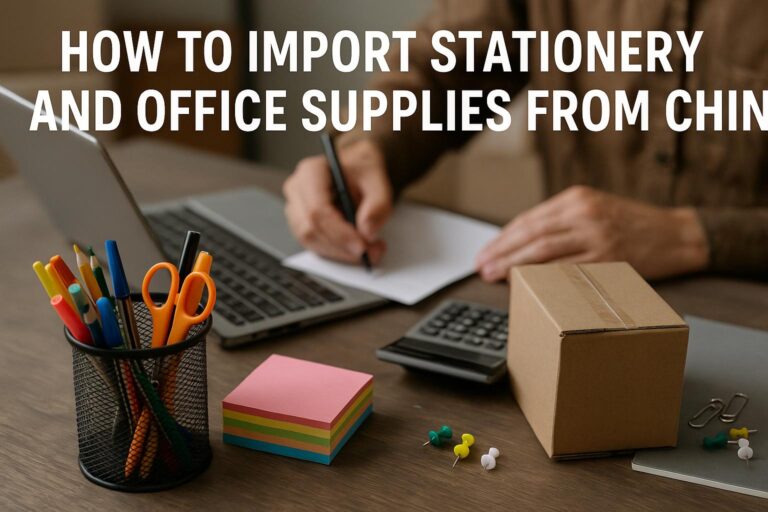
Related Guide
How to import stationery and office supplies from china
How to import stationery and office supplies from China is a question asked by thousands of businesses worldwide looking for affordable, high-qua...
Read guide →

Reliable & Cost-Effective Shipping from China
Tailored Logistics Solutions for Your Business
The demand for A4 paper is steadily rising across industries such as education, corporate offices, government institutions, and printing businesses. Countries worldwide, including those in the Middle East, Africa, Europe, and North America, rely heavily on imported A4 paper, making it a lucrative business for wholesalers and retailers.
China is one of the leading manufacturers and exporters of A4 paper, offering a wide variety of copy paper, printing paper, and office paper at competitive prices. However, successfully importing A4 paper from China requires careful supplier selection, price negotiation, quality control, logistics planning, and customs clearance.
This guide covers everything you need to know about sourcing high-quality A4 paper from China, ensuring smooth transactions, and optimizing shipping to reduce costs.
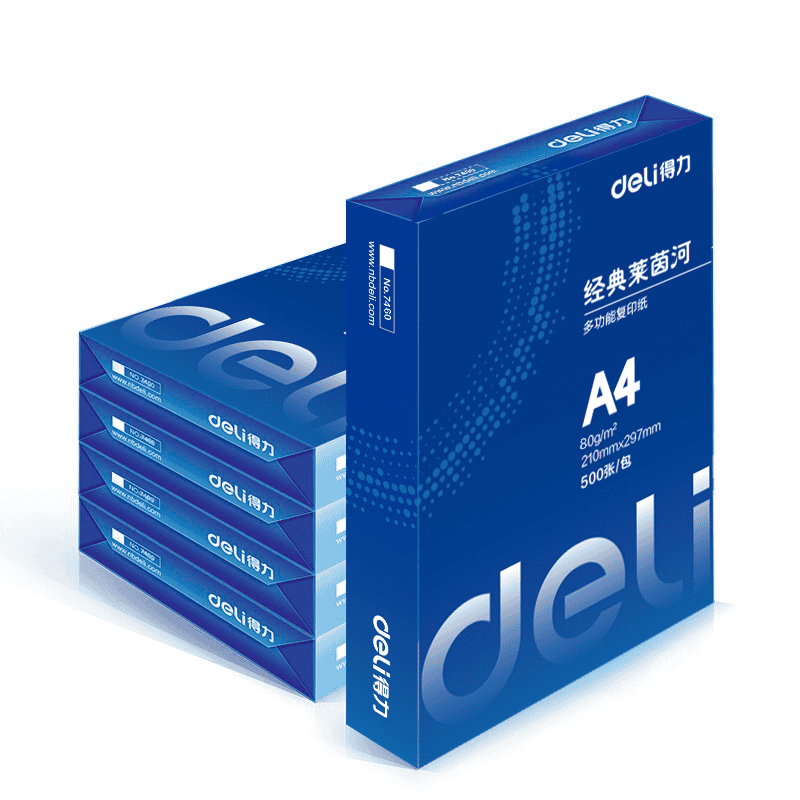
Before importing A4 paper, it is crucial to research the market trends, supplier options, and cost factors. China’s paper industry is diverse, with products ranging from standard copy paper to premium-grade printing paper.
Most A4 paper products are made from virgin wood pulp or recycled paper, offering different levels of quality. The most common specifications include:
China has several paper manufacturing hubs, with major producers located in Guangdong, Shandong, Zhejiang, and Jiangsu. Identifying the right manufacturer depends on your specific needs, including quality expectations, budget, and minimum order quantity.
Finding a trustworthy supplier is critical to ensuring consistent quality, competitive pricing, and reliable delivery. There are several ways to source A4 paper suppliers in China.
Several platforms allow buyers to connect with verified manufacturers and traders:
When searching for suppliers on these platforms, check for:
For buyers looking to establish long-term supplier relationships, attending trade fairs is a valuable opportunity. Events such as the Canton Fair in Guangzhou and Paperworld China in Shanghai showcase a wide variety of paper products and allow buyers to inspect quality firsthand.
For bulk importers ordering large quantities (10+ tons per shipment), contacting manufacturers directly can lead to lower costs and better deals. Some of the top manufacturers include Asia Pulp & Paper (APP), Nine Dragons Paper, and Chenming Paper Group.

Before placing an order, understanding pricing structures and negotiating terms is essential to securing the best deal.
When negotiating, request a detailed price breakdown including shipping, packaging, and additional fees. Always ask for samples before finalizing bulk orders.
When importing A4 paper from China, selecting the right shipping method is crucial for controlling costs, ensuring timely delivery, and maintaining profitability. Since A4 paper is a high-volume, weight-sensitive product, balancing cost efficiency and delivery time is essential for businesses.
There are two primary shipping options: Air Freight and Sea Freight, each with its own advantages and considerations. Understanding the differences will help businesses make an informed decision based on order size, urgency, and budget constraints.
Air freight is the quickest shipping method, making it ideal for small and urgent orders. However, due to the weight-based pricing structure, air freight can be significantly more expensive than sea freight, especially for large shipments.
Best for:
Advantages:
Disadvantages:
Tip: Air freight is best suited for businesses needing a quick restock or shipping to destinations where sea freight is not practical.
Sea freight is the most economical shipping method for large shipments, making it the preferred choice for wholesalers and distributors. Although it is slower than air freight, it significantly reduces the cost per unit for A4 paper.
Best for:
Advantages:
Disadvantages:
Tip: Businesses shipping 10+ tons should opt for Full Container Load (FCL) to lower per-unit shipping costs.
The cost of shipping A4 paper varies based on destination, order size, and shipping method. Below is an estimate of air freight and sea freight rates from China to major global destinations.
| Destination | Air Freight ($/kg) | Sea Freight ($/CBM) | Transit Time |
|---|---|---|---|
| USA | $4.50 – $7.50 | $50 – $80 | 25 – 35 days |
| UK | $4.00 – $7.00 | $55 – $85 | 30 – 40 days |
| Kenya | $4.20 – $7.20 | $60 – $90 | 25 – 35 days |
| Australia | $4.00 – $7.00 | $50 – $75 | 20 – 30 days |
Tip: For businesses shipping large volumes, booking an entire container (FCL) is more cost-effective than Less than Container Load (LCL), as it reduces handling fees and shipping time.
When shipping by sea, businesses must decide between Full Container Load (FCL) and Less than Container Load (LCL).
With FCL, a business rents an entire 20ft or 40ft container exclusively for their goods.
Best for:
Advantages:
With LCL, businesses share a container with other shipments, paying only for the space they use.
Best for:
Advantages:
Disadvantages:
Tip: If you are consistently ordering A4 paper in large quantities, FCL is the better option, as it provides cost savings and faster processing.
One of the biggest challenges importers face is customs clearance. To simplify the process, many businesses opt for DDP (Delivered Duty Paid) shipping, where the supplier or freight forwarder handles all shipping and import costs, including duties, taxes, and customs clearance fees.
Tip: If you want to avoid customs delays and additional import charges, ask your supplier or freight forwarder about DDP shipping options.
To ensure a cost-effective and smooth shipping experience, businesses should:
By carefully selecting the right shipping method and logistics partner, businesses can reduce costs, improve efficiency, and ensure timely delivery of their A4 paper shipments.

Successfully importing A4 paper from China requires compliance with customs regulations, import duties, and documentation requirements. Each country has specific rules regarding taxation, environmental compliance, and trade agreements, so understanding these in advance helps prevent delays, penalties, or additional costs.
To ensure smooth customs processing, importers must provide the following essential documents:
Tip: If importing recycled or eco-friendly A4 paper, ensure that the supplier provides sustainability certifications, as required by some import regulations.
Customs duties and taxes vary depending on import regulations and trade agreements. Below is an overview of import tax rates for A4 paper in key markets:
| Country/Region | Import Duty | VAT/GST |
|---|---|---|
| USA | 0% | No VAT |
| European Union (EU) | 5-8% | VAT (varies by country) |
| United Kingdom (UK) | 5-6% | 20% VAT |
| Kenya & Africa | 10-15% | 16% VAT |
| Australia | 0-5% | 10% GST |
Tip: Check if your country has a Free Trade Agreement (FTA) with China to qualify for duty-free or reduced tariff imports.
Tip: If you are unfamiliar with import regulations, choosing DDP shipping simplifies the process and reduces risks.
By preparing in advance and working with trusted freight forwarders and customs brokers, businesses can reduce costs, avoid delays, and ensure a successful import process for A4 paper shipments from China.
Tonlexing provides comprehensive logistics solutions for businesses importing A4 paper from China. From supplier coordination to final delivery, we ensure a cost-effective, efficient, and hassle-free shipping experience.
Tonlexing ensures that your A4 paper imports arrive on time, within budget, and with minimal hassle. Contact us today to discuss your shipping requirements and get a tailored quote.
Useful freight, customs and importing resources related to this shipping guide.
How to import stationery and office supplies from China is a question asked by thousands of businesses worldwide looking for affordable, high-qua...
Read guide →
Introduction: Why Import Packaging Supplies from China How to import and ship packaging supplies from China is a question many businesses ask whe...
Read guide →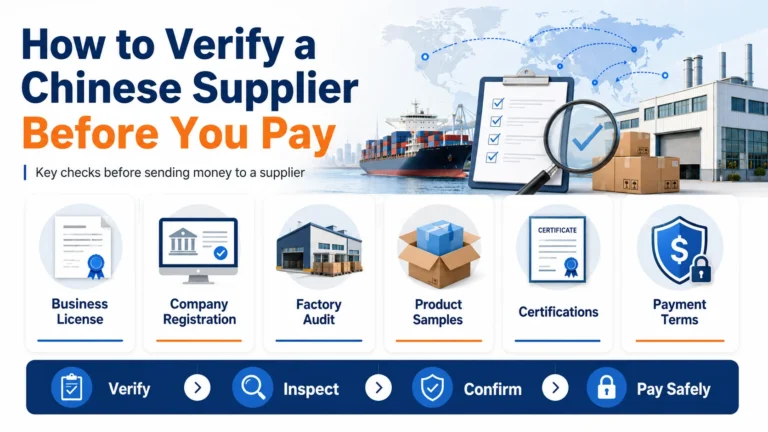
How to Verify a Chinese Supplier Before You Pay Verified & Reviewed · Last updated July 2026 Before you pay a Chinese supplier, do not rely only...
Read guide →
Shipping from Multiple Suppliers in China Verified & Reviewed · Last updated May 2026 Shipping from multiple suppliers in China can be difficult...
Read guide →China Warehouse Consolidation Service Verified & Reviewed · Last updated May 2026 China warehouse consolidation service helps importers collect g...
Learn more → Useful Resource LCL Shipping from ChinaLearn how LCL shipping and consolidated shipments help reduce shipping costs for smaller cargo from China.
Learn more →WhatsApp us