
Related Guide
How to import and ship furniture from China?
Importing furniture from China has become a profitable venture for retailers, interior designers, and business owners worldwide. As China is the...
Read guide →An added benefit for eligible new customers shipping with Tonlexing.
Check Eligibility & Get a Quote →Subject to cargo eligibility, insurer approval and policy terms.
Coverage and insured value depend on the cargo, route and written insurer confirmation before shipment. Policy exclusions, deductibles and claims terms apply. The US$500,000 figure is a maximum coverage limit, not a guaranteed claim payment. Insurance premiums are not represented as free unless expressly confirmed in your quote.


White-glove delivery for furniture imported from China goes beyond standard freight, offering in-home handling, room placement, unpacking, and basic assembly, depending on the service agreement.
Learn how to coordinate international shipping, customs clearance, and final-mile delivery, compare service options, and estimate your total costs.
In-Home Delivery
Shipping Process
Delivery Costs
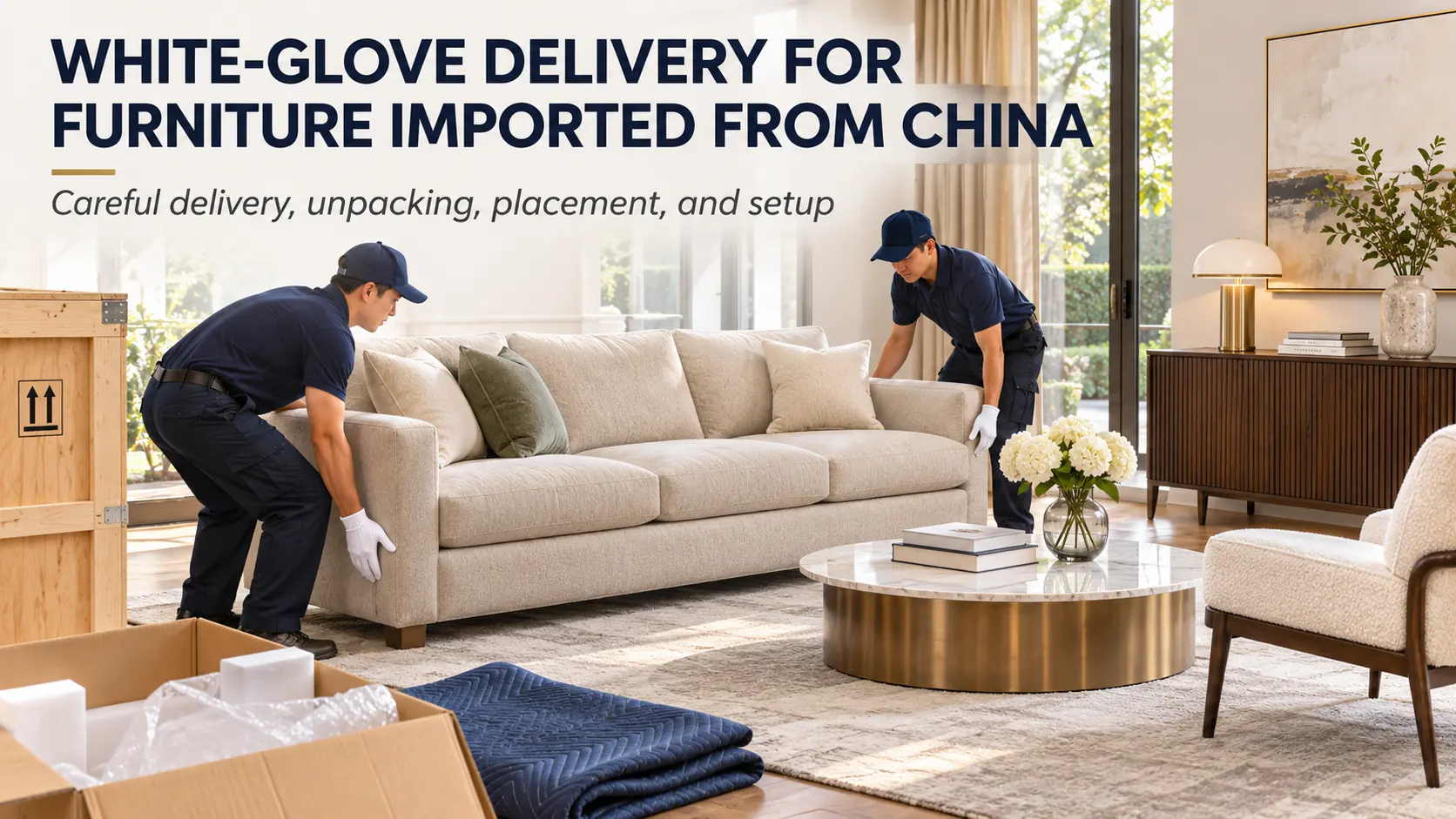
White-glove delivery is a specialized last-mile service for products that require careful handling and additional attention after transportation. Unlike standard freight delivery, it focuses on bringing goods inside the property and placing them in the intended location.
For imported furniture, this stage usually begins after international transportation, customs clearance, and transfer to a destination warehouse or receiving facility.
Standard freight transportation focuses on moving cargo between specified locations. Depending on the agreement, the carrier may leave the goods at a curbside area, loading dock, or receiving address.
An in-home service goes further by arranging access to the property and moving items into the requested room.
For example, a dining table may arrive at a customer’s address through a standard carrier, but carrying it upstairs, unpacking it, and assembling its components may require additional arrangements.
This distinction is important because door-to-door transportation does not automatically include indoor placement or installation.
The available services depend on the provider, product type, and agreed service level. Some companies offer basic room placement, while others provide a more complete service covering unpacking, assembly, and debris removal.
A delivery team carries items from the vehicle into the property and places them in the customer’s designated room. This may involve moving sofas, dining tables, wardrobes, and other bulky products through hallways, staircases, or elevators.
This option is particularly useful when heavy lifting requires additional personnel or professional equipment.
Imported goods are often protected with cartons, foam, plastic wrapping, or wooden crates. The agreed service may include removing these materials and checking the visible condition of the items.
Customers should inspect surfaces, upholstery, edges, and structural components for scratches, dents, or other signs of damage. Any issues should be photographed and documented before signing the receiving receipt.
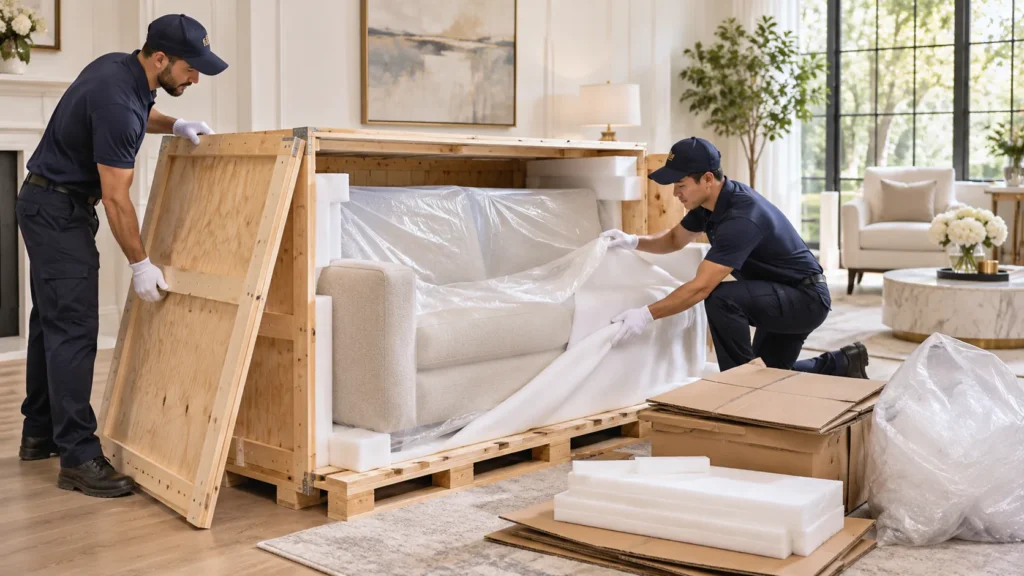
Some products require simple assembly before they can be used. This may involve attaching table legs, fitting handles, connecting headboards, or assembling basic components.
The team can also position the items according to the customer’s instructions. Complex installation, wall mounting, and specialized fitting generally require separate arrangements.
Cardboard boxes, foam inserts, plastic wrapping, and other protective materials may be collected after unpacking.
However, dismantling and disposing of heavy wooden export crates may not be included in the standard service. Buyers should confirm whether this work requires an additional charge.
The logistics process involves several stages, from supplier collection in China to final residential delivery. Coordination between international and local providers helps ensure that each stage is completed before the next begins.
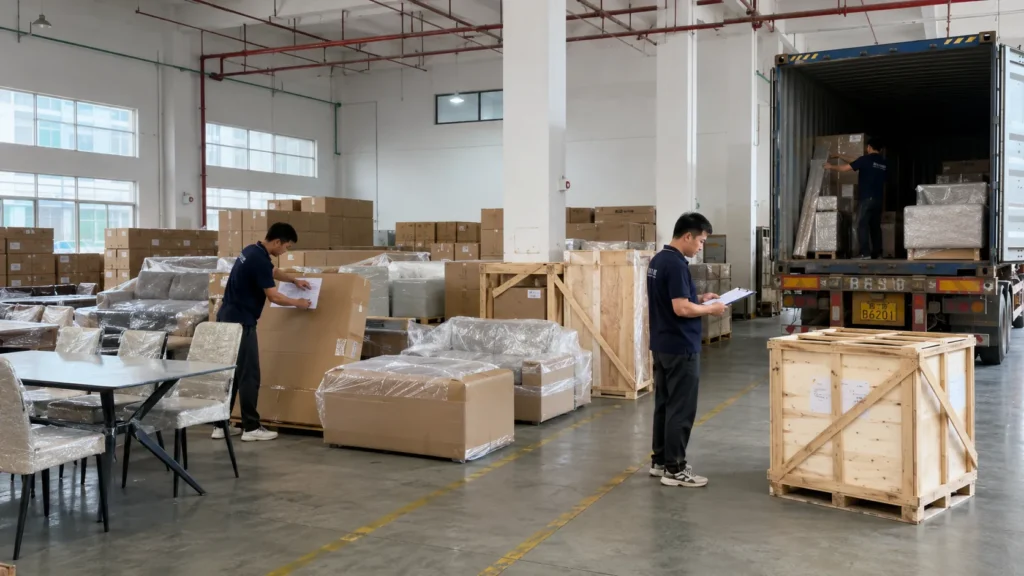
The process starts with collecting goods from the manufacturer or supplier in China. If an order involves multiple factories, products can be transported to a warehouse for inspection, consolidation, and export preparation.
For example, an importer purchasing sofas from Foshan, dining tables from Dongguan, and bedroom furniture from another manufacturer may combine these orders before export.
China warehousing and consolidation services can help coordinate different suppliers and prepare cargo for international transportation.
Before export, confirm the following:
Product dimensions and gross weight
Number of cartons, pallets, or wooden crates
Packaging condition and protection requirements
Shipping marks and cargo identification
Commercial invoice and packing list
Proper protection is important because large surfaces, corners, glass components, and decorative finishes can be vulnerable during handling.
After export preparation, the goods are transported to the destination country by sea or air.
Sea freight is generally suitable for bulky orders and larger volumes, while air freight may be considered for smaller or time-sensitive purchases. The appropriate option depends on volume, budget, and delivery requirements.
Once the cargo arrives, it must complete the applicable import procedures. The importer or appointed customs broker should ensure that product descriptions, classifications, and supporting documents are accurate.
Import duties, taxes, brokerage, and destination handling charges should be clarified separately from local delivery expenses.
After customs release, the goods may move to a destination warehouse or receiving facility.
For container shipments, the contents may need to be unloaded, sorted, and transferred into smaller vehicles suitable for residential transportation. The receiving facility can also verify quantities and coordinate the handover to the local carrier.
For U.S. imports, port-to-door container delivery in the USA provides an option for coordinating transportation between the arrival port and the designated destination.
Once the goods are ready for local transportation, the provider contacts the customer to arrange a suitable delivery window.
On the scheduled day, the team completes the work specified in the agreement, which may include indoor carrying, unpacking, basic assembly, and placement in the designated room.
The customer should inspect the items and record any visible damage or missing components before confirming receipt.
Different delivery options provide different levels of handling. For imported furniture, the main differences involve the stopping point, indoor access, unpacking, and assembly.
| Delivery Tier | Where the Driver Stops | Uncrating & Assembly | Packaging & Crate Disposal | Best For |
|---|---|---|---|---|
| Door-to-Door Freight | Agreed destination address; unloading terms depend on the contract | Not automatically included | Not automatically included | Buyers arranging their own local handling |
| Curbside | Street curb or driveway | Not included | Not included | Buyers with separate unloading arrangements |
| Threshold | Just inside the entrance or first agreed dry area | Not included | Not included | Smaller, boxed items |
| White-Glove | Inside the designated room, as agreed | May include unpacking and basic assembly | May include agreed packaging and crate removal | Heavy, fragile, or multi-piece orders |
The appropriate option depends on the size of the order, packaging type, property access, and whether you have local labor available.
Curbside and threshold options may be sufficient for buyers who can arrange their own indoor handling. However, bulky sofas, wardrobes, and dining sets may require additional assistance.
White-glove service is more suitable when customers need items carried into specific rooms, unpacked, and assembled. It reduces the work required after arrival, particularly for large or delicate products.
For example, door-to-door shipping from China to the USA can coordinate transportation to an agreed address, but indoor placement and assembly must be confirmed separately.
Before booking, check the unloading responsibilities, delivery location, assembly scope, and crate disposal arrangements. Service names can vary between providers, so a written breakdown is more reliable than assuming every package includes the same work.
Planning the destination arrangements before the goods leave China can help avoid delays, additional handling, and unexpected charges.
There are two common ways to organize international transportation and local delivery.
You can work with an international freight forwarder to arrange supplier pickup, export handling, international shipping, customs coordination, and destination transportation through suitable local partners.
This approach is useful for buyers purchasing from multiple manufacturers because the main logistics stages can be coordinated through one contact.
Alternatively, you can use an existing freight forwarder for international transportation and hire a local company to handle the final stage.
This option provides flexibility but requires clear communication about warehouse receiving, cargo handover, scheduling, and damage reporting.
An accurate quotation depends on both the goods and the destination property. Before contacting a provider, prepare:
Product details: Item types, quantities, dimensions, and gross weight
Packaging information: Carton sizes, pallet quantities, and wooden crate details
Shipping information: Total volume, expected arrival date, and receiving facility
Property details: Full address, property type, and floor level
Service requirements: Indoor placement, unpacking, assembly, and debris removal
Photographs can also help the provider assess handling requirements, particularly for oversized or fragile items.
Request a written quotation that identifies included services, additional charges, insurance arrangements, and delivery responsibilities.
In the United States, white-glove furniture delivery typically costs between $160 and $1,500+, depending on product size, weight, transportation distance, and the services required.
Indicative local delivery prices include:
Small items: $160–$400 for individual chairs, side tables, mirrors, and lightweight products.
Medium orders: $325–$700 for sofas, dining sets, and bedroom furniture requiring a two-person delivery team.
Large orders: $700–$1,500+ for sectional sofas, heavy dining tables, and multiple pieces requiring additional handling.
Long-distance transportation from the arrival port to the final destination may add another $1,000–$3,000, depending on the route and trucking requirements.
Several factors influence the final quotation:
Size and weight: Bulky items may require additional workers or handling equipment.
Property access: Stairs, narrow hallways, and limited elevator access can increase labor costs.
Assembly and disposal: Complex installation and wooden crate removal may incur extra charges.
Transportation distance: Longer routes between the receiving facility and the property increase local transportation expenses.
For imports from China, buyers should also budget for domestic pickup, export handling, international freight, customs clearance, and destination charges.
If you choose DDP shipping from China to the USA, confirm which duties, taxes, and transportation expenses are covered. DDP does not automatically include unpacking, assembly, or room placement.
Request an itemized quotation and confirm all additional charges before the goods leave China. Actual prices vary by location and service provider.
Local delivery arrangements do not replace import compliance requirements. Buyers should check the applicable customs and packaging rules before shipping goods from China, particularly when products contain solid wood or use wooden export crates.
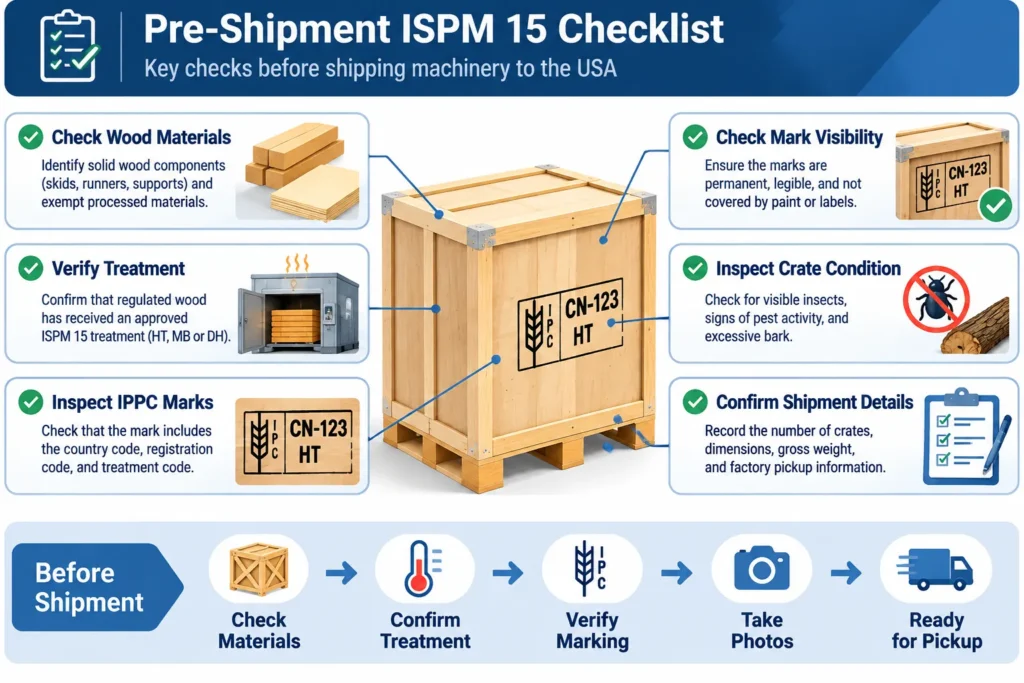
Furniture may be protected with wooden crates, pallets, or other solid wood materials during international transportation.
For goods entering the United States, regulated wood packaging materials must comply with ISPM 15 requirements, including applicable treatment and official marking.
Importers should distinguish between wooden packaging and the finished product itself. The rules governing shipping crates are not automatically the same as the requirements for wooden furniture.
Certain imported products containing plant materials may be subject to U.S. Lacey Act declaration requirements.
Depending on the applicable product classification, importers may need information about the scientific names of the wood species and the countries where the plants were harvested.
Buyers should obtain accurate material and sourcing information from Chinese suppliers before export. Whether a declaration is required depends on the applicable HTS classification and current regulations.
Common documents used for furniture imports include:
Commercial invoice
Packing list
Bill of lading or air waybill
Product descriptions and material details
Applicable customs declarations and supporting documents
Import duties depend on the product classification, country of origin, and applicable trade measures. Different product categories may receive different tariff treatment when imported into the United States.
Importers should confirm the applicable classification and duties with their customs broker before shipping.
For more information, see our guide to shipping furniture from China to the USA.
Preparing your home before the goods arrive helps prevent access problems, delays, and accidental damage. Large items such as sofas, wardrobes, and dining tables may require more space and careful planning than standard household deliveries.
Before delivery, compare the packaged dimensions with the available access points in your property. Pay particular attention to:
Doorway and hallway widths
Staircase clearance and turning space
Elevator dimensions and weight limits
Garage entrances and loading areas
If you live in an apartment or condominium, check building rules for large deliveries, including elevator reservations and permitted delivery hours. For oversized pieces, discuss alternative access arrangements with the provider in advance.
Make sure the entrance, hallways, and destination rooms are ready before the team arrives. Remove obstacles and create enough space for carrying and assembly.
It is also helpful to decide where each item will go in advance. If the order contains several pieces, prepare a simple room layout so the team can place them correctly without unnecessary movement.
Before the appointment, remember to:
Move fragile decorations and personal belongings away from the access route.
Protect floors and nearby surfaces where necessary.
Keep pets and children away from the working area.
Confirm parking arrangements and building access instructions.
Good preparation helps the team work efficiently and protects both the goods and your property.
Receiving imported goods involves more than confirming that everything has arrived. Buyers should inspect the condition and quantity before completing the delivery.
Pay particular attention to the following:
Surface and structural condition: Look for scratches, dents, cracks, broken legs, or damaged edges.
Upholstery and finishes: Check fabric, leather, wood finishes, glass surfaces, and decorative components.
Quantity and accessories: Confirm that all ordered items, hardware, cushions, and accessories have arrived.
Assembly quality: If assembly was included, check that the items are stable and the agreed components have been installed correctly.
If you discover visible damage, take clear photographs and record the issue on the proof of delivery or relevant receiving document.
Keep supporting documents and packaging where possible. Notify the responsible carrier or insurance provider within the applicable claims deadline.
Furniture imports involve manufacturers, freight forwarders, customs brokers, warehouses, and local carriers. Without clear communication, problems can occur during cargo transfers, receiving, and delivery scheduling.
Tonlexing supports import logistics from China, helping buyers coordinate international transportation and destination arrangements through suitable logistics partners.
Our services include:
Supplier pickup and export arrangements
Consolidation from multiple Chinese suppliers
International sea and air freight coordination
Export documentation and shipping arrangements
Customs and destination transportation coordination
Communication with suitable local logistics partners
For buyers purchasing from several manufacturers, coordinating the goods before export can simplify preparation and destination receiving.
The availability and scope of local in-home services depend on the destination and arrangements confirmed with local delivery partners.
Contact Tonlexing with your product details, cargo volume, and destination to discuss a suitable transportation arrangement.
Specialized furniture delivery companies and local last-mile logistics providers commonly offer these services. International freight forwarders may coordinate transportation from China and work with destination partners to arrange in-home handling.
Confirm the provider’s coverage and whether unpacking, assembly, and debris removal are included.
Not necessarily. Door-to-door shipping generally covers transportation to the agreed destination address. Carrying items into specific rooms, unpacking, and assembly must be confirmed separately.
Local U.S. delivery may range from around $160 for smaller items to more than $1,500 for large or heavy orders. The final price depends on distance, access conditions, labor, and the services required.
No. In-home delivery is a local service and does not automatically cover import duties or taxes. These charges should be arranged separately through the importer, customs broker, or an agreed DDP shipping arrangement.
Not always. Some providers remove standard cardboard and protective materials, while dismantling and disposing of heavy wooden crates may require an additional service. Confirm the arrangements before the goods arrive.
Useful freight, customs and importing resources related to this shipping guide.
Importing furniture from China has become a profitable venture for retailers, interior designers, and business owners worldwide. As China is the...
Read guide →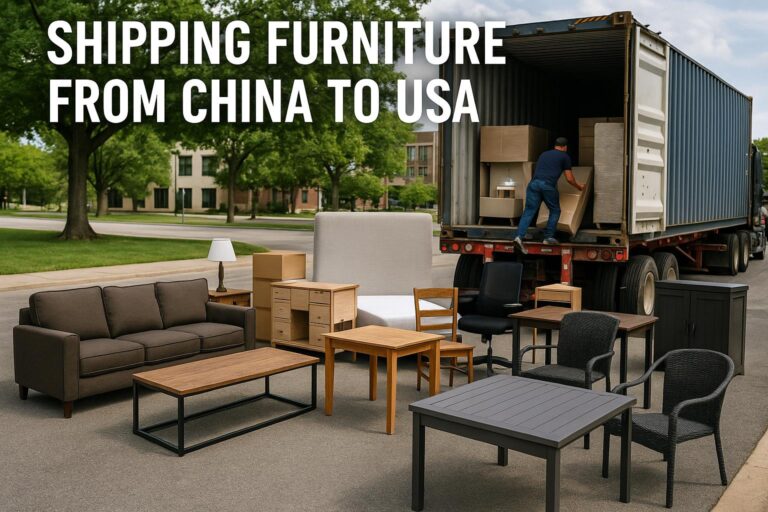
Shipping furniture from China to USA is one of the most in-demand logistics services in today’s global trade market. In recent years, large-scale...
Read guide →
Learn how to ship office furniture from China by sea freight, air freight, FCL, LCL, and door-to-door delivery. Compare costs, customs clearance...
Read guide →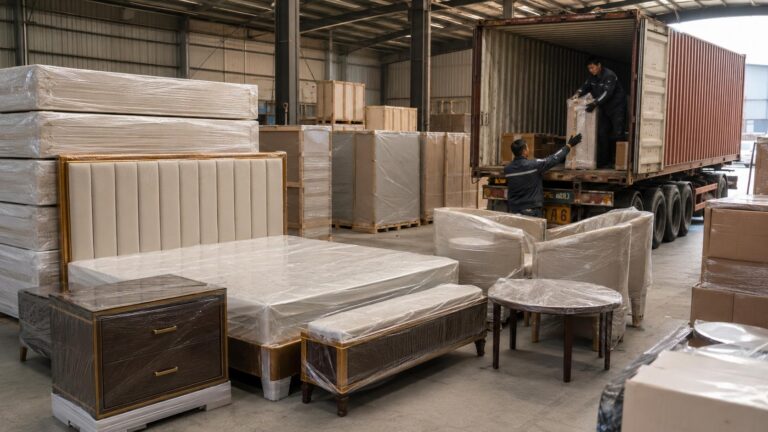
Hotel Furniture Shipping from China: 2026 Comprehensive Guide Verified & Reviewed · Last updated May 2026 Shipping hotel furniture from China req...
Read guide →How to Source Furniture from Foshan and Ship Overseas Verified & Reviewed · Last updated July 2026 Sourcing furniture from Foshan gives internati...
Learn more → Useful Resource Door to Door Shipping from China to USA: A Comprehensive GuideIn today’s global economy, businesses and individuals are increasingly turning to international shipping to meet their needs. Door-to-door shippi...
Learn more →WhatsApp us