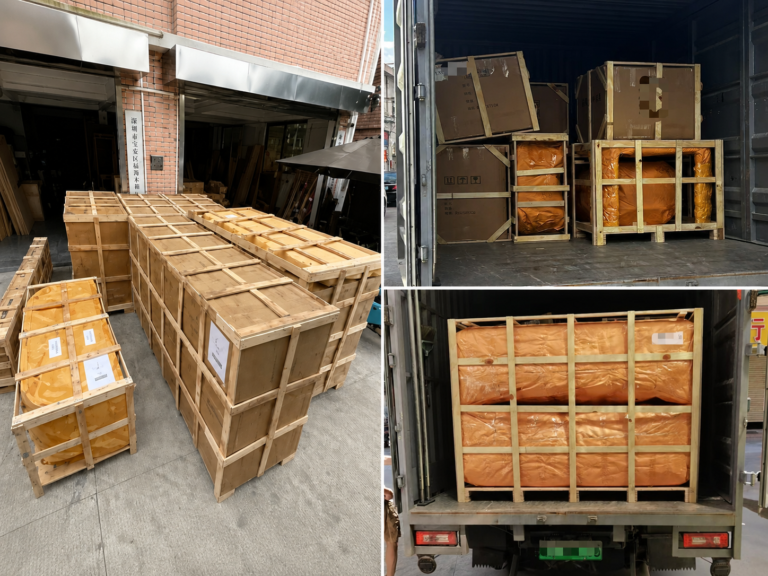
Related Guide
Shipping Furniture from Shenzhen to Switzerland
REAL SHIPPING CASE STUDY Shipping Furniture from Shenzhen to Switzerland: Sea Freight Case Study This case study explains how we arranged shippin...
Read guide →

Shipping hotel furniture from China requires careful planning because hotel furniture is bulky, fragile, and often customized for hospitality projects. From wooden furniture and guest room sets to dining tables and outdoor furniture, every shipment needs proper sourcing, packaging, and logistics coordination.
This guide explains how to ship hotel furniture from China, covering sourcing, sea freight, air freight, customs clearance, packaging, shipping costs, and final delivery to the hotel site.
Sourcing Hotel Furniture
Sea Freight / Air Freight
Customs Clearance
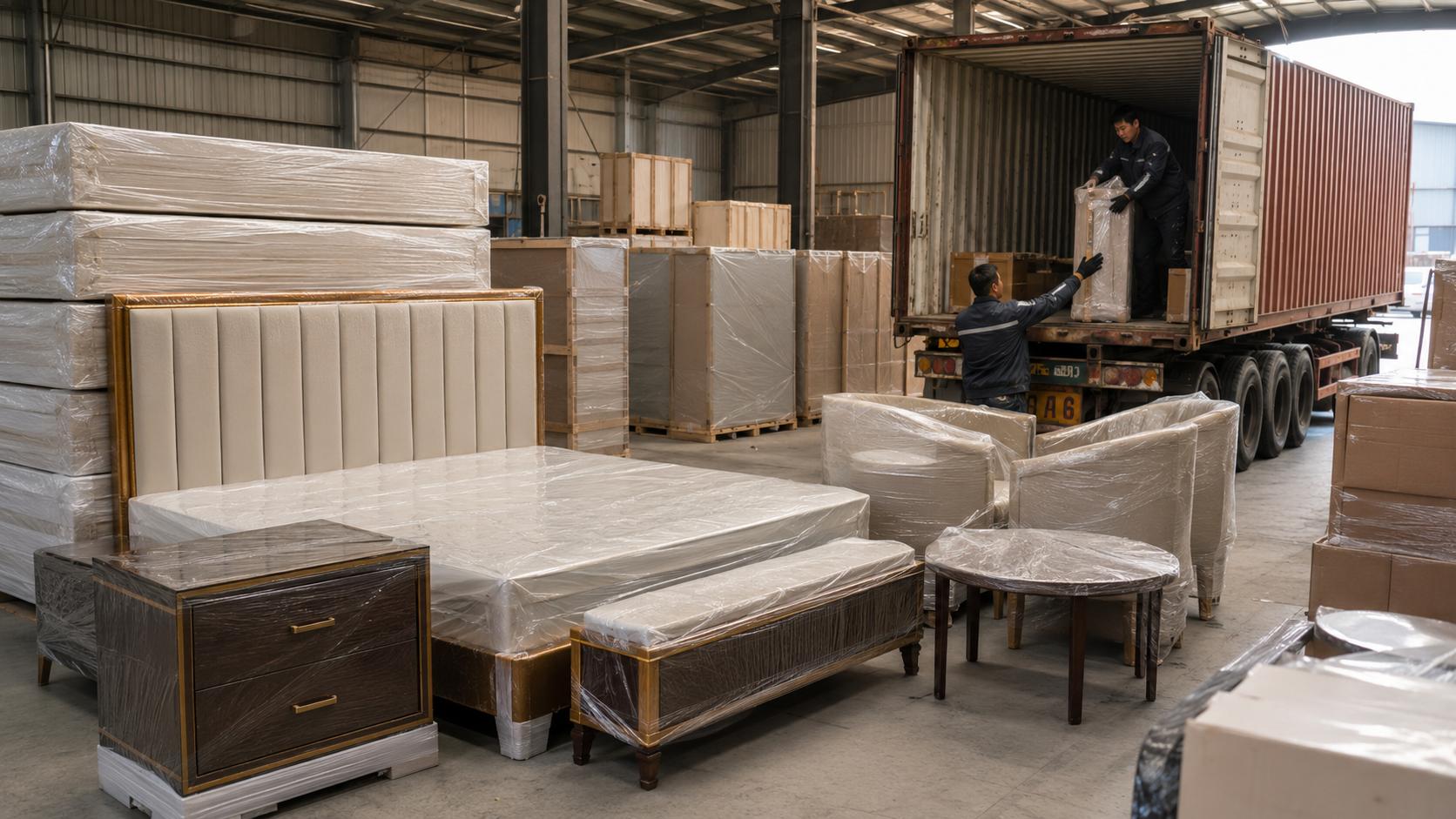
Sourcing hotel furniture from China is the foundation of any successful hospitality project. For hotel owners, interior designers, and procurement managers, finding the right suppliers ensures that every piece—from wooden bedroom furniture to custom hotel furniture—meets quality standards and aligns with the hotel’s brand identity.
China has long been a global hub for furniture manufacturing, especially for commercial furniture and custom hotel furniture. Chinese manufacturers offer a wide range of furniture types, including:
Guest room furniture: beds, wardrobes, nightstands
Dining area furniture: dining tables, chairs, coffee tables
Outdoor spaces: patio sets, lounge chairs
Luxury hotel furniture: high-end bespoke designs, solid wood or natural materials
The key advantage of sourcing from China lies in the combination of competitive pricing, access to high-quality furniture, and the ability to produce tailored solutions that match a hotel’s design vision.
Some cities and districts in China specialize in hotel furniture production:
Foshan (Lecong & Longjiang districts): Renowned for wooden furniture, especially solid wood and custom hotel furniture. Many Chinese furniture suppliers here have decades of experience working on hospitality projects.
Guangzhou, Guangdong Province: A major export hub with seamless access to sea freight, container shipping, and experienced freight forwarders.
These hubs combine modern technology, quality craftsmanship, and consistent quality to support large-scale hotel projects.
When sourcing furniture, consider:
Experience with hotel projects: Suppliers who have worked with luxury hotels or hospitality industry clients understand the shipping logistics and quality control measures needed for international transport.
Product range: Ensure the supplier can provide wooden bedroom furniture, dining tables, coffee tables, and other pieces needed for guest rooms and outdoor spaces.
Custom furniture capabilities: For custom hotel furniture, the supplier should offer tailored solutions that align with your brand identity and design vision.
Quality standards: Verify their quality control measures, including pre-shipment inspections, wooden packaging, and moisture management for solid wood products.
Competitive pricing: Compared to domestic or European suppliers, Chinese manufacturers often provide high-quality furniture at lower costs.
Variety and flexibility: From custom furniture to mass-produced commercial furniture, suppliers can accommodate small renovation projects or full-scale hotel developments.
Direct access and communication: Many reliable suppliers allow direct access to production updates and packing photos, enhancing transparency throughout the shipping journey.
By carefully selecting suppliers and understanding the Chinese furniture market, hotel owners and interior designers can ensure furniture imports meet timelines, maintain quality craftsmanship, and reduce risks during transport.
Selecting the right shipping method is crucial to ensure that hotel furniture from China arrives safely, on time, and within budget. The choice depends on shipment size, urgency, and the destination country. For large-scale hotel projects, Full Container Load (FCL) is often the most reliable and cost-effective option, while smaller renovations or mixed orders may benefit from Less than Container Load (LCL), air freight, or DDP shipping for urgent or simplified deliveries.
| Shipping Method | Best For | Cost & Time |
|---|---|---|
| FCL Sea Freight | Large hotel projects and full container load shipments | Best cost for bulk furniture, usually 18–35 days |
| LCL Sea Freight | Smaller orders or shipments from multiple suppliers | Charged per CBM, cheaper for small shipments but takes longer |
| Air Freight | Urgent samples or replacement items | Fastest option, 1–5 days, higher cost |
| DDP Door-to-Door | Hotel owners seeking simplified delivery | Includes shipping, customs clearance, duties, and final delivery |
FCL is ideal for transporting complete sets of guest room furniture, dining tables, coffee tables, and wooden bedroom furniture. A 40ft high-cube container typically holds 68–72 CBM of furniture, allowing you to ship all items in a single, secure container. Using FCL minimizes handling, reduces the risk of damage, and provides better control over container space, making it suitable for luxury hotels or custom furniture projects.
Working with a reliable freight forwarder ensures a smooth shipping process from the supplier’s warehouse in Foshan or Guangzhou to the destination port, including container allocation, documentation, and final delivery to the hotel site.
LCL is suitable for smaller shipments, including furniture sourced from multiple Chinese suppliers or custom hotel furniture in smaller quantities. While LCL can be more cost-effective for low-volume shipments, it involves more handling. Proper wooden crates, wooden packaging, and pre-shipment inspections are critical to maintaining quality standards.
LCL logistics requires coordination with your freight forwarder to manage consolidation, customs clearance, and door-to-door delivery. With proper planning, LCL can reduce shipping costs while keeping furniture safe.
Air freight is the fastest shipping method and is best suited for urgent items such as fabric samples, lamps, or small custom furniture pieces required on-site. Transit times typically range from 1–5 days, depending on the carrier, which may include DHL, FedEx, or UPS.
While more expensive than sea freight, air shipping allows hotel owners and interior designers to maintain tight project timelines and ensure critical items arrive in time for hospitality project schedules.
DDP shipping is ideal for importers who want a simplified door-to-door solution. Under DDP, the supplier handles all aspects of the shipment—including customs clearance, duties, taxes, and final delivery to the hotel. This reduces administrative work for the importer and ensures compliance with the destination country regulations.
DDP is particularly useful for full hotel projects or renovations involving multiple suppliers, as the forwarder can consolidate goods, manage documentation, and deliver everything to a single location. Although more convenient, the total cost should be confirmed in advance, including freight, customs clearance fees, and local delivery charges.
Understanding shipping costs and transit times is crucial for budgeting and scheduling hotel furniture shipments from China. Costs depend on the shipping method, container load, furniture volume, and the destination country. Planning in advance allows hotel owners and interior designers to minimize delays and avoid unexpected expenses.
Shipping a full container load is the most cost-effective option for large-scale hotel projects. A 40ft high-cube container transporting wooden furniture, including beds, dining tables, and guest room furniture, typically costs between $2,450 – $3,300 to the East Coast of the United States. Transit times range from 18–22 days, depending on the port of origin and shipping line.
FCL also reduces handling and improves importer security, making it ideal for custom furniture and high-quality furniture requiring minimal damage risk.
LCL shipping consolidates furniture from multiple suppliers into one container, offering a flexible and cost-competitive solution for smaller projects or partial hospitality renovations. Pricing typically ranges from $50 – $80 per CBM, and transit times can be 4–9 weeks, including customs clearance and final delivery.
While LCL is less expensive for small shipments, it requires careful quality control, wooden packaging, and attention to the shipping process to prevent damage during consolidation.
Air freight is the fastest method for urgent deliveries. Shipping custom hotel furniture or small batches of high-value items can cost 2–5 times more than sea freight, but transit is typically 1–5 days, depending on the air carrier and destination country.
Air freight is commonly used for hotel furniture samples, fabric swatches, or critical pieces needed on-site for guest room setup or hospitality projects. It allows hotel owners to maintain project schedules without delays.
Beyond basic freight, import furniture shipments involve several additional costs:
Customs clearance fees: Mandatory for all shipments, covering import duties and processing.
Insurance: Protects high-value wooden furniture and custom furniture against loss or damage. Rates are typically 0.3–0.5% of the cargo value.
Local warehousing: Sometimes required if final delivery is delayed or hotel site access is restricted.
Pre-shipment inspections: Verifies that all furniture pieces meet quality standards before loading.
Planning for these costs ensures competitive pricing and smooth delivery for full hotel projects or smaller renovations.
Ensuring the safe arrival of hotel furniture from China requires comprehensive quality control and risk management. For hotel owners, interior designers, and procurement teams, implementing proper measures minimizes damage, maintains brand identity, and ensures high-quality furniture for guest rooms, dining areas, and outdoor spaces.
Conducting pre-shipment inspections is a vital step in hotel furniture logistics. Inspections verify that custom hotel furniture, wooden bedroom furniture, and other furniture pieces meet quality standards and align with your design vision. Common checks include:
Dimensions and sizing for guest room furniture
Material quality, especially solid wood and natural materials
Finish and craftsmanship of dining tables, coffee tables, and other furniture
Packaging integrity, including wooden crates and wooden packaging
Third-party inspectors, such as SGS or Bureau Veritas, provide independent verification, ensuring that Chinese suppliers deliver products as agreed.
Proper packaging protects furniture during the shipping journey. Wooden crates, corner protectors, and shock-absorbing materials prevent damage during transit, especially for full container load (FCL) or less than container load (LCL) shipments. Key tips include:
Securely palletize all furniture pieces to optimize container space
Use moisture-resistant materials for solid wood furniture
Label crates clearly to avoid mishandling during customs clearance and unloading
Correct packaging reduces the risk of scratches, warping, or breakage, which is essential for luxury hotels or high-quality furniture imports.
Wooden furniture is sensitive to humidity and temperature. Kiln-dried wood ensures moisture content stays below 12%, reducing the risk of warping or cracking during shipping. For long transit routes, especially air freight or long sea freight journeys, consider:
Humidity control in wooden crates
Avoiding exposure to direct sunlight or rain
Monitoring storage conditions at the destination port
By controlling environmental factors, hotel owners can maintain consistent quality for all furniture items.
Working with reliable suppliers and experienced freight forwarders mitigates risks associated with furniture imports. Steps include:
Verifying experience with hotel projects and commercial furniture
Confirming their ability to handle multiple suppliers for consolidated shipments
Ensuring transparency in packing photos, shipment tracking, and shipping logistics
Establishing clear communication about custom furniture, delivery schedules, and potential delays
Implementing these quality control measures ensures furniture shipping is secure, predictable, and aligns with your project timelines.

For hotel furniture shipments from China, navigating customs clearance is a crucial step to avoid delays and extra costs. Proper documentation ensures that your import furniture complies with destination country regulations and reaches the hotel site safely.
Every shipment requires accurate and complete documentation. Key items include:
Commercial Invoice: Lists all furniture pieces, including wooden bedroom furniture, dining tables, coffee tables, and custom hotel furniture, along with their value for customs assessment.
Packing List: Details the number of items, dimensions, and weight, helping customs verify container load contents.
Certificate of Origin: Confirms the furniture is manufactured in China, which may allow preferential duty rates under trade agreements.
Bill of Lading: Issued by the shipping line, this document tracks the shipment from the port of origin to the destination port.
Importer Security Filing: Required in some countries, ensuring compliance and reducing the risk of shipment delays.
Maintaining accurate documentation prevents customs clearance fees from increasing due to mistakes or missing information.
Customs duties and taxes vary depending on furniture type, materials, and destination country. For hotel projects, duties apply to solid wood furniture, custom furniture, and other high-quality furniture imports. Using Delivered Duty Paid (DDP) shipping allows your supplier to manage duties and clearance, simplifying the process for the hotel owner.
Alternatively, Free on Board (FOB) shipments place the responsibility on the importer to handle duties, customs inspections, and delivery arrangements. Choosing between DDP and FOB depends on your project size, experience with customs clearance, and whether you are managing multiple suppliers.
Incomplete Documentation: Missing commercial invoices or packing lists can delay furniture shipping.
Incorrect Harmonized Codes (HS Codes): Proper classification of custom hotel furniture ensures accurate duty calculation.
Port Congestion: Large container loads may face delays at the destination port, requiring planning for final delivery.
Multiple Suppliers: Coordinating shipments from various Chinese suppliers increases complexity in customs clearance.
Working with a reliable freight forwarder familiar with hotel furniture logistics helps mitigate these risks, ensuring a smooth shipping journey and timely delivery to your hotel site.
Verify all documents before shipment, including commercial invoice and packing list.
Confirm HS codes for each furniture piece to prevent misclassification.
Decide on DDP or FOB based on your level of experience and project needs.
Communicate with your freight forwarder for updates on customs inspections and fees.
Maintain pre-shipment inspections records to demonstrate compliance if needed.
After hotel furniture shipments from China clear customs, the next critical stage is final delivery to the hotel site. This step ensures that all furniture pieces—including wooden bedroom furniture, dining tables, coffee tables, and custom hotel furniture—arrive intact, ready for installation, and meet quality standards.
A successful final delivery requires precise planning:
Freight Forwarder Coordination: Your reliable freight forwarder manages unloading from containers, transport to the hotel, and scheduling to minimize disruption to ongoing hospitality projects.
Scheduling: Align deliveries with installation teams and interior designers to ensure a smooth workflow.
Multiple Suppliers: If furniture comes from multiple Chinese suppliers, coordinate deliveries to avoid congestion at the hotel site.
Proper planning ensures that full container load (FCL) or less than container load (LCL) shipments are delivered efficiently, reducing handling damage and delays.
Upon arrival at the hotel, conduct thorough inspections:
Visual Check: Verify that all furniture pieces match pre-shipment inspections, packing photos, and the design vision.
Damage Assessment: Check for scratches, warping, or moisture-related issues, particularly for solid wood furniture.
Consistency Review: Ensure that guest room furniture, dining tables, and coffee tables are uniform in style, finish, and craftsmanship, maintaining the hotel’s brand identity.
Document any discrepancies immediately and work with your freight forwarder or supplier to resolve issues quickly.
For large hospitality projects, the installation of furniture requires coordination between interior designers, hotel management, and the logistics team:
Guest Rooms: Assemble beds, wardrobes, nightstands, and other wooden bedroom furniture according to layout plans.
Dining Areas: Arrange dining tables and chairs for optimal guest experience.
Outdoor Spaces: Position patio furniture or lounge sets in outdoor areas, ensuring durability and protection against environmental conditions.
Proper installation preserves quality craftsmanship and ensures a seamless guest experience.
Even after installation, ongoing management is important:
Maintenance Guidelines: Share supplier recommendations for cleaning and care of solid wood furniture.
Warranty & Service: Keep records for warranty claims or future repairs for custom hotel furniture.
Inventory Tracking: Maintain a log of all delivered items to monitor usage and plan replacements or upgrades for future hospitality projects.
By carefully managing the post-shipment phase, hotel owners can protect their investment and ensure long-term satisfaction with the furniture.
Successfully importing hotel furniture from China requires planning, attention to detail, and collaboration with reliable suppliers and freight forwarders. Here are essential tips to ensure your hospitality project runs smoothly:
Choose the Right Supplier
Work with Chinese furniture suppliers experienced in hotel projects. Verify their ability to deliver custom hotel furniture, solid wood, and other high-quality pieces while maintaining consistent quality.
Plan the Shipping Method
Decide between FCL, LCL, or air freight based on order size, urgency, and budget. For large full hotel projects, FCL reduces handling risk, while LCL is suitable for smaller or mixed shipments.
Ensure Quality Control
Conduct pre-shipment inspections and review packing photos to confirm furniture meets quality standards. Proper wooden crates and moisture-resistant packaging protect guest room furniture, dining tables, and coffee tables during the shipping journey.
Manage Customs Clearance
Verify all documentation, including commercial invoices, packing lists, and certificate of origin. Consider DDP shipping to simplify customs clearance and reduce administrative workload.
Coordinate Final Delivery
Schedule deliveries to the hotel site with your freight forwarder and installation teams. Check all furniture for damage and consistency with the design vision, ensuring the brand identity is maintained.
Post-Delivery Care
Follow supplier maintenance guidelines and track inventory for future upgrades. This ensures longevity for custom furniture and protects your investment in luxury hotels or guest rooms.
Costs depend on shipping method, shipment size, and destination. FCL 40ft containers typically range from $2,450 – $3,300, while LCL shipments start around $50 – $80 per CBM.
FCL for large-scale full hotel projects
LCL for smaller or mixed shipments
Air freight for urgent items like custom furniture pieces
Use pre-shipment inspections, verify packing photos, and confirm wooden packaging integrity. Check for warping, scratches, or moisture damage, particularly for solid wood furniture.
DDP allows the supplier to handle customs clearance, duties, and final delivery, reducing risk and simplifying the import process for hotel owners.
Engage a reliable freight forwarder with experience in consolidating shipments, managing container load, and coordinating final delivery to the hotel site.
Useful freight, customs and importing resources related to this shipping guide.
REAL SHIPPING CASE STUDY Shipping Furniture from Shenzhen to Switzerland: Sea Freight Case Study This case study explains how we arranged shippin...
Read guide →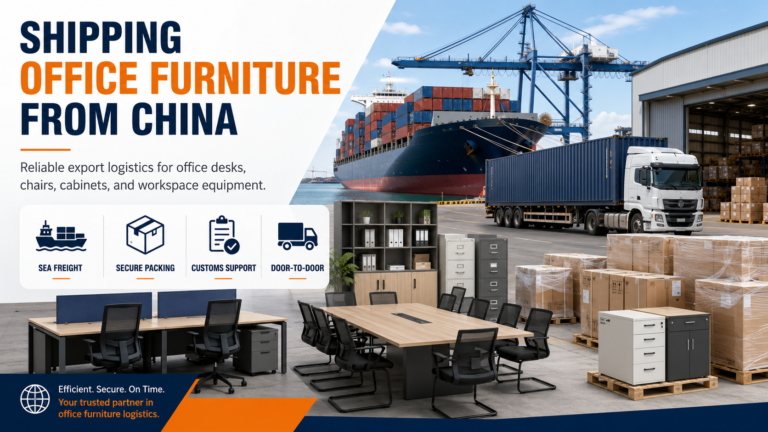
Learn how to ship office furniture from China by sea freight, air freight, FCL, LCL, and door-to-door delivery. Compare costs, customs clearance...
Read guide →
How to Ship Furniture from China to Germany Verified & Reviewed · Last updated June 2026 Shipping furniture from China to Germany requires the ri...
Read guide →
China has long been a leading global supplier of a wide range of products, including carpets and rugs. As one of the oldest and most well-establi...
Read guide →Kitchen Cabinet Shipping from China: Complete Import Guide Verified & Reviewed · Last updated May 2026 Kitchen cabinet shipping from China requir...
Learn more → Useful Resource How to Source Furniture from Foshan and Ship OverseasHow to Source Furniture from Foshan and Ship Overseas Verified & Reviewed · Last updated July 2026 Sourcing furniture from Foshan gives internati...
Learn more →WhatsApp us