Related Guide
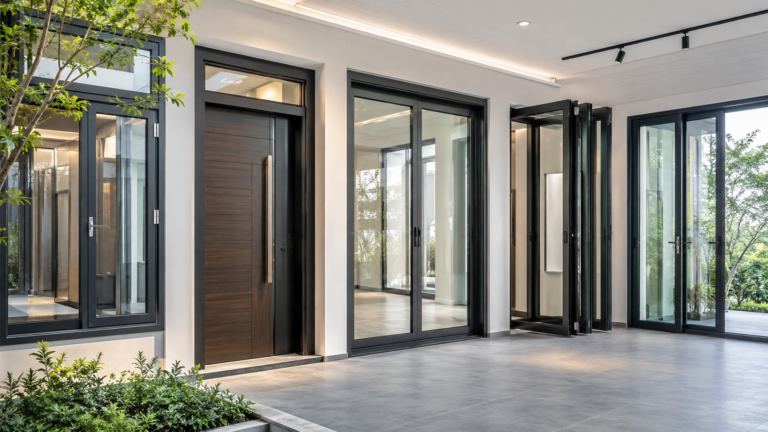
Doors and Windows Shipping from China
Doors and Windows Shipping from China: Complete Import Guide Verified & Reviewed · Last updated May 2026 Importing doors and windows from China i...
Read guide →

Building materials shipping from China helps importers, contractors, home builders, and construction firms move tiles, flooring, doors, windows, stone, furniture, steel parts, and other construction materials safely and cost-effectively.
This guide explains the main shipping methods, FCL and LCL options, estimated shipping costs, customs clearance documents, packaging requirements, and key risks when importing building materials from China.
Sea Freight
FCL & LCL options
Customs & documents
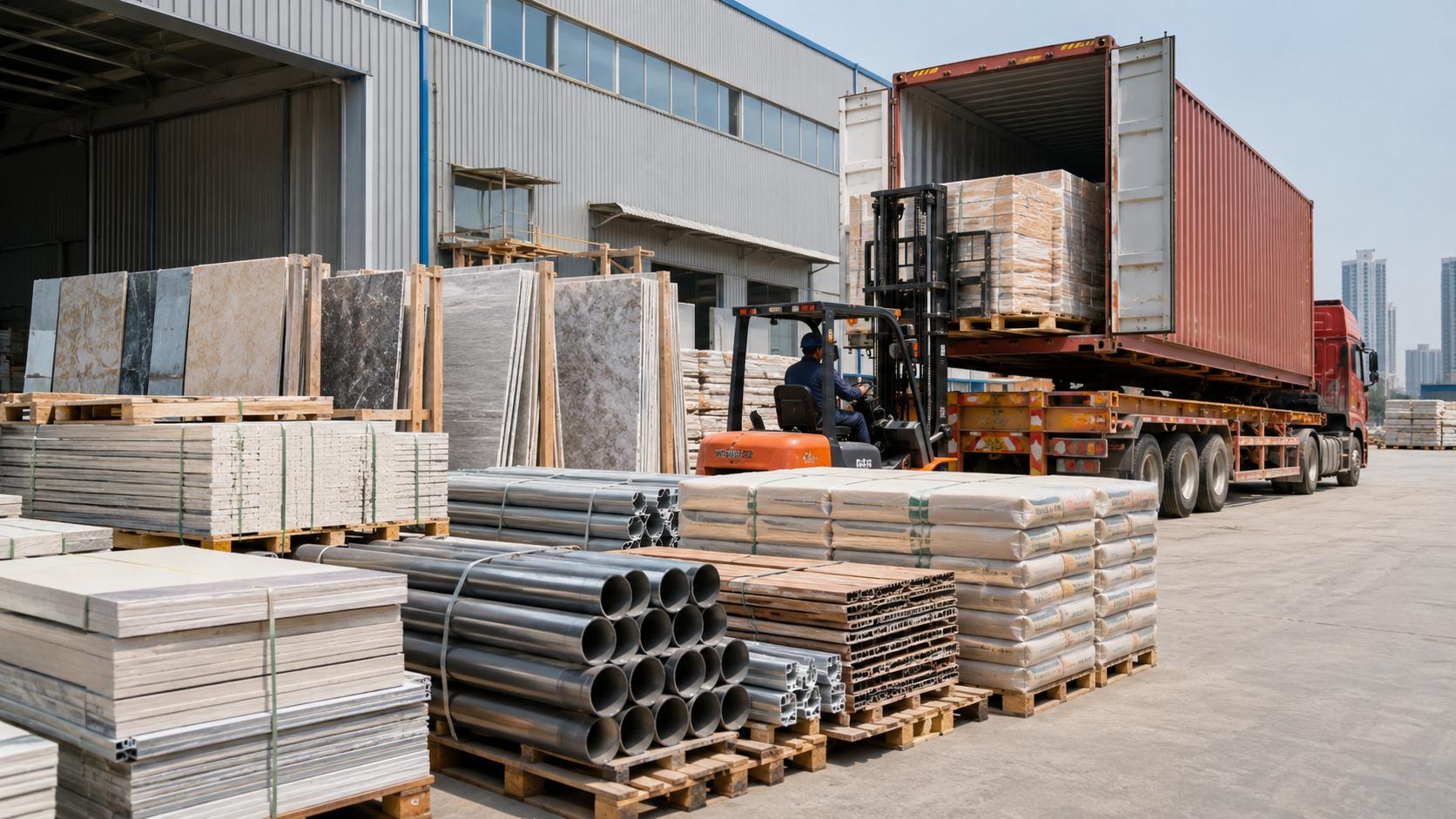
Many buyers import building materials from China because Chinese manufacturers offer a wide product range, strong production capacity, and flexible customization. For residential houses, apartments, hotels, offices, retail stores, and commercial construction projects, China can provide both standard materials and premium materials for different budgets.
One major reason is cost control. Compared with many local markets, building materials from China often come with lower manufacturing costs and more supplier options. This is useful when a project needs large quantities of tiles, doors, windows, flooring, cabinets, lighting, furniture, or other materials.
Importers also choose China because many building material suppliers can support custom designs. Buyers can request specific sizes, colors, finishes, packaging methods, and matching product sets for the whole project.
For example, one project may source:
Ceramic tile and natural stone for flooring and wall areas
Aluminum windows and wooden doors for the main structure
Bathroom vanities, toilets, mirrors, and shower hardware
Kitchen cabinets, wardrobes, and interior furniture
Lighting products, switches, sockets, and decorative panels
Steel frame materials, glass, insulation, and exterior products
This makes China attractive for home builders and contractors who need many materials from different categories. Still, lower prices should not be the only focus. The supplier’s quality systems, export experience, packaging ability, and communication are just as important as the product price.
China exports a wide range of building materials for residential, commercial, and renovation projects. Some products are used for interior fit-out, while others are used for structural work, exterior systems, or project finishing. Before shipping, importers should confirm each material’s size, weight, packaging method, and customs code.
Interior fit-out products are among the most commonly shipped building materials from China because they are standardized, easy to source, and supported by mature supplier clusters.
Common products include:
Cabinets and vanities: kitchen cabinets, bathroom cabinets, wardrobes, and custom storage units.
Flooring materials: SPC flooring, LVP flooring, engineered wood flooring, and laminate flooring.
Tiles and stone: ceramic tiles, porcelain tiles, marble, granite, quartz, and artificial stone.
Bathroom fixtures: faucets, sinks, toilets, bathtubs, shower screens, and bathroom hardware.
Interior furniture: hotel furniture, apartment furniture, office furniture, and custom project furniture.
Structural and exterior building materials are usually heavier and require stronger packaging or full container shipping. They are often used for commercial buildings, warehouses, villas, and prefabricated projects.
Common products include:
Aluminum systems: aluminum doors, windows, curtain walls, and profiles.
Steel materials: steel frame parts, H-beams, steel pipes, brackets, and structural fittings.
Glass products: tempered glass, laminated glass, insulated glass, and shower glass.
Exterior panels: fiber cement boards, aluminum panels, composite wall panels, and cladding materials.
Roofing and insulation materials: roofing sheets, insulation panels, waterproof materials, and exterior protection products.
Small accessories are often shipped together with larger building materials. Although they may not take much space, they are important for installation and project completion.
Common accessories include:
Hardware: hinges, locks, handles, screws, brackets, rails, and sliding systems.
Lighting products: indoor LED lights, commercial lighting, outdoor lighting, and smart lighting systems.
Electrical accessories: switches, sockets, cables, LED drivers, and control parts.
Installation materials: sealants, adhesives, fasteners, edging strips, and support parts.
For mixed building material shipments, it is better to group products clearly on the packing list. This helps the freight forwarder plan container loading and helps customs identify each product correctly.
Sourcing building materials from China should be planned together with shipping. Many materials are heavy, fragile, bulky, or customized, so importers should confirm supplier quality, packaging, and delivery details before production is finished.
A clear sourcing plan can help reduce product mistakes, shipping damage, customs delays, and unexpected costs.
China has many building material suppliers, but quality and service can vary. Importers should not choose a supplier only because the price is low.
Before placing an order, check:
Export experience
Product quality
Production capacity
Packaging standards
Delivery time
Ability to provide samples
Previous project experience
For larger projects, working with experienced manufacturers, a sourcing agent, or an inspection company can help reduce risk.
Samples are important when importing tiles, flooring, stone, doors, windows, cabinets, bathroom products, and furniture. Photos may look good, but samples show the real color, surface finish, thickness, texture, and quality.
Before mass production, importers should confirm whether the sample matches the project design and whether the material is suitable for indoor use, outdoor use, or commercial applications.
For customized building materials, keeping approved samples is useful for later quality checks.
Quality control should be done before the goods leave China. Once the materials arrive at the destination country, replacement or return can be expensive.
A pre-shipment inspection can check:
Product quantity
Size and color
Surface finish
Accessories
Packaging condition
Labels and carton marks
For fragile or high-value materials, importers should also ask for packaging photos and loading photos before shipment. This helps reduce damage risk and makes the shipping process easier to control.
The best shipping method depends on cargo volume, weight, material type, budget, and delivery time. Most building materials are shipped by sea because they are heavy or bulky. Air freight and express shipping are usually used for samples, spare parts, or urgent project materials.
Sea freight is the most common option for shipping construction materials from China. It is suitable for tiles, stone, doors, windows, flooring, furniture, bathroom products, cabinets, glass, steel frame materials, and other large-volume shipments.
Sea freight is more cost-effective than air freight, especially for heavy and bulky cargo. It also allows importers to ship mixed materials from several suppliers in one container.
Sea freight is usually suitable when:
The shipment is heavy or bulky
The project does not require urgent delivery
The buyer wants lower shipping cost
Several suppliers need to be consolidated
The cargo includes fragile or oversized materials
A full container is needed for better loading control
For large construction projects, sea freight is usually the best long-term choice.
Air freight is faster than sea freight, but it is much more expensive. For this reason, it is not usually used for large building materials. However, it can be useful for urgent parts, samples, project replacements, or high-value small cargo.
For example, if a construction project is missing locks, hinges, LED drivers, handles, fittings, electronic parts, or small decorative items, air freight can help reduce project delays.
Air freight is suitable when:
The cargo is small but urgent
The material is needed for installation
The project cannot wait for sea freight
The cargo value is high enough to support air cost
Samples need to arrive quickly before bulk production
For heavy materials such as tiles and stone, air freight is usually not practical unless the quantity is very small.
Door-to-door shipping is a good option for importers who want one logistics partner to manage the entire process. It can include supplier pickup in China, export customs declaration, international freight, customs clearance support, and local delivery to the warehouse, business address, or project site.
This option is useful for first-time importers, small businesses, home builders, and buyers who do not have their own customs broker or local trucker.
Door-to-door shipping may cost more than port-to-port shipping, but it can reduce communication problems and make the process easier to manage. Instead of coordinating with several different parties, the importer works with one freight forwarder from China to destination delivery.
FCL and LCL are both common sea freight options, but they are used for different shipment sizes and cargo types.
FCL means full container load. The shipment uses a whole container. LCL means less than container load. The shipment shares container space with other cargo.
For building materials, the decision should not be based only on volume. Weight, fragility, package strength, loading risk, and destination handling should also be considered.
FCL shipping is usually better for large, heavy, fragile, or project-based building materials. Since the cargo is loaded into one container for one importer, there is less warehouse handling and better loading control.
FCL is recommended for:
Tiles
Natural stone
Glass
Doors
Windows
Furniture
Cabinets
Flooring
Steel frame parts
Mixed materials from several suppliers
Fragile or high-value construction materials
A 20GP container is often used for heavy materials such as tiles, stone, steel, and glass because these products may reach the weight limit before filling the container space.
A 40HQ container is often used for bulky but lighter materials such as doors, windows, furniture, cabinets, flooring, and decorative panels.
For project cargo, FCL shipping can also make customs clearance and delivery more organized because all materials arrive together under one shipping plan.
LCL shipping is suitable for smaller shipments that do not fill a container. It can be useful for samples, small orders, partial project materials, or early-stage purchases.
However, LCL requires more handling. Cargo is delivered to a warehouse in China, loaded with other shipments, unloaded at the destination warehouse, and then released for pickup or delivery. This means packaging must be strong enough for international warehouse handling.
LCL can work well for:
Small quantities
Samples
Hardware
Light fixtures
Small furniture orders
Non-fragile materials
Trial orders before bulk shipment
For fragile building materials, LCL should be used carefully. If the packaging is weak, damage risk can be higher than FCL.
The cost of shipping building materials from China depends on the cargo size, weight, shipping method, destination port, and final delivery address. Since building materials are often heavy or bulky, sea freight is usually the most cost-effective option.
| Shipping Option | Best For | Reference Cost |
|---|---|---|
| LCL Shipping | Small shipments, samples, partial building materials | USD 50–150 per CBM |
| 20ft Container | Heavy materials such as tiles, stone, steel, and glass | USD 1,500–3,500 |
| 40ft / 40HQ Container | Doors, windows, flooring, furniture, cabinets, and mixed project car | USD 2,500–5,500 |
| Customs Broker Fee | Import declaration and customs clearance support | USD 100–300 |
| Local Delivery | Port-to-warehouse, port-to-home, or project site delivery | USD 300–1,500+ |
| Cargo Insurance | Fragile or high-value building materials | 0.3%–0.5% of cargo value |
These are general reference ranges only. The final shipping cost may change depending on cargo weight, volume, route, season, destination charges, customs duties, and delivery requirements.
Building materials shipping costs depend on cargo size, weight, route, service type, and customs requirements. Importers should look at the full landed cost, not only the ocean freight or air freight rate.
Cargo weight and volume:
Heavy materials such as tiles, stone, steel, and glass may reach container weight limits quickly. Bulky products such as doors, windows, cabinets, and furniture may take more container space.
Shipping method:
Sea freight is usually best for large and heavy shipments. Air freight and express are faster but much more expensive. Door-to-door shipping is easier, while port-to-port shipping may cost less.
Pickup and delivery location:
Supplier location in China and the final delivery address both affect cost. Delivery to an inland city or construction site usually costs more than delivery to a major port or warehouse.
Packaging requirements:
Fragile or high-value materials may need wooden crates, pallets, foam, corner protection, or moisture-proof packaging. This adds cost but helps reduce damage.
Customs duties and taxes:
Duties depend on the HS code, product material, declared value, and destination country. Some materials may also need extra certificates or compliance documents.
Shipping season:
Freight rates may increase during peak seasons, holidays, or periods of tight container space.
A reliable freight forwarder can help compare different options and choose the most cost-effective shipping plan.
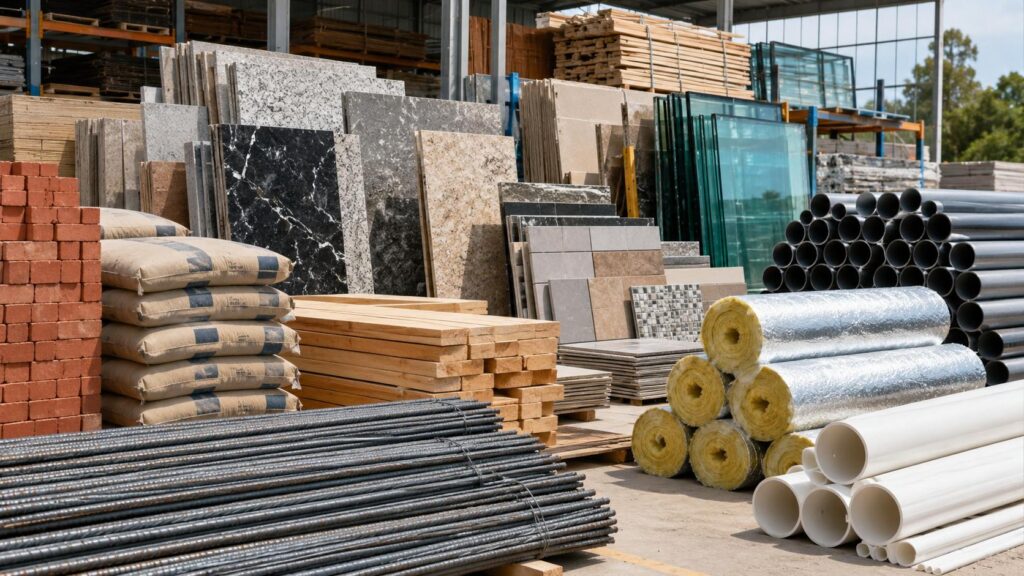
Packaging is one of the most important parts of building materials shipping from China. Many materials are heavy, fragile, long, sharp, or easy to scratch. If the packaging is only suitable for domestic transport inside China, it may not survive international shipping.
Export packaging should protect the goods during factory loading, inland trucking, warehouse handling, container loading, sea transport, customs inspection, unloading, and local delivery.
Fragile materials need stronger packaging than normal cartons. Ceramic tile, natural stone, marble, granite, glass, and bathroom products are easy to break if they are not packed correctly.
Recommended packaging may include:
Strong cartons
Wooden pallets
Wooden crates
Corner protection
Foam or soft padding
Plastic wrapping
Moisture-proof protection
Clear fragile marks
Strong strapping
For wooden packaging, some countries may require fumigation or heat-treatment marks. Importers should confirm this before shipment.
For high-value or fragile materials, it is also smart to ask the supplier for packaging photos before pickup. If the packaging looks weak, it should be improved before the goods leave the factory.
Container loading is very important when importing mixed building materials from several Chinese suppliers. Heavy cargo should not crush fragile items. Long materials should be fixed properly. Empty space should be reduced to avoid movement during transport.
A good loading plan should consider:
Heavy items placed at the bottom
Fragile items protected and separated
Wooden crates fixed tightly
Doors and windows loaded vertically or safely supported
Furniture protected from pressure
Cargo weight distributed evenly
Package marks facing outward when possible
Loading photos taken for record
For FCL shipments, loading supervision can help reduce risk. It also gives the importer useful evidence if damage happens during transport.
Customs clearance is a key step when importing building materials from China. Before shipment, the product name, quantity, value, HS code, weight, package details, and country of origin should be clearly listed in the shipping documents. If the commercial invoice, packing list, and bill of lading do not match, customs may request extra information or hold the cargo for inspection.
For building materials, customs may also check product material, usage, certification, and packaging type. This is especially important for wood products, glass, steel parts, tiles, flooring, lighting, and other construction materials that may have local safety or compliance requirements.
Most building material shipments require several basic documents:
Commercial Invoice: Shows product name, quantity, unit price, total value, HS code, and trade term.
Packing List: Shows package count, weight, volume, dimensions, and packing details.
Bill of Lading: Used for sea freight and confirms the shipper, consignee, container number, seal number, and cargo description.
Certificate of Origin: Confirms where the goods were produced and may affect duty calculation.
Arrival Notice: Issued before the cargo arrives at the destination port.
For mixed building materials, each product should be described clearly. For example, tiles, doors, windows, cabinets, and lighting should not be declared only as “building materials.”
Some products may need extra documents depending on the destination country and product type:
Fumigation Certificate: Required when wooden pallets, wooden crates, or solid wood packaging are used.
Test Reports: May be needed for glass, tiles, flooring, insulation, or fire-rated materials.
Material Certificate: Common for steel, aluminum, stone, and structural components.
Compliance Certificate: May be required for lighting, switches, bathroom electronics, or smart products.
Importers should confirm these requirements before production ends. Missing documents can delay customs clearance and increase storage fees.
Customs duties depend on the HS code, product material, declared value, and destination country. Ceramic tiles, natural stone, wooden doors, aluminum windows, steel frame parts, furniture, and lighting may all have different duty rates.
Before shipping, importers should confirm the correct HS code, duty rate, VAT or GST, and any additional tariff or anti-dumping duty with a customs broker.
A clear document set helps the shipment move through customs faster and reduces the risk of delays, inspection, and unexpected charges.
Importing building materials from China can reduce purchasing costs, but the process also involves product, packaging, customs, and delivery risks. Most problems happen when buyers only compare product prices and ignore the details that affect the full import process.
Building materials are closely related to project installation and long-term use. If the supplier does not control quality well, buyers may receive products with color differences, wrong sizes, weak materials, poor surface finish, or missing accessories.
This is common with tiles, flooring, doors, windows, cabinets, glass, furniture, and bathroom products.
To reduce this risk, importers should confirm samples before production and arrange inspection before shipment.
Many building materials are heavy or fragile. Domestic packaging may not be strong enough for international shipping, especially for sea freight and LCL shipments.
Ceramic tiles, natural stone, glass, doors, windows, and furniture should use stronger cartons, pallets, wooden crates, corner protection, foam, or moisture-proof packaging when needed.
Poor packaging may lead to:
Broken tiles or stone
Scratched doors and windows
Damaged furniture
Deformed frames
Extra replacement costs
Building materials often include different product types in one shipment. If all products are declared vaguely as “building materials,” customs may request more information or hold the cargo for inspection.
For example, tiles, natural stone, wooden doors, aluminum windows, steel parts, lighting, and furniture may all need different HS codes.
Before shipping, importers should check the commercial invoice, packing list, HS code, declared value, and required documents with a customs broker.
Some buyers only compare the product price and forget to calculate the full landed cost. The final cost may include freight, customs duties, VAT or GST, destination charges, warehouse fees, local delivery, insurance, and packaging upgrades.
This is why importers should ask for a full shipping estimate before production ends, especially for heavy or bulky construction materials.
Building materials are often connected to a fixed construction schedule. If production, inspection, shipping, customs clearance, or local delivery is delayed, the whole project may be affected.
To avoid delays, importers should leave enough time for production, shipping, customs clearance, and final delivery instead of planning everything too close to the installation date.
Tonlexing helps importers arrange building materials shipping from China by providing flexible freight solutions based on cargo type, project schedule, and budget.
For buyers purchasing from one supplier, Tonlexing can arrange pickup, export customs declaration, sea freight, air freight, customs clearance support, and destination delivery. For buyers purchasing from multiple Chinese suppliers, Tonlexing can help consolidate goods in China and ship them together.
This is especially useful for building material projects because one project may involve tiles from Foshan, doors from Zhejiang, lighting from Guangdong, furniture from Jiangsu, and hardware from another supplier. Instead of shipping each order separately, consolidation can make the process easier and reduce total shipping cost.
Tonlexing can assist with:
Supplier pickup in China
Warehouse consolidation
Cargo checking and photos
Export customs declaration
FCL and LCL sea freight
Air freight and express shipping
Door-to-door shipping
Customs clearance coordination
Local delivery arrangement
Shipping advice for fragile and heavy cargo
For contractors, home builders, wholesalers, and construction firms, working with an experienced freight forwarder can make the entire process more controlled from China to the final destination.
You can import ceramic tiles, flooring, doors, windows, cabinets, furniture, natural stone, glass, lighting, sanitary ware, steel frame materials, hardware, panels, and many other construction materials from China. The exact product choice depends on your project needs, quality requirements, budget, and destination country regulations.
In many cases, importing building materials from China can reduce purchasing costs because China has strong manufacturing capacity, mature supply chains, and competitive prices. However, the final cost should include product price, shipping, packaging, inspection, customs duties, taxes, and local delivery.
Sea freight is usually the best method for building materials because most materials are heavy or bulky. FCL shipping is better for large orders and fragile cargo. LCL shipping can be used for smaller shipments. Air freight and express shipping are mainly suitable for samples, spare parts, and urgent small cargo.
Yes, a customs broker is recommended for commercial building material imports. A customs broker helps confirm HS codes, prepare import declarations, calculate duties and taxes, and support customs clearance.
Yes. Many importers buy different materials from several suppliers and consolidate them in China before shipping. This can reduce shipping cost, improve container loading, and make the import process easier to manage.
Useful freight, customs and importing resources related to this shipping guide.
Doors and Windows Shipping from China: Complete Import Guide Verified & Reviewed · Last updated May 2026 Importing doors and windows from China i...
Read guide →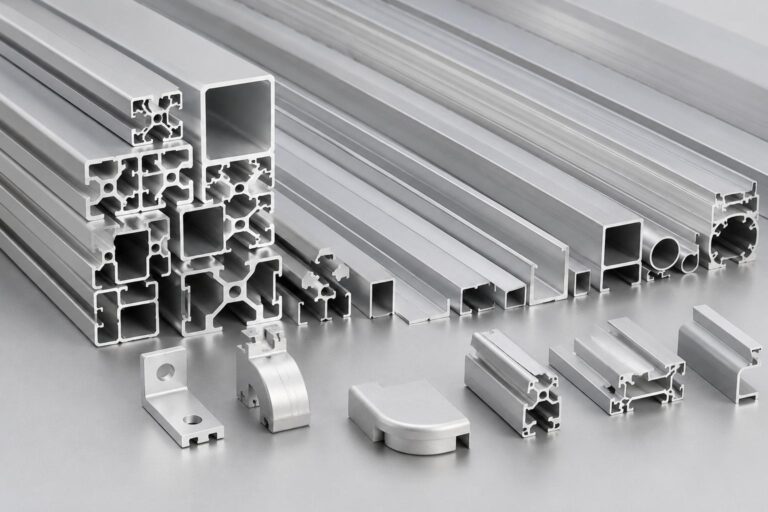
Aluminum Profile Shipping from China Verified & Reviewed · Last updated May 2026 Aluminum profile shipping from China varies depending on profile...
Read guide →
Kitchen Cabinet Shipping from China: Complete Import Guide Verified & Reviewed · Last updated May 2026 Kitchen cabinet shipping from China requir...
Read guide →
China is a global leader in the production of stainless steel sheets, offering high-quality products at competitive prices. These sheets are wide...
Read guide →In recent years, the global interest in container houses has skyrocketed, and for good reason. Container houses offer a unique blend of affordabi...
Learn more → Useful Resource Shipping Oversized Cargo from ChinaShipping Oversized Cargo from China Verified & Reviewed · Last updated February 2026 Shipping oversized cargo from China depends on cargo dimensi...
Learn more →WhatsApp us