Related Guide
Shipping from China to Yemen
Shipping from China to Yemen – Sea, Air & Door-to-Door in 2026 Fast, reliable shipping from China to Yemen for B2B importers,industrial cargo, an...
Read guide →

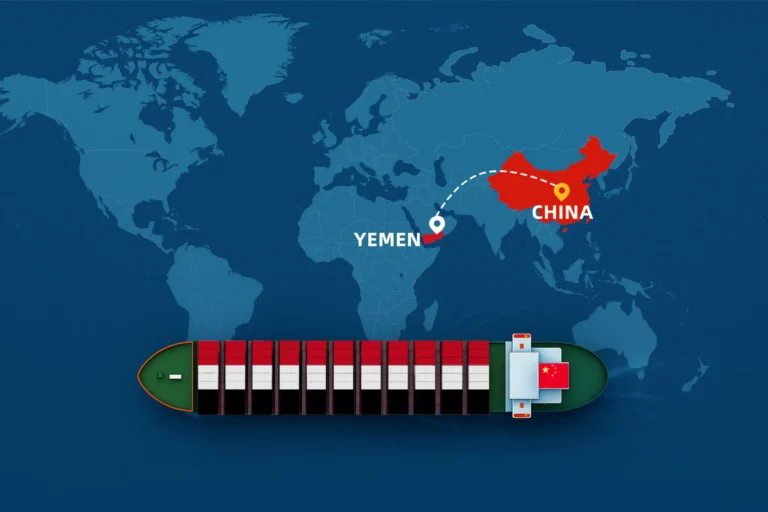
20ft & 40ft Container Shipping Costs from China to Yemen vary depending on container shipping rates, sea freight routes, transit times, Yemen port conditions, and total shipping charges.
This guide explains 20ft 40ft Container Shipping Costs from China to Yemen, covering major Yemen ports such as Aden, Hodeidah, and Mukalla, and detailing key cost factors including ocean freight, port charges, customs clearance, fuel prices, and destination charges.
Shipping method / Mode
Transit time range
DDP / Door to Door
Container shipping costs from China to Yemen change frequently. Compared with stable shipping routes to Europe or North America, Yemen routes are more sensitive to carrier capacity, Red Sea and Gulf of Aden risk, fuel prices, port congestion, container availability, and destination handling conditions.
The average price ranges below are for standard dry containers. Actual container rates may be higher or lower depending on cargo details, shipping route, container load, shipping terms, and current market conditions.
| Shipping Option | Estimated Cost | Best For | Estimated Transit Time |
|---|---|---|---|
| 20ft container | $1,500–$3,600 | Heavy cargo, machinery, tools, dense goods | 28–38 days |
| 40ft container | $2,800–$6,200 | Large shipments, furniture, building materials | 28–38 days |
| 40HQ container | $3,000–$6,500 | Bulky cargo, high-volume goods | 28–40 days |
| LCL shipping | $80–$180 per CBM | Smaller shipments, mixed cargo | 30–45 days |
These prices are only for reference. The accurate quote depends on the origin city, Yemen destination port, cargo type, cargo weight, cargo volume, freight rates, customs clearance requirements, and whether door delivery is included.
A 20ft container is commonly used for cargo that is heavy but does not require the full space of a 40ft container. It is suitable for machinery, metal parts, hardware, ceramic tiles, stone products, tools, batteries, equipment, chemicals, and other dense goods.
A 20ft container is a good option when your cargo is heavy but compact. It can carry a large weight, but the internal volume is smaller than a 40ft container.
You should choose a 20ft container when:
The shipment is heavy and dense
The cargo volume is not enough for a 40ft container
You want full container load control
The goods should not be mixed with other shipments
The cargo is fragile, valuable, or difficult to handle in LCL
The importer wants more predictable customs documentation
A 20ft container is usually better than LCL when your shipment is large enough to justify a full container. It reduces handling, lowers cargo damage risk, and can make the customs clearance process easier.
A 40ft container is suitable for larger shipments and high-volume cargo. It is widely used for furniture, building materials, home appliances, textiles, cartons, retail products, solar products, packaging materials, and mixed commercial goods.
Compared with a 20ft container, a 40ft container has a higher total shipping cost, but it usually offers a lower average price per CBM when fully loaded.
A standard 40ft container provides about twice the cargo volume of a 20ft container. It is a cost effective choice when the shipment is large enough to fill most of the container.
A 40ft container is suitable for:
Furniture
Home appliances
Textiles and garments
Building materials
Auto parts
Solar products
Retail goods
Mixed supplier cargo
Large commercial shipments
A 40HQ high cube container offers more internal height than a standard 40ft container. It is a good choice for cargo that takes up more space but is not extremely heavy.
A 40HQ container is commonly used for:
Foam products
Furniture
Plastic goods
Large cartons
E-commerce goods
Lightweight household items
Packaging products
Bulky but light cargo
High cube containers are generally pricier than standard containers, but they can reduce the shipping container transport cost per unit when the cargo volume is high.
The shipping route has a direct impact on container shipping rates. Rates from Shanghai, Ningbo, Shenzhen, Guangzhou, Qingdao, Xiamen, and Tianjin may be different because of carrier schedules, local charges, inland transport costs, and container availability.
| Route | 20ft Container | 40ft Container | Estimated Transit Time |
|---|---|---|---|
| Shanghai to Aden | $1,500–$2,800 | $2,800–$5,200 | 28–38 days |
| Ningbo to Aden | $1,600–$3,000 | $2,900–$5,400 | 28–40 days |
| Shenzhen to Aden | $1,700–$3,200 | $3,000–$5,600 | 28–38 days |
| Guangzhou to Aden | $1,700–$3,300 | $3,100–$5,700 | 30–40 days |
| Qingdao to Aden | $1,900–$3,500 | $3,300–$6,000 | 32–42 days |
| Ningbo to Hodeidah | $2,000–$3,600 | $3,400–$6,200 | 35–45 days |
These container rates are market references. The actual cost to ship may vary depending on cargo details, freight rates, carrier capacity, destination charges, and port congestion.
Aden is one of the most commonly used Yemen ports for container shipping. Many shipments from Shanghai, Ningbo, Shenzhen, Guangzhou, and Qingdao are routed to Aden because it is suitable for general cargo and commercial imports.
Shipping to Aden is often used for:
General trading cargo
Machinery and tools
Furniture and household goods
Building materials
Electronics and appliances
Auto parts
Solar products
For many importers, Aden provides a practical balance between transit times, carrier options, and customs clearance arrangements.
Hodeidah is another important Yemen port, especially for cargo moving to northern areas. However, port conditions and transit times may vary more than Aden. Some shipments may require additional handling, longer waiting time, or special booking confirmation.
Mukalla may also be used for selected shipments, depending on cargo destination and route availability.
When shipping to Hodeidah or Mukalla, importers should confirm:
Whether the carrier accepts the destination port
Current port operation status
Destination charges
Local customs requirements
Inland delivery availability
Estimated transit times and possible delays
Choosing the right origin and destination port can affect container shipping costs, transit times, container availability, and final delivery efficiency. For shipments from China to Yemen, most containers move through major Chinese export ports and arrive at Yemen ports such as Aden, Hodeidah, or Mukalla.
China has many large container ports with regular international shipping services. The best origin port usually depends on your supplier’s location, cargo type, and available carrier schedules.
Common departure ports include:
Shanghai Port: Suitable for suppliers in Shanghai, Jiangsu, Zhejiang, and nearby industrial areas.
Ningbo Port: A strong option for exporters in Zhejiang and eastern China, with competitive ocean freight rates.
Shenzhen Port: Common for cargo from Guangdong, especially electronics, furniture, and consumer goods.
Guangzhou Port: Suitable for shipments from southern China and mixed supplier cargo.
Qingdao Port: Often used for cargo from northern China, including machinery, tires, tools, and industrial products.
Xiamen Port: A practical option for suppliers in Fujian and nearby regions.
Tianjin Port: Suitable for shipments from Beijing, Hebei, and northern inland cities.
A freight forwarder can help compare different ports based on inland trucking cost, sailing schedule, container rates, and available space.
Yemen’s main ports for container shipping include Aden, Hodeidah, and Mukalla. The right destination port depends on the final delivery area, cargo type, customs requirements, and current port conditions.
Common Yemen ports include:
Aden Port: One of the most commonly used ports for container shipping to Yemen. It is often preferred for general cargo, commercial goods, machinery, furniture, and building materials.
Hodeidah Port: An important port for shipments moving to northern Yemen. Importers should confirm current port conditions, carrier acceptance, and possible delays before booking.
Mukalla Port: Used for selected shipments and regional delivery needs, depending on route availability and final destination.
For most commercial shipments, Aden is often the more practical choice because it has more common routing options and is widely used for container transport. However, shipments to Hodeidah or Mukalla may be better when the consignee is located closer to those areas.
Sea freight is the main shipping method for container transport from China to Yemen. It is the best choice for large shipments, heavy cargo, and goods that do not require urgent delivery.
Sea freight transit times from China to Yemen usually range from 28 to 38 days for many FCL shipments. LCL shipments may take 30 to 45 days because of consolidation and deconsolidation.
Transit times can be affected by:
Origin port in China
Destination port in Yemen
Carrier schedule
Transshipment time
Port congestion
Weather conditions
Customs clearance
Container availability
Market conditions
Yemen shipments may take longer when there are port delays, carrier routing changes, or destination handling issues.
Sea freight is the preferred method because it provides the lowest cost for large cargo volume. A single ocean container can move a large amount of goods, making it suitable for importers who need stable supply and better unit shipping costs.
Sea freight is ideal for:
Heavy cargo
Large shipments
Non-urgent goods
Regular import orders
Bulk commercial cargo
Construction and industrial products
For most importers, sea freight offers the best balance between cost, capacity, and reliability.
Importers can choose between FCL shipping and LCL shipping based on cargo volume, budget, and delivery requirements. Choosing the right container load method has a direct impact on shipping costs, handling risk, and transit times.
FCL means Full Container Load. You book an entire container for your cargo, and your goods do not share container space with other international shipments.
FCL shipping is usually better for large shipments, valuable goods, fragile cargo, and regular import orders. It offers fewer handling steps, better cargo control, and more predictable shipping.
FCL is suitable when:
The shipment can fill most of a 20ft, 40ft, or 40HQ container
The cargo is heavy or valuable
The importer wants better security
The cargo should not be mixed with other shipments
Faster port release is preferred
The shipment requires cleaner documentation
For larger shipments, FCL is usually more efficient and cost effective than LCL.
LCL means Less than Container Load. Your cargo shares container space with other shipments. This option is suitable for smaller shipments that do not require a full container.
LCL allows importers to pay based on cargo volume, usually per CBM. It is flexible and cost effective for small orders, samples, or mixed supplier cargo.
LCL is suitable for:
Small commercial shipments
Trial orders
Samples
Cargo below 10–15 CBM
Importers buying from several suppliers
Shipments that do not justify a full container
However, LCL shipments typically have longer transit times than FCL. This is because cargo needs consolidation in China, unloading at the destination, deconsolidation, and additional warehouse handling.
When the LCL volume becomes high, the total cost may be close to a 20ft container. In that case, FCL may become the better option.
Container shipping costs from China to Yemen can vary widely depending on the shipping route, container type, cargo details, freight rates, and market conditions. Because Yemen is a sensitive destination, prices may change when carrier space is limited, fuel prices rise, or destination charges increase.
Several key factors include:
Container type: 20ft, 40ft, high cube, refrigerated, and flat rack options have different rates.
Cargo size and weight: Heavy goods may be better for a 20ft box, while bulky goods may need a 40ft or high cube option.
Shipping route: Rates differ by departure city in China and final destination in Yemen.
Fuel prices: Higher fuel prices can lead to ocean freight rate adjustments.
Peak season: A holiday rush before Chinese New Year, Ramadan, Eid, or year-end periods may increase prices.
Carrier availability: Many carriers adjust space and pricing based on route risk and demand.
Special goods: Dangerous goods, batteries, chemicals, refrigerated products, and oversized equipment may require extra handling.
Destination charges: Local handling, inspection, customs duties, and inland delivery can affect the total shipping cost.
Customs clearance is an important part of container shipping from China to Yemen. Even if the container arrives at the Yemen port on time, cargo may still be delayed if the shipping documents are incomplete, the HS code is incorrect, or the declared cargo value does not match the actual goods.
For Yemen-bound shipments, importers should prepare documents before the container leaves China. This helps reduce customs inspection risk, port storage fees, and delivery delays after arrival.
Most shipments from China to Yemen require the following documents:
Bill of lading
Import license if required
Product certificates for regulated goods
Insurance certificate if cargo insurance is purchased
The commercial invoice should clearly show the product name, quantity, unit price, total value, currency, supplier details, consignee details, and shipping terms. The packing list should match the actual cargo, including carton quantity, gross weight, net weight, package dimensions, cargo volume, and container number.
Customs duties in Yemen depend on the HS code, product type, declared cargo value, and local import regulations. Some products may require additional inspection, certificates, or import permits before customs release.
Extra attention is needed for:
Batteries and electronics
Chemicals and dangerous goods
Food products
Medical products
Telecom equipment
Machinery and spare parts
Regulated consumer goods
To avoid delays, importers should confirm the HS code and import requirements before shipping. A professional freight forwarder can help check shipping documents, arrange export customs declaration in China, and support customs clearance at the Yemen destination port.
To calculate the cost to ship a container from China to Yemen, importers need to consider the container type, shipping route, cargo weight, cargo volume, destination port, customs clearance, and delivery requirements.
You can use the Tonlexing Freight Calculator to get a quick estimate before requesting a formal quote. For a more accurate quote, prepare the following details:
Supplier address in China
Destination port or delivery address in Yemen
Container type, such as 20ft, 40ft, or 40HQ
Cargo name and HS code
Total weight and volume
Cargo value
Shipping terms, such as FOB, CIF, or DDP
Customs clearance or door delivery requirements
A container shipping cost calculator gives a useful reference, but the final container shipping rates may change based on current freight rates, port conditions, and carrier space.
Tonlexing provides flexible shipping services from China to Yemen, including FCL shipping, LCL shipping, sea freight, air freight, cargo consolidation, customs document checking, and door-to-door delivery.
Yemen routes can be affected by changing freight rates, carrier space, destination charges, and local import requirements. As an experienced freight forwarder in the logistics industry, Tonlexing helps importers compare routes, choose suitable services, and control the total shipping cost before booking.
With Tonlexing, you can get:
Updated container shipping rates
Route suggestions based on cargo details
Support for Aden, Hodeidah, and other Yemen destinations
FCL and LCL solutions for different shipment sizes
Help with shipping documents and customs duties
Clear communication from pickup to delivery
Whether you need to ship a container of machinery, furniture, building materials, electronics, textiles, or general goods, Tonlexing can help you choose a cost effective solution from China to Yemen.
A 20ft container from China to Yemen usually costs $1,500–$3,600. The final cost depends on the shipping route, cargo weight, fuel prices, port congestion, container availability, and Yemen destination charges.
A 40ft container from China to Yemen usually costs $2,800–$6,200 on major routes. The price may change during peak season or when war risk surcharges, port congestion fees, or special destination charges apply.
The cost to ship a container from China to Yemen usually ranges from $1,500–$6,500 for standard 20ft, 40ft, and 40HQ sea freight shipments. The final price depends on the container type, shipping route, cargo details, customs clearance, port charges, cargo insurance, and delivery requirements.
A 20ft container has a lower total price, but a 40ft container usually offers a better cost per CBM when fully loaded. For heavy and compact cargo, a 20ft container may be better. For bulky or high-volume cargo, a 40ft or high cube container is usually more cost effective.
The main factors include container type, cargo volume, cargo weight, shipping route, fuel prices, ocean freight rates, port congestion, container availability, destination charges, market conditions, and peak season demand.
Useful freight, customs and importing resources related to this shipping guide.
Shipping from China to Yemen – Sea, Air & Door-to-Door in 2026 Fast, reliable shipping from China to Yemen for B2B importers,industrial cargo, an...
Read guide →
Shipping to Yemen from China has become increasingly important for businesses looking to meet the growing demand for imported goods such as comme...
Read guide →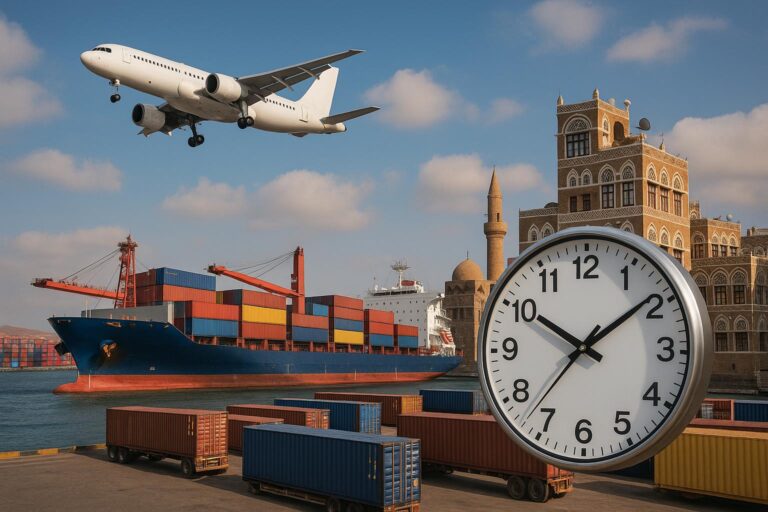
Shipping from China to Yemen is a vital part of many international trade and eCommerce operations in the Middle East. Whether you’re importing el...
Read guide →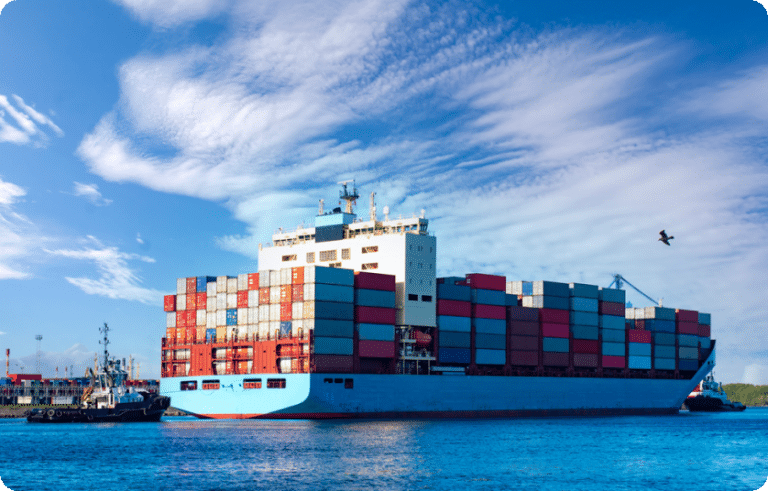
Sea freight is the most cost effective shipping method for large volumes and container load cargo. It is ideal for businesses looking to reduce s...
Read guide →Air freight from China is the best option for time sensitive and high value shipments. It offers fast delivery, reliable transit times, and effic...
Learn more → Useful Resource DDP Shipping from ChinaDDP shipping from China includes customs clearance, import duties, and final delivery. It is a convenient door to door service with clear and pre...
Learn more →WhatsApp us