Related Guide
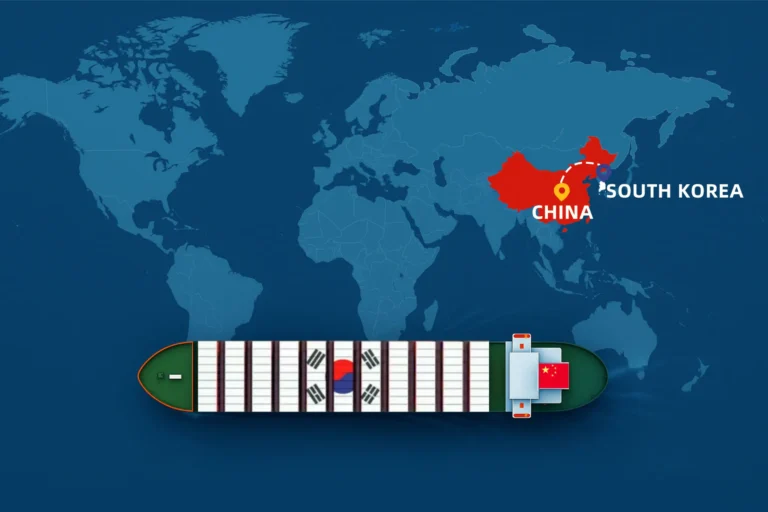
Shipping from China to South Korea
Shipping from China to South Korea – Sea, Air & DDP in 2026 Fast, reliable shipping from China to Korea for B2B importers,industrial cargo, and g...
Read guide →

Air freight from China to South Korea is a fast and reliable shipping method for urgent cargo, electronics, spare parts, samples, e-commerce goods, and high-value shipments.
This guide explains air freight costs, transit times, major airports, door to door delivery, DDP air shipping, customs clearance in South Korea, and how to choose the right freight forwarder for your shipment.
Air freight cost
Transit time range
DDP / Door to Door
Air freight shipping is often used when speed and reliability are more important than the lowest shipping costs. Compared with sea freight or LCL shipping, air cargo usually provides faster transit times, more predictable schedules, and easier cargo tracking.
For many importers, air freight is not only about fast transportation. It also helps reduce delays in production, supports urgent restocking, and keeps high-value cargo moving under a more controlled shipping process.
Main advantages include:
Fast shipping time for urgent shipments
Reliable service for high-value and time-sensitive goods
Better cargo tracking during international shipping
Lower inventory pressure due to faster delivery
Suitable for samples, electronics, spare parts, and e-commerce goods
Flexible door to door delivery options
However, air freight also has limitations. It has a higher carbon footprint than other shipping methods and is considerably more expensive than sea freight. Weight and size restrictions also apply, especially for bulky cargo, dangerous goods, and hazardous materials.
When comparing air freight options, importers should look at two separate points: freight cost and transit time. Freight cost means how much you pay for the shipment. Transit time means how long the cargo takes to move from China to South Korea.
These two factors are related, but they are not the same. Faster services usually cost more, while standard air freight often provides a better balance between price and delivery speed.
| Service Type | Estimated Freight Cost | Estimated Transit Time | Best For |
|---|---|---|---|
| Standard Air Freight | From USD 2.30/kg | 1–3 days | General cargo, electronics, spare parts |
| Priority Air Freight | USD 4.00–7.00/kg | 1–2 days | Urgent commercial shipments |
| Express Shipping | From USD 3.90/kg | 1–2 days | Samples, documents, small parcels |
| DDP Air Freight | Custom quote | 3–5 days | Door to door shipping with customs included |
Standard air freight is usually more cost effective for shipments above 100 kg, especially when the cargo is not extremely urgent. Express shipping is better for small packages that need faster handling and simpler delivery. DDP air freight is more suitable for importers who want one freight forwarder to handle pickup, air transportation, import procedures, duty payment, and final delivery in South Korea.
Air freight is calculated by chargeable weight. The chargeable weight is the greater of actual weight or volumetric weight.
Volumetric weight formula: Length × Width × Height in cm ÷ 6000
For lightweight but bulky cargo, volumetric weight may be higher than actual weight. In this case, the freight cost will be charged by volume instead of physical weight.
Efficient air freight from China to South Korea depends on strong connections between major airports in the two countries. These airports handle large volumes of international shipping every day and are equipped with modern facilities to manage different types of cargo.
China has several major airports that support regular cargo flights to South Korea. The best departure airport usually depends on the supplier’s location, cargo type, available airline space, and final delivery requirements.
Common departure airports include:
Shanghai Pudong International Airport (PVG): A major air cargo hub for electronics, machinery parts, fashion goods, and commercial shipments.
Beijing Capital International Airport (PEK): Suitable for cargo moving from northern China to South Korea.
Guangzhou Baiyun International Airport (CAN): Commonly used for consumer goods, electronics, and export cargo from southern China.
Shenzhen Bao’an International Airport (SZX): Convenient for suppliers in Shenzhen, Dongguan, and the Greater Bay Area.
Choosing the right airport can help reduce inland transportation time in China and improve the overall shipping schedule.
Incheon International Airport is the main international airport for air cargo entering South Korea. It handles most air freight shipments from China and offers strong connections for final delivery across the country.
Other airports may also be used depending on the route and final destination:
Incheon International Airport
Gimpo International Airport
Gimhae International Airport
Jeju International Airport
Choosing the right airport can reduce inland transportation time, improve delivery speed, and help control total shipping costs.
Although air freight is the fastest shipping method, some importers also compare sea freight when cargo volume is large or delivery is not urgent. Ocean freight is usually more cost effective for container load shipments, bulk shipments, and goods that can accept longer transit times.
China’s major ports provide frequent container services to South Korea. Shanghai Port handles over 40 million TEUs annually, while Shenzhen Port processes around 27 million TEUs each year.
Major South Korean ports include:
Busan Port: South Korea’s largest port, handling over 21 million TEUs annually.
Incheon Port: Processes around 3 million TEUs each year and serves the Seoul metropolitan area.
Gwangyang Port: Handles over 2.5 million TEUs annually and supports industrial cargo and container shipments.
Sea freight to Busan usually takes around 8–12 days on many routes. FCL shipping can be faster than LCL because it does not require consolidation and deconsolidation. LCL shipments usually take 9–16 days, making them more suitable for smaller cargo that is not time-sensitive.
Air freight, express shipping, and sea freight are all common shipping methods from China to South Korea. The right shipping mode depends on cargo volume, delivery urgency, budget, and the importer’s customs clearance needs.
Air freight is suitable for medium-sized urgent shipments. Express shipping is better for small parcels, samples, and documents. Sea freight is better for bulk shipments, full container load cargo, and large shipments where cost control is more important than speed.
Basic comparison:
| Service Type | Estimated Freight Cost | Estimated Transit Time | Best For |
|---|---|---|---|
| Standard Air Freight | From USD 2.30/kg | 1–3 days | General cargo, electronics, spare parts |
| Priority Air Freight | USD 4.00–7.00/kg | 1–2 days | Urgent commercial shipments |
| Express Shipping | From USD 3.90/kg | 1–2 days | Samples, documents, small parcels |
| DDP Air Freight | Custom quote | 3–5 days | Door to door shipping with customs included |
Sea freight is more cost effective for large shipments. As a market reference, 20GP sea freight from China to South Korea may cost around $292–$352, while 40GP sea freight may cost around $492–$589 in June 2026. LCL shipping may cost around $13.50 per cubic meter, but LCL shipments take longer because of consolidation and deconsolidation.
Door to door air freight is suitable for importers who want the shipment delivered directly from a supplier in China to an address in South Korea. It combines pickup, air freight, customs support, and final delivery into one arranged service, reducing the need to coordinate separate logistics providers.
DDP air shipping goes one step further. It is designed for importers who want customs duties, VAT handling, and final delivery included in the quote. This can make the entire logistics process easier, especially for e-commerce sellers, small businesses, and first-time importers.
With door to door air freight, the freight forwarder manages the main shipping steps, but duties and taxes may still be billed separately depending on the service terms.
It is commonly used for:
Commercial cargo that needs fast delivery
Importers without a local delivery partner in South Korea
Shipments collected from multiple suppliers in China
Goods delivered to warehouses, offices, stores, or homes
DDP air shipping includes air transportation, customs handling, duty payment support, VAT arrangement, and final delivery. This option is useful when the importer wants a clearer landed cost before the shipment arrives.
DDP services may include:
Pickup from supplier in China
Export declaration
Air freight transportation
Import procedures in South Korea
Duty and VAT handling
Final door delivery to the consignee
DDP is convenient, but it is not suitable for every product. Sensitive cargo, branded goods, lithium batteries, liquids, powders, cosmetics, chemicals, and hazardous materials may require additional checks before shipping.
Customs clearance is a key step when shipping goods from China to South Korea. Even though air freight transit times are short, shipments can still be delayed if the documents are incomplete, the customs value is inaccurate, or the product description does not match the goods shipped.
South Korea’s customs process is managed through the UNIPASS electronic customs system. Importers should prepare accurate documents before the shipment arrives to support faster review and release.
Most shipments entering South Korea require the following documents:
Packing list
Air waybill
Import declaration
Certificate of origin if claiming FTA benefits
Product certificates or permits for regulated goods
The commercial invoice and packing list should clearly show the product description, quantity, unit value, total value, country of origin, and consignee information.
South Korea generally applies 10% VAT on imported goods. Customs duties depend on the product classification, customs value, and applicable trade agreements.
The China–South Korea Free Trade Agreement (FTA), which took effect in 2015, has reduced or eliminated tariffs on many products traded between the two countries. In addition, both countries are members of RCEP, providing further trade facilitation benefits for eligible goods.
Importers should verify:
The correct HS code
Applicable duty rates
Whether FTA preferences apply
Whether a certificate of origin is required
Any import restrictions or licensing requirements
Most customs delays are caused by documentation issues rather than transportation problems. Preparing accurate paperwork before shipping can significantly reduce clearance time.
Common causes of delays include:
Incorrect HS code classification
Undervalued or inaccurate customs value
Missing commercial invoice or packing list
Incomplete product descriptions
Missing certificates or import permits
Customs inspection requests
Working with an experienced freight forwarder can help streamline customs clearance, reduce compliance risks, and ensure shipments move through South Korea’s customs process as efficiently as possible.
Air freight is typically used for products that require fast delivery, have a high value-to-weight ratio, or are part of a time-sensitive supply chain. Because air freight costs more than sea freight, it is usually chosen when speed, inventory control, or product value is more important than transportation cost.
China and South Korea have strong trade ties in industries such as electronics, manufacturing, automotive components, cosmetics, and e-commerce. As a result, a wide range of products move between the two countries by air every day.
Many businesses use air freight to transport production materials and components that are needed quickly to avoid manufacturing delays.
Common industrial cargo includes:
Electronic components
Semiconductors and circuit boards
Machinery parts
Automotive parts
Industrial equipment
Precision instruments
Manufacturing supplies
Retailers and distributors often choose air freight when products need to reach the market quickly or when inventory levels are low.
Frequently shipped consumer products include:
Mobile phones and accessories
Computers and consumer electronics
Fashion and apparel
Cosmetics and skincare products
Household products
Promotional items
E-commerce orders
Air freight is also widely used for small shipments that require fast delivery. These shipments are often related to product development, quality inspections, trade shows, or urgent customer orders.
Typical examples include:
Product samples
Prototype products
Replacement parts
Warranty parts
Medical supplies
Business documents
Before shipping, importers should verify whether the goods require special handling, product certification, or import approval. Items such as lithium batteries, liquids, cosmetics, chemicals, and other regulated products may be subject to additional airline or customs requirements.
The air freight shipping process from China to South Korea is relatively straightforward, especially when all shipping documents are prepared correctly before departure. A professional freight forwarder can coordinate each stage of the shipment to ensure timely delivery and smooth customs clearance.
Before departure, the shipment must complete export customs procedures in China. The required documents usually include a commercial invoice, packing list, and export declaration.
The process begins with cargo collection from the supplier or factory in China. The freight forwarder then confirms the cargo details, calculates the chargeable weight, and books space with the airline.
After customs release, the cargo is delivered to the airport and loaded onto the scheduled flight. Most shipments are transported through major airports such as Shanghai, Shenzhen, Guangzhou, or Beijing before arriving in South Korea.
Once the shipment arrives in South Korea, customs authorities review the import declaration and supporting documents. Duties, VAT, and any applicable inspections must be completed before the cargo can be released.
After customs clearance, the cargo is delivered to the consignee’s warehouse, office, store, or designated address. For door to door and DDP shipments, this final delivery stage is arranged by the freight forwarder as part of the service.
A professional freight forwarder can help importers compare air freight, express shipping, sea freight and door to door service. The cheapest shipping method is not always the best choice, especially when cargo is urgent or requires special handling.
Most freight forwarders handle documentation like bills of lading and commercial invoices, arrange cargo booking, provide cargo tracking, support customs procedures, and coordinate final delivery. A good forwarder should also explain the full cost before shipment so there are no unexpected destination charges.
When choosing a freight forwarder, check whether they can:
Provide stable air freight services from major Chinese airports
Support express shipments and urgent shipments
Handle customs documents accurately
Offer door to door shipping and DDP options
Compare air freight and sea freight costs
Provide cargo tracking and timely updates
Work with reliable suppliers and customs agents
Offer cost effective logistics solutions
Tonlexing can help importers arrange air freight from China to South Korea, including pickup in China, export documents, air cargo booking, customs support, cargo tracking, and door to door delivery. For businesses that need reliable service, transparent shipping rates, and timely delivery, working with an experienced China freight forwarder can make the entire logistics process easier and improve customer satisfaction.
Air freight usually takes 1–3 days for airport-to-airport service. Door to door delivery usually takes 3–5 days because it includes pickup, export handling, import procedures, and final delivery.
As a general reference, air freight costs from China to South Korea start from around USD 2.30 per kilogram in June 2026. The final quote depends on chargeable weight, cargo size, departure airport, destination address, service type, and airline space.
Yes. Express shipping usually delivers in 1–2 days and is suitable for samples, documents, small parcels, and urgent packages. Standard air freight is usually better for commercial cargo above 100 kg because it offers a better balance between cost and speed.
Yes. Sea freight is usually cheaper for bulk shipments and full container load cargo. FCL shipping costs around USD 292–352 for a 20-foot container in June 2026, while LCL shipping is charged by cubic meter and usually takes longer.
The main documents include a commercial invoice, packing list, air waybill, import declaration, HS code, and customs value details. A certificate of origin may be required if the importer wants to claim free trade agreement benefits.
Useful freight, customs and importing resources related to this shipping guide.
Shipping from China to South Korea – Sea, Air & DDP in 2026 Fast, reliable shipping from China to Korea for B2B importers,industrial cargo, and g...
Read guide →
Shipping Cost from China to South Korea (2026 Guide) Verified & Reviewed · Last updated May 2026 Shipping cost from China to South Korea in 2026...
Read guide →
How long does it take to ship from China to South Korea? For businesses importing goods or individuals purchasing from Chinese suppliers, knowing...
Read guide →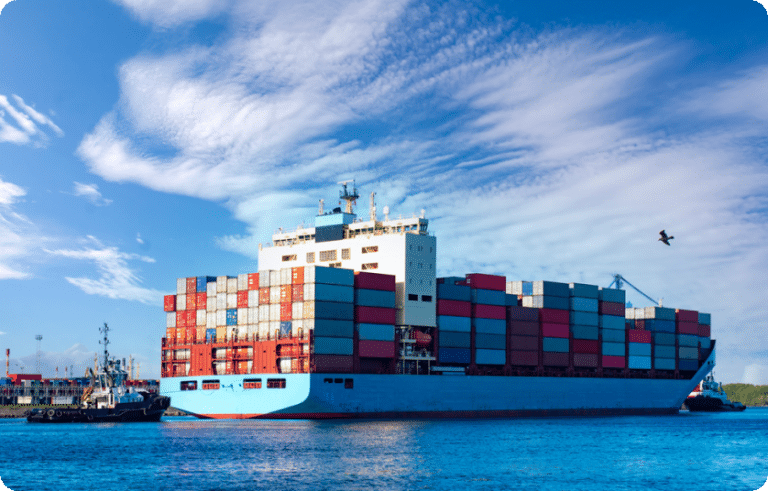
Sea freight is the most cost effective shipping method for large volumes and container load cargo. It is ideal for businesses looking to reduce s...
Read guide →20ft & 40ft Container Shipping Costs from China to South Korea Verified & Reviewed · Last updated June 2026 20ft and 40ft container shipping cost...
Learn more → Useful Resource DDP Shipping from China to South KoreaDDP Shipping from China to South Korea Verified & Reviewed · Last updated June 2026 DDP shipping from China to South Korea is a practical door-to...
Learn more →WhatsApp us