Related Guide
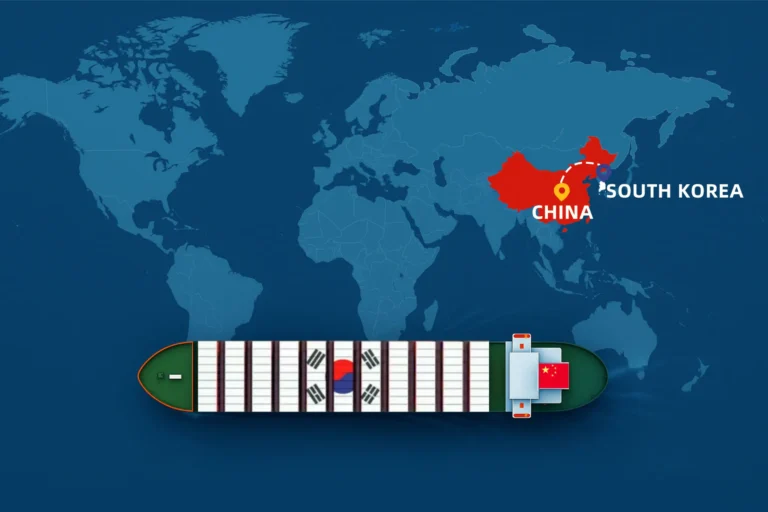
Shipping from China to South Korea
Shipping from China to South Korea – Sea, Air & DDP in 2026 Fast, reliable shipping from China to Korea for B2B importers,industrial cargo, and g...
Read guide →

DDP shipping from China to South Korea is a practical door-to-door solution for importers who want customs clearance, duties, VAT, and final delivery handled in one service.
This guide explains DDP shipping costs, transit times, air freight, sea freight, express shipping, customs clearance, and delivery options from China to South Korea, including major destinations such as Seoul, Incheon, Busan, Daegu, and Daejeon.
Air / Sea / Express
DDP shipping cost
Door to Door Delivery
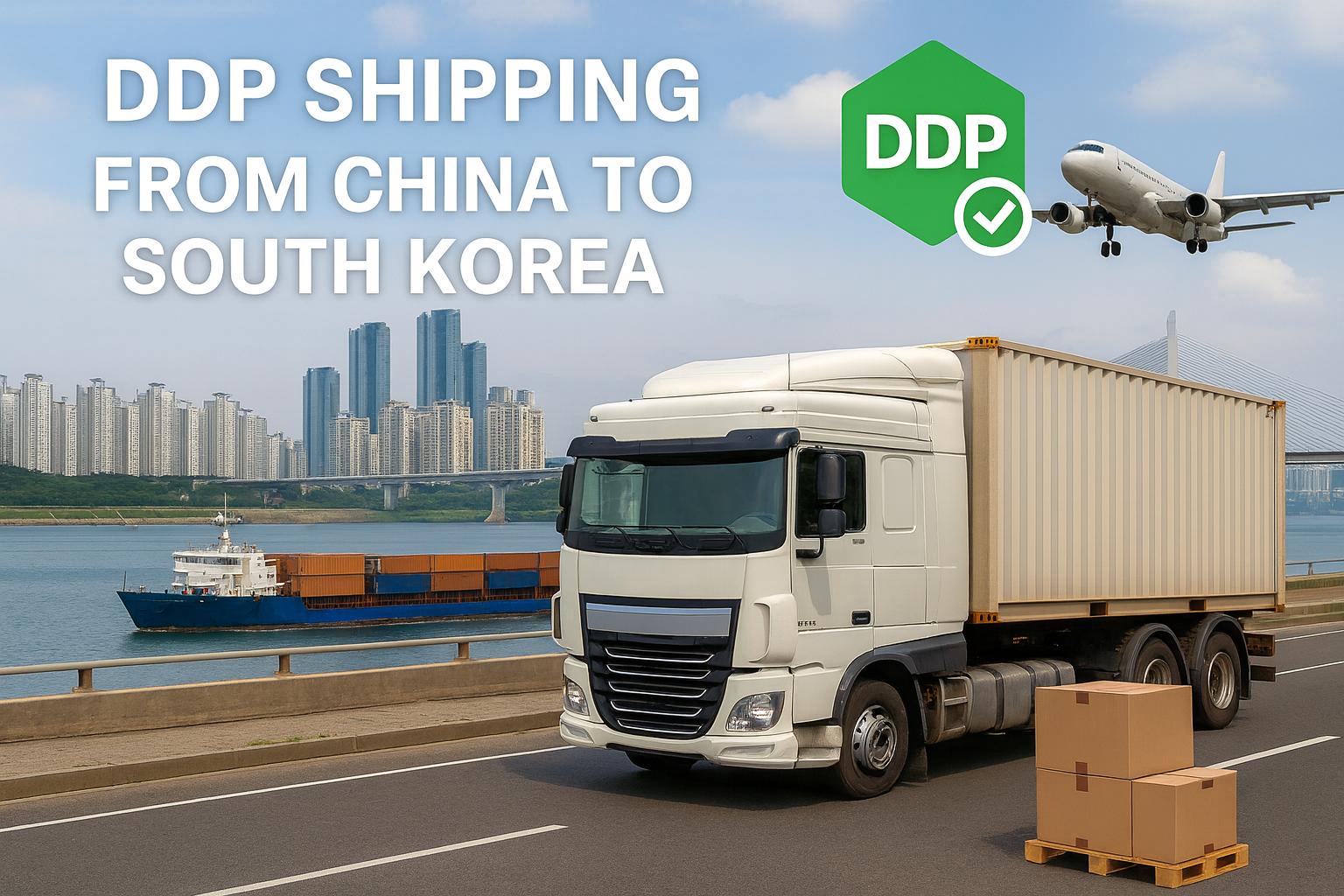
DDP means Delivered Duty Paid. Under this shipping term, the seller or freight forwarder takes responsibility for most of the logistics work before the buyer receives the goods.
For importers in South Korea, this means you do not need to arrange customs clearance or pay import taxes separately after arrival. The freight forwarder handles the process in advance and delivers the cargo to your agreed address.
A standard DDP service usually includes:
Pickup from your supplier in China
Export customs clearance
Air freight, sea freight, or express transport
Import customs clearance in South Korea
Customs duties and VAT handling
Final delivery to your warehouse, office, store, or home address
This makes DDP a convenient choice when you want predictable costs and a smoother delivery experience.
The DDP process is straightforward for the buyer, but it requires careful coordination behind the scenes. A reliable freight forwarder will check cargo details, prepare documents, arrange transport, and manage customs procedures before final delivery.
The shipment is collected from your supplier, factory, warehouse, or consolidation point in China. Common pickup locations include Shenzhen, Guangzhou, Yiwu, Ningbo, Shanghai, Qingdao, Xiamen, Dongguan, and Foshan.
Before pickup, it is important to confirm the product name, carton quantity, gross weight, dimensions, packing method, cargo value, and whether the goods contain batteries, liquids, powder, magnets, branded items, or other sensitive materials.
After pickup, the freight forwarder prepares export customs documents in China. The supplier usually needs to provide a commercial invoice and packing list. For some regulated products, additional certificates or product information may be required.
Accurate cargo details help prevent delays before departure.
Air freight is often the most efficient shipping method for urgent or high-value goods because it reduces shipping time and supports more predictable delivery times. Sea freight is a more efficient shipping method for larger cargo when cost matters more than speed, making it an appropriate shipping mode for bulk loads. Express shipping is commonly used for samples and small parcels when fast customs handling is needed. Rail freight is less common but possible on some routes, with transit times of about 5–10 days.
When the goods arrive in South Korea, the local customs process begins. Complete and compliant customs clearance procedures on both the China export side and the South Korea import side help streamline customs clearance and avoid delays. Under DDP terms, the freight forwarder handles the customs declaration, duty calculation, VAT payment, and communication with customs authorities.
Correct HS codes, realistic declared value, and complete documents are important for smooth clearance and for meeting customs regulations.
After customs release, the cargo is delivered to the final address in South Korea. Delivery can be arranged to Seoul, Incheon, Busan, Daegu, Daejeon, Gwangju, Suwon, Ulsan, or other cities.
For most normal shipments, final delivery is completed within 1–3 days after customs clearance.
Air freight is the best option when your shipment is time-sensitive and cannot wait for sea shipping. It is often used for samples, spare parts, electronics, fashion goods, beauty products, and e-commerce inventory that needs to be restocked quickly.
With DDP service, the importer does not need to arrange customs clearance or pay import taxes separately after the goods arrive. The freight forwarder collects the cargo in China, arranges the flight, handles Korean customs, pays the required duties and VAT, and delivers the shipment to the final address.
In most cases, delivery takes about 2–5 days from pickup to door delivery. The actual time depends on flight space, cargo readiness, customs inspection, and the delivery city in Korea.
Air freight is charged by chargeable weight. This means the airline compares the actual weight with the volumetric weight and uses the higher one for billing.
| Chargeable Weight | Estimated DDP Cost |
|---|---|
| 45–100 kg | USD 3.80–6.50/kg |
| 100–300 kg | USD 3.50–5.80/kg |
| 300–500 kg | USD 3.20–5.20/kg |
| 500 kg+ | USD 2.80–4.80/kg |
These rates are for planning only. The final price depends on product type, carton size, cargo value, pickup city, and delivery address.
Tonlexing provides daily air freight DDP services from key airports in southern and eastern China, including:
PVG (Shanghai Pudong International Airport)
SZX (Shenzhen Bao’an International Airport)
CAN (Guangzhou Baiyun International Airport)
PEK (Beijing Capital International Airport)
All flights arrive at Incheon International Airport (ICN) or Gimhae Airport (PUS), followed by door-to-door delivery to Seoul, Incheon, Busan, or any other South Korean destination.
With Tonlexing’s optimized DDP air freight network, importers can plan shipments with precision, minimize delays, and enjoy complete cost transparency.
When shipping large volumes or heavy products, DDP sea freight from China to South Korea is the most cost-effective and stable logistics solution. With short transit routes, modern container terminals, and daily sailings between Chinese and Korean ports, sea freight under DDP terms offers a reliable balance between price and efficiency.
The distance between major Chinese ports and South Korea’s main terminals is relatively short, typically covering 500–800 nautical miles. This proximity allows for frequent sailings and quick turnaround times.
| Route | Estimated Transit Time (Port-to-Port) | DDP Door-to-Door Time |
|---|---|---|
| Shanghai → Busan | 2–3 days | 5–7 days |
| Ningbo → Busan | 2–4 days | 6–8 days |
| Shenzhen → Incheon | 3–5 days | 6–9 days |
| Qingdao → Busan | 2–3 days | 5–7 days |
Sea freight from China to South Korea generally takes about 3–7 days port to port, depending on the route and sailing schedule; Busan is South Korea’s busiest port with over 21 million TEUs annually, while Incheon handles around 3 million TEUs each year. Tonlexing offers weekly DDP sea freight schedules, including full customs clearance, import duties, and door delivery to any city in South Korea such as Seoul, Busan, Incheon, or Daegu.
If you have sufficient cargo to fill a container, FCL DDP shipping provides better control, faster handling, and greater security. Your goods occupy the entire container—typically 20ft or 40ft—which is sealed at origin and opened only at the final delivery point.
Advantages of FCL:
Lower cost per unit for bulk goods.
Reduced risk of cargo contamination or mix-ups.
Faster customs clearance process and handling.
Best for: Industrial equipment, furniture, machinery, and high-volume e-commerce shipments.
For smaller shipments that don’t require a full container, LCL DDP sea freight allows you to share space with other importers. It’s flexible, affordable, and ideal for medium-sized shipments.
Advantages of LCL:
Pay only for the volume you use.
Perfect for small or growing businesses.
Full door-to-door delivery service included.
Best for: General merchandise, small batches of goods, and commercial cargo below 15 CBM.
Below are estimated DDP sea freight costs from China to South Korea, inclusive of customs duties, taxes, and final delivery:
| Container Type | DDP Cost (USD) | Door-to-Door Transit Time |
|---|---|---|
| 20FT FCL | $300 – $600 | 7–10 days |
| 40FT FCL | $400 – $1,000 | 7–10 days |
| LCL (per CBM) | 70–200/CBM | 8–12 days |
For shipments around 1–15 CBM, LCL is usually more flexible. For cargo above 15 CBM, FCL may be more cost-effective because the container rate can be lower than paying by CBM.
Lowest overall transportation cost for heavy or bulky shipments.
Stable sailing schedules and wide coverage across ports, and choosing the right sea freight forwarder helps optimize sailing schedules, shipping lines, and overall port coordination.
Complete DDP service, including import customs clearance and door delivery.
Ideal for importers managing steady supply chains or regular replenishment orders.
With Tonlexing’s expertise as a sea freight forwarder, most freight forwarders offer booking support and cargo tracking, but the right freight forwarder adds stronger route planning and customs handling between China and South Korea.
DDP express shipping is suitable for small parcels, samples, documents, accessories, and urgent lightweight goods, and several express shipping options are available depending on parcel weight, urgency, and delivery location. It is often faster than standard air freight because courier networks combine pickup, transportation, customs clearance, and final delivery into one service, managing the entire shipping process as a door to door service from pickup through final delivery. This makes the process simple for sellers and buyers, especially when the shipment is small and delivery speed matters.
For most shipments, delivery can be completed within 1–4 business days, depending on the pickup location in China, flight availability, customs processing, and the final destination in South Korea. Express shipments benefit the most from these fastest delivery times. Major cities such as Seoul, Incheon, and Busan are usually served faster than remote areas.
The average cost is usually around USD 4.00–10.00 per kg, but the final rate depends on cargo weight, dimensions, product type, and delivery requirements. Many express channels also apply a minimum chargeable weight of around 10–21 kg, so very small parcels may still be billed by the minimum weight. As a market reference, suitable express cargo was about USD 3.90 per kg as of June 2026, while DDP rates still varied by channel and cargo details.
This method is commonly used for:
Product samples and documents
Small e-commerce parcels
Accessories and spare parts
Lightweight urgent orders
Although express shipping costs more per kilogram than sea freight, it can save time and reduce handling work for small shipments. For larger commercial cargo, standard air freight or sea freight usually offers better cost efficiency.
When shipping goods to South Korea, customs clearance is an important step that can affect both delivery time and total shipping costs. Even under DDP terms, accurate product information and documentation are essential to ensure a smooth import process.
South Korea’s import tax rates vary depending on the HS Code and the type of goods imported. Under the China–Korea Free Trade Agreement (FTA), many products benefit from reduced or zero import tariffs if the Certificate of Origin (CO Form F) is provided.
Here’s a general overview:
Customs Duty: 0–13% (depending on product category)
Value-Added Tax (VAT): 10%
Other Fees: Minor customs handling charges may apply
Most commercial shipments require several basic documents before customs clearance can be completed, and complete paperwork is essential in international shipping to avoid customs holds. These documents help customs authorities verify the cargo value, product type, and origin of the goods.
Commonly required documents include:
Packing List
Bill of Lading or Air Waybill
Product Description
HS Code
Certificate of Origin when applicable
Some products, such as electronics, cosmetics, batteries, medical devices, and food-contact products, may require additional certificates or compliance documents. Experienced freight forwarders will review paperwork in advance to help prevent errors during customs clearance.
To ensure timely delivery and prevent potential customs delays, it’s important to:
Provide accurate product descriptions and declared values.
Avoid undervaluing goods — Korean customs may reject declarations.
Ensure that restricted or licensed products have the correct permits.
Work with a reliable freight forwarder familiar with South Korean import regulations.
Door-to-door delivery is one of the main advantages of DDP shipping. Instead of arranging separate transportation, customs clearance, and local trucking services, the entire shipment is managed through a single logistics provider from origin to destination.
After the cargo arrives in South Korea and completes customs clearance, it is delivered directly to the consignee’s address. This can include commercial warehouses, retail stores, offices, factories, fulfillment centers, or residential locations.
Door-to-door services are available throughout most major cities and industrial regions in South Korea, including:
Seoul
Incheon
Busan
Daegu
Daejeon
Gwangju
Suwon
Ulsan
Delivery can also be arranged to other cities and surrounding areas depending on the shipment requirements.
For many importers, door-to-door shipping simplifies the logistics process and reduces the need to coordinate with multiple service providers.
Key benefits include:
One provider manages the entire shipping process from pickup to delivery
Customs clearance and tax handling are included
Reduced risk of communication errors
Better visibility of total shipping costs
Cargo tracking services help importers monitor shipments and plan receiving
Convenient delivery to the final destination
This service is particularly useful for first-time importers, e-commerce sellers, and businesses that want a more predictable shipping experience without managing local logistics in South Korea, especially buyers looking for a simple preferred shipping method.
Tonlexing provides DDP shipping, air freight, sea freight, express shipping, LCL, FCL, and door-to-door delivery from China to South Korea. Our team helps importers manage the process from supplier pickup to final delivery, making the shipment easier to control.
We can arrange pickup from major Chinese cities, check cargo details before shipping, prepare export documents, coordinate customs clearance, and deliver goods to different cities in South Korea.
Our service advantages include:
Updated DDP shipping rates
Air, sea, express, LCL, and FCL options
Supplier pickup and cargo consolidation in China
Customs clearance support
Import duty and VAT handling
Door-to-door delivery in South Korea
Shipment tracking and communication support
Solutions for e-commerce and commercial cargo
With a clear quotation and suitable shipping plan, importers can reduce unnecessary delays and better control the total landed cost.
As a general reference, DDP air freight is about USD 2.80–6.50/kg, DDP express shipping is about USD 4.00–10.00/kg, and DDP sea freight LCL is about USD 70–200/CBM. For FCL shipments, 20ft and 40ft containers are quoted by route, container type, and final delivery requirements.
Transit time depends on the shipping method and final delivery location. Express shipping usually takes 1–4 days, air freight normally takes 2–5 days door-to-door, and sea freight usually takes 5–12 days. LCL shipments may take longer because of consolidation, unloading, customs clearance, and local delivery.
Yes. DDP normally includes import duties, VAT, customs clearance, and final delivery. South Korea generally applies 10% VAT on most imported goods, usually calculated based on the CIF value, which includes cargo value, freight, and insurance.
Yes. DDP is often suitable for first-time importers because the freight forwarder handles customs procedures, tax payment, and local delivery. This reduces paperwork and makes the total cost easier to understand.
Some sensitive goods can be shipped, but they must be checked before booking. Batteries, liquids, powder, cosmetics, branded goods, electronics, and medical products may require special handling or extra documents.
Useful freight, customs and importing resources related to this shipping guide.
Shipping from China to South Korea – Sea, Air & DDP in 2026 Fast, reliable shipping from China to Korea for B2B importers,industrial cargo, and g...
Read guide →
Shipping Cost from China to South Korea (2026 Guide) Verified & Reviewed · Last updated May 2026 Shipping cost from China to South Korea in 2026...
Read guide →
How long does it take to ship from China to South Korea? For businesses importing goods or individuals purchasing from Chinese suppliers, knowing...
Read guide →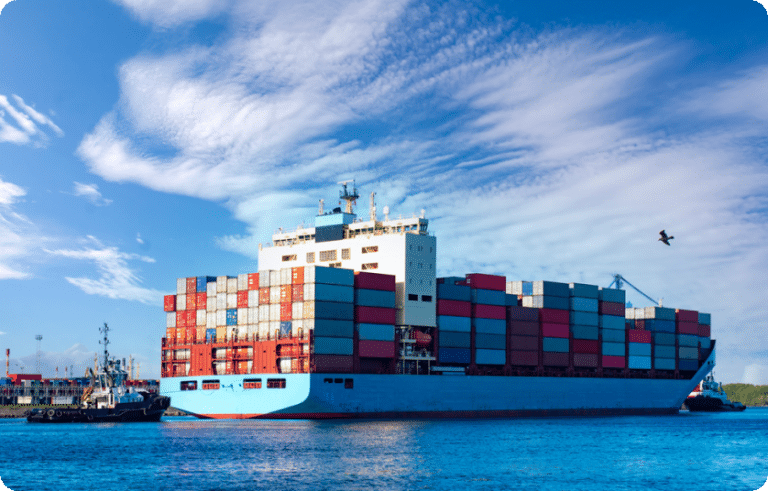
Sea freight is the most cost effective shipping method for large volumes and container load cargo. It is ideal for businesses looking to reduce s...
Read guide →Air Freight from China to South Korea Verified & Reviewed · Last updated June 2026 Air freight from China to South Korea is a fast and reliable s...
Learn more → Useful Resource 20ft & 40ft Container Shipping Costs from China to South Korea20ft & 40ft Container Shipping Costs from China to South Korea Verified & Reviewed · Last updated June 2026 20ft and 40ft container shipping cost...
Learn more →WhatsApp us