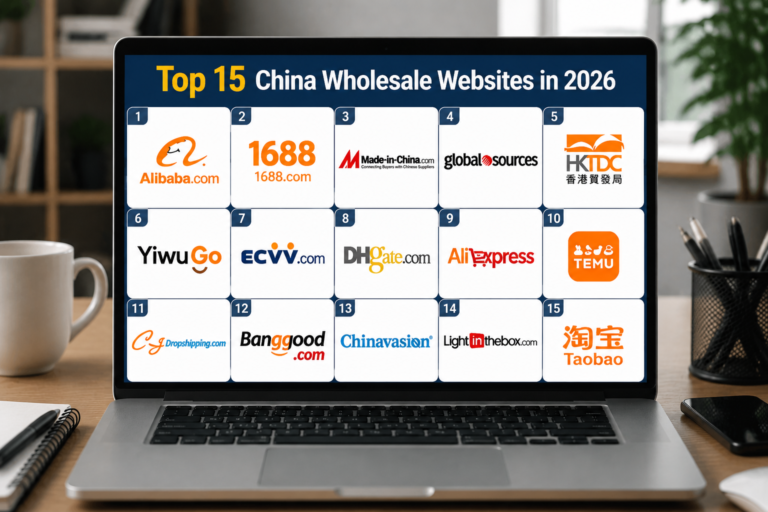
Alibaba vs Made-in-China vs Global Sources at a Glance
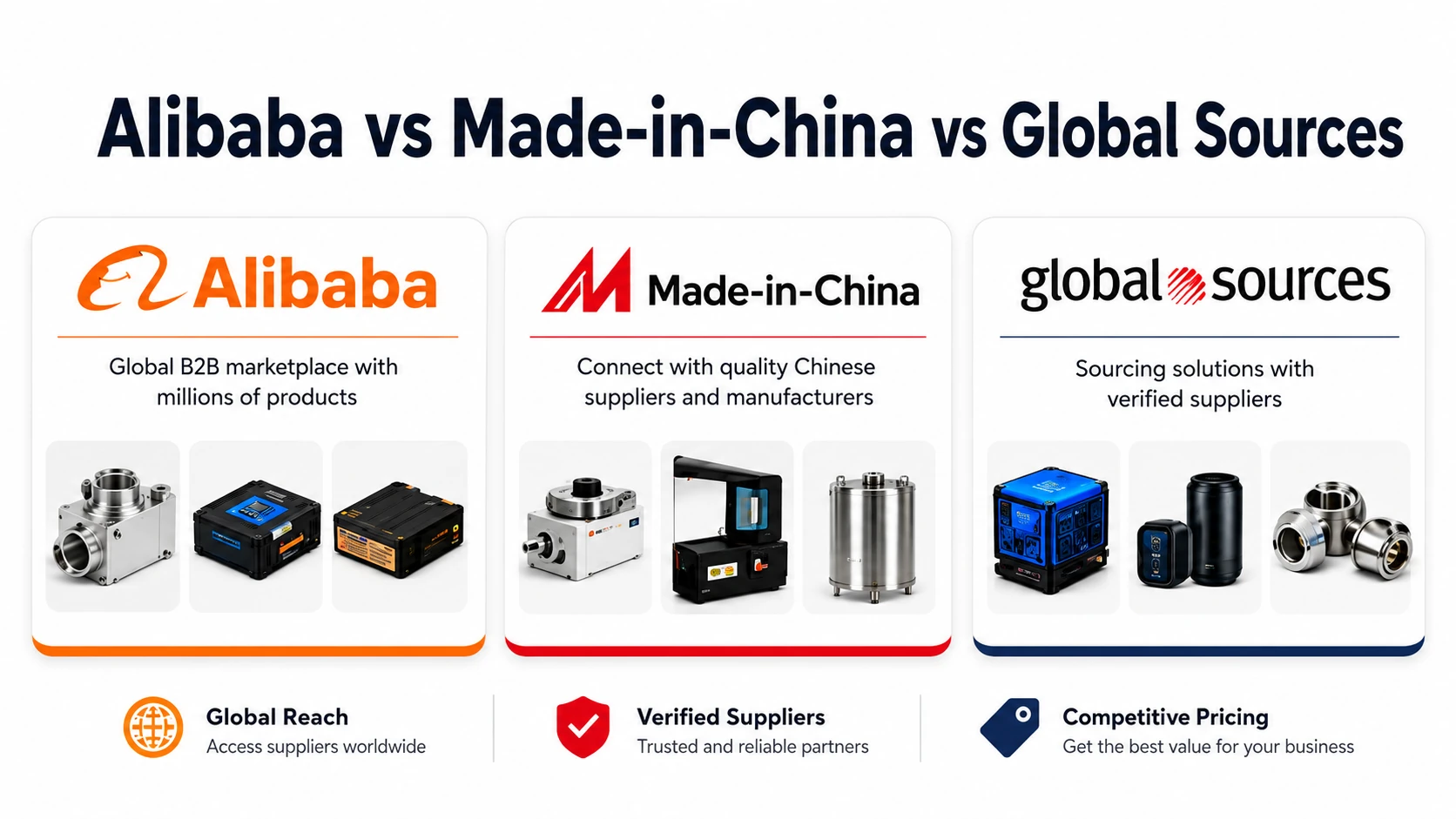
The biggest difference between the three platforms is their market focus. Alibaba offers the widest product range, Made-in-China concentrates on industrial sourcing, and Global Sources connects buyers with a more curated group of export-oriented suppliers.
Alibaba is usually the best all-round sourcing platform. However, buyers sourcing machinery may find more relevant manufacturers on Made-in-China, while companies purchasing consumer electronics may prefer Global Sources.
How Alibaba, Made-in-China, and Global Sources Differ
The main difference between the three platforms is not simply the number of suppliers. Each platform is built around a different type of sourcing demand.
Alibaba focuses on accessibility and variety. Made-in-China is more manufacturing-oriented, especially for industrial products. Global Sources is more selective and is commonly used by established buyers sourcing electronics and retail-ready goods.
Alibaba: The Broadest Choice
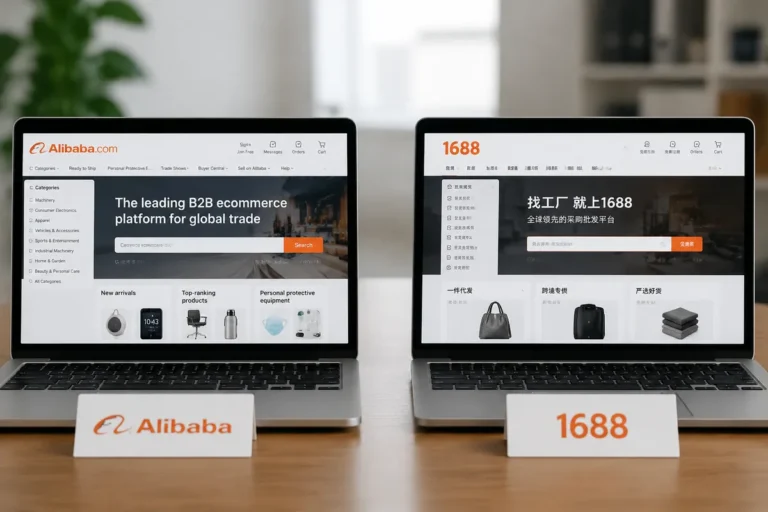
Alibaba gives buyers access to the largest and most diverse supplier base. Its listings cover almost every product category, from apparel and packaging to furniture, electronics, auto parts, and machinery.
The platform is especially useful for buyers who want to compare many quotations quickly. It is also easier to find suppliers offering low minimum order quantities, samples, private labeling, and basic customization.
Alibaba is usually a good fit for:
First-time importers
Small businesses and e-commerce sellers
Private-label consumer products
Trial orders and price comparison
The trade-off is that supplier quality varies widely. Buyers may find large manufacturers, small workshops, wholesalers, and trading companies in the same search results. More choice often means more time is needed for supplier verification.
Made-in-China: More Focused on Manufacturing
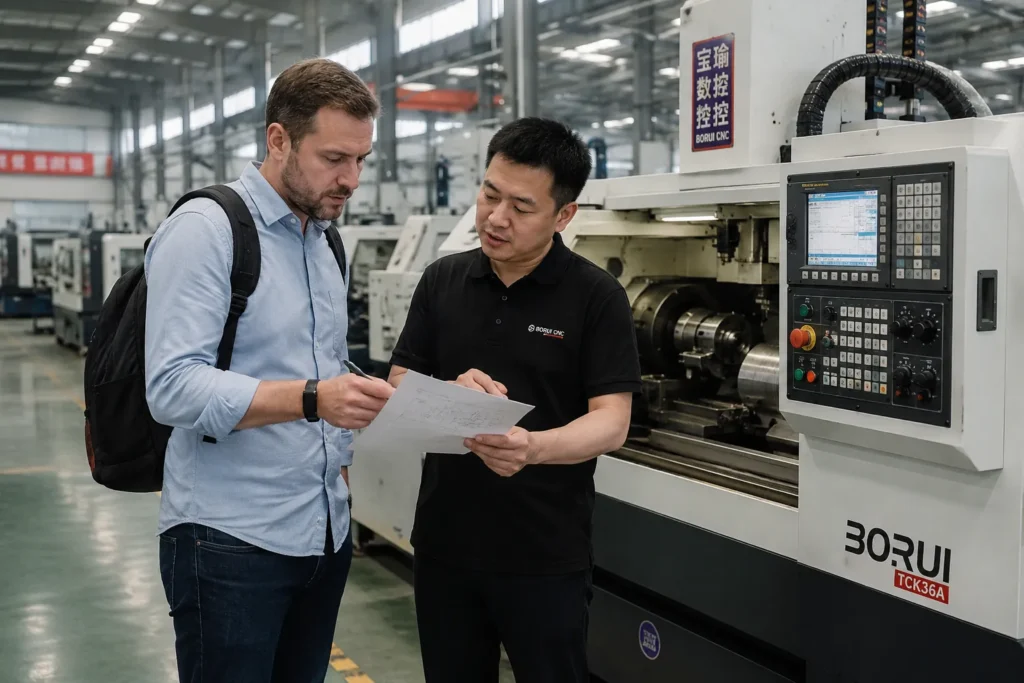
Made-in-China is better suited to buyers looking for machinery, equipment, construction materials, electrical products, metal components, and other industrial goods.
Its supplier profiles often emphasize manufacturing details rather than only product listings. Buyers can review information such as factory size, production capacity, audit reports, certifications, and main export markets.
This makes the platform useful when technical capability matters. For example, machinery buyers may need to evaluate testing procedures, spare parts, installation support, warranty terms, and after-sales service before choosing a supplier.
Made-in-China is usually a stronger option for:
Machinery and production equipment
Industrial components
Building and construction materials
Technical and factory-related products
The platform has fewer general consumer products than Alibaba, but its narrower focus can make industrial sourcing more efficient.
Global Sources: A More Selective Supplier Base
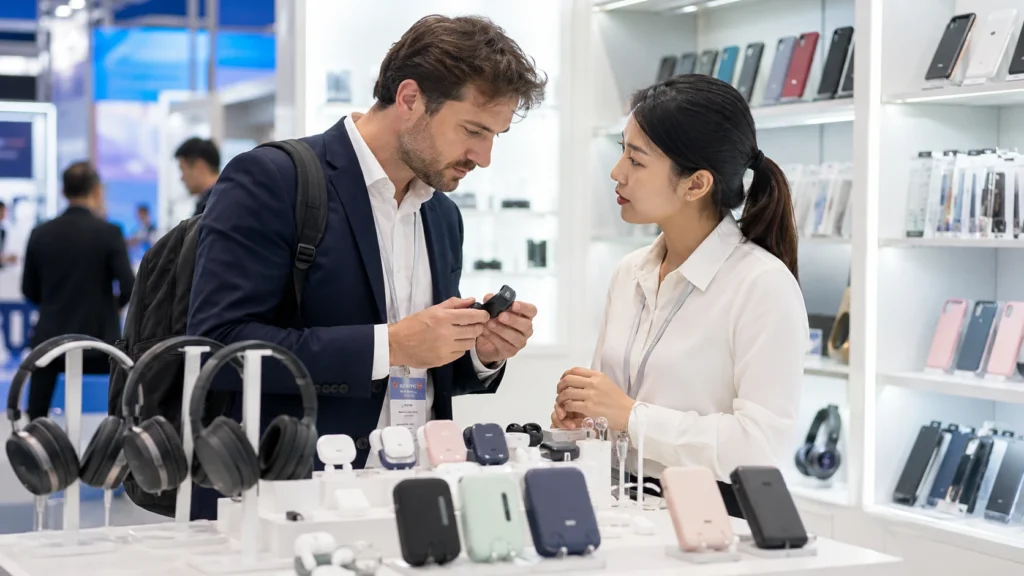
Global Sources is known for consumer electronics, mobile accessories, smart devices, audio products, fashion accessories, gifts, and retail-ready goods.
The platform has fewer suppliers than Alibaba, but many listed companies are experienced in working with international brands, distributors, and larger importers. Supplier participation is generally more selective, which can reduce the number of low-quality or unsuitable listings buyers need to review.
Global Sources also connects online sourcing with trade shows. Buyers can research suppliers online and then meet them in person to inspect samples and discuss product development.
It is often most suitable for:
Consumer electronics and smart products
Established brands and distributors
Larger customized orders
Buyers who value trade shows and face-to-face sourcing
The main limitation is that prices and minimum order quantities may be higher. The platform is usually less suitable for very small test orders or buyers focused only on the lowest price.
In practical terms, Alibaba offers the most choice, Made-in-China provides a stronger industrial focus, and Global Sources offers a more curated route to export-ready suppliers. The right option depends on whether the buyer prioritizes variety, technical manufacturing capability, or supplier selectivity.
Supplier Quality and Verification
Supplier verification is important on all three platforms. A verified profile can improve supplier credibility, but it does not guarantee that every order will meet the buyer’s specifications.
Alibaba has the largest range of suppliers, so quality can vary widely. Some Alibaba suppliers operate established factories and export to multiple countries. Others are small trading companies or workshops with limited control over production.
Made-in-China often provides more detailed supplier information. Buyers may be able to review production facilities, certifications, audit reports, and manufacturing capacity before contacting the company.
Global Sources generally has stricter requirements for supplier participation. Its supplier base is often considered more curated, particularly in consumer electronics. However, stricter screening does not remove the need for due diligence.
What Supplier Verification Actually Confirms
Supplier verification can help confirm that a company exists and that some business information has been reviewed. Depending on the platform and verification level, it may cover:
Company registration
Business address
Main product categories
Factory facilities
Production equipment
Certifications
Verification usually does not confirm how the supplier will manage your specific order. Product quality may change between the sample and mass production. The supplier may also subcontract part of the work or use different materials without approval.
Buyers should treat platform verification as the beginning of the review process, not the final decision.
Manufacturers and Trading Companies
Manufacturers and trading companies can both be found on Alibaba, Made-in-China, and Global Sources.
A manufacturer usually provides more direct access to production, technical teams, and factory pricing. This can be valuable for customized products, machinery, and long-term orders.
A trading company may work with several factories and offer a wider product range. Some trading companies also provide better English communication, export documents, product consolidation, and sourcing support.
Trading companies are not automatically unreliable suppliers. The main issue is transparency. Buyers should know whether the company owns the factory or purchases products from another manufacturer.
Before placing an order, confirm the supplier’s legal company name, business type, factory location, production capability, and bank account information.
Pricing, MOQ, and Payment Protection
Alibaba often offers the lowest prices because many suppliers compete for the same inquiries. It also has more sellers willing to accept lower minimum order quantities, especially for apparel, packaging, beauty products, home goods, and e-commerce products.
Made-in-China pricing depends heavily on the product. A machinery supplier may accept an order for one machine, while a component manufacturer may require thousands of units. Industrial quotations may be higher because they include engineering, specialized materials, testing, or certification.
Global Sources suppliers often target established importers and larger orders. Their pricing may be higher, but the quotation may include stronger product development, compliance support, and export experience.
A lower quotation is not always a better deal. One supplier may include packaging, tooling, testing, labeling, and export documents, while another may quote only the basic product price.
Buyers should compare the total cost instead of looking only at the unit price.
How Trade Assurance Helps Buyers
Trade Assurance is one of Alibaba’s main advantages. It can provide payment protection when an eligible order is placed and paid through the platform.
The order must clearly state the agreed product specifications, quantity, materials, packaging, production deadline, inspection requirements, and shipping date. When the written terms are vague, dispute resolution becomes more difficult.
Trade Assurance does not guarantee higher quality. It is mainly a transaction protection tool. Buyers still need samples, contracts, supplier verification, and quality inspections.
Made-in-China and Global Sources provide supplier information and communication tools, but payment is often completed directly with the supplier. For larger orders, buyers may consider staged payments, escrow services, or letters of credit.
Which Platform Is Best for Your Product?
Product category is often the easiest way to narrow down the right platform. Alibaba is strongest for general consumer goods, Made-in-China is better for industrial sourcing, and Global Sources performs well in electronics and retail-ready products.
Private-Label and E-Commerce Products
Alibaba is usually the best option for private-label products, packaging, apparel, beauty goods, home products, promotional items, and other e-commerce categories.
Its large supplier base allows buyers to compare logo printing, packaging, product colors, materials, and minimum order quantities. Many suppliers also accept smaller trial orders, which makes Alibaba suitable for new businesses testing demand.
Global Sources can also support private-label sourcing, particularly for electronics and retail products. However, suppliers may expect larger order volumes and more developed product requirements.
Machinery and Industrial Products
Made-in-China is generally the best starting point for sourcing industrial machinery, production equipment, construction materials, metal components, electrical products, and factory systems.
Supplier profiles often contain more manufacturing-related information, which helps buyers understand technical capability before starting negotiations.
Alibaba also has many machinery suppliers, so buyers should compare both platforms for expensive equipment. The most suitable manufacturer may not be the one with the lowest quotation.
For machinery orders, buyers should confirm:
These details are often more important than a small difference in price.
Consumer Electronics and Retail Products
Global Sources is particularly strong in consumer electronics, mobile accessories, smart devices, wearable products, audio equipment, and retail-ready goods.
Many suppliers are familiar with international buyers, product certifications, custom packaging, and larger production programs. This can make Global Sources useful for established brands and distributors.
Alibaba offers a much wider range and may provide lower prices. However, buyers may need to compare more suppliers to find the right level of product quality.
For large electronics orders, Global Sources can provide a more focused supplier selection. For smaller trial orders, Alibaba may still be easier.
How to Choose the Right Platform
Start with the product you are buying, then consider your order size and how much support you need from the supplier. The biggest platform is not always the best one for a specific sourcing project.
Alibaba is the most practical starting point for general consumer products, private-label goods, and smaller trial orders. Its large supplier base makes it easier to compare prices, negotiate customization, and find lower minimum order quantities.
Made-in-China is usually more suitable for machinery, industrial components, construction materials, and factory equipment. It is especially useful when you need detailed information about production capacity, certifications, technical experience, and factory facilities.
Global Sources is a stronger option for consumer electronics, smart devices, fashion accessories, and retail-ready products. Many listed suppliers already work with international brands, distributors, and larger importers. Its trade shows are also useful for buyers who prefer to inspect products and meet manufacturers in person.
A simple way to narrow down your choice is:
Choose Alibaba for variety, flexible MOQs, and easy price comparison.
Choose Made-in-China for technical products and industrial manufacturing.
Choose Global Sources for electronics, experienced exporters, and larger orders.
You do not need to rely on only one platform. Machinery buyers often compare Alibaba with Made-in-China, while electronics buyers may search both Alibaba and Global Sources. Checking more than one platform can reveal pricing differences, repeated supplier profiles, and differences in factory experience.
The platform should help you create a shortlist. The final supplier should be selected based on sample quality, manufacturing capability, communication, total cost, and willingness to accept independent inspections.
How to Compare Suppliers Before Ordering
Finding several suppliers is easy. Identifying the most reliable supplier requires a clear comparison process.
Define the Product Requirements
Prepare a complete product specification before sending inquiries. Include materials, dimensions, quantity, packaging, certifications, target market, and delivery requirements.
A clear request helps suppliers provide accurate quotations and reduces misunderstandings later.
Build a Shortlist
Select several suppliers with relevant product experience. Review their main product categories, years in business, export markets, certifications, and factory information.
A supplier that specializes in your product is usually more valuable than a larger supplier with an unrelated product range.
Compare Quotations
Ask each supplier to explain what is included in the price. Confirm tooling, packaging, testing, labeling, sample costs, production time, payment terms, and shipping terms.
Do not compare quotations until the suppliers are quoting the same specifications.
Order Samples
Samples allow buyers to check product quality before bulk production. Test the material, dimensions, appearance, performance, packaging, and labeling.
For machinery, request technical documents, testing videos, and a live video inspection where possible.
Verify the Supplier
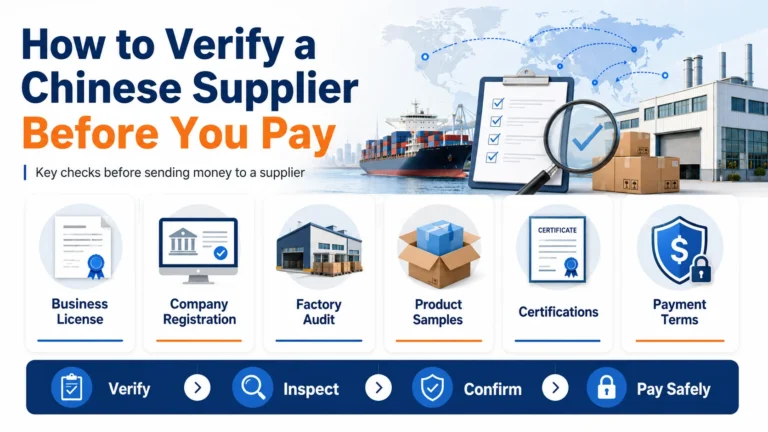
Before paying a large deposit, confirm the legal company name, factory address, business registration, and bank account details.
For high-value orders, an independent factory audit can provide more confidence in production capacity and quality-control systems.
How to Reduce Sourcing Risks
No platform can remove every sourcing risk. Quality issues may arise even when buyers work with verified manufacturers.
The purchase agreement should clearly define the product. Important details include specifications, tolerances, materials, packaging, labeling, production deadlines, inspection standards, and remedies for defective goods.
A final approved sample should also be used as a production reference. This helps reduce arguments about color, workmanship, dimensions, and packaging.
Before releasing the balance payment, arrange a pre-shipment inspection. The inspection can check product quality, quantity, labeling, packaging, and basic functionality before the goods leave China.
Other important controls include:
Keep the company name consistent across the contract, invoice, and bank account
Avoid sending large payments to personal accounts
Use staged payments when possible
Keep important specifications in writing
Confirm export documents before shipment
Shipping should be planned before production is completed. Freight costs, carton sizes, customs documents, duties, and destination charges all affect the final landed cost.
Tonlexing can help international buyers arrange shipping from China, cargo consolidation, customs clearance, and door-to-door delivery after the supplier has been selected. Early logistics planning can also prevent delays caused by incorrect packaging or missing documents.