Related Guide
Shipping From Shenzhen China to UK
A practical guide to shipping from Shenzhen China to UK, including freight options, transit times, shipping costs, and UK customs clearance.
Read guide →

Shipping from Shenzhen, Guangdong (China) to Felixstowe (UK) is a major freight lane for importers moving cargo into the United Kingdom. The best shipping option depends on your specific shipment, including weight, carton size, total cubic meter, and your timely delivery target to the final destination.
This 2026 guide explains shipping options from Shenzhen to Felixstowe across air freight, sea freight, and ocean freight services. It includes practical planning ranges for transit time and freight rates, plus key steps for customs clearance and smoother door delivery with more predictable estimated arrival and final delivery.
Shipping Options
Transit time
Freight Rates
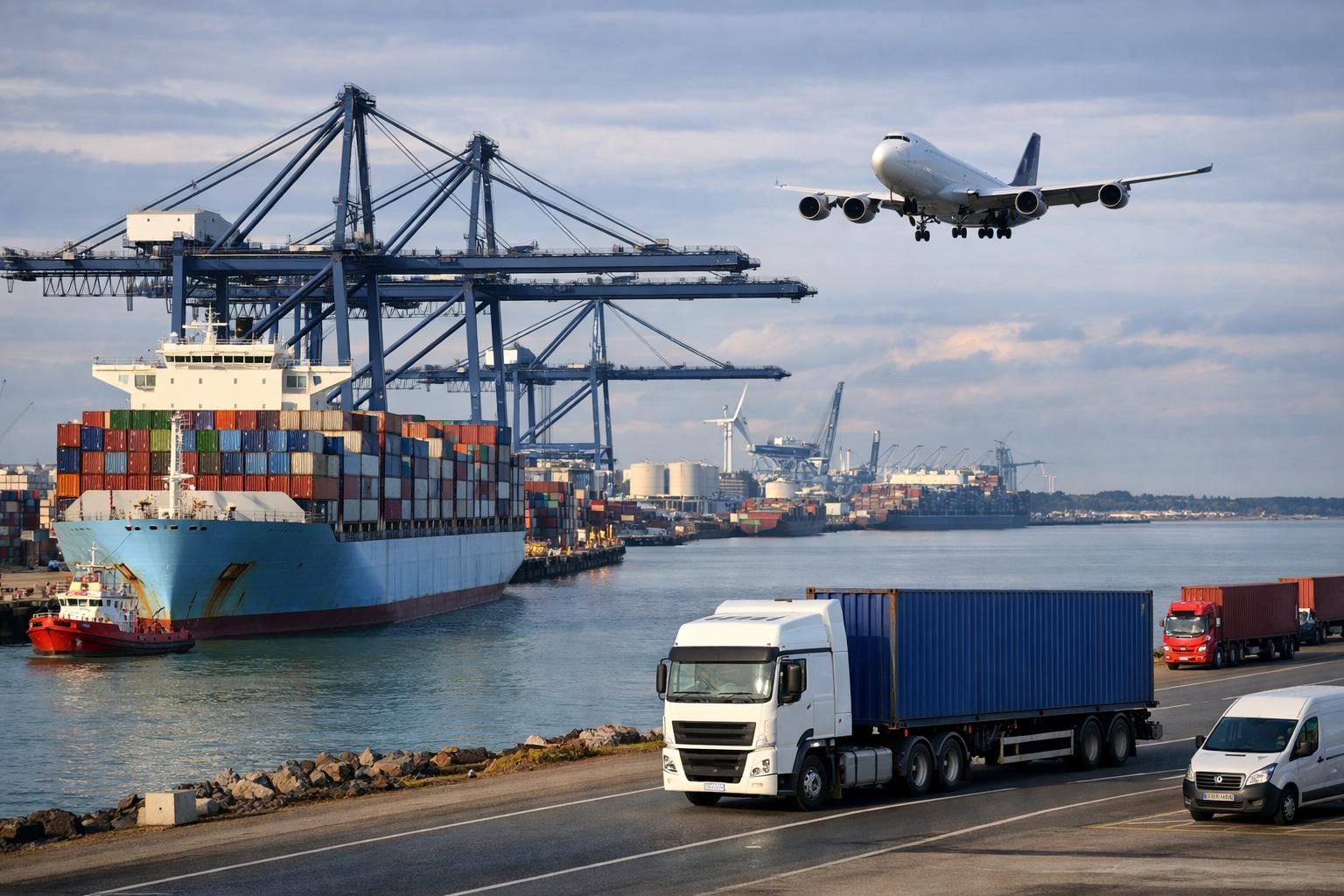
Sea freight : typically 28–32 days for Shenzhen to Felixstowe
Air freight: typically about 4 days when uplift capacity and customs readiness are aligned
Rail freight : main rail leg often 15–22 days, with longer door timelines depending on routing and final delivery windows
| Mode | Typical rate basis | 2026 planning range |
|---|---|---|
| Ocean freight (FCL) | 40’ High Cube container | USD 2,311–3,317 |
| Sea freight (LCL) | per cubic meter | USD 45–120 / CBM |
| Air freight | per kg | USD 4–10.50 / kg |
These ranges change based on fuel prices, carrier capacity, seasonal demand, and service scope.
Your shipping options usually fall into three workable paths: FCL, LCL, or air. Choosing the right path helps you make informed decisions on cost, risk, and delivery speed.
Full container load is generally the most economical approach once your shipment volume is consistently high.
FCL is best when:
your shipment is typically over 15–20 CBM
you want fewer handling steps on a container load
you need better control for successful shipments and fewer damage claims
LCL works well when you need to ship smaller cargo volumes more frequently. It is common for importers with mixed SKUs, but you should plan destination handling fees carefully.
LCL is best when:
you need flexible shipping options
your cargo is below the FCL threshold
you can tolerate slightly more variability in estimated arrival
Air freight is chosen for time-sensitive cargo, where the value of speed outweighs the higher cost.
Air freight is best when:
you need faster transit and timely delivery
your goods are high-value, fragile, or time-sensitive
you want simpler exception handling with express door options
Sea freight is the most popular transportation method for shipping from Shenzhen to the UK, and Felixstowe is a major receiving port for container cargo.
A realistic sea freight plan includes more than sailing time. Your timeline typically covers:
origin export handling in Shenzhen
terminal gate-in and vessel departure
ocean transit on the Felixstowe route
discharge, yard operations, and pickup scheduling
customs clearance and release
inland delivery and final delivery appointments
That is why transit time can change based on port congestion, weather conditions, and local delivery constraints.
The most common factors that influence sea transit and estimated arrival:
port congestion at origin or Felixstowe
seasonal demand peaks and carrier capacity shifts
adverse weather conditions that disrupt schedules
service changes and rolled bookings
Air freight from Shenzhen to the UK is used when speed is a priority. Many shipments plan around about 4 days, but that assumes documents are ready and uplift capacity is available.
Air freight rates move based on:
chargeable weight vs actual weight
packaging efficiency and dimensional weight
capacity, routing, and fuel prices
service level such as standard vs express
If you need stable delivery, request real time updates at key milestones such as acceptance, departure, arrival, and clearance status.
Freight rates are not only the ocean line-haul. For freight shipping on this lane, a realistic cost view includes origin charges, destination charges, and inland delivery.
carrier capacity and schedule stability
fuel prices and seasonal demand surcharges
port congestion risk and terminal dwell time
shipment dimensions, cubic meter, and weight
whether you need door delivery to the final destination
To discover the best freight rates, compare:
scope: port-to-port vs door-to-door
reliability: sailing frequency, rollover policy, and exception handling
visibility: tracking and real time updates for estimated arrival changes
The lowest quote is not always the best. A slightly higher quote with better reliability can protect timely delivery and reduce downstream storage and appointment costs.
Customs clearance quality is a key determinant of successful shipments. Preparation reduces holds and makes final delivery more predictable.
To clear customs in Great Britain, UK importers generally need a GB EORI. Imports are subject to VAT and duty based on commodity code and customs value basis.
Commercial Invoice
Bill of Lading for ocean cargo
Certificate of Origin when required
Insurance paperwork if insured
Import duty is typically determined by:
declared customs value basis
duty rate applied to the taxable base
If your product mix is complex, have a broker validate HS logic and duty assumptions before the vessel arrives.

A freight forwarder helps businesses manage shipments by providing access to a network of carriers and shipping options, while coordinating documentation and transportation.
Freight forwarders can support:
end-to-end freight shipping from origin to final destination
shipment consolidation to optimize container load and cost
customs process navigation to reduce clearance delays
tracking and real time updates for estimated arrival and delivery planning
If you want more reliable outcomes on this lane, engaging a freight forwarder is often essential for smoother customs clearance and final delivery.
Sea freight usually takes 28–32 days, but it can change based on port congestion, weather conditions, seasonal demand, and carrier capacity.
Air freight often plans around about 4 days, depending on routing, capacity, and customs readiness.
Rail freight is typically 15–22 days for the main rail leg. Door-to-door timing can be longer after adding transfers and final delivery.
Yes. Importers clearing customs in Great Britain generally need a GB-prefixed EORI.
There is currently a duty relief for goods £135 or less, and it is planned to be removed by March 2029 at the latest. VAT may still apply.
Useful freight, customs and importing resources related to this shipping guide.
A practical guide to shipping from Shenzhen China to UK, including freight options, transit times, shipping costs, and UK customs clearance.
Read guide →
Shipping From Shenzhen to Southampton (2026) Verified & Reviewed · Last updated February 2026 Shipping from Shenzhen to Southampton can be done b...
Read guide →
Shipping from China to the UK offers flexible air and sea freight solutions. Learn about delivery time, shipping costs, and customs clearance.
Read guide →
Shipping Cost from China to UK (2026 Guide) Verified & Reviewed · Last updated June 2026 Shipping cost from China to UK in 2026 typically ranges...
Read guide →Biggest Ports in the UK for Imports from China Verified & Reviewed · Last updated July 2026 The biggest ports in the UK for imports from China in...
Learn more → Useful Resource DDP Shipping from China to UKShipping from China to the UK has become increasingly efficient and accessible, thanks to international logistics innovations and the rising popu...
Learn more →WhatsApp us