

Shipping From Shenzhen to Vancouver
- Verified & Reviewed · Last updated February 2026
Shipping from Shenzhen to Vancouver is a core China–Canada trade lane for importers and businesses looking for a reliable, cost-effective way to move cargo into Canada. Whether you ship by sea freight, air freight, or express shipment, total shipping costs depend on volume, weight, customs requirements, and how you want delivery handled after arrival.
This guide covers the best shipping options, typical freight rates, transit time ranges, common shipping routes, and the key customs procedures needed to enter Canada smoothly.
Shipping options
Rates & transit time
Canadian customs clearance
- Experienced China-based logistics specialists
Table of Contents
A quick look at rates and transit time (2026 reference)
Use this rate table as a planning baseline. Final prices vary by cargo profile, season, and service scope. Transit time is shown as a planning range—final delivery depends on cutoffs, customs clearance, and delivery appointments.
| Shipping option | Reference shipping costs | Transit time | Best for |
|---|---|---|---|
| Sea freight (FCL, 40HC) | $1,800–$2,700 / 40HC | 13–24 days | Bulk cargo, stable volume, lower handling risk |
| Sea freight (LCL) | $120–$180 / CBM | 25–45 days | Smaller shipments, flexible delivery window |
| Air freight | $3.5–$5.2 / kg (1000kg+) | 3–10 days | Urgent B2B orders, higher-value cargo |
| Express shipment | $6.0–$9.5 / kg | 1–5 days | Samples, documents, small parcels |
Choosing the best shipping method
Your best shipping method comes down to cargo volume, budget, and deadline.
Sea freight: the most common cost-effective option
Ocean freight services are the default choice for most importers because sea shipping is usually the most affordable way to move large cargo and bulk goods over long distance.
You’ll typically choose between:
Full Container Load (FCL): one shipper uses one full container
Less Than Container Load (LCL): you share container space with other shippers and pay by cubic meter
If you ship regularly, sea freight often delivers the best balance of shipping costs and predictable logistics, especially when your cargo is not urgent.
Air freight: faster delivery for time-sensitive cargo
Air freight is chosen when transit time matters more than cost. It connects the world faster than ocean freight and can be a good fit for higher-value goods, urgent replenishment, and commercial orders where missing a deadline costs more than freight.
Express shipment: fastest door-to-door service
An express shipment is typically a true door-to-door service using major couriers such as DHL or FedEx. It’s best for samples, documents, small parcels, and time-critical shipments where you want speed and simplified handling.
Sea freight from Shenzhen to Vancouver
FCL shipping
FCL shipments work best when you have enough container load to justify a full container. Your cargo stays together with fewer touchpoints, which can reduce damage risk and improve schedule stability.
FCL is ideal when:
You ship bulk goods or dense cartons
Your shipment approaches half a container or more
You want fewer handling steps and cleaner delivery planning
FCL also tends to be less sensitive to warehouse consolidation timing than LCL.
LCL shipping
An LCL shipment is practical when you have smaller shipments that do not fill a full container. You pay by CBM (cubic meter) and share a container with other shippers.
LCL can be a cost effective solution for low volume, but it usually takes longer because it includes:
Origin consolidation
Deconsolidation at destination
More handling steps and more fees
If your budget is tight and your delivery date is flexible, LCL is often the right freight shipping option.
Shipping routes and destination port
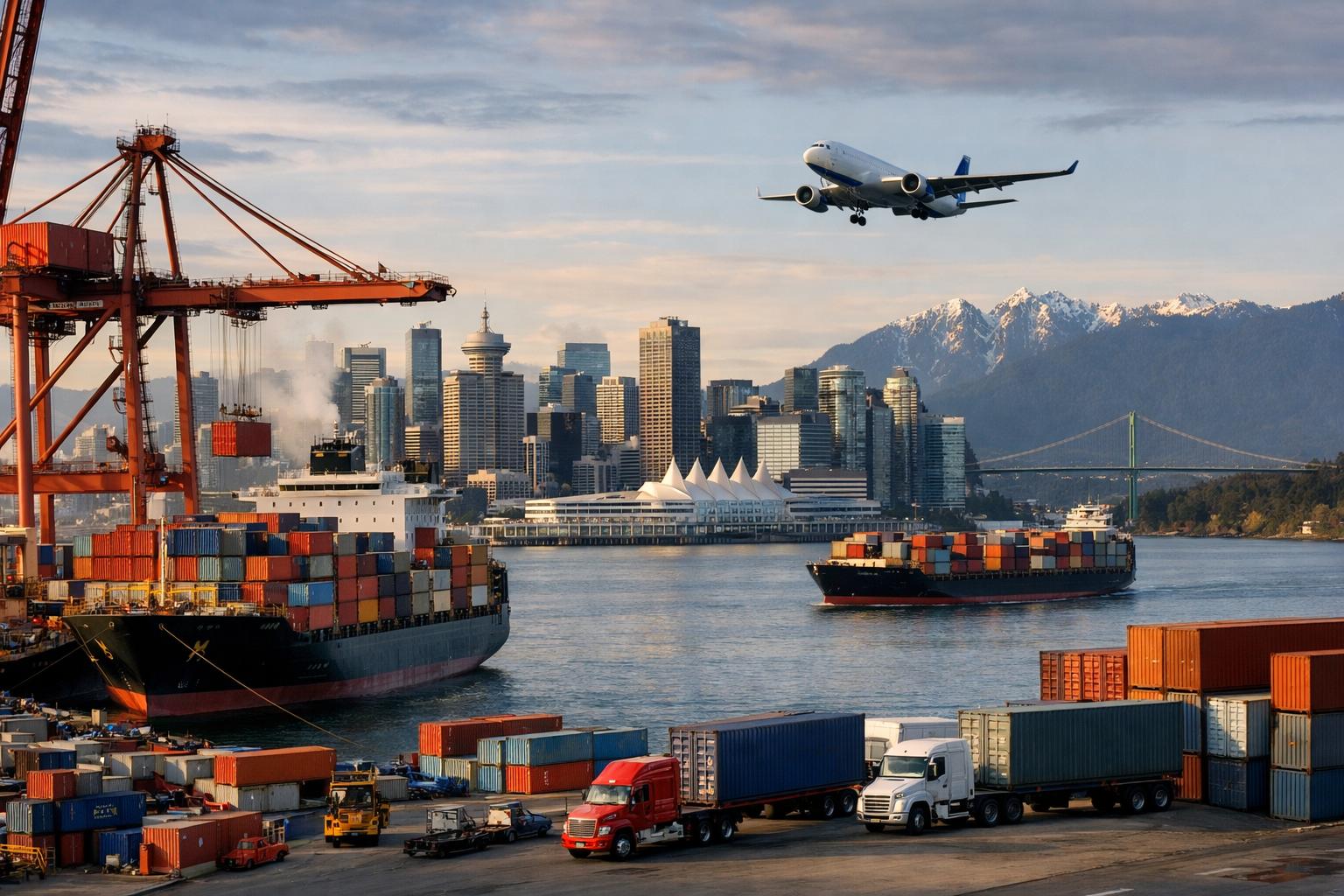
Shipping from Shenzhen to Vancouver typically uses well-established maritime trade routes. Your freight forwarder may book a direct service when available or route via a hub depending on carrier networks and weekly space.
Origin: Shenzhen terminals
Major origin terminals include Yantian and Shekou. Your factory location and truck distance can influence both cost and cutoffs.
Destination: Port of Vancouver
The Port of Vancouver is the largest port in Canada and the primary destination port for West Coast imports. It’s the main gateway for containers entering Canada from Asia, and it connects well to inland transport for broader Canadian distribution.
Air freight to Vancouver
Airports used on this lane
Typical air freight planning
Most commercial shipments follow:
Pickup at origin (Shenzhen)
Export handling and flight booking
Airport arrival and handling
Customs clearance
Local delivery
How air freight pricing is calculated
Air freight pricing depends heavily on chargeable weight, which is the higher of:
Actual weight, and
Dimensional weight (carton size)
If your cargo is bulky but light, shipping costs by air can rise quickly. In those cases, LCL or a split plan (urgent items by air, the rest by sea freight) is often more cost-effective.
Express shipping (DHL / FedEx)
Express is popular with businesses shipping:
Samples and replacements
Small, urgent commercial goods
Time-sensitive parts
Benefits:
Fast transit time
Door-to-door delivery
Simpler tracking
Trade-offs:
Higher freight rates per kg
Strict customs checks on declared value and product descriptions
Fees can rise if dimensions are large relative to weight
If speed is the top priority and the shipment is not large, express shipment is usually the cleanest option.
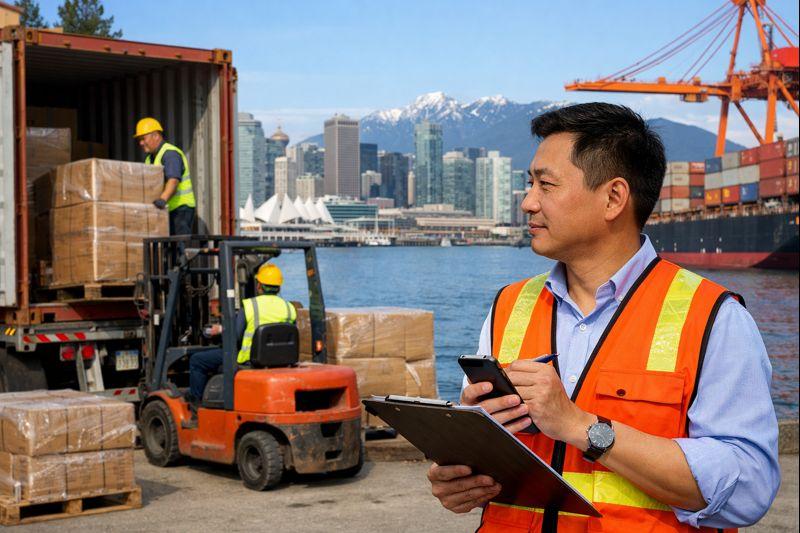
Canadian customs clearance: how to enter Canada smoothly
Customs is where many shipments lose time. To reduce delays, treat documentation and accuracy as part of your shipping plan, not an afterthought.
Inventory and documentation
For customs procedures, an inventory list of all items being shipped is commonly required for customs clearance. Customs officials may inspect shipments to ensure compliance with regulations, so your paperwork must match the physical cargo.
Core documents usually include:
Commercial invoice with clear product descriptions and values
Packing list with carton count, dimensions, and weight
Bill of lading or air waybill
HS codes for each product category
Importer/consignee details and delivery address
Import duties and taxes
In Canada, taxes are fairly predictable, but import duties are not. Taxes are applied based on where the goods are delivered, while duty rates depend on the HS code and the tariff treatment for your product.
GST is 5% nationwide.
For deliveries into Vancouver / British Columbia, many imports are commonly charged GST 5% plus BC PST 7% (often 12% total, depending on the product). Exact tax treatment can vary by product and importer setup.
Import duty has no single “Canada rate.” The duty percentage varies by HS code, and using the wrong code or a vague product description is one of the fastest ways to trigger rework, delays, or extra charges. The most practical approach is to confirm the HS code before shipping and keep the invoice description consistent across all documents.
Some product categories face extra controls, additional paperwork, or closer inspection at Canadian customs. If your shipment includes batteries, liquids, cosmetics, food-related items, medical products, or branded goods, verify requirements early and prepare any supporting documents in advance. Problems discovered after arrival are when customs holds, storage fees, and delivery delays are most likely to happen.
What drives freight rates and total shipping costs
Freight rates and shipping costs change based on a few consistent factors:
Cargo type: general cargo vs restricted or controlled goods
Weight and dimensions: air is priced by chargeable weight, while LCL is priced by cubic meter
Seasonality and capacity: peak season and limited space can push rates up
Service level: port-to-port vs door-to-door service
Delivery location and access limits: appointments, residential delivery, or downtown restrictions
Port and terminal conditions: congestion and operational delays
To get accurate shipping quotes, send your freight forwarder a complete cargo profile. Incomplete data often leads to re-quoting and unexpected fees.
Why a reliable freight forwarder matters on this lane
A reliable freight forwarder is often the difference between a smooth shipment and surprise fees. Freight forwarders coordinate the end-to-end transport chain and can help you:
Compare shipping options across sea freight, air freight, and express
Choose the best route based on schedule stability, not just headline days
Manage documentation for customs clearance and reduce rework
Arrange cargo insurance to protect against loss or damage
Provide tracking and milestone updates from origin to delivery
If you care about best freight rates, also care about service scope. The cheapest quote is not helpful if it excludes destination fees, delivery appointments, or customs handling.
Frequently Asked Questions
For larger cargo and non-urgent shipments, sea freight is usually the most affordable option. FCL is typically best for high volume, while LCL is better for smaller shipments.
FCL commonly plans around 13–24 days for the main ocean leg under normal conditions, while LCL often takes longer due to consolidation steps and scheduling.
Air freight is worth it when time is critical and the cargo value or business impact justifies higher shipping costs. It is also common for urgent replenishment.
Most importers benefit from a freight forwarder because they handle routing, documentation, customs coordination, and delivery planning—especially when you want door-to-door service.
Related Shipping Guides for Canada
Get a Shenzhen → Vancouver Shipping Quote
2026 rate range options for FCL, LCL, air, and express
Clear customs clearance support for Canada
Door-to-door delivery available to Vancouver, BC
Share your cartons, dimensions, weight, cargo ready date, and Vancouver postal code for an accurate quote.