Related Guide
How to Source Electronics from Shenzhen and Ship Overseas
How to Source Electronics from Shenzhen and Ship Overseas Verified & Reviewed · Last updated July 2026 Shenzhen is one of China’s leading electro...
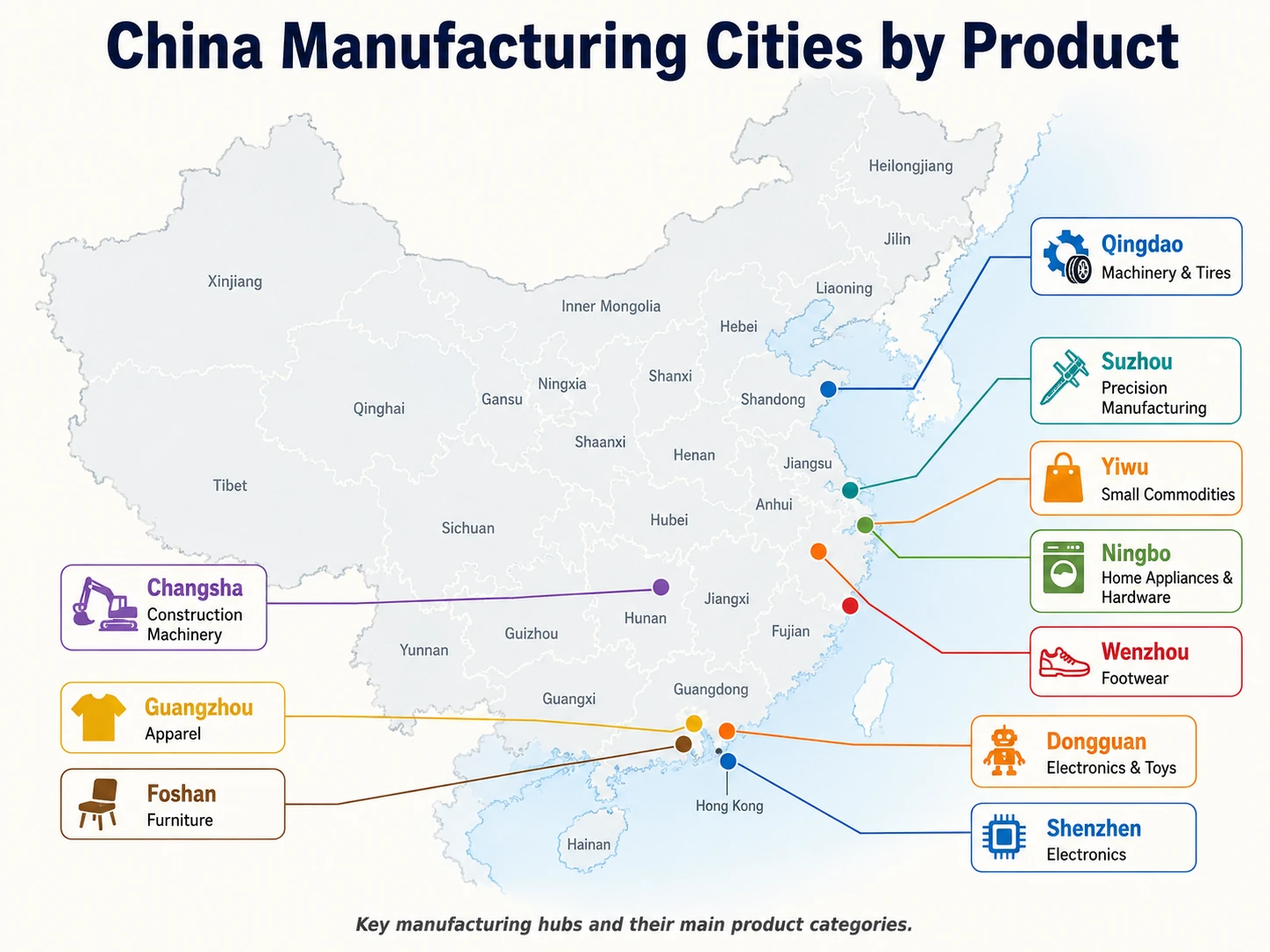
Read guide →China Manufacturing Cities by Product helps importers understand where different products are commonly made, from electronics and furniture to textiles, toys, and machinery.
This 2026 guide explains China manufacturing cities by product, covering major sourcing hubs such as Shenzhen, Foshan, Guangzhou, Yiwu, Ningbo, and Suzhou, and showing how to compare suppliers, product categories, manufacturing strengths, and shipping options.
Product / City Guide
Manufacturing Regions
Sourcing / Shipping

Manufacturing cities in China often become competitive because the surrounding supply chain supports a specific product category.
An electronics supplier in Shenzhen may have nearby access to printed circuit boards, batteries, screens, cables, molds, packaging, software teams, and certification services. A furniture manufacturer in Foshan can source frames, foam, fabric, glass, stone, hardware, cartons, and assembly accessories from surrounding factories.
This concentration gives importers several practical advantages:
More specialized suppliers
Faster sampling and product development
Better access to components and materials
Easier comparison between factories
More convenient quality inspection
Shorter pickup distances between related suppliers
Specialized manufacturing clusters can also improve operational efficiencies. Factories can replace components faster, arrange local testing, and respond more quickly when a material, sample, or production problem needs to be corrected.
Choosing the wrong city can create the opposite result. A supplier may depend heavily on subcontractors, source parts from another province, or lack experience with the required product category. The right manufacturing city does not guarantee reliable suppliers or quality products, but it gives importers a stronger starting point.
| Product category | Main manufacturing cities | Typical products |
|---|---|---|
| Electronics | Shenzhen, Dongguan | Smart devices, PCBs, telecom equipment |
| Furniture and Building Materials | Foshan | Furniture, ceramics, cabinets, sanitary ware |
| Clothing and Textiles | Guangzhou, Shaoxing | Apparel, fabrics and home textiles |
| Lighting | Zhongshan, Guzhen | LED fixtures and decorative lamps |
| Small Commodities | Yiwu | Gifts, stationery, jewelry and seasonal goods |
| Toys | Shantou, Chenghai | Plastic, educational and remote-control toys |
| Footwear and Eyewear | Wenzhou, Quanzhou | Shoes, leather goods and eyewear |
| Machinery and Auto Parts | Ningbo, Suzhou, Chongqing | Machinery, molds, hardware and automotive parts |
These manufacturing cities provide a practical starting point for supplier research. Factories in the same city can still differ in manufacturing capabilities, quality systems, export experience, minimum order quantities, and customization options.
Buying from suppliers in several cities? Tonlexing can coordinate factory pickup, warehouse receiving, carton checks, consolidation, export documentation, and international transportation under one logistics plan.
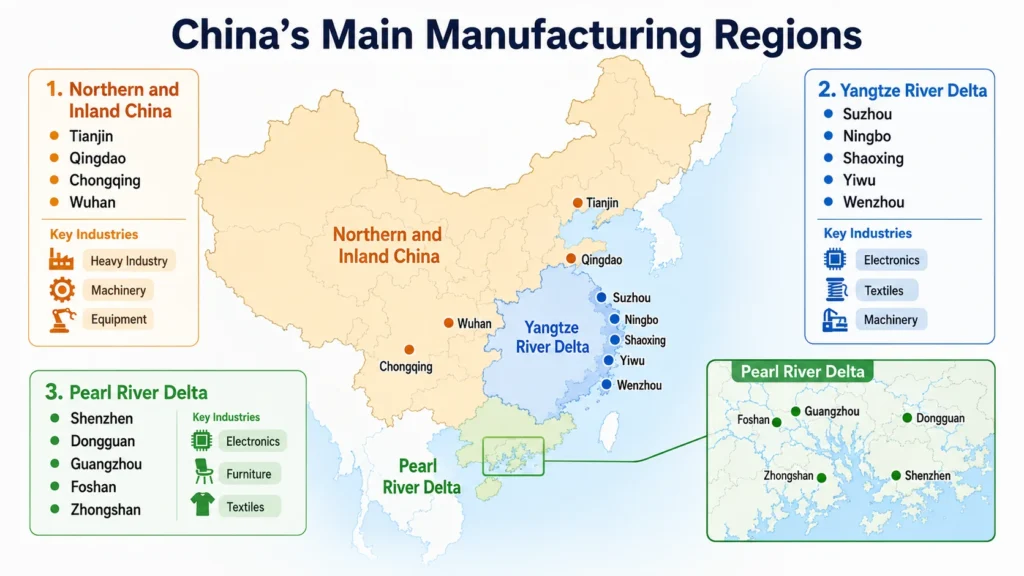
China’s manufacturing hubs serve different industries and international markets. Their development has been supported by supplier specialization, infrastructure development, skilled labor, port investment, and long-term economic growth.
Understanding these regions makes it easier to plan factory visits, compare suppliers, arrange inspections, and choose a suitable consolidation warehouse.

The Pearl River Delta includes Shenzhen, Dongguan, Guangzhou, Foshan, and Zhongshan. It is one of China’s most important regions for electronics, lighting, furniture, apparel, packaging, home appliances, cosmetics, and consumer products.
The cities are close enough to support cross-city production. A finished electronic product may use components from Shenzhen, molded parts from Dongguan, packaging from Guangzhou, and accessories from Foshan.
Shenzhen and Dongguan are especially important for high-tech manufacturing and contract assembly. Guangzhou supports clothing, cosmetics, sourcing centers, automotive manufacturing, and consumer goods. Foshan and Zhongshan are better known for furniture, ceramics, lighting, construction materials, and household electrical products.
Hong Kong remains relevant to regional finance, global trade, and selected air cargo routes. However, moving mainland cargo through Hong Kong is not automatically faster or cheaper.
The Yangtze River Delta covers Shanghai and major industrial areas in Jiangsu Province and Zhejiang Province.
Suzhou and Kunshan support precision machinery, industrial electronics, automation equipment, semiconductor-related components, and advanced manufacturing. Ningbo has strong production capabilities in machinery, molds, plastics, hardware, and automotive components.
Shaoxing is closely associated with fabrics, printing, dyeing, and home textiles. Yiwu provides access to major markets for small commodities, while Wenzhou has specialized industries for footwear, eyewear, electrical goods, and leather products.
The region has well-developed transportation networks and access to major ports. Its strategic position makes it an important part of China’s global supply chain and export manufacturing industry.
Northern China and inland regions have a stronger concentration of machinery, metals, chemicals, automotive manufacturing, industrial equipment, and heavy industry.
Tianjin is a major manufacturing and port city serving factories around Beijing, Hebei, and nearby industrial areas. Beijing is the national capital city and an important center for research, corporate management, and new technology, but much of the surrounding factory production takes place outside the capital city.
Qingdao has a strong industrial base in home appliances, tires, machinery, marine equipment, and other industrial products.
Chongqing and Wuhan also play a vital role in vehicle production, electronics, steel, optical technology, machinery, and China’s heavy industry.
China’s major hubs have developed around different sectors, specialized suppliers, a skilled workforce, and access to domestic and international markets. These manufacturing industries support products ranging from consumer electronics and garments to machinery, vehicles, furniture, and industrial equipment.
Some of China’s top cities focus on rapid product development and flexible assembly, while other large manufacturing cities are better suited to precision engineering or large-scale production. Local infrastructure, supplier density, export services, and continued economic growth all influence the capabilities of each region.
For importers, the value of these manufacturing hubs lies in the concentration of factories, components, testing services, packaging suppliers, and logistics providers. This concentration can shorten lead times and make supplier comparison, quality control, and shipment consolidation easier.
The most suitable sourcing location depends on the product specification, customization level, order volume, destination regulations, and shipping route.
Shenzhen is one of China’s leading manufacturing hubs for consumer electronics and high-tech products. Common products include smart devices, mobile phones, telecom equipment, drones, networking products, security systems, printed circuit boards, and electronic components.
Its main advantage is speed. Many factories can obtain components, modify a prototype, replace a part, or prepare another sample without waiting for materials from a distant province.
However, not every electronics company in Shenzhen operates a complete factory. Numerous companies focus on design, sourcing, assembly, or export sales while subcontracting PCB production, molding, batteries, screens, cables, or packaging.
Dongguan supports Shenzhen’s electronics manufacturing ecosystem through plastic injection, molds, metal parts, cables, packaging, and contract assembly. It is particularly suitable for products that combine electronics with customized housings or mechanical parts.
Suzhou and Kunshan are more suitable for high-tech industrial production, precision electronics, automation equipment, semiconductor-related components, and advanced manufacturing projects.
Importers should confirm:
Component brands and model numbers
Voltage, plug, wiring, and battery requirements
Firmware and software responsibilities
Finished-product testing
Destination-market certification
Ownership of molds, tooling, and designs
A certificate covering one component does not automatically prove that the complete product complies with destination requirements.
Foshan is one of China’s strongest manufacturing cities for furniture, ceramic tiles, sanitary ware, kitchen cabinets, doors, windows, aluminum products, and other construction materials.
Its main advantage is a deep regional supply chain. Furniture factories can obtain frames, foam, fabrics, glass, stone, hardware, accessories, and export packaging from nearby suppliers.
Foshan is suitable for residential furniture, office furniture, hotel projects, customized cabinets, bathroom products, ceramics, and interior building materials.
The main concern is logistics. Furniture occupies substantial container space, while tiles, stone, glass, and sanitary products are heavy or fragile. Packaging dimensions can affect container utilization almost as much as the finished product dimensions.
Zhongshan, especially Guzhen, is a key manufacturing hub for LED fixtures, decorative lamps, drivers, cables, switches, and electrical accessories. Buyers should verify the complete lighting product rather than relying on a certificate covering only one component.
Qingdao has a strong industrial base in home appliances, washing machines, refrigerators, tires, machinery, marine engineering, and industrial equipment.
Importer Check: Ask suppliers for packed dimensions before confirming the order. Oversized cartons, unnecessary pallets, and weak internal protection can increase freight costs and damage risk.
Guangzhou is one of the largest cities in southern China and a major center for the garment industry, fashion sourcing, cosmetics, bags, leather goods, accessories, and beauty products.
Its wholesale markets are useful for comparing designs, collecting samples, and testing new product lines. However, a market vendor is not necessarily the actual manufacturer. Some sellers source goods from factories in Guangzhou, Dongguan, Foshan, or other provinces.
For customized garments, buyers should identify the real production facility and confirm fabric, sizing, stitching, labels, printing, embroidery, and packaging before production begins.
Shaoxing in Zhejiang Province is a major textile industry center. The Keqiao area offers woven fabrics, knitted materials, printed textiles, curtains, bedding fabrics, and other textile products.
Its main advantage is product choice. Buyers can compare materials, fabric weights, colors, finishes, and production methods within the same regional market.
The main risks include inconsistent dye lots, shrinkage, incorrect material composition, color variation, and differences between approved samples and bulk production.
Wenzhou is known for footwear, eyewear, leather goods, electrical equipment, and several traditional industries. Quanzhou is also important for sports shoes, athletic apparel, and related components.
Key checks include:
Fabric or material composition
Size and measurement tolerances
Color consistency and dye lots
Shrinkage and colorfastness
Stitching and adhesive quality
Labels and packaging
Yiwu is one of the world’s best-known wholesale markets for small commodities. Buyers commonly source stationery, jewelry, hair accessories, household items, decorations, promotional products, gifts, and seasonal merchandise.
Its main advantage is access to one of China’s major markets for mixed small commodities and lower-volume sourcing. Yiwu is particularly useful for importers purchasing many SKUs in smaller quantities rather than placing one large customized order.
However, many Yiwu sellers do not manufacture the goods themselves. Products may come from factories across Zhejiang Province or other parts of China.
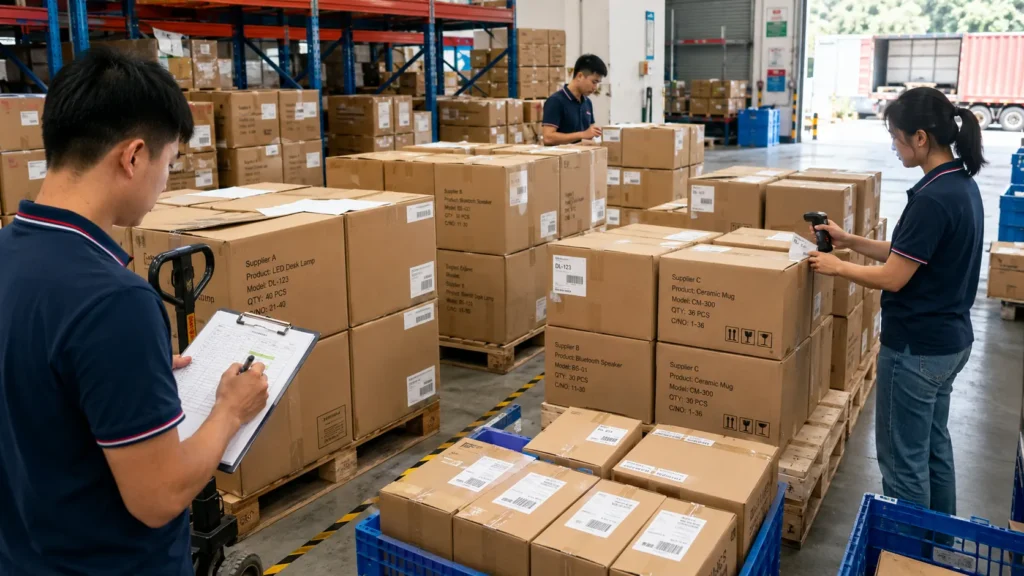
For mixed orders, every carton should identify the supplier, purchase order, SKU, quantity, carton number, and destination. Clear carton marks help the warehouse identify missing goods and prepare an accurate combined packing list.
Shantou, especially Chenghai, is a major manufacturing hub for plastic toys, educational toys, remote-control products, and children’s goods.
Toy importers should review age grading, small-parts warnings, chemical restrictions, battery requirements, labeling, testing, and intellectual-property risks before mass production.
Visual inspection can detect damaged or poorly assembled toys, but it cannot replace laboratory testing or required certification services.
Ningbo has strong manufacturing capabilities in machinery, molds, plastics, fasteners, hardware, electrical products, car parts, and automotive components.
Its strategic location near major ports supports efficient factory-to-port transportation, especially for heavy or large-scale orders.
For machinery and industrial components, purchase documents should define drawings, material grades, tolerances, surface treatment, functional testing, spare parts, tooling ownership, and export packing.
Suzhou is more suitable for precision manufacturing, industrial electronics, automated equipment, and technically demanding components. These suppliers may offer high quality manufacturing, but they usually require clearer technical specifications and inspection standards.
Tianjin plays a vital role in the machinery, metal products, chemicals, aerospace-related equipment, and heavy industry supply chains of northern industrial areas.
Chongqing is a major center for automotive manufacturing, motorcycles, engines, electronics, and industrial components. Wuhan also supports vehicles, steel, optical technology, machinery, and industrial equipment.
Inland factories may offer competitive production capabilities, but importers must include domestic transportation to the port, airport, railway terminal, or river connection in the total cost.
Industrial order checks include:

Technical drawings and tolerances
Material certificates
Surface treatment
Functional testing
Tooling ownership
Spare parts
Lifting and export packing requirements
The following city summaries provide additional context for importers comparing China’s top cities for manufacturing.
Shenzhen is a leading center for electronics, telecom equipment, mobile phones, smart devices, printed circuit boards, drones, and high-tech hardware.
The city is particularly suitable for rapid product development, component sourcing, and electronics assembly. Importers should confirm which production stages are completed in-house and whether the supplier controls outsourced components.
Dongguan is an important manufacturing city for plastic molding, metal components, cables, packaging, electronics assembly, furniture parts, and contract production.
It often supports major companies and factories in Shenzhen and Guangzhou. Buyers sourcing customized products should check mold ownership, subcontracted processes, material control, and final assembly responsibilities.
Guangzhou supports apparel, cosmetics, bags, leather goods, automotive products, fashion accessories, and large sourcing markets.
It is useful for product comparison and sample sourcing, but buyers should distinguish between market vendors, trading companies, sourcing businesses, and actual China factories.
Foshan is known for furniture, ceramics, sanitary ware, cabinets, doors, windows, aluminum products, construction materials, and appliances.
Its deep supplier network makes it suitable for home-furnishing and building projects involving several factories. Packaging, breakage protection, loading methods, and container utilization should be reviewed early.
Suzhou is a center for precision manufacturing, industrial electronics, automation systems, advanced machinery, and semiconductor-related components.
Its manufacturers often serve demanding industrial sectors and global markets. Importers should provide complete drawings, tolerances, material requirements, testing procedures, and inspection standards.
Ningbo focuses on machinery, molds, plastics, hardware, fasteners, electrical products, automotive parts, and export-oriented manufacturing.
Its port access is useful for heavy and large-scale cargo. Buyers should pay close attention to material grades, surface treatments, tooling ownership, spare parts, and reinforced export packaging.
Qingdao manufactures appliances, tires, machinery, marine equipment, industrial products, and selected transportation equipment.
It is an important port city on the Yellow Sea with a strong industrial base. Electrical products require checks for voltage, energy labeling, refrigerants, spare parts, and destination-market compliance.
Tianjin is one of the large manufacturing cities in northern China. Its industries include machinery, bicycles, metals, chemicals, aerospace-related products, electrical equipment, and industrial components.
Its port access makes it a key hub for factories around Tianjin, Beijing, Hebei, and nearby manufacturing areas.
Chongqing is one of China’s largest inland manufacturing cities for vehicles, motorcycles, engines, electronics, industrial equipment, and heavy industry.
The city has large-scale production capabilities, but exporters must account for inland transport to rail terminals, river ports, airports, or coastal gateways.
Yiwu is best known for small commodities, gifts, decorations, stationery, jewelry, household items, and promotional products.
It is especially suitable for mixed-SKU sourcing and product testing. Because many sellers are wholesalers rather than manufacturers, importers should confirm supplier traceability, carton labeling, product consistency, and the actual production location.
China’s manufacturing industries support a wide range of global markets, from low-volume retail sourcing to large-scale industrial production.
Different industrial sectors depend on different regional strengths. Electronics producers need access to components, engineers, testing services, and fast product development. Furniture and construction industries depend more heavily on material suppliers, packaging, loading efficiency, and sea freight capacity.
Textile and garment industries benefit from nearby fabric markets, printing, dyeing, accessories, labels, and packaging. Machinery and automotive industries rely on technical suppliers, metal processing, tooling, industrial equipment, and experienced production teams.
These manufacturing hubs also play a critical role in international markets because they connect factories with ports, airports, warehouses, inspection services, and export documentation providers.
A strong local manufacturing base can improve production speed, supplier coordination, and quality control. However, buyers must still verify individual factories because numerous companies within the same city may have very different capabilities.
Factory location affects both production and shipping.
Manufacturing cities around southern China can use major seaports and airports serving Shenzhen, Guangzhou, and nearby areas. Goods from Suzhou, Yiwu, Shaoxing, and other Yangtze River Delta cities may move through Shanghai or Ningbo depending on the factory location, cargo type, and vessel availability.
Ningbo’s strategic position near one of China’s busiest port systems makes it suitable for machinery, hardware, plastics, and large shipments. Qingdao provides port access for manufacturers around the Yellow Sea and nearby regions.
Tianjin serves factories around Beijing, Hebei, and the wider northern industrial area. Inland manufacturing cities such as Chongqing and Wuhan may use rail, river, road, or air transport before cargo reaches an international gateway.
The closest port is not always the best choice. Importers should compare inland trucking, sailing schedules, port charges, consolidation options, customs procedures, and final delivery time.
The supplier search should begin with the product rather than the lowest quotation found online.
Prepare a clear product brief covering materials, dimensions, functions, colors, tolerances, packaging, labeling, testing requirements, and expected order quantity.
Identify where the finished product and its main components are commonly produced. Specialized clusters usually provide better access to suppliers, components, packaging, and testing.
Ask which processes take place inside the factory and which are subcontracted. The main supplier should control materials, schedules, product quality, and corrective action.
Review the registered company name, factory address, equipment, workforce, export experience, quality procedures, and production records.
Include samples, tooling, inland pickup, inspection, packaging, consolidation, international freight, customs clearance, import duties, destination charges, and final delivery.
Tonlexing’s guide on how to compare freight quotes from China explains how to separate origin, freight, destination, and delivery charges.
Keep an approved reference sample and document materials, dimensions, colors, functions, branding, accessories, and packaging.
Supplier verification and quality control should be planned before mass production rather than added after a problem appears.

Confirm that:
The supplier name matches the contract and bank account
The actual factory location has been verified
In-house and subcontracted processes are identified
Materials and components are documented
An approved sample is available
Product tolerances and testing methods are clear
Certificates cover the correct factory and model
Established factories should be able to explain their manufacturing process, material sources, quality controls, and corrective procedures clearly.
Check that:
Production quantity matches the purchase order
Quality inspection has been completed
Carton marks and SKU labels are correct
Carton dimensions and gross weights are accurate
Packaging is suitable for export transportation
Fragile and moisture-sensitive goods are protected
Batteries, liquids, powders, magnets, or branded goods are disclosed
AQL tables are commonly used to select samples from a production lot. They help identify visible defects but do not replace laboratory testing or complete checks of safety-critical components.
Choosing the right manufacturing city in China is not only about finding a factory that can make the product. Importers also need to evaluate supplier reliability, production control, packaging, logistics planning, and the complete landed cost.
A poor sourcing decision often comes from the following mistakes:
Choosing a city from an online ranking. A supplier may have strong marketing but limited real manufacturing capabilities. Importers should confirm the actual factory location, product focus, and which production processes are completed in-house.
Assuming every seller owns a factory. Factories, wholesalers, trading companies, and sourcing businesses may offer similar products. The right choice depends on order volume, customization needs, pricing structure, and the level of production control required.
Ignoring where components come from. A final assembly supplier may depend on parts or materials from another city or province. This can affect lead time, product consistency, and the speed of correcting defects during production.
Starting quality control too late. Incorrect materials, unclear drawings, unapproved colors, and weak packaging instructions are difficult to fix during final inspection. Quality control should begin before mass production starts.
Comparing unit price instead of landed cost. A cheaper factory price may still create a higher total cost through poor packaging, defects, inland transport, storage, missed schedules, or destination charges.
Booking freight after production is finished. Late shipping arrangements can lead to limited routing choices, unsuitable shipping methods, documentation delays, extra warehouse fees, and missed vessel or flight schedules.
The most effective sourcing decisions usually come from better planning, clearer supplier verification, and earlier logistics preparation rather than simply choosing the lowest quotation.
The closest port is not always the most efficient shipping option.
For one large order, direct factory pickup to the export terminal may reduce handling. For smaller orders from numerous companies, collecting everything at one warehouse can improve carton control, simplify export documents, and reduce loading errors.
The product also determines the shipping plan. High-value electronics may justify air freight when speed is important. Furniture, appliances, and construction materials normally move by sea because volume and weight drive the cost.
Machinery may require reinforced wooden cases, lifting plans, flat-rack containers, open-top equipment, or oversized cargo handling.
Before confirming an order, check:
Actual factory locations
Distance between suppliers
Export packaging requirements
The most suitable port or airport
Responsibility for customs and shipping documents
A logistics provider should explain the complete route and cost structure before cargo moves. Read how to choose the best freight forwarder in China before booking.
You can also review Tonlexing’s shipping case studies to see how different products are collected, packed, loaded, and transported.
The top cities for manufacturing in China depend on the product category. Shenzhen and Dongguan are strong in electronics, Foshan in furniture and construction materials, Guangzhou and Shaoxing in clothing and textiles, Yiwu in small commodities, and Ningbo in machinery and automotive components.
The best city is the one with the deepest supplier network for the specific product.
Shenzhen is one of China’s leading cities for consumer electronics, smart devices, telecom equipment, printed circuit boards, and electronic components.
Dongguan is stronger in molds, plastic housings, packaging, cables, and assembly. Suzhou is more suitable for precision electronics and industrial equipment.
Tianjin is one of the largest cities for manufacturing in northern China, especially for machinery, metals, chemicals, aerospace-related products, and industrial equipment.
Qingdao is also important for appliances, tires, machinery, marine equipment, and export-oriented industries. The better choice depends on the product and factory location.
Guangzhou is generally better for apparel, bags, leather goods, cosmetics, beauty products, accessories, and fashion wholesale markets.
Yiwu is more suitable for gifts, stationery, jewelry, decorations, household items, promotional products, and mixed low-volume orders.
Foshan is one of China’s main furniture manufacturing hubs. Buyers can find residential, office, hotel, commercial, and customized furniture suppliers.
Before ordering, check materials, dimensions, surface finish, packaging, moisture protection, loading methods, and replacement parts.
Useful freight, customs and importing resources related to this shipping guide.

How to Source Electronics from Shenzhen and Ship Overseas Verified & Reviewed · Last updated July 2026 Shenzhen is one of China’s leading electro...
Read guide →
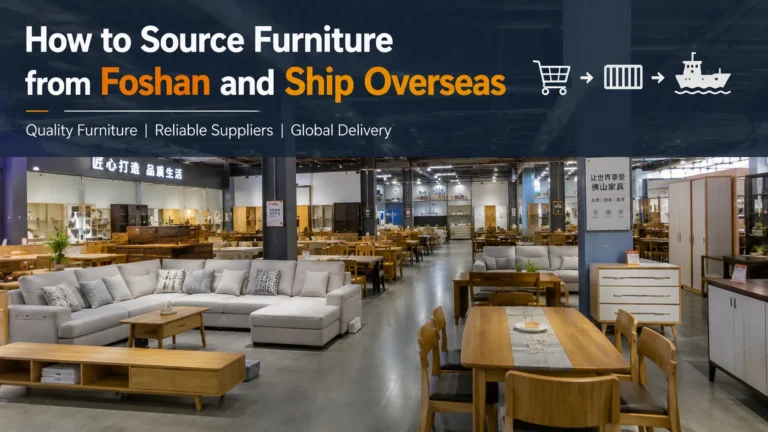
How to Source Furniture from Foshan and Ship Overseas Verified & Reviewed · Last updated July 2026 Sourcing furniture from Foshan gives internati...
Read guide →
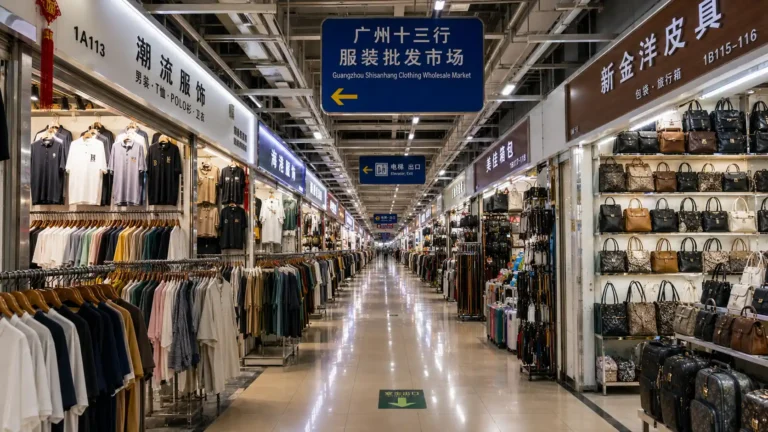
Guangzhou Wholesale Markets Guide for International Buyers Verified & Reviewed · Last updated July 2026 Explore the best Guangzhou wholesale mark...
Read guide →
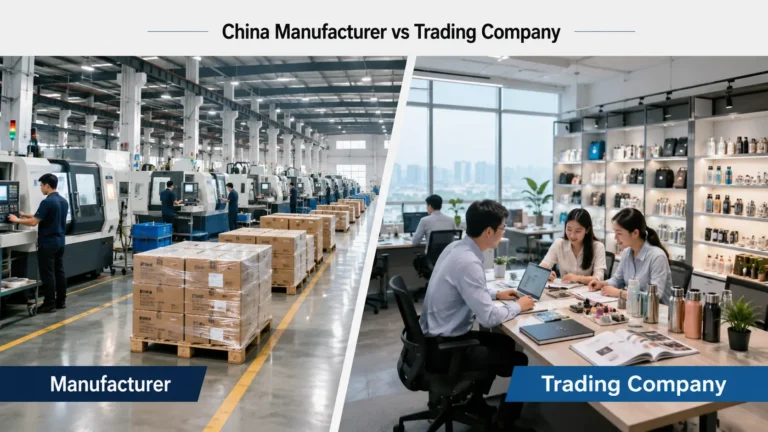
China Manufacturer vs Trading Company Verified & Reviewed · Last updated July 2026 Choosing between a China manufacturer and a trading company ca...
Read guide →How to Verify a Chinese Supplier Before You Pay Verified & Reviewed · Last updated July 2026 Before you pay a Chinese supplier, do not rely only...
Learn more → Useful Resource Shipping from Multiple Suppliers in ChinaShipping from Multiple Suppliers in China Verified & Reviewed · Last updated May 2026 Shipping from multiple suppliers in China can be difficult...
Learn more →WhatsApp us