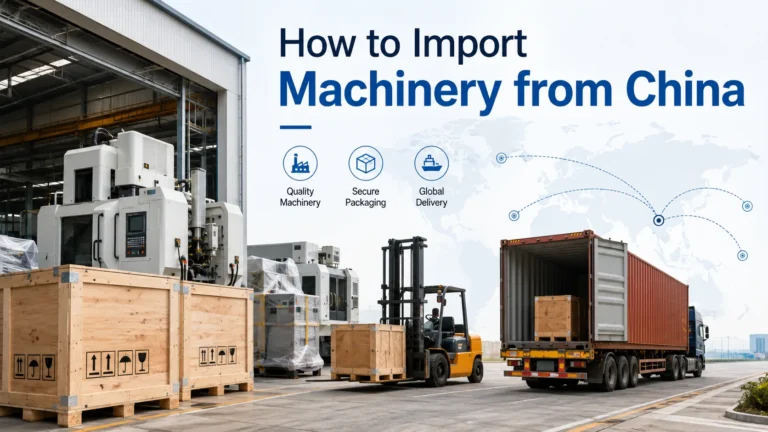
Related Guide
How to Import Machinery from China
How to Import Machinery from China Verified & Reviewed · Last updated August 2026 Importing machinery from China requires careful supplier verifi...
Read guide →

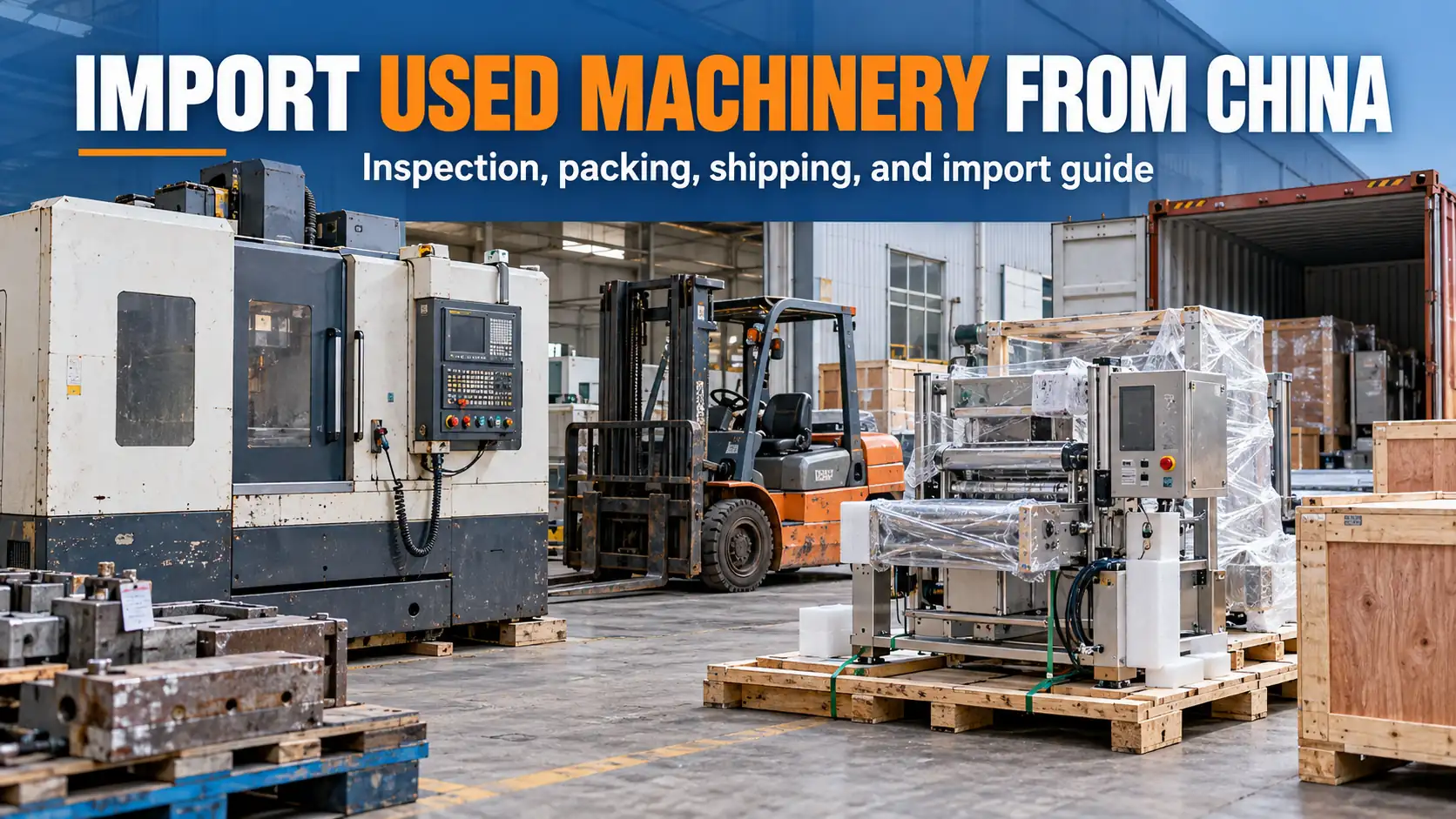
Importing used machinery from China can reduce equipment costs, but buyers must verify suppliers, machine condition, and import regulations before purchasing.
Learn how to inspect equipment, compare suppliers, calculate shipping costs, prepare documents, and choose the right shipping method.
Supplier Verification
Machinery Inspection
Costs & Import Rules
Before placing an order, confirm that the machinery is suitable for your operation and eligible for import into the destination country. A few checks at the beginning can help buyers avoid costly mistakes later.
Verify the supplier’s identity, business address, and track record
Confirm the machine model, serial number, manufacturing year, and maintenance history
Check destination-country regulations and any required certifications
Compare prices and technical specifications from several suppliers
Calculate shipping costs, taxes, handling charges, and final delivery
Agree on inspection criteria, payment terms, and responsibilities in writing
For a broader overview, read our guide to importing machinery from China. Used machinery requires additional due diligence because previous use, missing parts, and maintenance needs can affect its actual value.
China’s resale market covers a wide range of industrial applications. The right machine depends on the intended workload, available budget, expected service life, and access to spare parts.
Common categories include:
Used construction machinery: excavators, wheel loaders, bulldozers, and other heavy machines
CNC and metalworking machinery: lathes, milling machines, machining centres, and cutting systems
Agricultural machinery: tractors, harvesters, and related products
Factory and packaging machinery: processing lines, filling systems, conveyors, and auxiliary units
Used construction machinery needs particular attention to engine hours, hydraulic performance, undercarriage wear, and structural condition. CNC machines require checks on accuracy, controls, tooling, and software access.
Before agreeing on a price, confirm whether manuals, cables, tooling, accessories, and replacement parts are included. For related transport requirements, see our guides to shipping CNC machines from China and shipping agricultural machinery from China.
Before purchasing used machinery from China, confirm that the equipment can legally enter your destination country and meet the applicable import requirements. Regulations vary by machine type, age, power source, intended use, and technical specifications. A machine that can be exported from China is not necessarily eligible for import or ready for use in your market.
For shipments to the United States, check the correct Harmonized Tariff Schedule (HTS) classification to determine applicable duties and identify potential additional tariffs or regulatory requirements. Used machinery equipped with certain gasoline or diesel engines may also be subject to U.S. EPA emissions requirements.
Before paying a deposit, verify the following:
Import eligibility: Confirm whether the machinery’s type, age, and condition are permitted and whether special permits or declarations are required.
Customs duties and tariffs: Ask a customs broker to verify the applicable HTS code, duty rate, and any additional tariffs based on the equipment’s specifications and country of origin.
Technical compliance: Check applicable emissions, electrical safety, and other product-specific requirements, particularly for machinery with engines or specialized components.
Required documentation: Prepare the commercial invoice, packing list, equipment specifications, model and serial numbers, year of manufacture, and any required certificates or declarations.
Shipping and packaging requirements: Check whether the machinery must be cleaned or drained of oil and other fluids before shipment, and ensure that wooden packaging meets applicable import requirements.
Confirm these requirements with a qualified customs broker before the equipment leaves China. Identifying compliance issues before purchase can help prevent customs delays, unexpected costs, or the need to re-export the machinery.
Buyers can source used machinery through B2B marketplaces, specialist dealers, trading markets, industry referrals, and trade shows. Market research helps compare prices, brands, specifications, and supplier track records before negotiations begin.
Alibaba and other B2B platforms allow buyers to compare listings and request quotations. Search using a specific model number where possible, rather than relying only on broad product categories.
Trade shows can also help buyers meet suppliers and compare available products. The Canton Fair is one possible sourcing event, although specialist machinery exhibitions or used-equipment dealers may be more relevant for certain categories.
When researching suppliers in China:
Compare several sellers offering the same or similar models
Request current photographs and a video showing the machine in operation
Confirm where the machine is located and whether it is available for inspection
Check the seller’s business history and the brands it handles
You can begin with our guide to websites for finding Chinese suppliers. Alibaba Trade Assurance may provide transaction protection for eligible orders, but it does not replace an independent inspection or a clear sales contract.
Check the company’s registered name, business address, contact details, and payment-account ownership. Ask for references from previous international buyers and confirm that the seller owns the machine or is authorised to sell it.
Language barriers can create misunderstandings about specifications, included parts, warranty terms, and delivery responsibilities. Use a written specification sheet and confirm important details in clear language.
Read our guide on how to verify a Chinese supplier before you pay.
Be cautious if a seller refuses reasonable inspection requests, avoids questions about maintenance, pressures you to transfer money immediately, or changes bank details without independent confirmation. These risks should be resolved before the shipment leaves China.
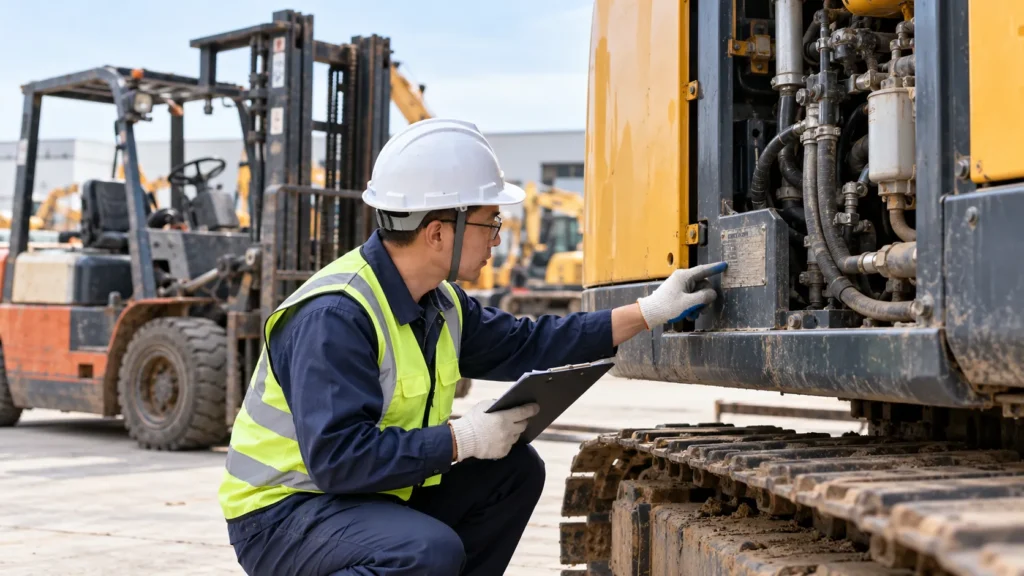
A technical assessment helps determine whether used machinery matches the seller’s description and can perform its intended job. Agree on inspection requirements and acceptance criteria before finalizing the purchase.
Request the manufacturing year, serial number, operating hours where available, maintenance records, and major repair history. Check for corrosion, fluid leaks, damaged wiring, abnormal noise, excessive wear, and missing safety guards.
For construction machinery, inspect the engine, hydraulics, tracks or tyres, and structural components. For CNC or factory machinery, check operating accuracy, control systems, tooling, and software access.
Also confirm spare parts availability and whether the supplier can provide manuals and technical support.
For high-value or technically complex machinery, hire an inspector familiar with the equipment type. Request a written report covering the machine’s condition, functional tests, visible defects, and supporting photos or videos.
A factory audit evaluates a supplier’s business and production capabilities, while a machine inspection assesses the actual equipment. Learn more about the differences between factory audits, product inspections, and container-loading inspections.
Record agreed repairs, missing components, acceptance criteria, and remedies for significant defects in the purchase contract. An inspection reduces uncertainty but cannot guarantee future performance.
The total cost includes the equipment purchase price, inspection, export preparation, international freight, import duties, and final delivery. Prices vary considerably by machine type, age, brand, condition, and destination.
| Cost item | Estimated cost (USD) |
|---|---|
| Third-party inspection | $200–$500 per machine |
| Export packing | $150–$800 for smaller equipment |
| China domestic pickup and loading | $150–$1,000+ |
| LCL sea freight | $80–$180 per CBM |
| 20ft container sea freight | $1,500–$3,500 |
| 40ft container sea freight | $2,500–$5,000 |
These are indicative budgeting estimates, not live rates. Sea freight figures are illustrative and exclude some origin and destination charges. Actual costs depend on the route, shipment date, dimensions, weight, and handling requirements.
To estimate the total cost, obtain quotations based on the machinery’s dimensions, weight, value, pickup location, and final delivery address. Compare shipping options and confirm which charges are included in each quote.
Use this formula to estimate your budget:
Total landed cost = Purchase price + China-side charges + International freight + Import duties and taxes + Destination charges + Other applicable costs
For oversized or heavy machinery, confirm container dimensions, loading requirements, and whether flat rack, open-top, or other specialized transport is necessary. Allow a contingency for unexpected handling, storage, or inspection expenses.
Choosing suitable Incoterms and payment terms helps define responsibilities, control shipping costs, and reduce disputes when purchasing used machinery from China. Agree on delivery arrangements and payment conditions before signing the contract.
The right Incoterm depends on the buyer’s logistics capabilities, the machinery’s size, and the agreed delivery point.
EXW (Ex Works): The buyer arranges collection and most transportation and export logistics.
FOB (Free on Board): The seller handles export clearance and delivery on board the vessel at the named port. This term is for sea and inland waterway transport.
CIF (Cost, Insurance and Freight): The seller pays freight and insurance to the named destination port, but risk transfers when the goods are loaded on board the vessel.
DAP (Delivered at Place): The seller arranges transport to the named destination, while the buyer generally handles import clearance and duties.
Specify the named place or port and refer to Incoterms® 2020 in the contract. For containerized or multimodal shipments, FCA may be more suitable than FOB, depending on the delivery arrangements.
Payment terms should protect both parties and link payment milestones to verifiable delivery or inspection requirements.
Agree on the deposit, balance payment deadline, and accepted payment method in writing.
Where possible, make the final payment conditional on agreed inspection results and supporting documentation.
Verify the supplier’s company details and bank account before transferring funds.
Document the machine’s specifications, condition, included parts, and remedies for significant discrepancies in the purchase contract.
Importing used machinery from China requires documents that identify the equipment, establish its declared value, and verify its condition where necessary. Requirements vary by destination country, machine type, age, and intended use.
Used equipment may require additional documentation to demonstrate its identity, operating condition, and compliance with destination-country regulations.
Equipment Specifications: Manufacturer, model, serial number, year of manufacture, dimensions, and weight.
Maintenance and Repair Records: Available service history, replaced parts, and major repairs to help assess the machine’s condition.
Inspection Report: Findings from a pre-shipment inspection or technical assessment, if required or requested by the buyer.
Equipment Photos and Test Records: Evidence of the machine’s condition, identifying plate, and functional performance.
Import Permit or Compliance Documents: Required for certain used machinery categories or destinations.
Prepare the standard documents needed to declare, transport, and clear the equipment. Ensure the information matches the actual machine being shipped.
Commercial Invoice: Declared transaction value and an accurate description identifying the equipment as used.
Packing List: Package dimensions, gross weight, and details of dismantled components or accessories.
Bill of Lading: Transport document for ocean shipments.
Export Customs Declaration: Documents the machinery’s export from China, as applicable.
Certificate of Origin: Provided when required by the destination country’s customs procedures or for an applicable origin-based tariff claim.
Before shipment, confirm whether the destination country requires a used-equipment inspection, import license, or additional technical documentation. Accurate machine identification and consistent paperwork can help reduce customs delays.
The shipping plan depends on packed dimensions, gross weight, centre of gravity, lifting points, mobility, and destination access. Used construction machinery and oversized factory machines may need different handling from compact industrial units.
FCL: suitable for machinery that fits securely inside a standard container
LCL: may suit smaller, properly packed cargo when dimensions and handling requirements allow
Flat rack or open top: options for some oversized loads
Breakbulk or Ro-Ro: possible choices for suitable non-containerised or self-propelled cargo
Air freight: generally more suitable for urgent, compact machinery or spare parts
Review shipping factory machines from China and oversized cargo shipping options when comparing solutions. The right method depends on the actual cargo and route, not simply the purchase price.
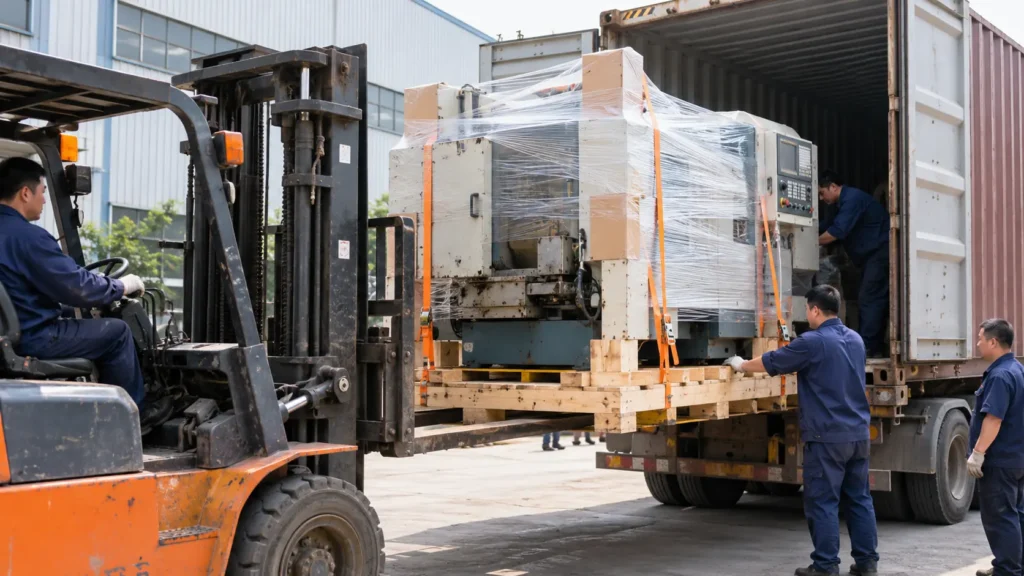
Before collection, confirm whether the machinery needs dismantling, special lifting, or protective packaging. Secure loose parts, protect control panels, and use suitable skids or crates where necessary.
Exposed metal may require moisture and corrosion protection. Confirm the centre of gravity, lifting points, and load-securing plan before booking. Check destination rules for wooden packaging and send the freight forwarder final dimensions and loading photographs.
Accurate cargo information helps avoid booking changes, handling problems, and unnecessary logistics costs.
Customs clearance for used machinery requires accurate documents, correct HS classification, and compliance with destination-country regulations. Prepare the commercial invoice, packing list, and equipment details, including the model, serial number, and year of manufacture. Check whether import permits or inspections are required before shipment.
See our step-by-step customs clearance guide.
Before the machinery arrives, arrange suitable transportation and unloading equipment. Heavy or oversized machines may require specialized trucks, cranes, route checks, or transport permits. Confirm site access and delivery arrangements in advance to avoid delays and extra charges.
Tonlexing can help coordinate used machinery shipping from China, including cargo handling, international transportation, and delivery arrangements. Contact our team with the machinery dimensions, weight, pickup location, and destination to discuss a suitable shipping solution.
It depends on the destination’s import regulations, machinery category, age, emissions, and safety requirements. Confirm eligibility for the specific unit before paying the supplier.
Compare B2B listings and specialist dealers, verify company details, request maintenance records, and check references. Arrange a third-party inspection when appropriate.
Common documents include a commercial invoice, packing list, transport document, and technical details. Additional permits or certifications may be required by the destination.
The amount depends on the HS code, customs value, and destination tariff. A customs broker can confirm the applicable rate and any additional taxes.
The choice depends on dimensions, weight, mobility, route, and loading requirements. FCL suits many container-sized units, while oversized or self-propelled machinery may need specialist transport.
Useful freight, customs and importing resources related to this shipping guide.
How to Import Machinery from China Verified & Reviewed · Last updated August 2026 Importing machinery from China requires careful supplier verifi...
Read guide →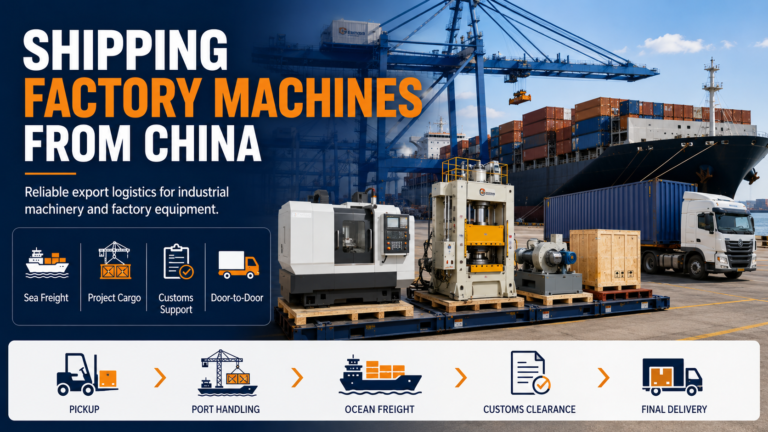
Shipping Factory Machines from China Verified & Reviewed · Last updated July 2026 Shipping factory machines from China requires careful planning...
Read guide →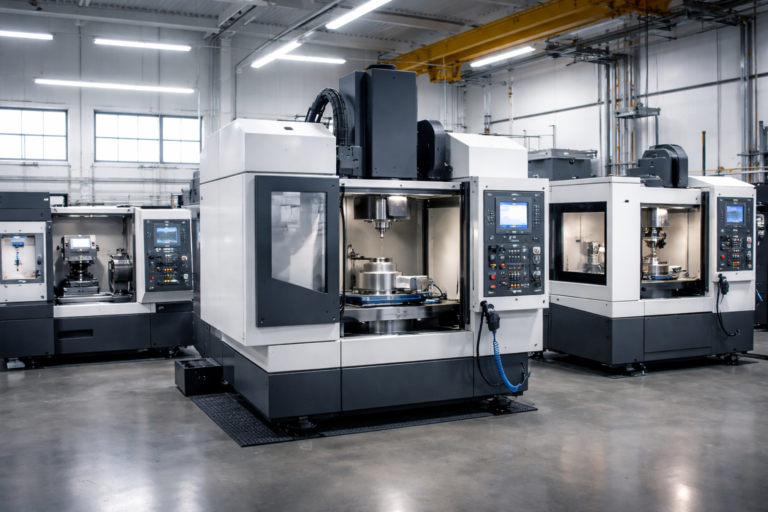
Shipping CNC Machines Verified & Reviewed · Last updated April 2026 Shipping CNC Machines from China is a complex process that requires proper pl...
Read guide →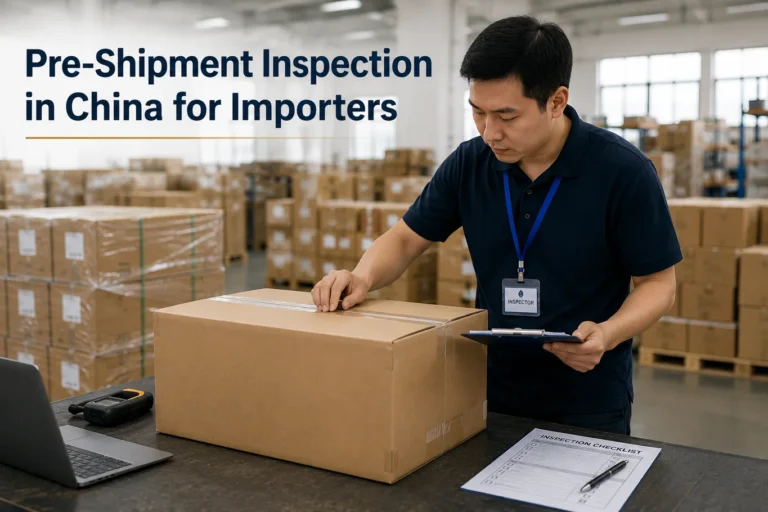
Pre-Shipment Inspection in China for Importers Verified & Reviewed · Last updated July 2026 A pre-shipment inspection helps importers identify de...
Read guide →Importing goods from China can be highly profitable—but only when you understand the necessary documents and import requirements. Whether you’re...
Learn more → Useful Resource Shipping Oversized Cargo from ChinaShipping Oversized Cargo from China Verified & Reviewed · Last updated February 2026 Shipping oversized cargo from China depends on cargo dimensi...
Learn more →WhatsApp us