

Shipping from China to Dakar
- Verified & Reviewed · Last updated April 2026
Shipping from China to Dakar involves several transport options, with sea freight, air freight, and express shipping being the most common choices for importers moving commercial cargo to Senegal.
This guide explains shipping from China to Dakar, including sea freight and air freight transit times, shipping costs, customs clearance, required documents, and delivery options through Dakar’s main port and airport.
Shipping method
Transit Time & Shipping Cost
Customs Clearance
- Experienced China-based logistics specialists
Table of Contents
Why Shipping from China to Dakar Matters
Dakar is the main logistics and commercial gateway of Senegal. For many importers, shipping from China to Dakar is the most practical way to supply the local market and support distribution across West African states. The route is used for consumer goods, machinery, building materials, textiles, spare parts, and bulk cargo.
As trade between China to Senegal continues to grow, more businesses need reliable freight forwarding services that can manage shipping operations efficiently. A reputable logistics provider can help importers reduce costs, avoid delays, and improve cost management across the full supply chain.
For companies that ship regularly, the real challenge is not only moving cargo from one country to another. It is managing the entire shipping process in a way that supports timely delivery, avoids unexpected costs, and keeps customs clearance as smooth as possible.
Shipping Methods from China to Dakar
When planning international shipping from China to Dakar, importers usually compare sea freight, air freight, and express shipping. In some cases, door to door services are also preferred because they simplify coordination and final delivery.
Sea Freight from China to Dakar
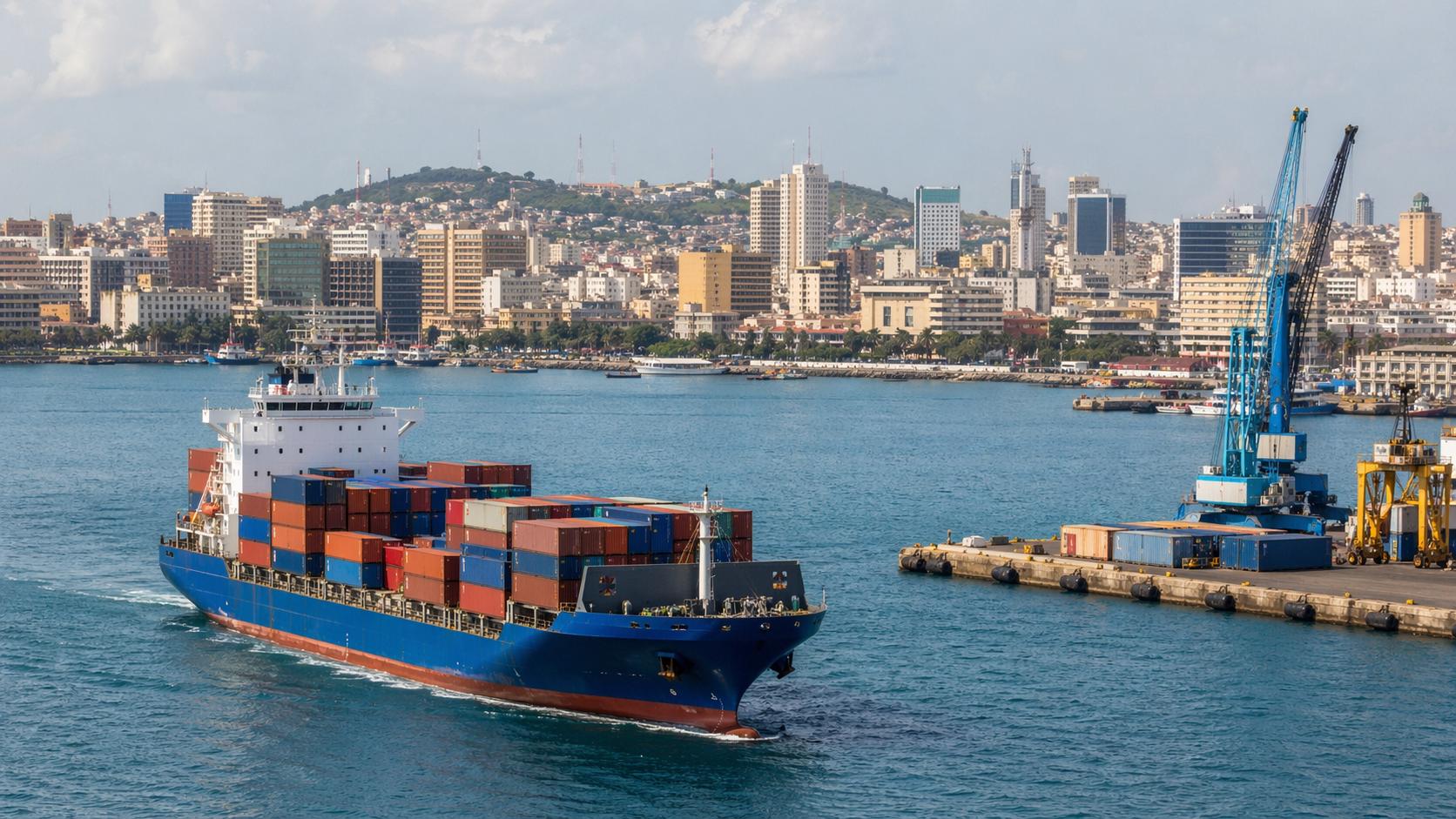
Sea freight is the most common option for shipping from China to Dakar, especially for larger shipments, bulk shipments, and cargo that is not highly time sensitive. Senegal sea freight is usually the most cost effective choice when cargo volume is high and transit time is flexible.
Sea freight works well for:
full container load cargo
container load shipments from multiple suppliers
bulk cargo
industrial goods
wholesale orders
For most importers, sea freight offers the best balance between cargo capacity and shipping costs. It is widely used by companies that want cost savings on regular or large-volume shipments.
Importers can usually choose between:
A full container load is usually the better option when cargo volume is large enough to use most of a container. It gives better cargo protection, simpler handling, and better control over the shipping process.
A shared container service is often better for smaller shipments that do not need an entire container. This reduces upfront freight cost, although handling time may be slightly longer.
Air Freight from China to Dakar
Air freight from China to Dakar is the preferred option for urgent shipments, high-value cargo, spare parts, medical products, and time sensitive shipments. Air freight services are much faster than sea freight, making them suitable when stock replenishment or project schedules are critical.
Air freight is often used for:
urgent shipments
air cargo with high value
small to medium commercial shipments
samples
replacement parts
products with short sales windows
Although air freight rates are higher than ocean freight, the shorter transit times can help businesses reduce inventory pressure and ensure timely delivery.
When planning air freight services, importers should pay attention to chargeable weight, airline schedules, cargo restrictions, and customs procedures after arrival. For many shipments, the speed advantage of air freight justifies the higher cost.
Express Shipping from China to Dakar
Express shipping is usually used for small packages, documents, samples, and highly urgent shipments. Express services are faster than most standard air cargo arrangements because the courier handles pickup, export processing, transport, tracking systems, customs coordination, and final delivery within one service chain.
Express shipping is suitable for:
documents
samples
small cartons
urgent product testing
lightweight high-value goods
For large commercial shipments, express shipping is rarely the most cost effective option. However, for urgent deliveries where timing matters more than price, it can still be the best shipping method.
Door to Door Services from China to Dakar
Many importers prefer door to door services because they reduce the complexity of dealing with multiple logistics providers. Under this model, the logistics partner manages pickup in China, international shipping, customs clearance support, and final delivery to the consignee.
Door to door services are useful for:
importers with limited local logistics resources
customers who want simpler coordination
companies handling time sensitive shipments
buyers looking for a single logistics provider
A strong door-to-door solution can improve efficient delivery and reduce communication gaps across the whole shipment.
Shipping Time from China to Dakar
The estimated shipping time from China to Dakar mainly depends on the shipping method you choose, whether the service is port to port or door to door, and the origin city in China. For most importers, sea freight is the most economical option for larger cargo, while air freight and courier services are better for urgent shipments.
| Shipping Method | Door-to-Door | Port-to-Port or Airport-to-Airport | Best For |
|---|---|---|---|
| Express Shipping | 3–7 days | Not applicable | Samples, urgent documents, small parcels |
| Air Freight | 10–12 day | 3–5 working days | High-value cargo, urgent commercial shipments |
| Sea Freight | 40–55 days | 30–45 days | Large shipments, furniture, machinery, bulk cargo |
Estimated Sea Freight Transit Time by Departure Port
Sea freight from China to Dakar often involves transshipment through intermediate hubs, such as Singapore or other regional ports, so the final transit time may vary by carrier schedule and route arrangement. Below are some common reference transit times from major Chinese ports:
Guangzhou or Shenzhen to Dakar: about 39 days 16 hours
Shanghai or Ningbo to Dakar: about 35–45 days
Tianjin to Dakar: usually 45 days or more, depending on the transshipment route
In practice, actual transit times may also be affected by vessel schedules, peak season demand, port congestion, customs procedures, and final delivery arrangements after arrival in Dakar.
Shipping Costs from China to Dakar
Shipping costs from China to Dakar vary widely depending on the shipping method, cargo size, weight, dimensions, product type, packaging, season, and service scope. Importers should always compare quotations based on the full shipping process, not only the headline freight price.
Sea Freight Shipping Costs
Sea freight shipping costs usually depend on whether the cargo is moved as a full container load or as shared container cargo.
Reference ranges may look like this:
20GP container: around USD 1,200 to USD 2,800
40GP or 40HQ container: usually higher depending on market conditions
small shared sea freight shipments: often charged by volume plus destination charges
Ocean freight rates can change with vessel space, seasonal demand, and route conditions. Importers should also consider local destination ports charges, terminal handling, and customs-related fees.
Air Freight Shipping Costs
Air freight rates are generally based on chargeable weight. Depending on cargo density and airline availability, rates may range from around USD 3 to USD 8 per kilogram for many standard shipments.
Air freight pricing is affected by:
gross weight
volumetric weight
route demand
airline capacity
cargo type
service level
fuel surcharges
For urgent shipments, air freight may seem expensive, but it can reduce business risk where delay would create lost sales or operational disruption.
Additional Charges to Consider
Beyond the base freight quote, importers should also budget for:
pickup charges in China
export handling fees
customs clearance charges
customs duties
import duties
airport or port handling
documentation fees
warehouse charges
inspection fees
final delivery charges
These additional items are often where unexpected costs appear. A reputable logistics provider should explain them clearly before shipment.
Main Ports and Airports for China to Dakar Shipping
The choice of departure and arrival points has a direct effect on transit times, routing flexibility, and shipping costs.
Major Chinese Ports
The most commonly used major Chinese ports for sea freight to Dakar include:
These major ports offer regular cargo ship schedules and a wide range of ocean freight options for international shipping.
Destination Ports in Senegal
For sea freight, the main destination port is the Port of Dakar. This is the principal maritime gateway for Senegal and a major logistics hub for West Africa. It is the most important of the destination ports used for commercial imports into the country.
International Airport in Dakar
For air cargo, the main international airport is Blaise Diagne International Airport. It is the primary air logistics entry point for urgent commercial shipments, samples, and higher-value goods.

Customs Clearance in Dakar
Customs clearance is one of the most important stages in the entire shipping process. Even when transit times are acceptable, poor document preparation can create delays, storage fees, cargo holds, or additional customs duties.
To ensure smooth customs clearance, importers should understand customs regulations, import regulations, and export regulations before cargo departs China.
Customs clearance is one of the most important stages in the entire shipping process. Even when transit times are acceptable, poor document preparation can create delays, storage fees, cargo holds, or additional customs duties.
To ensure smooth customs clearance, importers should understand customs regulations, import regulations, and export regulations before cargo departs China.
Key Shipping Documents
Most shipments require a set of standard shipping documents, including:
commercial invoice
bill of lading or air waybill
certificate of origin when needed
import permits for regulated cargo
product certificates when required
The commercial invoice is especially important because it supports customs valuation, cargo description, and duty assessment. A clear and accurate commercial invoice helps customs review the shipment more efficiently.
Document Purpose: Commercial Invoice
The document purpose commercial invoice serves is far more than basic billing. It helps customs authorities verify:
product description
declared value
seller and buyer details
origin of goods
quantity and shipment terms
If the commercial invoice is incomplete or inconsistent with the packing list or transport document, customs procedures may slow down significantly.
Customs Duties and Import Duties
Customs duties and import duties in Senegal are mainly based on the HS code, product category, customs value, and local import rules. For shipments from China to Dakar, import charges may include several parts rather than just one tax.
Customs duty: Senegal generally applies different duty bands under the regional tariff structure, commonly including 0%, 5%, 10%, and 20%, depending on the type of goods.
VAT: The standard VAT rate is typically 18%.
Additional import charges: Some shipments may also be subject to extra fees such as statistical fees, community levies, and certain port-related charges, especially for sea freight cargo.
Excise duties on selected goods: Some products may face additional taxes or closer customs review, including tobacco, alcohol, cosmetics, and certain vehicles.
Shipping Process from China to Dakar
A well-managed shipping process helps avoid delays, improve cost management, and support efficient delivery. The entire shipping process usually includes the following stages.
Cargo Confirmation
The shipper confirms:
product name
cargo value
package quantity
dimensions
weight
pickup address
required shipping method
Method Selection
The importer chooses the best shipping method based on cost, urgency, product type, and service level. This may be sea freight, air freight, express shipping, or door to door services.
Pickup and Export Handling
Cargo is collected from the supplier, taken to the warehouse or terminal, and processed under Chinese export regulations.
International Transport
The goods move by cargo ship or aircraft depending on the selected service. Shipping routes, airline schedules, and vessel capacity influence transit performance.
Arrival and Customs Procedures
After arrival in Dakar, customs procedures begin. This step includes document review, duty assessment, and cargo release.
Final Delivery
After release, the cargo moves to the consignee through local transport arrangements. Good planning at this stage supports final delivery without unnecessary waiting time.
For most importers, the decision between sea freight and air freight comes down to cargo size, urgency, and total cost.
Choose Sea Freight When:
cargo volume is large
cost savings matter more than speed
you are shipping containers
the goods are not urgent
you need a cost effective solution for bulk shipments
Choose Air Freight When:
the shipment is urgent
the cargo has high value
stockouts would create business losses
you need timely transport for time sensitive shipments
the shipment size is too small for economical sea freight
There is no single best shipping method for every case. The best shipping method depends on your specific shipment profile and business goal.
How to Reduce Costs and Improve Delivery Performance
Importers that plan well can reduce costs without damaging service quality. The goal is not only lower freight, but better cost management across the whole shipment.
Here are practical ways to reduce costs:
book early during stable market periods
use sea freight instead of air freight when timing allows
consolidate shipments from multiple suppliers
improve carton and pallet efficiency
compare major Chinese ports before booking
prepare proper documentation in advance
work with a trusted logistics partner
avoid poorly structured quotes that lead to unexpected costs
At the same time, businesses should aim to ensure timely delivery by choosing realistic schedules, building in some buffer time, and avoiding last-minute documentation errors.
Why Businesses Work with Tonlexing
Tonlexing offer freight forwarding services for businesses shipping from China to Dakar through sea freight, air freight, express services, and door to door services. Depending on cargo type and service scope, support may include pickup, consolidation, export handling, international shipping, customs coordination, and final delivery planning.
For businesses that need consistent logistics support, working with an experienced team can help:
ensure smooth customs clearance
reduce costs through better planning
improve timely delivery performance
manage shipping goods from multiple suppliers
simplify the entire shipping process
The goal is not just to move cargo, but to build a more stable logistics strategy for China to Senegal trade.
Frequently Asked Questions
Sea freight usually takes around 30 to 45 days. Air freight often takes around 3 to 10 days. Express shipping can be faster for small urgent shipments.
Sea freight is usually the cheapest option for larger cargo, especially for shipping containers, bulk cargo, and full container load shipments.
The main airport is Blaise Diagne International Airport, which is the key international airport for air cargo entering Dakar.
Most shipments need a commercial invoice, packing list, bill of lading or air waybill, and any product-specific permits required by import regulations.
The best way is to prepare proper documentation, classify goods correctly, understand customs regulations, and work with experienced freight forwarders who know the route.
Related China to Dakar Shipping Guides
Get a Shipping Quote from China to Dakar
- Sea freight, air freight, and express options
- Support for customs clearance and final delivery
- Tailored solutions for cargo size, timing, and budget
Get tailored shipping options, transparent pricing, and practical support for your shipment from China to Dakar.