

Shipping from China to Poland – Rail, Sea & Door-to-Door in 2026
Fast, reliable shipping from China to Poland for B2B importers, eCommerce sellers,
and project cargo. We support regular departures and stable capacity across rail and sea freight.
Compare rail freight, sea freight, and door-to-door options with clear transit times,
costs, and customs handling — before you book.
Rail freight: 14–24 days
Sea freight: 32–48 days
Door-to-Door: 20–40 days
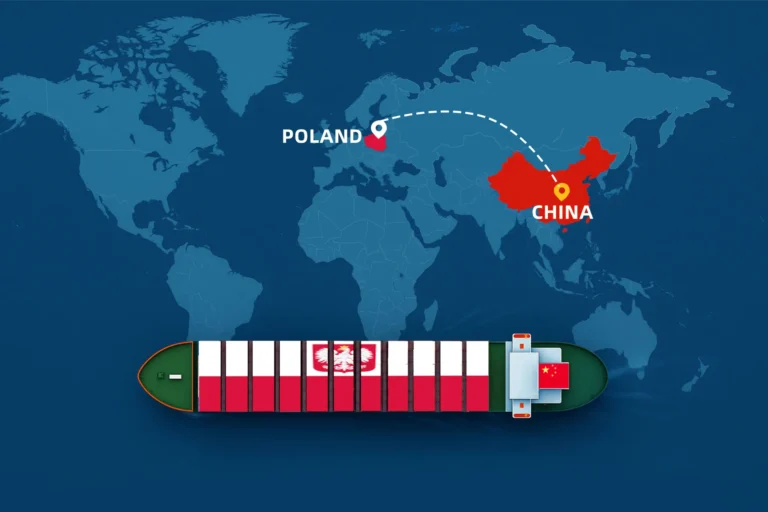
- Experienced China-based logistics specialists
Shipping Methods from China to the Poland
Compare Poland shipping options by speed, cost, and clearance—especially for key cities like Warsaw and Krakow.
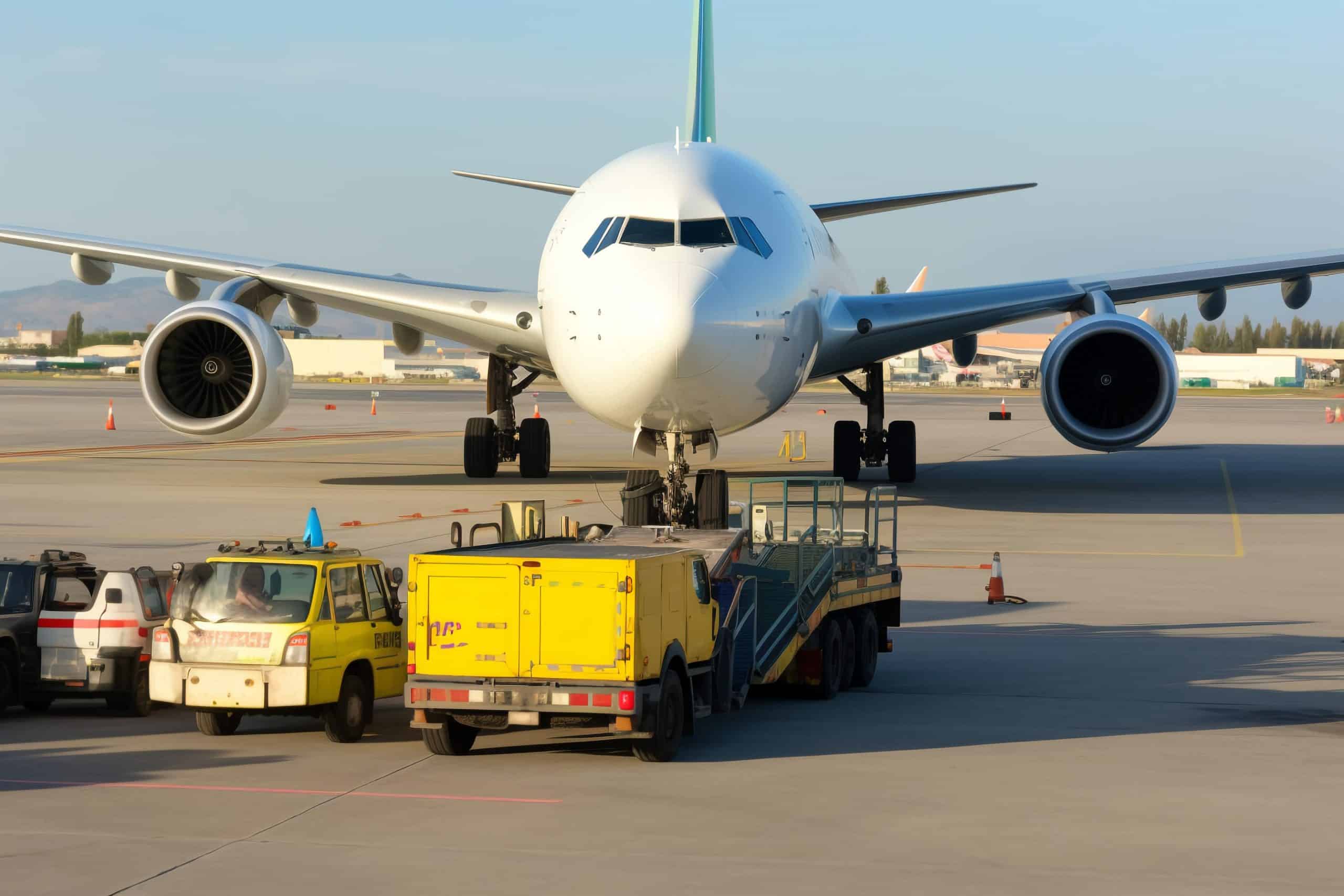
Air Freight
Fast air shipping to Warsaw and Krakow for urgent shipments.
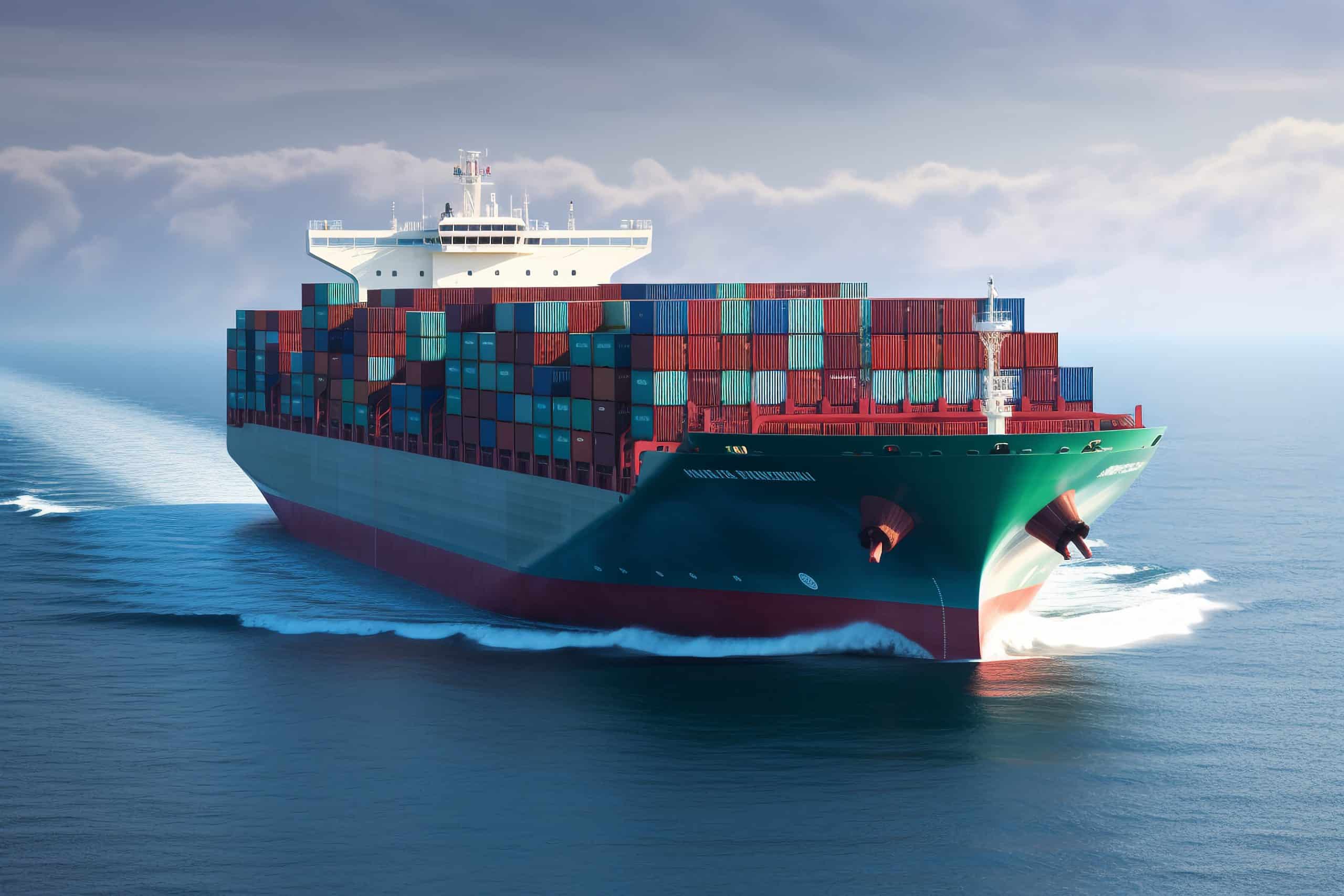
Sea Freight (FCL & LCL)
Affordable sea freight to major Polish ports like Gdansk.
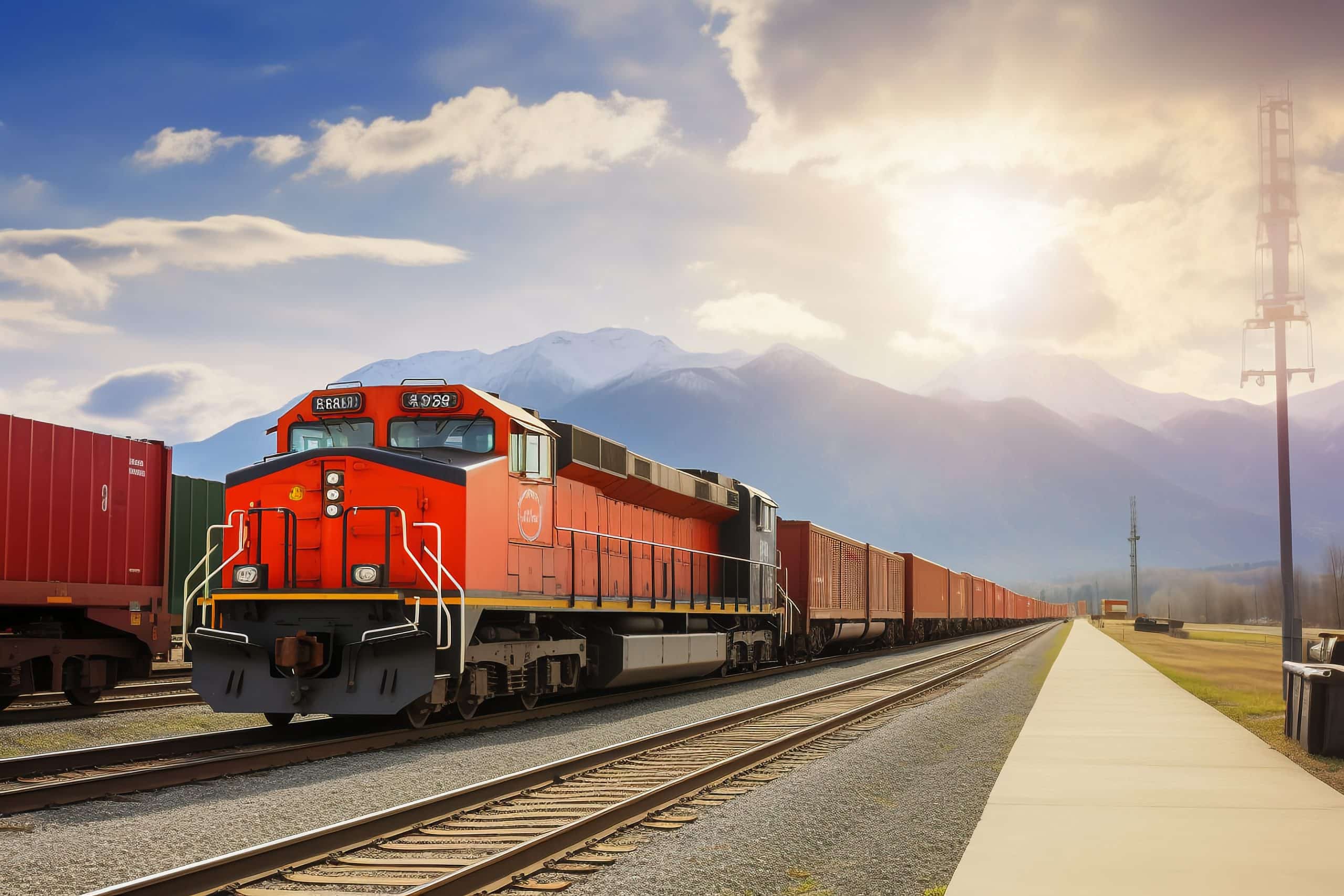
Rail Freight
Efficient rail shipping with customs clearance to Poland’s main cities.
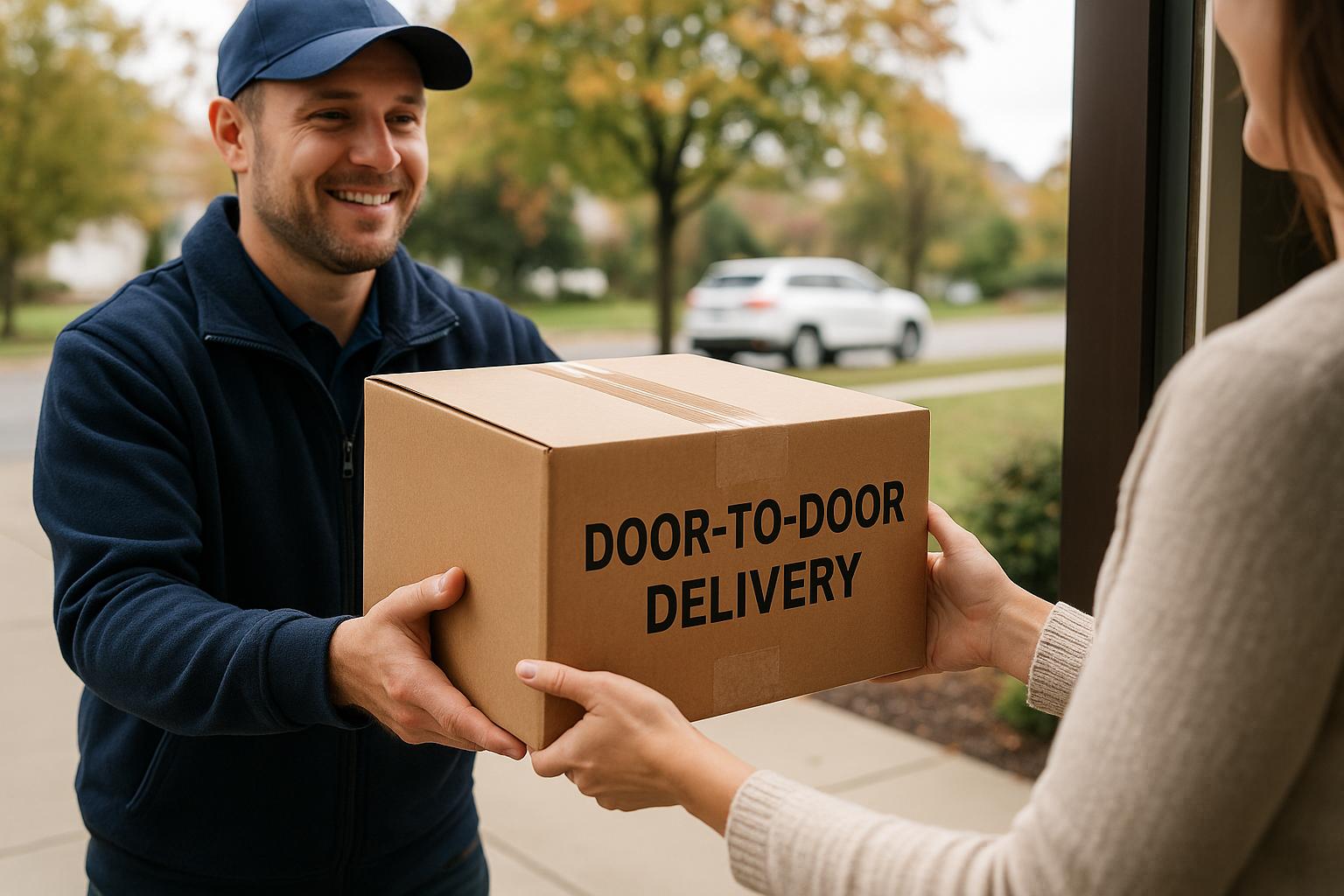
Door-to-Door Delivery
Complete door-to-door delivery with customs handled across Poland.
Shipping from China to Poland: Trade & Logistics Overview
Shipping from China to Poland has become a crucial component of modern global trade and European supply chains. Poland’s strategic location in Central Europe, along with its strong manufacturing sector and expanding e-commerce market, makes it an attractive destination for importers across Europe. Understanding shipping modes, costs, customs obligations, and transit times is essential for smooth and cost-effective operations.
This guide provides a thorough overview of international shipping from China to Poland, covering air, sea, rail, and express services, container load options, shipping routes, and customs procedures. It also offers practical advice to help importers minimize delays and unexpected charges, ensuring shipments reach their final destination efficiently, whether in Warsaw, Krakow, or other Polish cities.
Table of Contents
Main Shipping Options from China to Poland
Importers have several shipping options when moving goods from China to Poland. Each shipping mode offers different advantages depending on your budget, cargo type, and urgency. Below is an in-depth overview of all major international shipments available in 2026.
Air Freight — Fastest Shipping Mode for Time-Sensitive Cargo
Air freight is the preferred choice for time-sensitive shipments, high-value items, and products requiring rapid replenishment. It provides reliable air transport, predictable transit time, and wide coverage of major airports in both China and Poland.
Main Origin Airports in China
China’s busiest export hubs support daily international air cargo departures:
- Beijing Capital International Airport
- Shanghai Pudong International Airport
- Guangzhou Baiyun International Airport
- Shenzhen China International Airport
These airports handle millions of tons of air cargo annually and are well-connected to Europe.
Main Gateway in Poland
- Warsaw Chopin Airport (WAW) — Poland’s largest and most efficient air cargo hub.
Air Freight Advantages
- Fastest method (average transit time: 3–7 days)
- Ideal for high value items, electronics, spare parts
- Stable schedules with major carriers such as Air China
- Better security and minimal cargo handling
- AWB (air waybill) simplifies shipment tracking
When to Choose Air Freight
Air freight is suitable when:
- The shipment requires urgent delivery
- Cargo is fragile or sensitive
- Volumetric weight is low
- You need reliable routing during peak seasons
Because of its speed and security, air freight remains a core part of China–Europe trade.
Sea Freight — Most Cost-Effective Method for Large Shipments
Sea freight is the most widely used transportation mode for importing goods in bulk. Thanks to competitive pricing, large capacity, and stable long-haul shipping routes, it is ideal for both heavy cargo and commercial shipments.
Sea Container Options
Shipping companies provide a variety of sea containers, including:
- 20ft container
- 40ft container
- 40ft HQ (High Cube)
- Refrigerated or open-top containers (for special cargo)
Major Container Ports in China
- Shanghai
- Ningbo
- Shenzhen
- Qingdao
- Xiamen
These ports handle the world’s highest container throughput and offer efficient outbound container ship operations.
Main Destination Port in Poland
- Gdańsk Port / Gdańsk Deepwater Container Terminal (DCT) — Poland’s main maritime gateway.
Sea Freight Benefits
- Lowest transportation cost per unit
- Suitable for heavy, bulky, or non-urgent shipments
- Flexible options for FCL (Full Container Load) and LCL (Less than Container Load)
- Highly cost effective for long-distance trade
- Reduced environmental impact compared to air transport
Transit Time
Typical transit times from China to Poland range from 30 to 40 days, depending on origin port, vessel schedule, and weather conditions.
Rail Freight — Balanced Option Between Speed and Cost
Rail freight along the China–Europe Railway Express has become a highly attractive solution for businesses seeking faster delivery than sea freight but significantly lower prices than air freight.
Rail Origins in China
Common rail hubs include:
- Chengdu
- Chongqing
- Xi’an
- Yiwu
These dry ports specialize in exporting container load shipments to Europe.
Rail Hubs in Poland
- Warsaw
- Łódź
- Poznań
Poland serves as a major distribution point for the entire European Union.
Rail Freight Advantages
- Stable delivery times (15–22 days)
- Competitive pricing
- Suitable for electronics, machinery, textiles, and retail products
- Reliable alternative when sea freight experiences congestion
Rail is increasingly chosen by European importers who prioritize predictable logistics performance.
Express Services — Door-to-Door Convenience
Express delivery via DHL, UPS, FedEx, and DPD remains a crucial part of the supply chain, especially for:
- E-commerce shipments
- Small parcels
- Samples
- High-priority documents
Benefits
- End-to-end tracking
- Smooth customs clearance
- Fast delivery (3–6 days)
- Lower administrative workload
Express services are ideal for small or lightweight shipments where service speed outweighs cost considerations.
Shipping Costs from China to Poland (2026 Detailed Breakdown)
Understanding shipping costs is one of the most critical steps when planning international shipments from China to Poland. Prices can vary depending on multiple factors, including shipping mode, cargo type, shipping routes, market demand, carrier availability, and global conditions such as fuel prices and weather patterns.
Below is a complete breakdown of the major cost determinants and up-to-date pricing for air freight, sea freight, and rail freight from China to Poland.
Key Factors That Influence Shipping Costs
Shipping costs from China to Poland depend on several factors, including:
Shipping Mode
Your choice of air freight, sea freight, or rail freight directly determines overall cost.
- Air = highest cost, fastest speed
- Sea = lowest cost, longest transit time
- Rail = balanced option
Cargo Weight & Dimensions
Carriers charge based on actual weight or volumetric weight, whichever is higher.
For sea freight, pricing is usually based on container load (FCL) or CBM (LCL).
Origin & Destination
Costs between Shanghai → Gdańsk differ from Shenzhen → Warsaw.
Cargo departing from Guangzhou China or Shenzhen China may have slightly different rates.
Fuel Prices
Increases in marine fuel or aviation fuel influence shipping rates globally.
Seasonality
Peak seasons such as Q4 (Black Friday, Christmas) drive prices up.
Cargo Type & Handling
General cargo is cheaper.
High value items or sensitive cargo may require specialized handling.
CIF Value & Customs
Higher CIF value results in higher VAT and customs duties.
These elements combine to determine your total shipping costs from China to Poland, regardless of whether you ship by air, sea, or rail.
Air Freight Costs (2026 Updated Overview)
Air freight is always priced based on weight, speed, and available space. For time sensitive shipments, air freight remains the most reliable method.
Air Freight Price Reference (Per KG)
| Shipment Type | 45–100kg | 100–300kg | 300–500kg | >500kg |
|---|---|---|---|---|
| General Cargo | 5.5–7.5 USD/kg | 4.8–6.8 USD/kg | 4.5–6.3 USD/kg | 4–6 USD/kg |
| High Value Items | +15–20% surcharge | +15–20% | +15–20% | +15–20% |
| Lithium / Batteries | +25–40% surcharge | — | — | — |
Notes:
- Rates vary depending on airlines such as Air China, seasonal demand, and weather conditions.
- Flights departing from Beijing Capital International Airport and Shanghai often offer more stable pricing.
- A standard air waybill (AWB) and proper packaging are required.
When Air Freight Is Cost Effective
- For shipments under 300 kg
- For urgent replacement parts
- For high-value cargo
- For short-term inventory needs
Sea Freight Costs (FCL & LCL Pricing)
Sea freight remains the most cost effective solution for large shipments. It is commonly used for bulk cargo, furniture, industrial machinery, and commercial retail shipments.
FCL (Full Container Load) Rates 2026 Estimate
| Container Type | Average Cost (China → Poland) |
|---|---|
| 20ft Container | 1,500 – 2,500 USD |
| 40ft Container | 2,300 – 3,800 USD |
| 40HQ Container | 2,400 – 4,000 USD |
These prices apply to major ports such as:
- Shanghai
- Ningbo
- Shenzhen
- Qingdao
Arriving at Gdańsk Port or Gdańsk DCT.
LCL (Less Than Container Load) Rates
| Item | Cost Range |
|---|---|
| LCL Freight | 35–55 USD per CBM |
| Origin Handling | 20–45 USD/CBM |
| Destination Charges | 130–250 USD per shipment |
Sea Freight Notes
- Longer transit times (30–40 days)
- Best solution for consistent, predictable supply chains
- Most economical for heavy and voluminous goods
Rail Freight Costs (China–Europe Railway Express)
Rail freight is increasingly popular due to stable schedules and attractive pricing.
Rail Freight Pricing (FCL/LCL)
| Load Type | Cost |
|---|---|
| LCL | 120–180 USD/CBM |
| FCL 40ft | 4,500 – 6,000 USD |
| FCL 20ft | 2,800 – 3,800 USD |
Rail Transit Time
- 15–22 days depending on departure city and customs performance along the route.
Why Rail Freight Is Popular
- Faster than sea
- Cheaper than air
- Reliable for B2B and e-commerce distribution
- Major hubs: Warsaw, Poznań, Łódź
Cost Comparison Table (Air vs Sea vs Rail)
| Mode | Speed | Cost | Best For |
|---|---|---|---|
| Air Freight | 3–7 days | Highest | Time sensitive shipments, high-value cargo |
| Sea Freight | 30–40 days | Lowest | Heavy cargo, bulk shipments, stable supply chains |
| Rail Freight | 15–22 days | Medium | Balanced cost & speed, e-commerce restocking |
This comparison helps businesses select the most suitable option based on urgency and budget.
Required Documents & Customs Clearance in Poland
Ensuring smooth customs clearance is one of the most important steps when shipping from China to Poland. Poland, as a member of the European Union, follows unified EU customs regulations. Every shipment—regardless of size, cargo type, or shipping mode—must pass through Polish customs authorities before entering the domestic market.
Understanding documentation requirements, customs duties, VAT, and clearance procedures helps you avoid delays, penalties, or unexpected storage charges.
Essential Documents for Importing to Poland
Every shipment entering Poland must include several mandatory documents. Missing or incomplete documents are the most common reasons for clearance delays.
Commercial Invoice
The commercial invoice contains key information:
- Seller & buyer details (origin/exporter & importer)
- Description of cargo
- Quantity and unit value
- CIF value or FOB value
- HS codes
- Country of origin
- Payment terms
Poland customs uses the CIF value to calculate duties and VAT.
Packing List
The packing list must clearly state:
- Number of packages
- Weight (gross/net)
- Dimensions
- Packaging type
- Contents of each carton/pallet
It must match the commercial invoice exactly.
Transport Documents
Depending on shipping mode:
- Air Waybill (AWB) — for air freight
- Bill of Lading — for sea freight
- Rail Waybill / CMR — for rail freight
These documents verify shipment routing and logistics details.
Certificate of Origin
Required for certain product categories or when claiming preferential tariff treatment.
Additional Certificates (If Applicable)
For specific goods:
- CE compliance (electronics, toys, machinery)
- MSDS (chemicals, batteries)
- Product testing reports
- Medical or food certificates
These documents ensure compliance with EU market standards.
Poland Customs Clearance Process
The clearance procedure includes several strict steps monitored by Poland customs agencies. A professional freight forwarder or customs broker can handle these steps on your behalf to ensure efficiency.
Step 1 — Document Submission
Your freight forwarder submits:
- commercial invoice
- packing list
- transport document
- certificate of origin
- product certificates (if required)
Step 2 — Customs Verification
Customs officers verify:
- Cargo description
- HS code classification
- CIF value accuracy
- Origin of goods
- Product compliance
Step 3 — Duties & VAT Calculation
Poland applies EU-wide duty rates.
VAT is charged at Poland’s national rate.
Step 4 — Cargo Inspection (If Required)
Inspection may occur for:
- high value items
- sensitive commodities
- irregular documentation
- random safety checks
Step 5 — Release of Goods
Once duties and taxes are paid, the shipment is released for local delivery.
This process ensures product safety, proper taxation, and compliance with European trade regulations.
Customs Duties & VAT in Poland (2026 Rules)
Import Duty
Import duty varies depending on the product’s HS code.
Examples:
- Electronics: 0%–5%
- Machinery: 0%–4%
- Textiles: 8%–12%
- Footwear: 10%–17%
- General cargo: 0–12%
VAT (Value Added Tax)
Poland applies VAT on imported goods at:
- 23% (standard rate)
- 8% or 5% for some categories (limited)
VAT is calculated based on: VAT = (CIF value + customs duties) × 23%
CIF Example Calculation
If CIF value = 10,000 USD
Duty = 5% = 500 USD
VAT = (10,000 + 500) × 23% = 2,415 USD
Tips for Smooth Customs Clearance
To ensure smooth customs clearance, importers should follow several best practices:
- Provide accurate product descriptions
- Match packing list and invoice details exactly
- Use correct HS codes
- Do not under-declare CIF value
- Ensure CE certification for regulated products
- Prepare compliance documents in advance
- Work with an experienced customs broker or freight forwarder
Proper preparation prevents delays, fines, and warehouse storage fees.
Explore more shipping guides:
Major Ports, Airports & Shipping Routes Between China and Poland
Choosing the right origin port or airport in China—and understanding how goods travel across international routes—helps importers optimize shipping costs, minimize delays, and select the most efficient services for their business. Below is a complete overview of the key gateways and shipping routes for transporting cargo from China to Poland.
Main Container Ports in China (Sea Freight Origins)
China hosts several of the world’s busiest container ports, providing direct and indirect services to Europe, including Poland.
Major Chinese Ports Serving Poland
- Shanghai Port – the world’s largest container port
- Ningbo-Zhoushan Port – strong Europe-bound capacity
- Shenzhen Port – ideal for South China manufacturers
- Qingdao Port – major hub for North China
- Xiamen Port – strong for electronics and machinery
These ports support efficient loading of sea containers for both FCL and LCL shipments.
Why These Ports Matter
- Large carrier presence (Maersk, MSC, COSCO, CMA CGM)
- Competitive rates
- Stable Europe-bound schedules
- Efficient container ship handling and customs processing
Main Gateway Ports in Poland (Sea Freight Destinations)
Gdańsk Port (Gdansk Port / Gdańsk Port)
Gdańsk is Poland’s premier deepwater port and serves as:
- A major gateway for Asia–Europe trade
- A distribution hub for Central and Eastern Europe
- A strategic port for long-distance shipping routes
Key Advantages
- Handles all types of cargo: general cargo, machinery, retail products
- Strong rail and road connections to Warsaw, Kraków, Poznań, and Wroclaw
- Capable of receiving large container ships directly from Asia
- Efficient inland trucking services for final delivery
Gdańsk DCT (Deepwater Container Terminal) provides world-class infrastructure, ensuring fast unloading and customs processing.
Main Airports in China for Air Freight
Air shipments to Poland typically depart from the largest Chinese airports:
- Beijing Capital International Airport
- Shanghai Pudong International Airport
- Guangzhou Baiyun International Airport
- Shenzhen Bao’an International Airport
These airports support stable air transport, especially for high value items and time-sensitive cargo.
Main Air Gateway in Poland
Warsaw Chopin Airport (WAW)
This airport is the primary entry point for air freight from China to Poland.
Key strengths:
- Modern air cargo facilities
- Strong connectivity to Central and Eastern Europe
- Efficient inspection, unloading, and customs clearance
- Short transit times from airport to major Polish cities
Rail Freight Terminals in Poland
Poland is one of the most important destinations in the China–Europe Railway Express, offering multiple inland terminals:
- Warsaw
- Łódź
- Poznań
These hubs are ideal for:
- B2B distribution
- E-commerce fulfillment
- Retail supply chains
Transit times from China to Poland via rail range between 15–22 days, depending on route and border performance.
Shipping Routes From China to Poland
Different shipping routes exist depending on the chosen transport mode.
Sea Freight Route
China → South China Sea → Indian Ocean → Suez Canal → Mediterranean → Northern Europe → Gdańsk Port
This route ensures stable schedules and is used for most container ship operations.
Air Freight Route
China → Europe → Warsaw Chopin Airport
Most flights are direct or one-stop services via major European airline hubs.
Rail Freight Route
China → Kazakhstan → Russia → Belarus → Poland
Rail provides a reliable east-west corridor linking major manufacturing zones in China to Polish distribution centers.
Inland Trucking & Final Delivery in Poland
Once shipments are cleared through customs, inland trucking services connect Poland’s main cities:
- Warsaw
- Kraków
- Gdańsk
- Wrocław
- Poznań
- Szczecin
Most goods are shipped from ports or airports to warehouses, supermarkets, distribution centers, or e-commerce fulfillment hubs.
Professional trucking services ensure on-time final delivery and continuity across the entire supply chain.
DDP Door-to-Door Shipping from China to Poland
For many importers—especially e-commerce sellers, first-time buyers, and companies without an EU entity—the most convenient solution is DDP (Delivered Duty Paid) door-to-door shipping from China to Poland. This service allows businesses to import goods without managing customs paperwork, VAT declarations, or complex logistics steps.
DDP shipping includes pickup from origin, international transport, customs clearance, tax settlement, and final delivery to your door in Poland. It is the most complete solution provided by professional logistics companies and freight forwarders.
What Is DDP Shipping?
DDP stands for Delivered Duty Paid, which means:
- Freight forwarder handles export customs
- International transport (air / rail / sea / express)
- Poland customs clearance
- Import taxes & duties payment
- Door-to-door delivery to warehouse, fulfillment center, or final address
Importers benefit by avoiding complicated procedures, especially when shipping to Poland’s growing retail, wholesale, and e-commerce sectors.
Types of DDP Shipping to Poland
Depending on your cargo type and shipping needs, you can choose among several DDP shipping options.
DDP Air Freight
- Fastest DDP method
- Ideal for time sensitive shipments
- Suitable for electronics, fashion, accessories, and medium-value goods
- Delivery: 7–12 days
DDP Rail Freight
- Balanced cost and speed
- Strong route stability
- Best for cartons, general cargo, and SKUs for e-commerce sellers
- Delivery: 18–25 days
DDP Sea Freight
- Most cost effective DDP method
- Suitable for heavy, large-volume shipments
- Delivery: 35–45 days
DDP Express Services
- Via DHL, UPS, DPD, FedEx
- Ideal for small shipments and urgent parcels
- Delivery: 4–7 days
These options cover all types of cargo, from lightweight packages to full-scale commercial shipments.
What Cargo Can Be Shipped to Poland Using DDP?
DDP services support a wide range of product categories, including:
- Consumer electronics
- Home appliances
- Clothing and footwear
- Toys and baby products
- Automotive parts
- Home décor and furniture
- Tools & machinery
- General cargo
- High value items (under specific compliance rules)
A professional freight forwarder will evaluate your product attributes, packaging, and compliance requirements to choose the best shipping services.
Advantages of DDP Door-to-Door Shipping
No Need for an EU Importer
Companies without a Polish business license can ship goods easily.
All Customs Formalities Handled
The logistics provider takes care of:
- Import documents
- VAT filing
- Duties
- Compliance checks
This eliminates the risk of customs delays.
Predictable Total Cost
No hidden charges; all taxes and fees are included.
Seamless End-to-End Logistics
From factory pickup in China → to final address in Poland.
Ideal for E-Commerce & Online Sellers
Especially for:
- Amazon
- Allegro
- Shopify
- Warehouse fulfillment in Poland and Europe
Lower Risk for the Importer
DDP reduces operational workload and prevents compliance-related issues.
When Should You Choose DDP?
DDP is ideal when:
- You lack experience with EU import regulations
- You need predictable total shipping costs
- You want fully managed logistics
- Your company is outside the EU
- You sell on e-commerce platforms
- You import general cargo or SKUs requiring fast turnover
DDP simplifies your supply chain and removes uncertainties from international shipments.
Best Practices for Importing & How to Choose the Right Freight Forwarder
Importing from China to Poland involves navigating multiple logistical steps, regulations, and operational challenges. Choosing the right freight forwarder and applying proper best practices can significantly improve efficiency, minimize delays, and lower total shipping costs.
Below are essential recommendations for building a reliable and cost-effective supply chain when shipping from China to Poland.
Best Practices for Smooth Operations
Choose the Right Shipping Mode
Your decision should account for several factors, including:
- Cargo weight & dimensions
- Cargo type (general cargo vs high value items)
- Whether the shipment is time sensitive
- Budget
- Seasonality
Shipping performance can vary depending on market demand and route congestion.
Prepare Accurate and Complete Documentation
Ensure that your:
- commercial invoice
- packing list
- HS codes
- product certificates
- CIF value
- transport documents
are accurate and consistent. Proper documentation ensures smooth customs clearance and avoids delays.
Understand All Cost Components
International shipments often include:
- Freight charges
- Fuel charges (impacted by global fuel prices)
- Origin & destination port fees
- Customs duties & VAT
- Inland trucking
- Warehouse fees
A clear cost structure helps you avoid unexpected expenses.
Choose Reliable Carriers
Work with established:
- Airlines (for air freight)
- Ocean carriers (for sea freight)
- Europe–China rail operators
Reliable carriers ensure stable schedules, predictable transit times, and minimized risk.
Use Proper Packaging
Protect your cargo through:
- Palletization
- Reinforced outer cartons
- Moisture protection for sea shipments
- Fragile-label handling for air transport
Better packaging reduces damage and insurance claims.
Optimize Your Supply Chain
Tracking, forecasting, and communication help improve:
- Inventory planning
- Fulfillment efficiency
- Order stability
- Cargo scheduling
A well-structured supply chain reduces overall operating costs.
How to Choose the Right Freight Forwarder for Poland Shipments
Selecting the right logistics partner is crucial for achieving reliable, compliant, and cost effective shipping from China to Poland.
Experience with China–Poland Shipping
A qualified freight forwarder should have proven experience with:
- Air freight
- Sea freight
- Rail freight
- Express services
- Door-to-door solutions
This ensures they understand route-specific challenges.
Strong Global Carrier Network
The forwarder should have stable relationships with:
- Major ocean carriers (Maersk, COSCO, MSC)
- Airlines including Air China
- Europe–Asia rail operators
A strong carrier network ensures predictable space availability during peak seasons.
Customs Expertise
The forwarder must understand:
- Poland customs
- EU import rules
- Compliance requirements
- CIF valuation & duty calculation
A forwarder with in-house customs broker capabilities greatly increases efficiency.
Transparent Pricing
A reliable logistics provider gives:
- Clear cost breakdowns
- No hidden surcharges
- Predictable invoicing
This makes budgeting your shipment far easier.
Multi-Modal Flexibility
They should offer different transport services based on your:
- Timeline
- Budget
- Cargo characteristics
This flexibility enables you to choose the best shipping option.
End-to-End Visibility
A good forwarder provides:
- Real-time tracking
- Shipment monitoring
- Active communication
- Issue resolution
Visibility reduces risk and operational uncertainty.
Strong Local Delivery Network in Poland
Reliable inland trucking services are essential for final delivery to:
- Warehouses
- Retail centers
- Fulfillment hubs
- E-commerce distribution centers
This ensures your goods arrive safely and on time.
When to Use Express or DDP Services
Use express services when:
- Cargo is under 30 kg
- You need ultra-fast transport
- The shipment is very time sensitive
Use DDP when:
- You want a fully managed logistics solution
- You import to Amazon or e-commerce warehouses
- You prefer predictable total cost
- Your business is not registered in the EU
A forwarder who offers multiple solutions can tailor shipping options to your needs.
Conclusion
Shipping from China to Poland has become one of the most important trade routes between Asia and Europe. Whether you choose air freight, sea freight, rail freight, or express services, the key to successful international shipments lies in proper planning, accurate documentation, and choosing the right freight forwarder.
Poland’s strategic position in Europe—combined with modern infrastructure, strong ports such as Gdańsk Port, major air gateways like Warsaw Chopin Airport, and extensive inland trucking networks—makes it an ideal destination for businesses of all sizes.
By understanding shipping costs, customs procedures, shipping routes, and delivery timelines, importers can build a more efficient and cost-effective supply chain that supports stable business growth. With the right logistics partner and the right shipping mode, your cargo can move smoothly from any major Chinese city to warehouses and distribution centers across Poland and the wider European region.
Whether you are an established importer or an e-commerce seller expanding into Europe, this guide provides the practical knowledge needed to make informed decisions and achieve smooth operations throughout your China-to-Poland supply chain.
Frequently Asked Questions (FAQ) for Shipping from China to Poland
The most cost effective way to ship from China to Poland is sea freight, especially when shipping large volumes or heavy cargo.
FCL shipments offer the lowest shipping costs, while LCL works well for small volumes.
Rail freight is the second-cheapest option, providing a good balance of price and speed for businesses trading between China and Poland.
| Shipping Mode | Transit Time |
|---|---|
| Air Freight | 3–7 days |
| Rail Freight | 15–22 days |
| Sea Freight | 30–40 days |
| Express Services | 3–6 days |
These times can vary depending on weather conditions, carrier schedules, and peak season delays.
- Choose air freight for time sensitive shipments or high value items.
- Choose sea freight for the lowest shipping costs, especially for heavy cargo.
- Choose rail freight for stable transit times and mid-range pricing.
Your choice depends on your cargo, budget, delivery deadline, and business model.
Yes. All companies importing goods into Poland or the EU must have an EORI number.
If you ship using a DDP door-to-door service, the freight forwarder may use their own EORI to handle customs.
You will need:
- Commercial invoice
- Packing list
- Transport document (Air Waybill / Bill of Lading / Rail Waybill)
- HS codes
- CIF value declaration
- Certificates (CE, MSDS, etc., if applicable)
A reliable freight forwarder or customs broker ensures smooth customs clearance.
Customs duties depend on:
- HS code
- Product type
- CIF value
Most products have duty rates between 0%–12%.
Standard Polish VAT is 23%.
Yes, you can ship high value items using air freight, express services, or insured sea freight.
You must ensure correct product documentation, proper packaging, and transparent valuation.
Shipping costs are influenced by:
- Shipping mode
- Cargo size & weight
- Fuel prices
- Seasonality
- Carrier availability
- Customs duties
- Inland trucking
Rates for shipments from China to Poland may also fluctuate due to global demand and weather conditions affecting shipping routes.
Yes, rail freight has become extremely reliable due to improved infrastructure along the China–Europe corridor.
It offers stable transit times, predictable schedules, and fewer disruptions compared to sea freight during peak seasons.