Related Guide
How to Import Machinery from China
How to Import Machinery from China Verified & Reviewed · Last updated August 2026 Importing machinery from China requires careful supplier verifi...
Read guide →

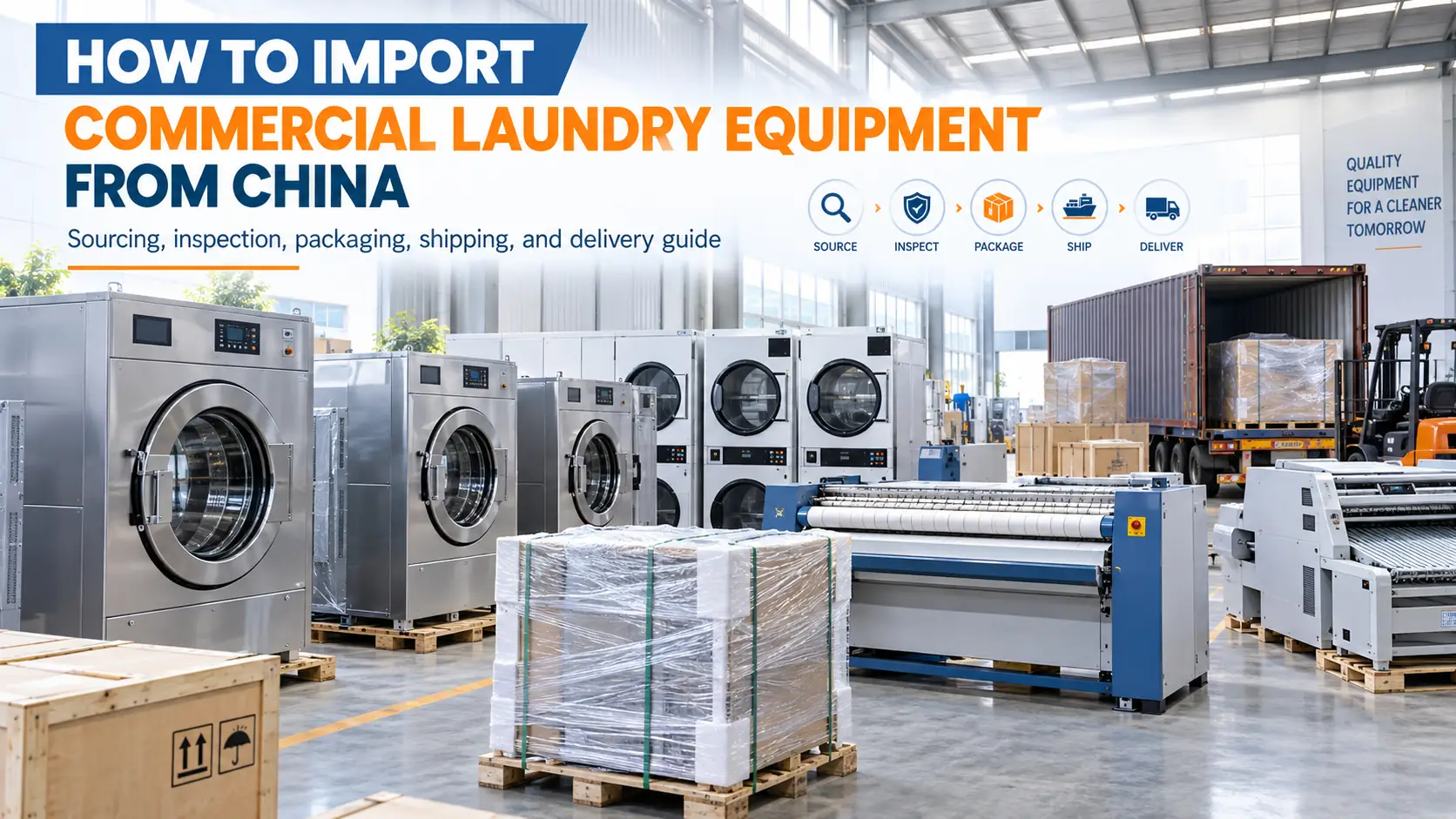
China is a major supplier of commercial laundry machines, including washers, dryers, washer-extractors, and finishing equipment for hotels, hospitals, laundromats, and other businesses.
This guide explains how to import commercial laundry equipment from China, covering supplier selection, technical requirements, inspection, shipping, customs clearance, and delivery.
Supplier Selection
Shipping & Customs
Import Process
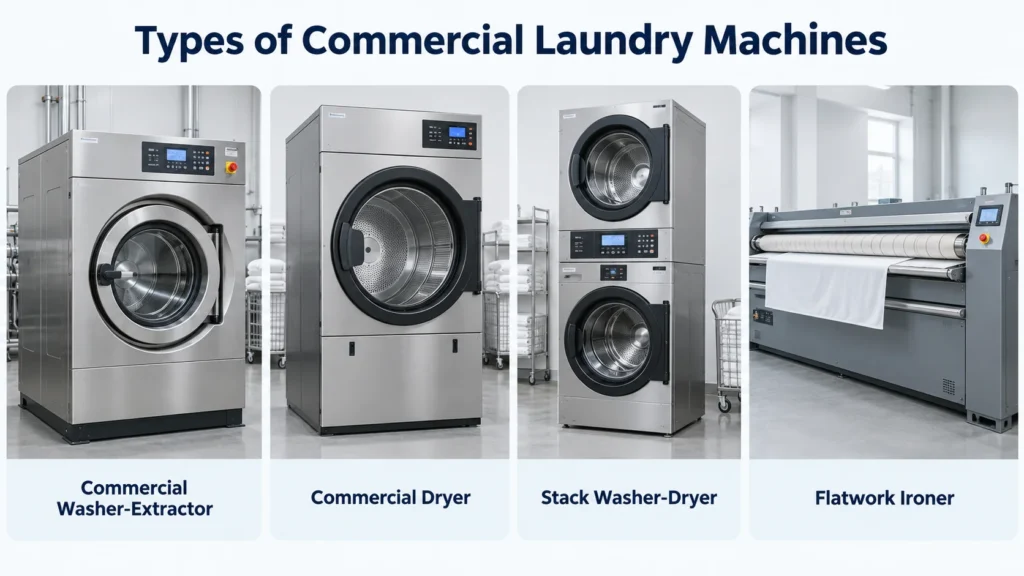
China supplies a wide range of commercial laundry machines for different business needs, from small laundromats to large hotel, hospital, and industrial laundry operations.
Common products include:
Commercial washing machines – designed for frequent daily use with different load capacities
Washer-extractors – combine washing and high-speed extraction for professional laundry facilities
Commercial dryers – available with different heating options such as electric, steam, or gas
Stack washer-dryers – space-saving solutions for smaller laundry businesses
Flatwork ironers and finishing equipment – used for hotels, hospitals, and textile-related operations
Folding machines and laundry systems – designed for higher-volume commercial applications
When selecting a machine, buyers should consider more than capacity. Factors such as operating environment, available utilities, installation space, energy requirements, and expected laundry volume all affect the right choice.
Technical compatibility is one of the most important parts of importing commercial laundry machinery from China.
Start with the laundry volume your business needs to process, then compare different models according to:
Rated loading capacity
Drum dimensions
Extraction speed
Machine dimensions
Door dimensions
Required installation clearance
Machine size also affects international shipping. Large washing machines may require stronger packing, forklifts, cranes, or additional container space.
Before confirming an order, ask the supplier for both the machine dimensions and the expected packed dimensions and gross weight.
Electrical compatibility must be confirmed before production.
Buyers should check:
Operating voltage
50Hz or 60Hz frequency
Single-phase or three-phase power
Rated electrical load
Wiring requirements
A machine described simply as “220V” may still be unsuitable if its frequency or phase does not match the destination location.
For commercial washing machines, dryers, and ironing machines, confirm these details with the local electrician or installation contractor before approving production.
Commercial laundry machines may use electric, steam, or gas heating depending on the model.
You may also need to confirm:
Water inlet requirements
Drain outlet size
Steam pressure
Gas connection
Compressed air
Dryer exhaust requirements
These items can affect both machine selection and installation cost.
Choosing the right supplier is an important step when importing commercial laundry machines from China. The lowest price does not always mean the best option. Buyers should evaluate the supplier’s production capability, product quality, technical support, and after-sales service before placing an order.
Before choosing a supplier, verify whether they have experience producing and exporting similar machines.
Important points to check include:
Machine models and production range
Capacity and technical specifications
Factory testing procedures
Quality control process
Previous export experience
Available technical documents and manuals
For customized orders, confirm that the supplier can provide the required configuration, including voltage, frequency, heating method, accessories, and installation requirements.
A reliable supplier should provide more than the equipment itself. Before placing an order, confirm:
Available certifications and compliance documents
Warranty terms
Spare parts availability
Installation guidance
Technical support after delivery
All important details should be clearly included in the quotation or purchase agreement to avoid misunderstandings during production and shipment.
Choosing a supplier with suitable technical capability and long-term support can help reduce maintenance issues and improve the overall import experience.
Certification requirements vary by destination country, machine design, electrical system, and installation location. Buyers should confirm the applicable rules before production, especially for customized orders.
Ask the supplier to provide available test reports, certificates, declarations, and technical documents for the selected model. Important areas may include:
Electrical safety
Machinery safety
Electromagnetic compatibility
Product labeling
Operating and safety instructions
Local installation requirements
A supplier certificate should not automatically be assumed to satisfy the rules in every market. Check that the document applies to the exact model being purchased and is accepted in the destination country.
For the European market, applicable products may need CE conformity documentation and supporting technical records.
For the United States and Canada, buyers should confirm local electrical and installation requirements and whether certification or listing by a recognized testing organization is needed for the intended site.
Other countries may have their own conformity assessment, registration, or import approval procedures.
ISO 9001 can indicate that a manufacturer uses a quality management system, but it is not a substitute for product-specific safety or compliance certification.
Pre-shipment inspection is an important step before the order leaves the factory. It gives buyers a chance to identify configuration, functional, or packing problems while they can still be corrected in China.
For customized orders or higher-value projects, the inspection should compare the finished products with the approved order details rather than checking appearance alone.
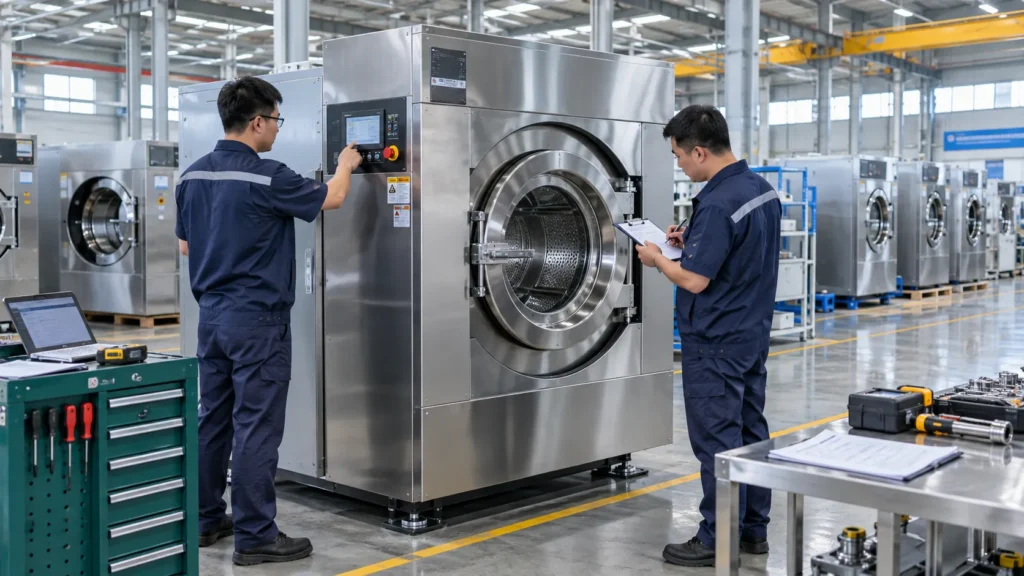
Key inspection points include:
Model, quantity, and dimensions
Voltage, frequency, and phase
Heating method and utility connections
Control panel and operating language
Water inlet and drainage
Door locks and safety functions
Nameplates and required labels
Accessories and spare parts
A basic operating test should also be carried out. Washers can be checked for drum rotation, extraction, drainage, vibration, and abnormal noise, while dryers should be tested to confirm that the heating and control functions operate normally.
For larger or customized orders, buyers may arrange a third-party inspection or factory acceptance test before final packing.
Any major issue should be corrected before the goods are released for shipment. Once the inspection is complete, check that the machines are properly protected against moisture and movement and that the crates or skids are suitable for international transport.
The best shipping method depends on the size, weight, quantity, and urgency of the order. Because commercial laundry machines are usually heavy and bulky, sea freight is the most common option for complete equipment, while air freight is mainly used for urgent parts or smaller units.
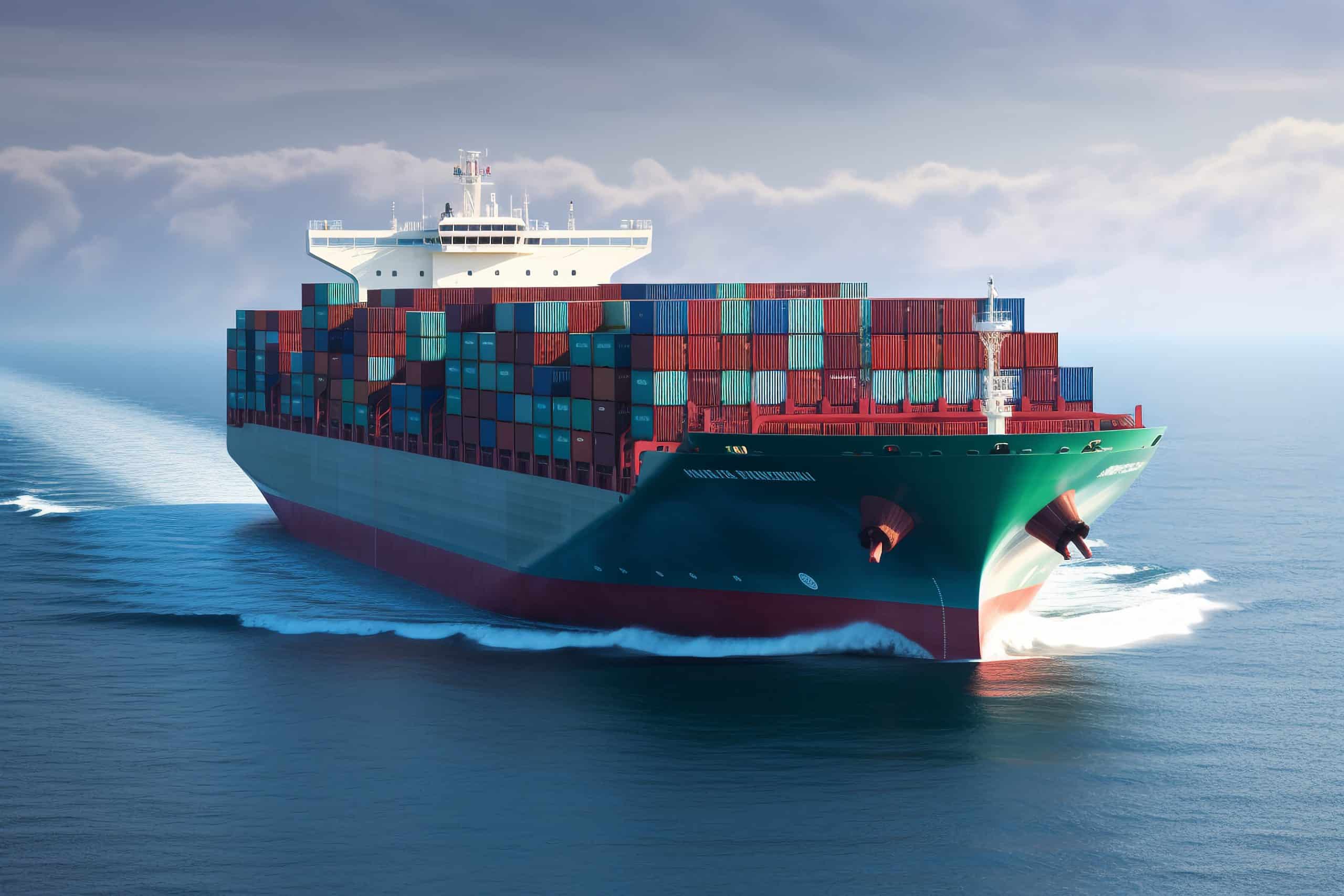
Best for: Complete machines, multiple units, and large laundry projects
Shipping Options:
Advantages:
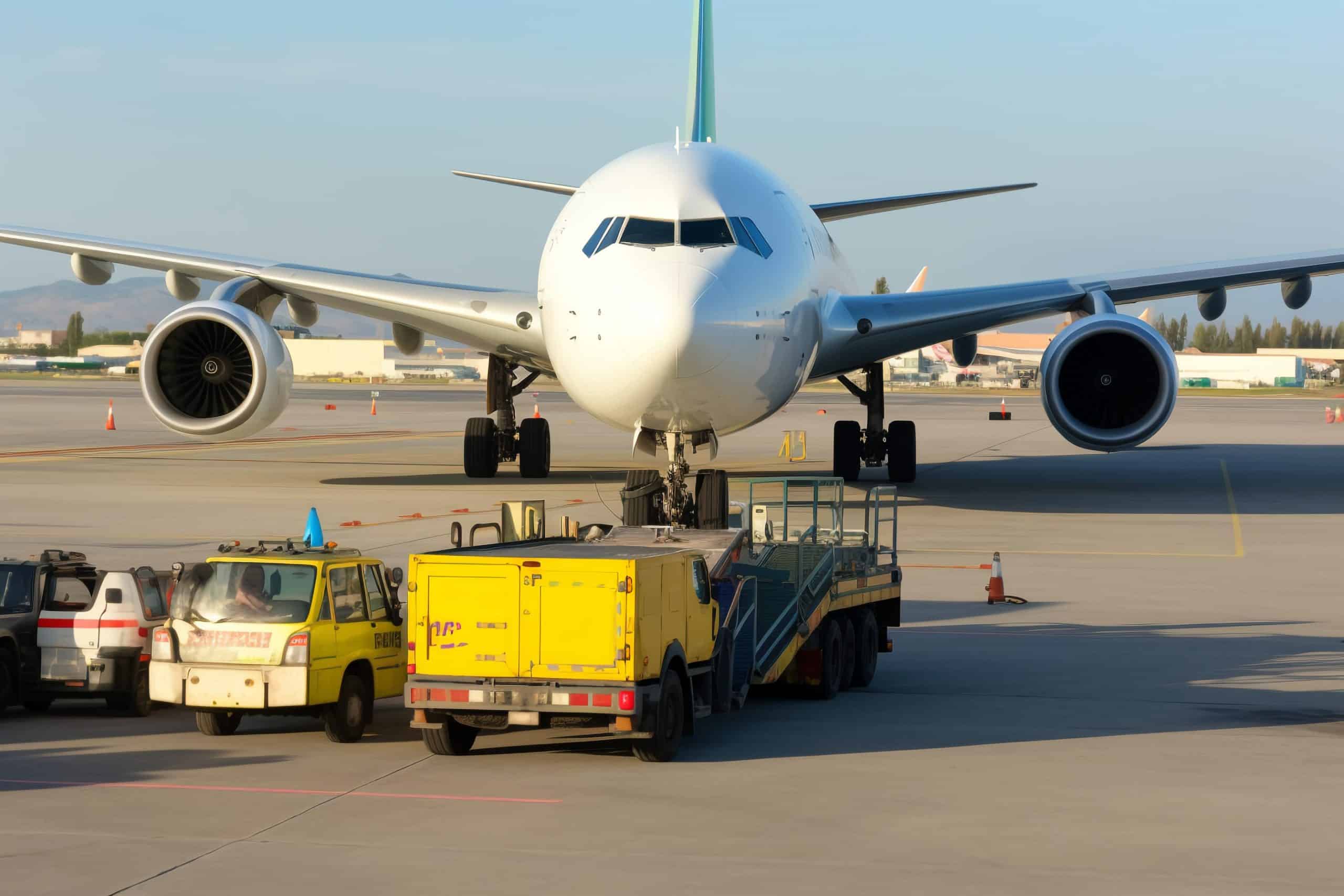
Best for: Urgent shipments, spare parts, and smaller units
Suitable for:
Advantages:
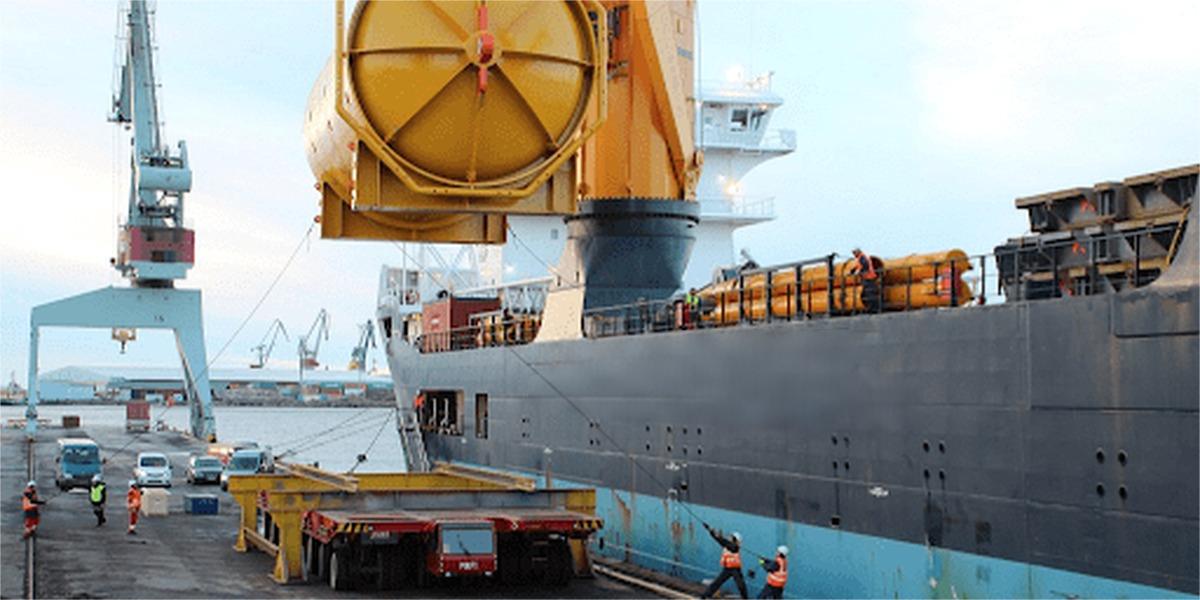
Best for: Oversized or non-standard machines
Possible Solutions:
Suitable for:
Large machines with special dimensions or handling requirements
Commercial laundry machines are heavy and often contain sensitive electrical and mechanical components. Proper export packing and container loading help protect the cargo from moisture, impact, and movement during international transportation.
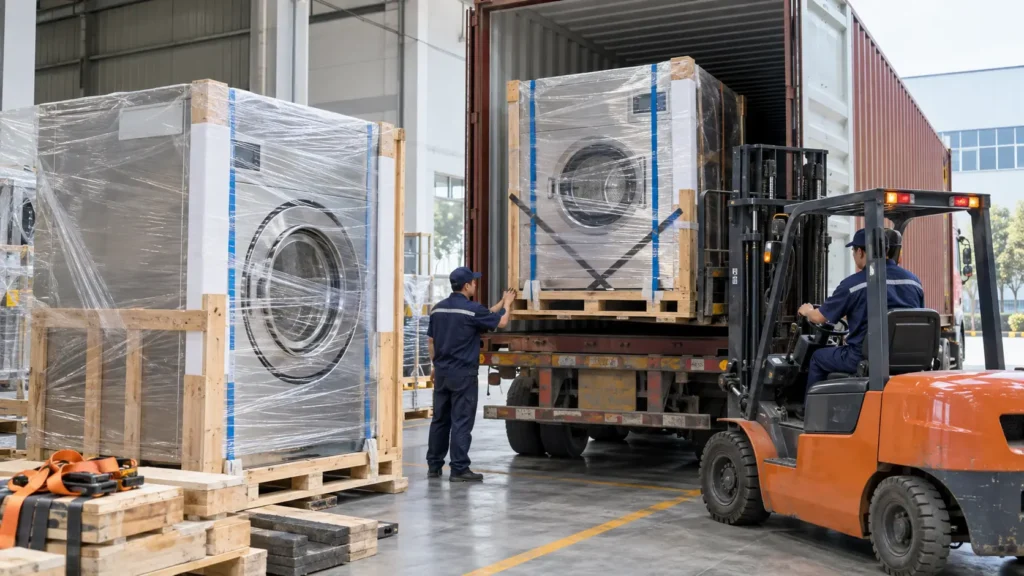
Before shipment, the supplier should ensure that the machines are properly prepared for long-distance transport.
Common packing measures include:
Reinforced plywood crates or wooden skids
Moisture protection and waterproof wrapping
Protection for control panels and electrical components
Fixing of movable parts to prevent damage
Clear lifting points for forklifts or cranes
If wooden packaging is used, confirm whether the destination country requires ISPM 15-compliant treated and marked wood packaging.
During container loading, the cargo should be arranged according to its weight, dimensions, and center of gravity.
Important considerations include:
Proper weight distribution inside the container
Strong blocking and bracing
Secure lashing to prevent movement
Sufficient space for unloading equipment
Accurate packing list and cargo markings
For oversized or heavy machines, additional solutions such as flat racks, open-top containers, or special lifting equipment may be required.
A suitable packing and loading plan should be prepared before shipment to reduce the risk of damage during transit and ensure smoother delivery at the destination.
Customs clearance for commercial laundry equipment depends on the destination country, machine type, declared value, and product classification. Before the shipment leaves China, importers should confirm the required documents, HS code, product compliance requirements, and estimated duties with a local customs broker.
Most shipments require a standard set of commercial and transport documents, including:
Commercial Invoice – product description, model, quantity, value, seller, and buyer information
Packing List – number of packages, dimensions, net weight, and gross weight
Bill of Lading or Air Waybill – issued for the international shipment
Certificate of Origin – when required for customs or tariff purposes
Product certificates or conformity documents – where applicable
Technical specifications and manuals – sometimes requested to confirm classification or compliance
Import licenses or permits – if required by the destination country
Descriptions across the invoice, packing list, transport document, and technical files should be consistent. For example, avoid using a vague description such as “machine” when the product can be clearly identified as a commercial washer-extractor or commercial tumble dryer.
Commercial laundry machines do not all use the same HS code. Classification depends on the machine’s function, design, and technical characteristics.
Depending on the product, relevant classifications may fall within headings such as:
HS 8450 – certain washing machines
HS 8451 – certain laundry, drying, ironing, and textile-processing machinery
Dryers, ironing equipment, spare parts, and accessories may require different subheadings.
The exact HS code should therefore be confirmed using the machine specifications and the tariff schedule of the importing country rather than applying one code to an entire laundry project.
Import rules also vary by market.
For example, equipment entering European markets may need applicable CE conformity documentation, while machinery imported into the United States or Canada may need to satisfy relevant electrical and safety standards. Other countries may require their own conformity certificates, product registration, or import approvals.
Importers should confirm these requirements before production, especially for customized machines. Changing electrical components, labels, or safety systems after manufacturing can be expensive and may delay import clearance.
The cost of importing commercial laundry equipment from China depends on the machine type, capacity, order quantity, shipping method, and destination country.
Unlike small appliances, commercial washers and dryers are usually high-value machinery. Buyers should consider the complete landed cost, not only the factory quotation.
Typical costs may include:
| Cost Item | Estimated Range |
|---|---|
| Commercial washing machines | Around USD 3,000–12,000+ per unit depending on capacity and configuration |
| Commercial dryers | Around USD 3,000–10,000+ per unit depending on heating method and size |
| Export packing and handling | Depends on machine size, packaging requirements, and supplier location |
| LCL sea freight | Usually calculated by volume (CBM) and destination |
| FCL sea freight | Depends on container size, route, season, and destination port |
| Customs duties and taxes | Varies by country, HS code, and local regulations |
| Local delivery and unloading | Depends on distance, equipment weight, and handling requirements |
Large-capacity industrial machines, customized models, and complete laundry systems usually require a higher budget because of their size, installation requirements, and transportation needs.
A practical landed-cost calculation is:
Equipment Price + Export Packing + China Charges + International Freight + Insurance + Customs Duty and Tax + Destination Delivery
For example, a small commercial laundry setup may involve several machines with a total equipment value of tens of thousands of dollars, while larger hotel, hospital, or industrial laundry projects can require significantly higher investment.
Before placing an order, buyers should request:
Machine model and capacity
Final packed dimensions
Gross weight
Number of packages
Pickup location in China
Destination address
With this information, a freight forwarder can estimate the most suitable shipping method and help calculate the expected total import cost.
Many import problems can be prevented before production and shipping.
Common mistakes include:
Ordering the wrong voltage or frequency
Failing to confirm three-phase power
Ignoring water, steam, gas, or drainage requirements
Checking certifications too late
Skipping pre-shipment quality inspection
Ordering no spare parts
Using weak export packing
Ignoring destination unloading requirements
Assuming different machines use the same HS code
Comparing only ocean freight prices instead of total landed cost
Importing commercial laundry machines should therefore be treated as one complete project, from machine selection and quality control to freight, customs clearance, and installation.
Yes. Businesses can purchase directly from Chinese manufacturers or suppliers, but the machines must meet the destination country’s import, electrical, safety, and customs requirements.
MOQ varies by manufacturer, machine model, and customization requirements. Some large commercial machines may be available from one unit, while other suppliers require a larger minimum order.
Sea freight is generally more practical for complete commercial washing machines and dryers because they are heavy and bulky. Air freight is mainly suitable for urgent parts or smaller machines.
Requirements depend on the destination country and machine type. Buyers should confirm applicable electrical, machinery, and safety standards before placing the order.
There is no universal HS code for every laundry machine. Headings 8450 and 8451 may apply to certain products, but the correct code depends on the machine’s exact function and specifications.
Useful freight, customs and importing resources related to this shipping guide.
How to Import Machinery from China Verified & Reviewed · Last updated August 2026 Importing machinery from China requires careful supplier verifi...
Read guide →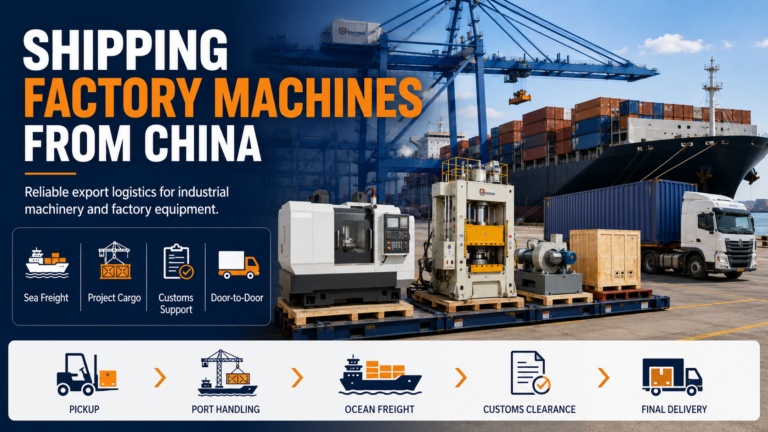
Shipping Factory Machines from China Verified & Reviewed · Last updated July 2026 Shipping factory machines from China requires careful planning...
Read guide →
Sea freight is the most cost effective shipping method for large volumes and container load cargo. It is ideal for businesses looking to reduce s...
Read guide →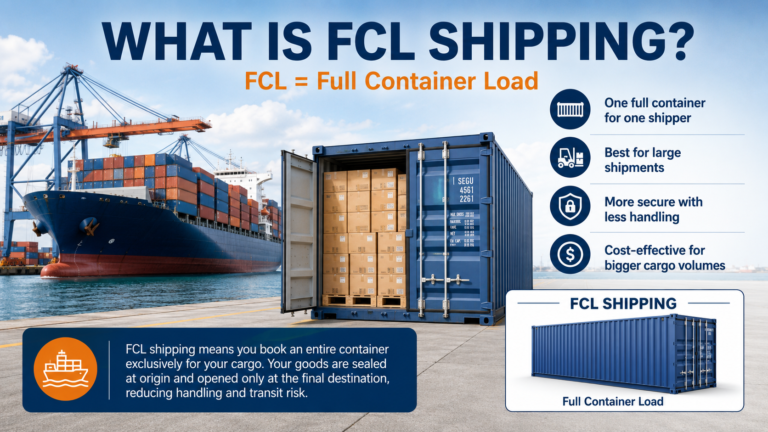
What is FCL Shipping? Verified & Reviewed · Last updated June 2026 FCL shipping, short for Full Container Load shipping, is an international frei...
Read guide →Shipping Oversized Cargo from China Verified & Reviewed · Last updated February 2026 Shipping oversized cargo from China depends on cargo dimensi...
Learn more → Useful Resource Documents Required to Import from China (2025 Guide)Importing goods from China can be highly profitable—but only when you understand the necessary documents and import requirements. Whether you’re...
Learn more →WhatsApp us