

Sea Freight From China to Germany
- Verified & Reviewed · Last updated April 2026
Sea freight from China to Germany remains one of the most cost effective shipping methods for large shipments, container cargo, and regular commercial imports.
This guide explains sea freight from China to Germany, including transit times, shipping costs, major Chinese ports and German destination ports, customs clearance, import duties, VAT, and door to door shipping options.
Shipping costs
Transit time range
Customs / Door to Door
- Experienced China-based logistics specialists
Table of Contents
Why Choose Sea Freight From China to Germany
Sea freight is the best option for shipping cargo when speed is not the only priority. It is especially suitable for large shipments, palletized goods, industrial cargo, retail inventory, furniture, machinery, electronics, and other non-urgent freight shipping.
Key reasons businesses choose sea freight from China to Germany include:
lower shipping costs for bulky and heavy cargo
more economical rates for full container load shipments
better capacity for regular international shipping
broader destination port options in Germany and Europe
easier handling for large commercial orders
more stable planning for import schedules
When comparing different shipping modes, sea freight is still the leading choice for companies focused on long-term shipping efficiency and predictable freight costs.
Sea Freight Transit Times From China to Germany
Transit times are one of the most important factors in China to Germany shipping because they directly affect shipping time, inventory planning, delivery schedules, and customer expectations. Sea freight is slower than Germany air freight or courier service, but it remains practical for planned commercial orders.
In most cases, sea freight transit times from China to Germany depend on:
departure port in China
destination port in Germany
whether the service is direct or includes transshipment
customs processing at origin and destination
inland pickup and final delivery arrangements
seasonal congestion and shipping delays
Port to Port Transit Times
For standard ocean freight, the average port to port shipping time from China to Germany is usually within the following range:
20 to 40 days for many standard routes
25 to 45 days during busier periods or on indirect services
This makes sea freight slower than direct flights or airport to airport air transportation, but much cheaper for shipping container cargo and commercial goods.
Door to Door Transit Times
Door to door shipping usually takes longer because it includes more than the ocean journey. It may include supplier pickup, export handling, customs clearance process, unloading, destination handling, and trucking to the final address.
Typical door to door transit times are:
30 to 55 days for sea freight from China to Germany
longer if there are customs procedures, port congestion, or inland delivery delays
For importers who need a complete logistics solution, door to door services are convenient, but the total timeline should always be checked in advance.
Common Route Examples
Transit times can also vary based on shipping routes. Typical examples include:
Shenzhen to Hamburg: around 27 to 41 days
Shanghai to Hamburg: around 30 to 45 days
Ningbo to Hamburg: around 28 to 42 days
Guangzhou to Hamburg: often around 30 days or more
Qingdao to Germany: usually within a similar range depending on the carrier
If your cargo must arrive by a fixed sales or production deadline, it is important to plan beyond the vessel schedule and include the full shipping process.
Sea Freight Shipping Costs From China to Germany
Shipping costs from China to Germany can vary significantly depending on the shipment type, cargo volume, freight market conditions, and service scope. Many importers focus only on sea freight rates, but the real total shipping costs include more than just the ocean leg.
Sea freight pricing is usually influenced by:
full container load or LCL shipping
shipment size and weight
departure port and destination port
carrier schedule and capacity
customs clearance and local charges
inland pickup and delivery
seasonal demand and market fluctuations
Importers should also understand that Germany freight rates can change with market demand, vessel capacity, port congestion, fuel costs, and the shipping season. Because of this, comparing freight quotes from different providers is an important step before booking cargo.
FCL Shipping Costs
Full container load is often the best solution for larger shipments or when you want to use an entire container for your goods. It offers more privacy, simpler cargo handling, and often faster movement than consolidated cargo.
Typical FCL sea freight rates may look like this:
| Container Type | Estimated Sea Freight Rates |
|---|---|
| 20GP | USD 1,700 to USD 2,200 |
| 40GP | USD 2,600 to USD 3,500 |
| 40HQ | usually slightly above 40GP |
These Germany shipping costs can change depending on the season, carrier, and route conditions. Still, for large shipments, FCL remains one of the most cost effective shipping methods.
LCL Shipping Costs
LCL shipping is suitable when your cargo volume is not enough to fill an entire container. Instead of booking the whole container, your goods are consolidated with other shipments, and the freight cost is usually charged by volume. For shipping from China to Germany, typical LCL shipping rates are often around USD 45 to USD 125 per CBM, although the final price can still vary based on cargo type, route, season, and destination charges.
For smaller commercial orders, LCL can be a practical and flexible option because it reduces the upfront cost of using an entire container. However, it usually involves more handling, longer consolidation time, and a higher risk of delays compared with full container load shipping.
What Is Included in Total Shipping Costs
Many suppliers or logistics providers quote only the ocean freight. However, importers should always check the full cost structure before booking.
Total shipping costs may include:
supplier pickup in China
export customs clearance
origin port fees
sea freight
destination port charges
customs broker fees if applicable
customs duties and import duties
VAT and customs processing
door to door delivery or final trucking
A cheap freight quote is not always the cheapest shipping method once all destination and customs related costs are included.
FCL vs LCL: Which Container Load Option Is Better
Choosing between full container load and LCL shipping depends on the cargo size, delivery target, and budget.
When Full Container Load Is Better
Choose full container load when:
you have enough goods to justify an entire container
cargo is heavy or high in volume
you want lower handling risk
you want better schedule control
you want to reduce the chance of cargo mixing with other shipments
This option is ideal for larger shipments and for businesses that import regularly.
When LCL Shipping Is Better
Choose LCL shipping when:
your shipment is too small for a shipping container booked privately
you want to keep initial freight costs lower
the order is a trial order
you can accept a slightly longer transit time
For many importers, the break-even point depends on both volume and total destination charges, so it is smart to compare both options before making a final shipping method decision.
Major Ports for Sea Freight From China to Germany
The ports used for sea freight from China to Germany affect transit times, sea freight rates, vessel schedules, inland delivery planning, and the overall shipping process. Choosing the right departure port in China and the right destination port in Germany can improve shipping efficiency and help reduce avoidable logistics costs.
Major Chinese Ports for Sea Freight to Germany
China has several major export ports that handle ocean freight to Europe efficiently. The most important ports for China to Germany shipping include:
Shanghai is one of the busiest international shipping hubs in the world and handles a large share of sea freight to Europe. Shenzhen is especially important for factories in South China. Ningbo and Guangzhou also play a major role in container shipping to Germany and nearby European markets.
Choosing the best departure port usually depends on supplier location, trucking distance, carrier availability, and sailing frequency.
Main Destination Ports in Germany
Germany has several major import gateways, and the destination port you choose can affect inland delivery efficiency, customs clearance, and local handling costs. The main destination ports in Germany include:
Hamburg
Bremerhaven
Wilhelmshaven
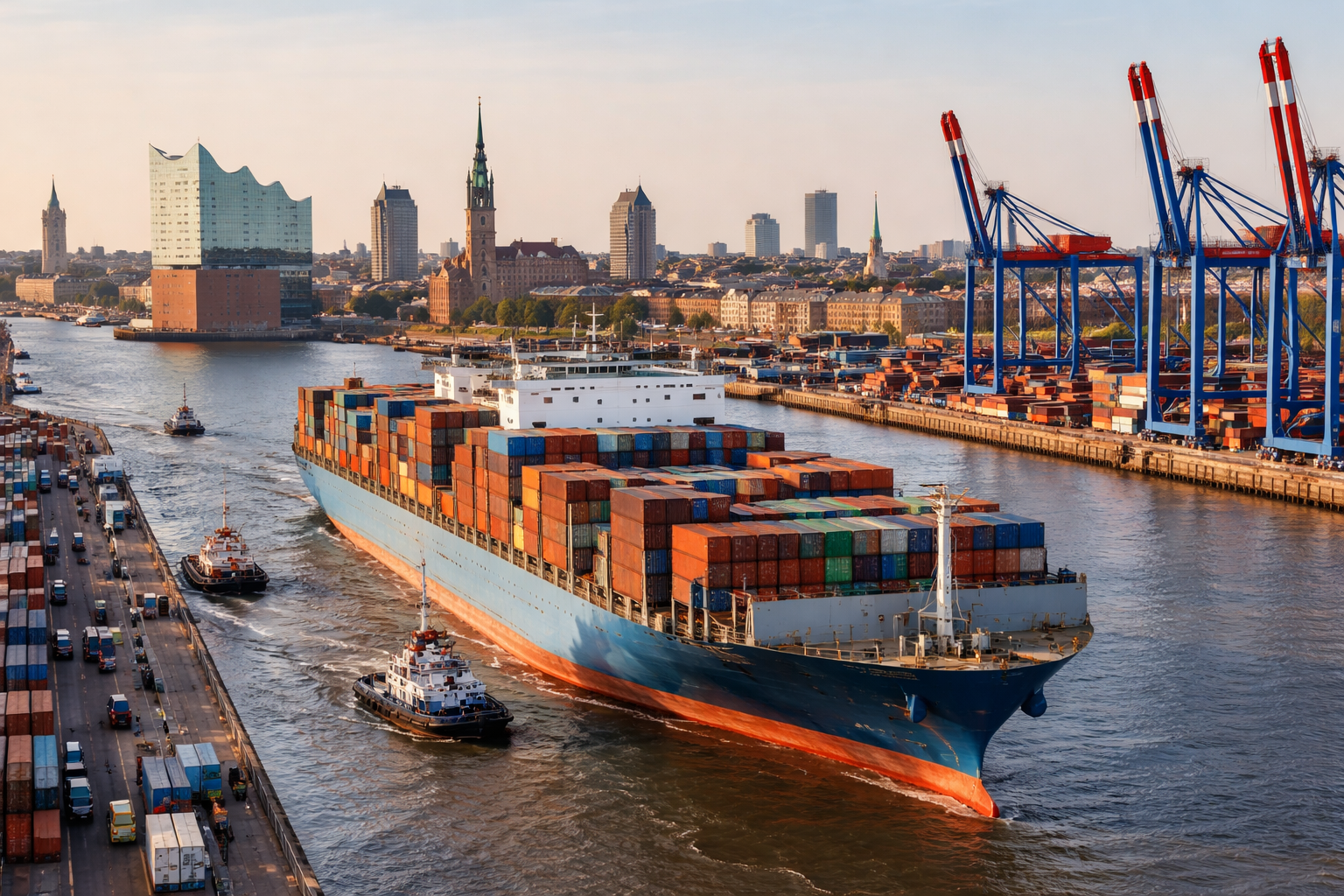
Hamburg is the most commonly used destination port for Germany sea freight and Germany ocean freight. It has strong rail, road, and logistics connections, making it ideal for importers serving both Germany and wider Europe.
It is one of the most important hubs for Germany ocean freight, especially for container shipments that require efficient inland distribution across Germany and nearby European markets.
Bremerhaven also handles substantial container traffic, while Wilhelmshaven is valuable for deep-sea shipping and certain direct services.
Sea Freight, Air Freight, Rail Freight, and Express Shipping Compared
Importers often compare shipping modes before choosing the best logistics plan. The right option depends on whether cost, speed, or cargo profile matters most.
Choose Sea Freight
Choose sea freight when:
cost matters more than speed
you are moving large shipments
your goods are heavy or bulky
you need a cost effective shipping method
you can plan for longer transit times
Choose Air Freight
Air freight is better for urgent shipments, product launches, spare parts, and high value goods that need rapid delivery.
Typical advantages of air freight include:
faster shipping time
better for small or urgent shipments
useful for airport to airport services
suitable when stock pressure is high
However, Germany air freight and standard air freight are much more expensive than sea freight. Air freight rates can rise quickly for bulky goods because chargeable weight is often high. For urgent shipments, direct flights can reduce total shipping time further, although the final cost is much higher than sea freight.
Choose Rail Freight
Rail freight and railway transportation can offer a middle ground between ocean freight and air transportation. Some importers choose rail freight for cargo that needs faster delivery than sea freight but lower freight costs than air transport.
Typical rail freight advantages include:
faster than sea freight on some routes
cheaper than air freight in many cases
useful for medium urgency cargo
Still, rail transport is not always the cheapest shipping solution, and route availability can vary. Businesses should choose rail freight only after comparing actual transit times, customs processing, and capacity.
Choose Express Shipping
Express shipping or courier service is best for documents, samples, small parcels, or highly urgent deliveries. It is not suitable for large commercial cargo due to high shipping rates.

Door to Door Shipping From China to Germany
Door to door shipping is popular because it simplifies the logistics chain. Instead of arranging each step separately, the freight forwarder coordinates pickup, export work, shipping, customs procedures, and final delivery.
Door to door delivery is especially useful when:
the importer wants one point of contact
the company has limited import experience
the cargo goes directly to a warehouse or business address
the buyer wants fewer operational tasks
Door to door shipping can be arranged for both sea freight and air freight, but sea freight door to door services remain more economical for large shipments.
For some importers, delivered duty paid can also be an option, depending on the cargo and the agreement with the logistics provider.
Customs Clearance in Germany
Customs clearance is a critical stage of the shipping process. Even if sea freight transit is smooth, delayed customs procedures can disrupt delivery schedules and increase storage costs.
The customs clearance process in Germany usually requires:
correct product declaration
correct HS code classification
accurate customs value
complete shipping documents
importer details and registration
compliance documents for restricted or regulated products
Good preparation helps avoid unnecessary delays, inspections, and additional customs processing costs.
Common Customs Clearance Documents
The documents commonly required for customs clearance include:
commercial invoice
packing list
bill of lading
importer identification details
product certificates when required
declaration support documents
The commercial invoice and packing list must match the actual cargo. Inaccurate data can lead to customs review, delayed release, or penalties.
Why Accurate Customs Data Matters
If the importer or freight forwarder submits incomplete or incorrect information, customs authorities may:
request additional documents
recalculate the customs value
delay cargo release
inspect the shipment
impose extra charges
This is why working with the right freight forwarder matters when shipping from China to Germany.
Customs Duties, Import Duties, and VAT in Germany
When shipping from China to Germany, importers should not look only at sea freight costs. Taxes and import charges are also an important part of the total landed cost. In most cases, the main charges include import VAT, customs duties, and, for certain products, excise duty.
Import VAT in Germany
Import VAT is usually the largest tax item for goods entering Germany.
The standard VAT rate is 19% for most products.
A reduced VAT rate of 7% may apply to certain goods such as books, some food products, and selected medical items.
Import VAT is usually calculated based on the cargo value, international freight, insurance, and customs duties.
If the importer has a valid German VAT number, the VAT amount may in some cases be reclaimed through the normal tax filing process.
Customs Duties
Customs duties depend on the product type and the correct HS code.
Duty rates often range from 0% to 17%, depending on the goods.
Some electronic products may have a 0% duty rate.
Certain household products may be charged at around 4% to 5%.
Clothing, textiles, and similar products often face higher duty rates.
Importers should always confirm the correct tariff classification before shipping, because even a small HS code error can affect the final import cost and customs clearance process.
Excise Duty for Special Products
Excise duty applies only to specific categories of goods.
Products that may be subject to excise duty include:
alcohol
tobacco
mineral oil and fuel-related goods
For these products, importers should check both customs requirements and tax rules before arranging shipment.
Before shipping goods from China to Germany, it is important to estimate VAT, customs duties, and any additional tax exposure in advance. This helps importers avoid pricing mistakes, prepare for customs clearance, and calculate the real total shipping cost more accurately.
How to Reduce Shipping Delays and Extra Costs
Shipping delays and extra costs often come from late booking, incomplete documents, unclear destination charges, or poor coordination during the shipping process. To reduce these risks, importers should confirm the shipping method early, prepare accurate shipping documents, review all charges before shipment, and leave enough time for customs clearance and final delivery.
Practical Tips
confirm the shipping method early
prepare the commercial invoice and packing list carefully
verify HS code and customs data in advance
confirm all destination charges before shipment
avoid peak season if possible
work with a freight forwarder experienced in China to Germany shipping
Why the Right Freight Forwarder Matters
A freight forwarder does more than book cargo space. The right freight forwarder helps manage the full shipping process, improve communication, and reduce operational mistakes.
A professional freight forwarder can support:
booking and route planning
supplier pickup and cargo handling
export customs clearance in China
sea freight and air transport coordination
complete customs clearance support
destination port management
door to door delivery planning
advice on shipping modes and transit times
For importers shipping goods regularly, choosing a freight forwarder with strong international logistics experience can save both time and money. While some shippers compare rates through digital freight platforms, many businesses still prefer working directly with an experienced freight forwarder for better communication, cargo control, and customs support.
Tonlexing provides professional logistics services for sea freight from China to Germany, including FCL, LCL, door to door services, customs support, and tailored shipping solutions for different cargo types.
Frequently Asked Questions
Sea freight from China to Germany usually takes about 20 to 40 days for port to port shipping. If you choose door to door shipping, the total transit time is often around 30 to 55 days depending on the departure port, destination port, customs clearance, and inland delivery arrangement.
Sea freight costs depend on the shipping mode, cargo volume, container type, and market conditions. A 20GP container may cost around USD 1,700 to USD 2,200, while a 40GP container may range from USD 2,900 to USD 3,700. LCL shipping is usually charged by volume, often around USD 45 to USD 125 per CBM.
Yes. Sea freight is usually much cheaper than air freight, especially for heavy cargo, large shipments, and regular commercial goods. Air freight is faster, but sea freight is generally the more cost effective shipping method for importers who can accept longer transit times.
The main shipping documents usually include the commercial invoice, packing list, bill of lading, and importer details. Depending on the cargo type, customs may also require product certificates, declaration support documents, or other compliance paperwork.
Yes. Most imports into Germany are subject to customs duties and VAT. The exact duty rate depends on the product category and HS code, while VAT is usually calculated based on the customs value and related import costs.
Explore More Shipping Guides to Germany
Get a Sea Freight Quote From China to Germany
- Competitive sea freight rates
- Door to door shipping options
- Customs support for Germany imports
Get tailored sea freight solutions, transparent pricing, and expert support for your shipment from China to Germany.