
Shipping from China to Amazon FBA Canada

Shipping from China to Amazon FBA Canada requires proper coordination of international freight, customs clearance, and final warehouse delivery. Sellers can choose air freight, express courier, or ocean freight depending on cargo volume, budget, and delivery urgency.

This 2026 guide covers shipping costs, transit times, Canadian import requirements, DDP services, and Amazon FBA packaging and labeling requirements.

Amazon FBA

China to Canada

DDP & Customs Clearance

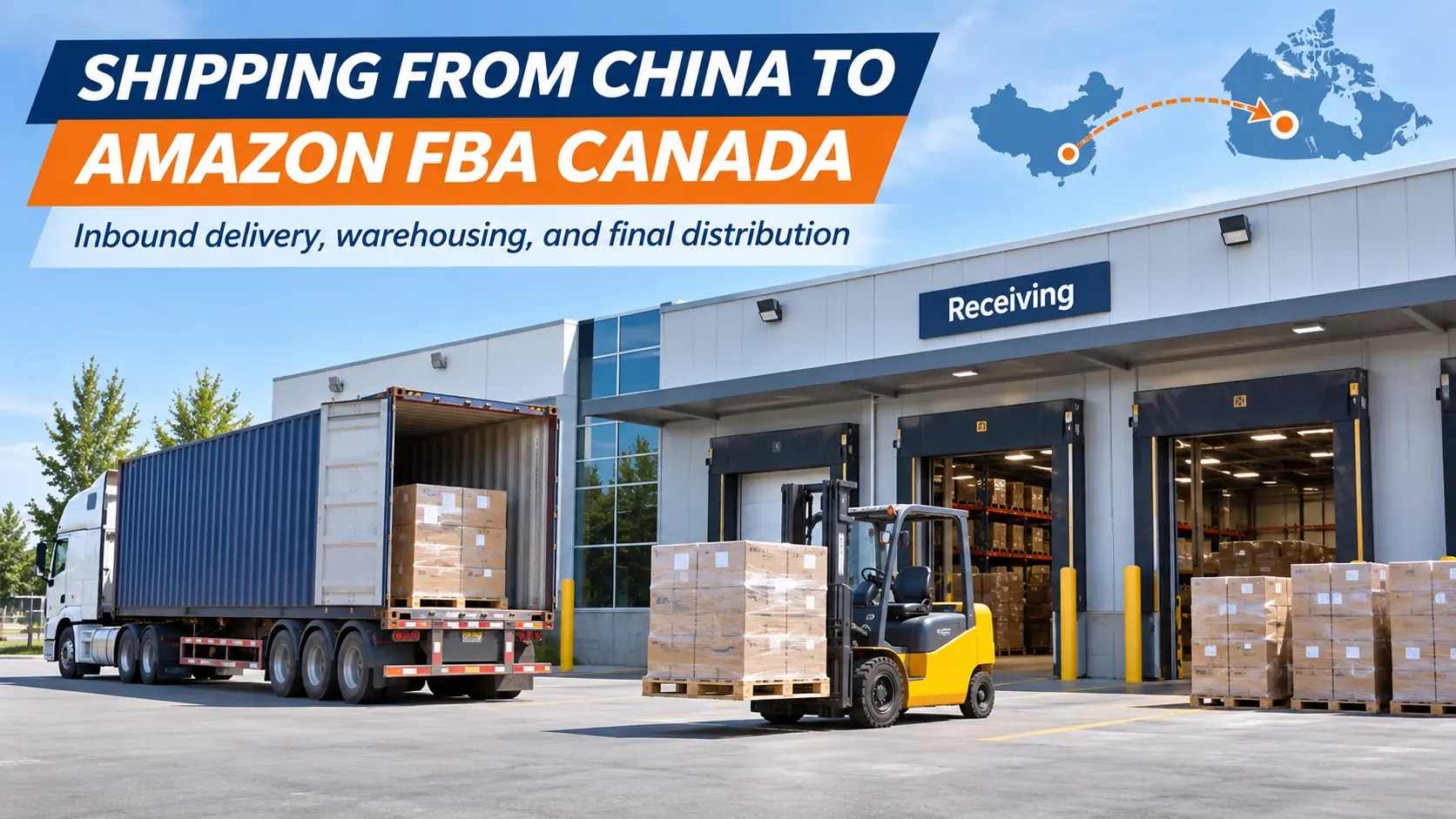
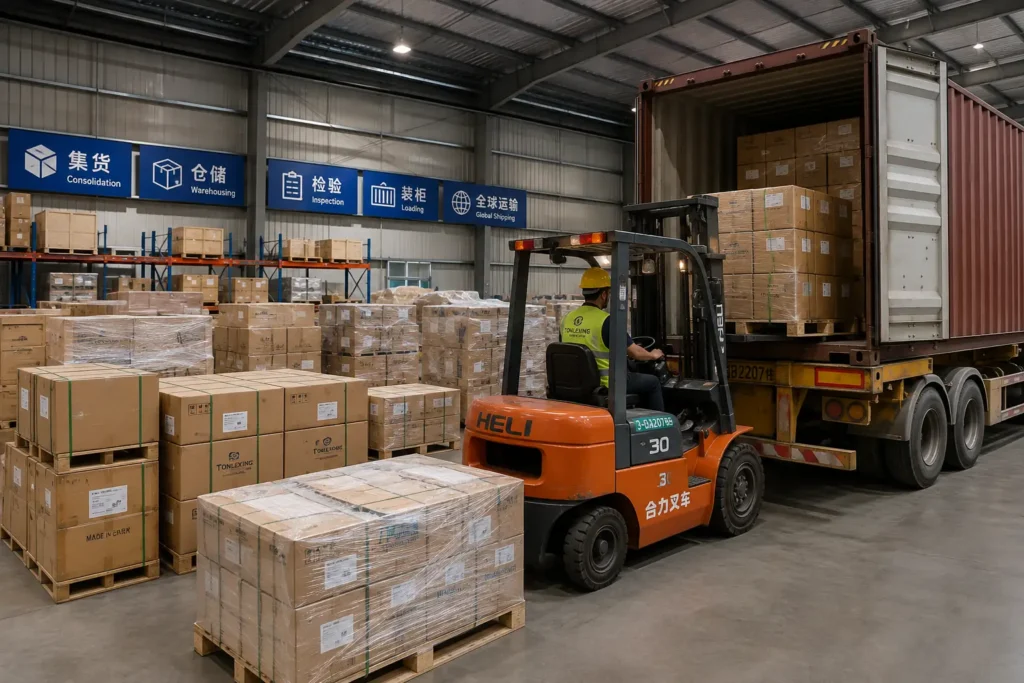
Shipping from China to Amazon FBA Canada warehouse with cargo containers and freight trucks
10,000+ international shipments handled    Global sea, air & DDP shipping solutions    24/7 shipment tracking & customer support

Table of Contents

How to Ship from China to Amazon FBA Canada

The shipping process involves five main steps, from creating an inbound shipment plan to delivering inventory to the assigned fulfillment center.

Step 1: Create an FBA Shipment Plan

Log in to Amazon Seller Central and use the Send to Amazon workflow to select products, confirm quantities, enter packaging information, and review the assigned Canadian fulfillment center.

Download the required product and carton labels after confirming the shipment. Amazon determines the destination warehouse based on its inventory placement requirements, so do not assume every shipment will go to the same location.

See our guide on how to create an Amazon FBA shipment.

Step 2: Confirm Supplier and Cargo Details

Collect the following information from your Chinese supplier:

  • Product names, SKUs, and quantities

  • Carton dimensions and gross weight

  • Total shipment volume in CBM

  • Factory address and cargo-ready date

  • Product materials and applicable HS codes

  • Special packaging or handling requirements

If you purchase from multiple manufacturers, consider consolidating the goods at a warehouse in China before international shipping.

Step 3: Prepare Products and FBA Labels

Your supplier must prepare the products according to Amazon’s requirements. This may include individual packaging, protective materials, product barcodes, and carton labels.

Check the barcode requirements for each ASIN and ensure that all shipping labels are correctly printed and applied before the cargo leaves China.

Step 4: Arrange International Shipping and Customs Clearance

Choose a suitable shipping method and confirm the Incoterms with your logistics provider.

The freight forwarder can coordinate factory pickup, export customs clearance, international transportation, Canadian import clearance, and final delivery.

Before departure, confirm the Importer of Record, duty and tax arrangements, and the party responsible for customs declarations.

Step 5: Deliver Goods to the Assigned FBA Warehouse

After customs clearance, arrange transportation to the assigned Amazon fulfillment center.

Small parcel shipments require the correct FBA box IDs and carrier labels. Larger shipments may need pallet preparation, delivery documentation, and an appointment arranged through Amazon’s carrier procedures.

Keep the tracking information and proof of delivery. Physical delivery does not necessarily mean Amazon has finished receiving and processing the inventory.

Shipping Methods from China to Amazon FBA Canada

Sellers can choose express courier, air freight, ocean LCL, or ocean FCL. Each option has different costs, transit times, and suitable shipment sizes.

Express Courier Shipping

Express services such as DHL, FedEx, and UPS are suitable for samples, small parcels, and urgent inventory replenishment.

They offer fast delivery and convenient tracking, but the cost per kilogram is generally higher than air or ocean freight.

Air Freight

Air freight is suitable for medium-sized shipments, new product launches, and time-sensitive inventory. Charges are generally based on chargeable weight, which considers both gross and volumetric weight.

It offers a balance between delivery speed and transportation cost.

See our guide to air freight from China to Canada.

Ocean LCL Shipping

Less than Container Load (LCL) is suitable for shipments that do not require a full container.

Multiple shipments share container space, allowing sellers to pay for the volume they use. However, consolidation, deconsolidation, and destination handling can increase the overall transportation time and cost.

Ocean FCL Shipping

Full Container Load (FCL) is suitable for larger inventory shipments that can use a dedicated 20GP or 40HQ container.

FCL provides greater control over cargo handling and can offer a lower transportation cost per unit when container utilization is high.

For more details, see sea freight from China to Canada.

Shipping Costs from China to Amazon FBA Canada in 2026

The cost of shipping from China to Amazon FBA Canada depends on cargo volume, chargeable weight, destination warehouse, and delivery requirements. Sellers should compare the total landed cost rather than looking at international freight rates alone.

Shipping Rates by Method

Shipping MethodEstimated Cost (USD)Best For
Sea Freight (20GP)$2,100–$3,500Large shipments
Sea Freight (40HQ)$4,100–$8,300Bulk inventory
Sea Freight (LCL)$50–$190/CBMSmaller shipments
Air Freight$4.80–$10/kgUrgent restocking
Express Courier$12–$20/kgSmall parcels

Rates are estimates and vary by route, cargo details, season, and destination. They may not include customs clearance or final delivery.

Import Duties and Taxes in Canada

Besides international freight, sellers should consider several additional costs when importing goods into Canada:

  • Import Duties: Depend on the product’s HS code, country of origin, customs value, and applicable tariff rates.

  • GST/HST: Import GST is generally 5%, or the federal portion of HST where applicable. The tax is calculated based on the applicable customs value plus duties.

  • Customs Brokerage: Fees for customs declarations, document processing, and broker services.

  • Destination Charges: May include port handling, terminal fees, LCL warehouse handling, inspections, and storage.

  • Final Delivery: Includes truck transportation, pallet handling, and delivery to the assigned Amazon FBA warehouse.

Importers must also meet applicable registration requirements, including a Canadian Business Number (BN), RM import account, and CARM registration. These are separate compliance requirements, not standard freight charges.

Transit Times from China to Amazon FBA Canada

Transit times depend on the shipping method, Canadian destination, customs clearance, and final delivery arrangements. Western Canada generally receives ocean shipments faster than Eastern Canada because of its proximity to major Pacific ports.

The total delivery time includes international transportation, destination handling, customs clearance, and delivery to the assigned Amazon fulfillment center.

Transit Time by Shipping Method

Shipping MethodPort-to-Port TransitFinal-Mile DeliveryTotal Estimated Time
Express Courier——3–7 days
Air Freight (DDP)3–5 days4–7 days7–12 days
Sea Freight to West Coast14–20 days8–12 days22–32 days
Sea Freight to East Coast26–35 days10–15 days36–50 days

Transit times are estimates and may vary depending on the route, customs processing, and warehouse appointment availability.

Shipping Time to Western and Eastern Canada

Western Canada (British Columbia and Alberta)

Shipments typically arrive through Vancouver or Prince Rupert before continuing by truck to fulfillment centers in British Columbia or Alberta. Ocean freight generally takes around 3–4.5 weeks for delivery to the FBA destination.

Eastern Canada (Ontario and Quebec)

Shipments may travel through Vancouver before moving inland by rail or truck, or use ocean services to eastern Canadian ports followed by inland delivery. Total ocean shipping time is generally around 5–7 weeks.

Factors That Can Delay FBA Deliveries

Even after international transportation is completed, several factors can extend the delivery schedule:

  • Customs Clearance and LCL Handling: Customs inspections, container unloading, cargo sorting, and pallet preparation may add several days.

  • Amazon Delivery Appointments: Carriers must arrange delivery appointments according to Amazon’s receiving procedures. Limited availability during peak periods can cause additional delays.

  • Documentation and Labeling: Incorrect shipment details, missing labels, or incomplete customs documents can delay warehouse delivery.

To avoid delays, prepare FBA labels and customs documents before departure and allow sufficient time for final delivery and inventory receiving.

Canadian Customs Clearance and Import Requirements

Shipping goods from China to Amazon FBA Canada requires proper customs documentation, a valid Importer of Record (IOR), and compliance with Canadian import regulations. Sellers should confirm these requirements before their goods leave China to avoid customs delays and unexpected charges.

Importer of Record (IOR) Requirements

Amazon Canada does not act as the Importer of Record for FBA shipments. Sellers must arrange their own eligible importer to handle customs declarations, import duties, and applicable taxes.

Amazon also requires imported FBA shipments to arrive under DDP or Free Domicile terms, with all applicable charges paid before delivery. The IOR must be clearly identified in the customs documents.

Business Number and CARM Registration

Commercial importers generally need a Canadian Business Number (BN9), an import-export program account (RM), and registration in the CBSA Assessment and Revenue Management (CARM) Client Portal.

Non-Resident Importers (NRIs) must obtain their BN9 through the Canada Revenue Agency (CRA) before registering in CARM. They can then create an RM account and authorize a licensed customs broker to handle customs declarations on their behalf.

Documents Required for Customs Clearance

Prepare the following documents before shipping:

  • Commercial Invoice: Product descriptions, quantities, declared values, and seller and buyer details.

  • Packing List: Carton quantities, dimensions, and gross weight.

  • Bill of Lading or Air Waybill: International transportation details.

  • HS Code: Product classification for customs assessment.

  • Certificate of Origin: Origin documentation when required.

  • Import Permits or Certificates: Required for certain regulated products.

Working with a licensed Canadian customs broker can help verify documents, prepare customs declarations, and coordinate import clearance. However, the importer remains responsible for ensuring that customs information is accurate and applicable duties and taxes are paid.

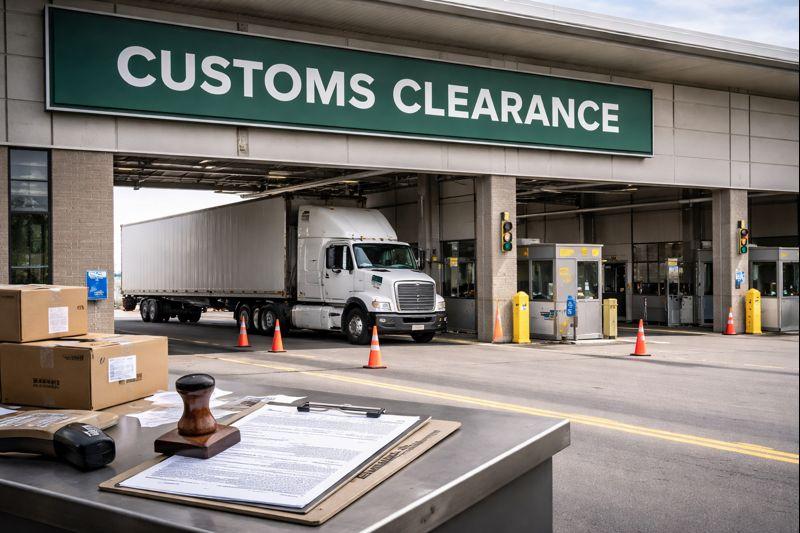
Customs clearance process in Canada for imported goods, showing inspection area at a Canadian customs facility

Amazon Canada FBA Packaging and Labeling Requirements

Before shipping from China to Amazon FBA Canada, sellers must ensure that products are properly labeled, securely packaged, and prepared for warehouse receiving. Incorrect labels or packaging can lead to delays and additional handling costs.

FNSKU and Product Barcode Requirements

Amazon uses product barcodes to identify and track inventory. Depending on the product and seller eligibility, sellers may use manufacturer barcodes such as UPC or EAN, or Amazon barcodes such as FNSKU.

Check the barcode requirements for each ASIN in Seller Central before printing labels. Not every product requires an FNSKU.

See our guide to FNSKU labels for Amazon FBA.

FBA Carton Labels and Shipping Labels

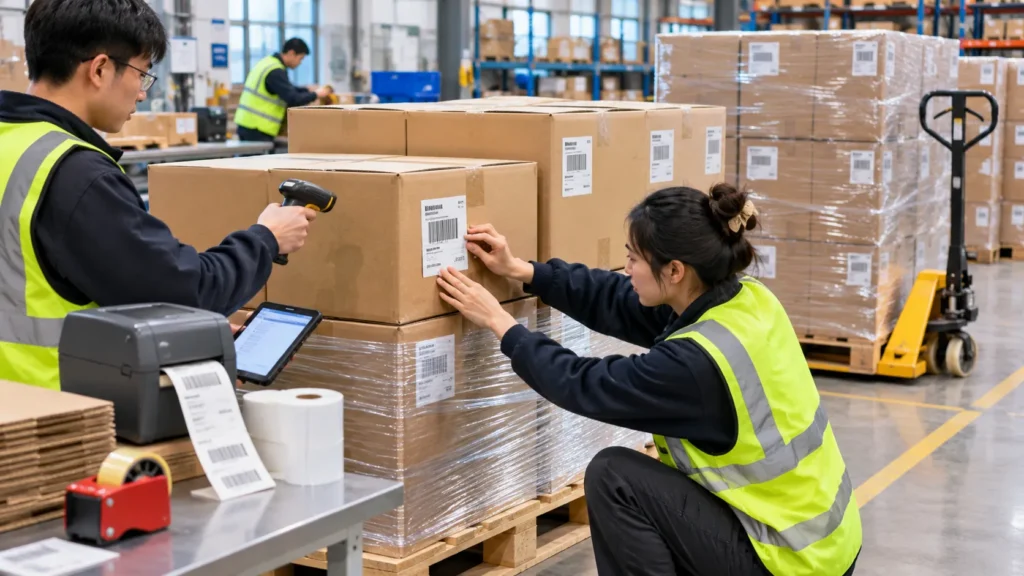
Each shipping carton must have the correct FBA box ID generated through the Send to Amazon workflow. Small parcel shipments also require carrier shipping labels.

Before dispatch, make sure that:

  • Each carton has the correct unique FBA box ID.

  • Labels are clearly printed and easy to scan.

  • Barcodes are not covered or placed across carton seams.

  • Carton information matches the confirmed shipment plan.

Pallet shipments also require the appropriate pallet labels and carrier documentation.

Carton Weight, Pallet and Delivery Requirements

Amazon supports three main inbound delivery methods:

  • Small Parcel Delivery (SPD): Individual cartons shipped through parcel carriers.

  • Less Than Truckload (LTL): Multiple cartons consolidated onto pallets.

  • Full Truckload (FTL): Larger shipments transported in a dedicated truck.

Check Amazon’s current carton weight, size, pallet, and stacking requirements before loading. LTL and FTL shipments may also require delivery appointments arranged through the carrier.

For more details, see our Amazon FBA warehouse requirements guide.

FBA Prep Services and Third-Party Preparation

Amazon Canada discontinued its FBA prep and item labeling services for shipments created from July 1, 2026.

Sellers must arrange product preparation and labeling before inventory arrives at the Canadian fulfillment center. This can be handled by the Chinese supplier or a third-party FBA prep provider.

Preparing products, applying labels, and checking carton packaging in China can help reduce additional handling and receiving delays in Canada.

DDP vs. FOB vs. EXW for Amazon FBA Canada

The choice of Incoterms determines how transportation, export clearance, and other responsibilities are divided between the buyer and seller.

TermMain ResponsibilityBest For
EXWBuyer arranges collection and subsequent transportationExperienced importers
FOBSeller handles export clearance and delivery to the agreed portBuyers using their own freight forwarder
DDPSeller arranges delivery with applicable import duties and taxes paidSellers seeking door-to-door shipping

DDP Shipping from China to Amazon FBA Canada

DDP is generally convenient for overseas Amazon sellers because it combines international transportation, customs clearance arrangements, import duties and taxes, and final delivery.

However, sellers must still confirm the legal IOR and ensure that the import arrangement complies with Canadian regulations.

See our guide to DDP shipping from China to Canada.

FOB and EXW Shipping Arrangements

Under FOB, the Chinese supplier handles export clearance and delivers the goods to the agreed port of shipment. The buyer then arranges international freight, Canadian customs clearance, and final delivery.

Under EXW, the buyer takes responsibility for collecting the goods from the supplier’s premises and arranging subsequent transportation and export procedures.

Which Shipping Term Should You Choose?

DDP is generally suitable for new Amazon sellers who want simpler shipping arrangements. FOB offers more control over freight costs, while EXW may suit experienced importers with established logistics partners in China.

Regardless of the purchasing term, ensure that customs clearance is properly arranged and the shipment meets Amazon’s prepaid delivery requirements.

Common Problems When Shipping to Amazon FBA Canada

Common ProblemPossible CauseHow to Avoid It
Customs DelaysIncorrect HS codes or incomplete documentsVerify import information before departure
IOR ProblemsMissing or incorrect importer detailsConfirm the legal importer in advance
Unexpected ChargesIncomplete freight quotationRequest an itemized DDP quotation
Missing FBA LabelsIncorrect barcode or box IDCheck labels before dispatch
Damaged ProductsInsufficient export packagingUse suitable protective materials
Missed AppointmentsPoor delivery coordinationConfirm warehouse delivery arrangements

Sellers should also verify supplier reliability, request product samples, and arrange pre-shipment inspections when necessary. These steps help identify quality and packaging problems before the goods enter international transportation.

How to Choose a Freight Forwarder for Amazon FBA Canada

A suitable freight forwarder should understand international shipping, Canadian customs clearance, and Amazon’s inbound delivery requirements.

Consider these factors when comparing providers:

  • Amazon FBA Experience: Knowledge of shipment plans, FNSKU labels, carton preparation, and pallet requirements.

  • Canadian Customs Support: Experience with IOR, CARM, and customs broker coordination.

  • DDP Transparency: Clear quotations covering freight, duties, taxes, and final delivery.

  • China Warehouse Services: Supplier pickup, cargo inspection, consolidation, and preparation.

  • Final-Mile Delivery: Coordination of carrier documentation and Amazon warehouse appointments.

Working with an experienced logistics partner such as Tonlexing can help coordinate supplier pickup, cargo consolidation, international transportation, customs clearance arrangements, and final delivery to Amazon FBA Canada.

Frequently Asked Questions