
Related Guide
Doors and Windows Shipping from China
Doors and Windows Shipping from China: Complete Import Guide Verified & Reviewed · Last updated May 2026 Importing doors and windows from China i...
Read guide →

Aluminum profile shipping from China varies depending on profile length, cargo volume, surface treatment, packaging method, shipping mode, and destination customs requirements.
This guide explains how to ship aluminum profiles and aluminum extrusion profiles from China, covering sea freight, air freight, FCL and LCL shipping, packaging protection, HS codes, customs documents, and ways to reduce total freight cost.
Aluminum Profile Shipping
FCL / LCL Shipping
Customs Clearance
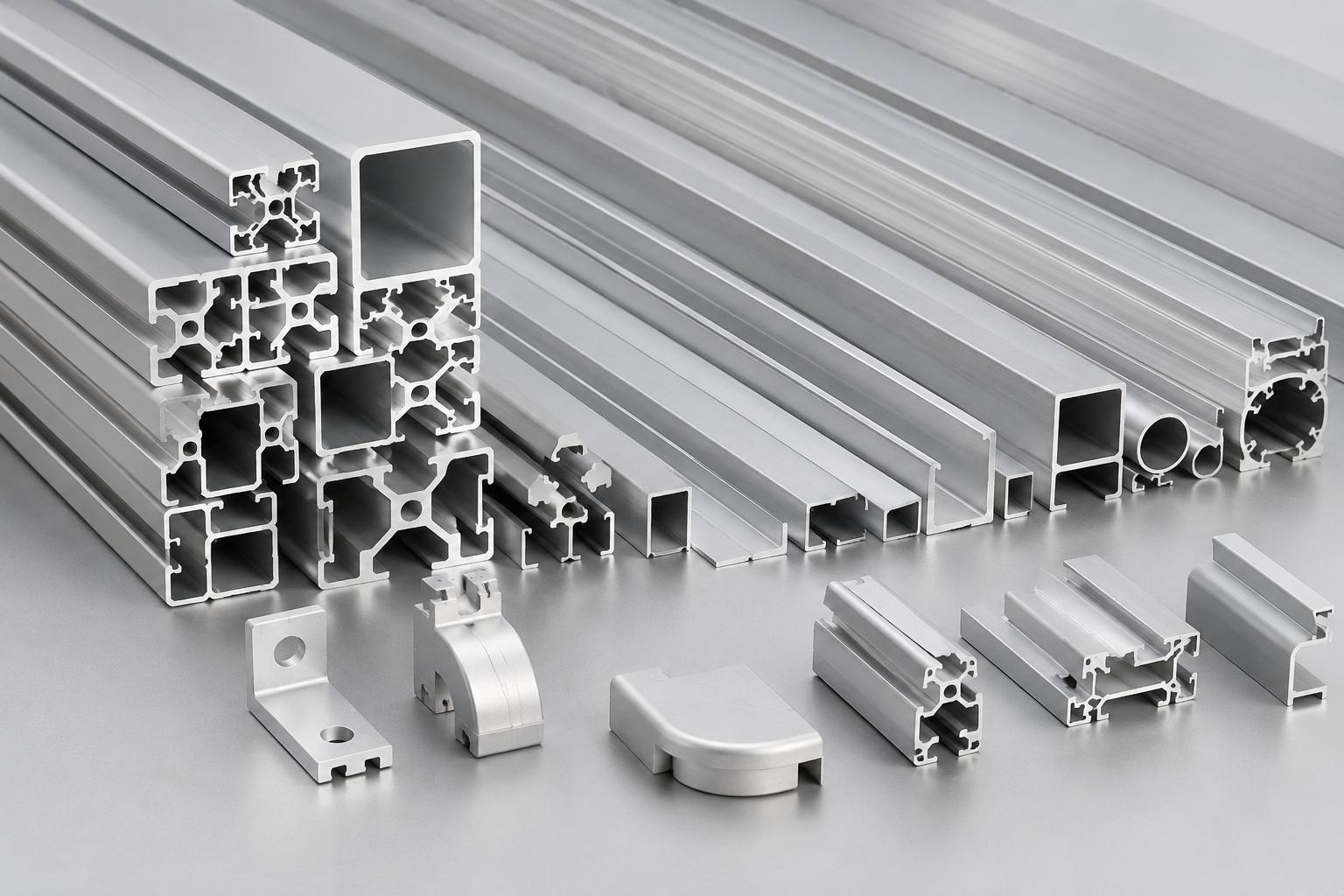
For most importers, sea freight is the best shipping method for aluminum profiles from China. Full Container Load shipping is suitable for bulk aluminum extrusion orders, while Less than Container Load shipping works better for smaller cargo volumes.
Air freight is mainly used for urgent samples, customized aluminum extrusion profiles, and high-value products with short delivery deadlines. Express shipping is suitable for lightweight samples and short aluminum profile sections.
| Shipping Method | Best For | Cost Level |
|---|---|---|
| Sea Freight FCL | Bulk aluminum profiles | Low |
| Sea Freight LCL | Small shipments | Medium |
| Air Freight | Urgent orders and samples | High |
| Express Shipping | Small sampl | Very High |
| Rail Freight | Europe shipments | Medium |
The final shipping cost depends on cargo volume, profile length, alloy grade, surface treatments, packaging, destination country, and customs duties.
China accounts for a large share of global aluminum extrusion exports and has a highly developed aluminum industry. Chinese manufacturers benefit from strong raw material supply chains, advanced aluminum profile manufacturing processes, large production capacity, and competitive pricing.
Many suppliers provide customized solutions for global buyers, including different alloy grades, shapes, sizes, thicknesses, and surface treatments. Aluminum profiles can also be customized for construction, energy, industrial equipment, automotive industries, and architectural projects.
Common surface treatments include:
Anodizing
Powder coating
PVDF coating
Wood grain finishes
Polishing
Brushing
These treatments improve durability, corrosion resistance, performance, and aesthetic appeal.
For many global buyers, China offers a balance between quality products, production flexibility, and cost efficiency.
Aluminum profiles are used across many industries because they are lightweight, durable, and easy to customize.
Common aluminum extrusion products include:
Window and door profiles
Curtain walls
Aluminum rods
Aluminum tubes
Solar mounting systems
Industrial frame systems
Decorative aluminum products
Automotive components
Heat sink profiles
Aluminum extrusion profiles are available in many shapes and specifications. Standard lengths often reach 6 meters, while widths and thicknesses vary depending on the application.
Recent innovations in aluminum profiles include thermal break technologies, lightweight structural designs, integrated smart systems, and improved energy efficiency for modern construction projects.
Shipping aluminum profiles from China generally involves four primary methods, with sea freight being the most cost-effective choice for bulk orders due to the weight and length of the profiles. Choosing the right method depends on order size, delivery urgency, profile length, and destination.
Sea freight is the standard for large-volume aluminum extrusion shipments.
FCL (Full Container Load): Ideal for orders over 10 tons or for filling a full 20ft/40ft container. Provides maximum security and the lowest cost per unit.
LCL (Less than Container Load): Suitable for smaller shipments (1–10 CBM). Cargo shares container space with other goods, which is cost-effective but increases handling risk.
Transit Time: Typically 20–45 days depending on destination. Shipments to the U.S. West Coast are usually faster than to the East Coast or Europe.
Air freight and express services are suitable for prototypes, samples, or urgent project shipments.
Air Freight: Offers a balance between speed and cost. Good for small batches or high-value aluminum profiles such as specialized window frames or industrial components.
Express Courier (DHL/FedEx/UPS): Fastest option (3–5 days), ideal for lightweight samples. Length limits of most aircraft (around 3 meters) may require cutting standard 6-meter profiles.
Rail freight is a growing option for shipments to Europe or Central Asia.
Speed: Faster than sea freight (approximately 20–25 days) and cheaper than air.
Stability: Provides a smoother ride for sensitive aluminum profiles, reducing the risk of bending or surface damage.
Road freight is mainly used for regional shipments or the “last mile” delivery after sea or rail arrival.
Usage: Neighboring countries such as Vietnam or Russia, or for transporting profiles from port to warehouse within the same region.
Considerations: Ensure proper packaging to prevent scratches or bending during transit, especially for long or coated aluminum profiles.
Critical Shipping Factors:
Profile Length & Weight: Long or heavy profiles may require full container shipping or custom packaging.
Surface Treatment: Powder-coated, PVDF-coated, anodized, or wood grain finishes need extra protection.
Customs & HS Codes: Correct classification (HS Code 7604) ensures smooth clearance.
Packaging: Bundling, film wrapping, foam separators, pallets, or wooden crates protect profiles during handling.

Shipping costs for aluminum profiles vary depending on shipment size, transport method, destination, packaging, and market conditions.
Typical freight references include:
Sea freight FCL: around USD 2,000–6,000 per container
Air freight: around USD 5–10 per kg
LCL shipping: charged by cubic meter
Express shipping: charged by weight and parcel size
Long aluminum profiles may also face oversized cargo charges.
Besides freight cost, importers should also consider:
Customs duties
Port charges
Final delivery fees
Insurance
Packaging costs
Customs inspection risk
For the U.S. market, aluminum imports from China may face Section 232 tariffs, anti-dumping duties, or countervailing duties depending on product classification.
Several factors influence the final freight cost when shipping aluminum extrusion profiles from China:
Profile Length
Long aluminum profiles require more loading space and stronger packaging. Standard 6-meter profiles may create additional transport charges, especially for LCL, air freight, or express shipping.
Weight and Volume
Heavy solid aluminum products increase freight cost, while hollow extrusions may take more space and incur volume-based charges. Both factors should be considered when calculating total shipping cost.
Surface Treatments
Aluminum profiles with anodizing, powder coating, PVDF coating, or wood grain finishes require better protection to avoid scratches, dents, or surface damage during handling and transport.
Order Size
Bulk orders usually benefit from lower per-kilogram pricing and reduced freight cost per unit. Small or sample orders may face higher unit shipping costs, especially with express or air freight.
Destination Country
Import duties, customs regulations, anti-dumping or countervailing duties, and local delivery charges vary by country. Understanding destination-specific rules is crucial to avoid unexpected costs.
Packaging is crucial for aluminum profile shipping because the products are easy to scratch and may bend during transport.
Common packaging methods include:
Protective film
Foam separation
Bundle packing
Carton packaging
Wooden pallets
Wooden crates
Profiles with premium surface treatments require stronger protection during loading and shipping.
For LCL shipments, reinforced packaging is especially important because the cargo goes through multiple handling stages.
Good packaging reduces damage risk and helps maintain product quality during international transport.
Customs clearance for aluminum profiles from China is usually not complicated, but the HS code, documents, and import duties must be checked before shipping.
Most aluminum profiles are classified under HS Code 7604, which covers aluminum bars, rods, and profiles.
Common references include:
7604.21 – Hollow aluminum alloy profiles, such as aluminum tubes, window profiles, and door profiles.
7604.29 – Other aluminum alloy bars, rods, and profiles, including many solid or custom extrusions.
The final HS code should be confirmed by the importer or customs broker based on the product shape, alloy grade, and destination country.
For smooth customs clearance, prepare these basic documents:
Commercial Invoice: Product value, alloy grade, surface treatment, and Incoterms.
Packing List: Package quantity, weight, volume, and packing details.
Bill of Lading or Air Waybill: Main shipping document.
Certificate of Origin: Used when duty reduction may apply.
Mill Test Certificate: Shows material composition and performance.
Make sure the product name, quantity, weight, value, and HS code are consistent across all documents.
Import duties vary by country. Some aluminum extrusion products from China may also face extra tariffs, anti-dumping duties, or countervailing duties.
For example:
United States: May involve Section 232 tariffs, Section 301 tariffs, AD/CVD duties, and UFLPA checks.
European Union: Some Chinese aluminum extrusions may face anti-dumping duties.
Australia: A ChAFTA Certificate of Origin may help reduce duties if the product qualifies.
Before shipping, importers should confirm the estimated duty rate with a local customs broker to avoid unexpected costs.
Importers can reduce shipping costs by planning production and logistics together before production begins.
Useful cost-saving strategies include:
Using FCL shipping for bulk orders
Cutting profiles into shorter sections when possible
Improving container loading efficiency
Combining cargo from multiple suppliers
Choosing suitable packaging
Avoiding peak shipping seasons
Working with experienced freight forwarders
Choosing the right supplier is also important because weak packaging and incorrect export documents can increase logistics risk and customs delays.
Tonlexing provides aluminum profile shipping solutions for global buyers, distributors, contractors, and industrial companies.
Our services include:
Sea freight and air freight
FCL and LCL shipping
Supplier pickup
Export customs clearance
Cargo consolidation
Packaging support
Door-to-door delivery
Customs coordination
We help clients ship aluminum extrusion products safely and efficiently from China to international markets.
Sea freight is usually the best option for bulk aluminum profile shipments because it offers lower shipping costs.
Yes. Air freight is suitable for urgent samples and small orders, but it is much more expensive than sea freight.
A commonly used HS Code is 7604 for aluminum bars, rods, and profiles.
They should be protected with film, foam, bundled packing, pallets, or wooden crates to prevent scratches and bending.
Some countries apply anti-dumping duties, countervailing duties, or additional tariffs on aluminum extrusion products imported from China.
Useful freight, customs and importing resources related to this shipping guide.
Doors and Windows Shipping from China: Complete Import Guide Verified & Reviewed · Last updated May 2026 Importing doors and windows from China i...
Read guide →
Key Shipment Details Details Specifications Mode of Transport Air Freight Origin Shenzhen Bao’an International Airport (SZX), China Destination L...
Read guide →
In recent years, the global interest in container houses has skyrocketed, and for good reason. Container houses offer a unique blend of affordabi...
Read guide →
China has established itself as a global hub for construction materials, offering a diverse range of high-quality products at competitive prices...
Read guide →China is a global leader in the production of stainless steel sheets, offering high-quality products at competitive prices. These sheets are wide...
Learn more → Useful Resource Shipping Oversized Cargo from ChinaShipping Oversized Cargo from China Verified & Reviewed · Last updated February 2026 Shipping oversized cargo from China depends on cargo dimensi...
Learn more →WhatsApp us